Kentucky Wildlife Management Areas
One of the biggest frustrations for hunters in Kentucky, especially those without access to private land, is simply finding a place to go. It can feel like every good spot is either leased, owned, or already claimed, leaving many feeling perpetually on the outside looking in. This comprehensive guide is here to shed light on Kentucky's incredible network of Wildlife Management Areas (WMAs), providing you with the knowledge and confidence to explore these public lands and discover the fantastic hunting opportunities they offer.
What Exactly Are Kentucky Wildlife Management Areas (WMAs)?
For many, the idea of public hunting land in Kentucky might conjure images of vast, untouched wilderness, or perhaps just a small, overlooked parcel. The reality, when it comes to Wildlife Management Areas (WMAs), is far more complex and exciting. These aren't just random tracts of woods; they are purpose-built and actively managed landscapes designed specifically to provide habitat for various wildlife species and, crucially, to offer public access for outdoor recreational pursuits, with hunting often being a primary focus. They are the backbone of public hunting in our state, providing critical access for residents and non-residents alike.
The Purpose Behind WMAs
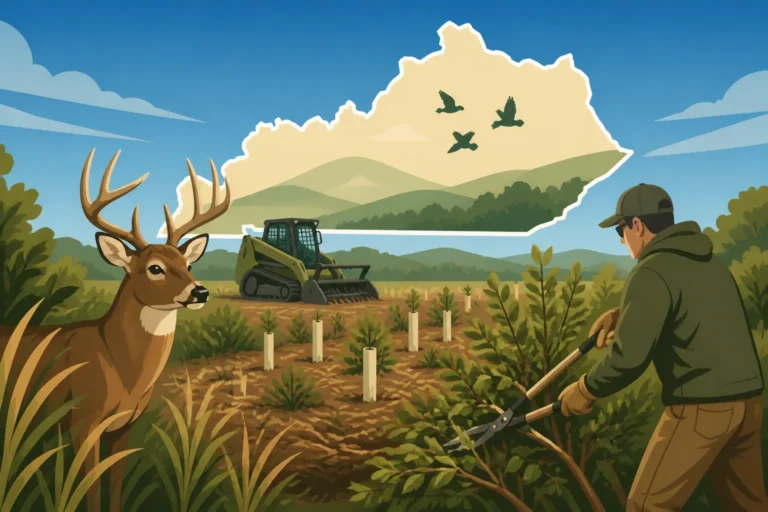
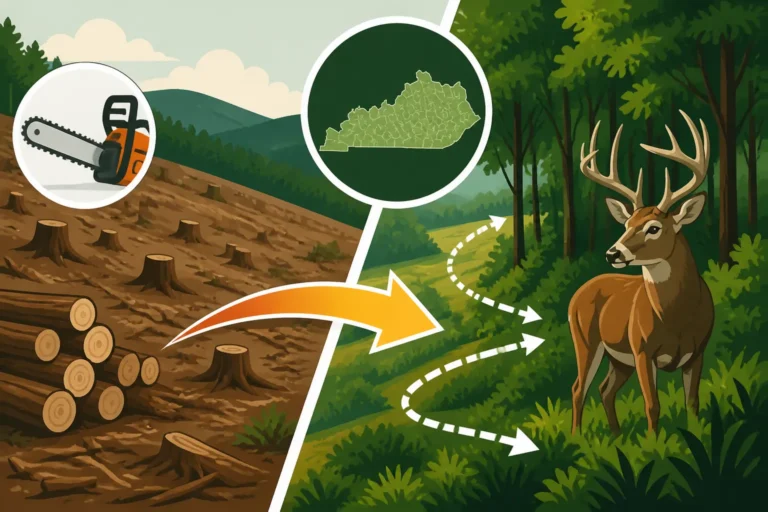
At their core, Kentucky's WMAs exist to conserve and enhance wildlife populations. This isn't just about deer or turkeys; it's about the entire ecosystem. The Kentucky Department of Fish and Wildlife Resources (KDFWR), often in partnership with other agencies or private landowners, acquires or leases these lands with a long-term vision. This vision involves active habitat management, which can include prescribed burns to rejuvenate forest floors, timber stand improvement to encourage new growth, food plot plantings for specific game species, and wetland restoration for waterfowl. Everything is done with an eye toward creating ideal conditions for the animals we pursue, ensuring sustainable populations for future generations.
Beyond habitat, WMAs serve as crucial outdoor classrooms. They provide opportunities for research, education, and observation, allowing biologists to monitor wildlife health and population trends. This scientific data then directly informs hunting regulations, ensuring that seasons and bag limits are set responsibly. For hunters, this means that the management efforts on WMAs aren't just theoretical; they directly impact the quality of hunting experiences available, making these areas productive and reliable year after year, even if conditions change.
A Hunter's Sanctuary and Public Resource
Think of WMAs as communal hunting grounds, a shared resource where ethical and responsible hunting is encouraged and facilitated. They represent our collective investment in conservation and public access. For hunters who don't have a family farm to hunt on or the budget for a private lease, WMAs are an absolute lifeline. They provide a place where you can hone your skills, introduce new hunters to the sport, and simply enjoy the challenge of the chase in diverse natural settings. From sprawling forests to critical waterfowl stopovers, the sheer variety of WMAs means there's a good chance you'll find an area suited to your preferred style of hunting, no matter the game.
The beauty of WMAs lies in their accessibility. While some might have specific regulations or require special permits for certain hunts, the general principle is "first come, first served." This democratic approach means that with a valid hunting license and the appropriate permits, you can almost always find a place to put your boots on the ground. It demands a different kind of preparation than private land—more scouting, more adaptability, and often a willingness to walk further—but the rewards of earning a successful hunt on public land are immense. They truly are sanctuaries for both wildlife and the hunters who cherish them.
Navigating the Diverse Landscape of Kentucky WMAs
Kentucky is a state of remarkable topographical and ecological diversity, and its Wildlife Management Areas reflect this beautifully. You won't find a "one size fits all" WMA; instead, each region presents unique challenges and opportunities. Understanding these differences is key to choosing the right WMA for your hunting goals, whether you're chasing ridge-running bucks in the east or green-timber mallards in the west.
Eastern Kentucky's Rugged Mountain WMAs
When you picture Eastern Kentucky, you probably imagine the rugged Appalachian foothills, steep timbered slopes, and deep hollows. Many WMAs in this region, such as Redbird Wildlife Management Area and Cane Creek WMA, fit this description perfectly. Here, the hunting is often a physically demanding endeavor. You'll be climbing, descending, and traversing terrain that will test your endurance. The habitat is typically mature hardwood forest, offering acorns as a primary food source for deer and bears, along with thick cover in the regenerating clear-cuts.
Hunting these mountain WMAs requires different tactics. Still-hunting becomes an art form, carefully picking your way through the dense undergrowth, relying on wind and thermals. Still-Hunting Eastern Kentucky Ridges is a skill you'll want to master. Treestand hunters often focus on saddles, benches, and creek bottoms that serve as travel corridors. Scouting is paramount, not just for game sign but for understanding the contours of the land itself. A good map tool, like those offered by onX Hunt, becomes an invaluable asset for navigating the labyrinthine ridges and hollows, helping you identify potential bedding areas and natural funnels far from easy access points. Success here often means being willing to go where others won't, to embrace the steep climbs, and to hunt intelligently against the wind.
Western Kentucky's Bottomland and Wetland WMAs
Shift your focus to Western Kentucky, and the landscape changes dramatically. Here, the terrain flattens, rivers like the Ohio and Mississippi dominate, and you'll find extensive tracts of bottomland hardwoods, agricultural fields, and critical wetland habitats. WMAs in this region, such as Ballard Wildlife Management Area or Sloughs Wildlife Management Area, are famous for waterfowl hunting, but also hold excellent populations of deer, turkeys, and small game. The management here often involves manipulating water levels, managing moist-soil plants, and maintaining large agricultural fields that provide food and cover.
Hunting these WMAs means dealing with different challenges. Flooded timber, muddy fields, and open water become part of the experience. For deer hunters, focus often shifts to field edges, isolated timber blocks, and thickets along sloughs and creek bottoms. Hunting Western Kentucky Bottomland Deer offers a unique set of tactics, often involving ground blinds brushed into cover or stands overlooking pinch points between agricultural fields and dense woods. Waterfowl hunters, on the other hand, will utilize layout blinds in cut fields or boat blinds in flooded timber, often participating in managed draw hunts for prime locations. This region demands specialized gear, like waders and marsh boats, and a keen understanding of waterfowl behavior and migration patterns.
Central Kentucky's Mixed Habitat WMAs
Central Kentucky, encompassing the rolling hills of the Pennyrile and parts of the Outer Bluegrass, offers a blend of habitat types. Here, you'll find a mix of agricultural lands, smaller woodlots, scattered timber, and some creek drainages. WMAs in this area, while perhaps less vast than their eastern or western counterparts, often punch above their weight in terms of diverse hunting opportunities. Examples might include Green River Lake Public Hunting Ground or parts of Peabody Wildlife Management Area, which features reclaimed mine lands now teeming with wildlife.
These WMAs provide a balanced hunting experience. Deer and turkey hunting can be excellent, with game utilizing the transitions between wooded cover and crop fields. You might find yourself setting up on a Setting Up on a Western Kentucky Field Edge one day, and traversing a timbered ridge the next. Small game hunting, particularly for rabbits and squirrels, can also be very productive in the patchwork of fields, fencerows, and woodlots. The challenges here often revolve around understanding how game moves between these fragmented habitats and dealing with potentially higher hunting pressure due to closer proximity to population centers. Scouting involves pinpointing those critical transition areas and looking for less obvious access points that might lead to overlooked pockets of cover.
Understanding WMA Regulations and Special Rules
Hunting on a Kentucky WMA isn't quite the same as hunting on private land where you set most of the rules. These public areas come with their own set of specific regulations, which are designed to manage wildlife populations, ensure hunter safety, and maintain the integrity of the habitat. Ignoring these rules can lead to fines, loss of hunting privileges, and a generally miserable experience, so it's critical to know before you go.
General WMA Regulations You Can Expect
While specific rules can vary from one WMA to another, there are some overarching regulations that apply to most. First and foremost, you'll need a valid Kentucky hunting license and any necessary permits for the species you're pursuing. Always carry proof of these, as conservation officers frequent WMAs. Beyond licensing, expect rules regarding vehicle access – many WMAs have designated parking areas and prohibit off-road vehicle use, or restrict vehicles to maintained roads. Understanding Vehicle Rules on Kentucky Public Land is paramount to avoid issues.
Blaze orange requirements are another common feature, often extending to archery hunters during certain firearm seasons, even if they wouldn't typically need it on private land. Kentucky Blaze Orange Requirements can be stricter on WMAs. Furthermore, rules on treestands and ground blinds are standard: often, stands must be removed at the end of the season, and you can't damage trees with screw-in steps. Treestand Rules on Kentucky Public Land and Ground Blind Rules on Kentucky WMAs are often detailed in the WMA-specific regulations. It's always a good practice to check the current KDFWR hunting guide or their online WMA search tool for the most up-to-date information before planning your trip.
Special Regulations and Quota Hunts
Some WMAs, or specific hunts within them, have even more specialized rules. Quota hunts, for instance, are common on popular WMAs, particularly for deer and elk, and often for waterfowl. These hunts limit the number of participants through a drawing system to reduce pressure and manage harvest. If you're hoping to participate in one of these highly sought-after hunts, you'll need to pay close attention to the Kentucky Quota Hunt Application Window and application procedures. These hunts are fantastic opportunities, but require foresight and luck in the draw.
Other special regulations might include restrictions on certain weapons types (e.g., archery-only zones), specific seasons that differ from statewide dates, or unique bag limits. Some WMAs might also have stricter rules regarding scouting before the season, or closures for other activities like dog training or youth hunts. For example, some WMAs in the Kentucky Elk Restoration Zone might have specific seasons or access limitations due to elk management. Always assume there could be special conditions and seek them out rather than just relying on general statewide regulations. This is where tools like GoHunt, which often compile specific public land regulations, can be incredibly helpful.
WMA-Specific Gear and Access Rules
Beyond the typical hunting gear, WMAs sometimes dictate specific equipment or access methods. For instance, on some western Kentucky waterfowl WMAs, certain boat types might be restricted, or blinds might be assigned through a lottery on a daily basis. For deer hunters in rugged eastern Kentucky, using climbing sticks or a saddle system for a mobile setup might be more practical than a traditional climber stand that relies on specific tree diameters. Saddle Hunting in Kentucky Hardwoods can be a game-changer for accessing remote WMA terrain.
Access rules can also impact your gear choices. If a WMA prohibits vehicles beyond a certain point, you'll need a reliable game cart or a plan for dragging out a deer from a steep hollow. Dragging a Deer Out of a Steep Hollow is a reality for many WMA hunters. On some WMAs, camping might be restricted or require permits, influencing whether you plan a day hunt or an overnight stay. Always read the specific WMA rules on the KDFWR website or the local office bulletin board, as they provide the most accurate details for that particular area. A little research beforehand can save you a lot of headache and potentially a citation.
Planning Your Hunt on a Kentucky WMA
Hunting on public land, especially a WMA, requires a different approach than simply showing up on a private farm you know well. It demands meticulous planning, thorough scouting, and a strategic mindset. You're not just hunting game; you're often hunting a limited resource in a competitive environment. Proper preparation can significantly increase your odds of success and make the experience much more enjoyable.
Pre-Season Scouting and Digital Tools
Successful WMA hunting often starts long before opening day, with extensive pre-season scouting. This isn't just about walking around in the woods; it's about combining digital reconnaissance with boots-on-the-ground exploration. Begin by poring over aerial maps, topography maps, and satellite imagery. Tools like onX Hunt or GoHunt are incredibly powerful here, allowing you to identify potential bedding areas, food sources, water, and travel corridors from the comfort of your home. Look for hidden pockets of cover, pinch points, saddles, benches, and drainages that might funnel deer movement. Pay close attention to subtle terrain features that could offer an advantage or provide a unique approach, like identifying Hunting a Ridge-Top Saddle for Rutting Bucks.
Once you've narrowed down some promising areas on the map, it's time for actual physical scouting. Walk these areas, even if it's outside of hunting season. Look for old sign, natural food sources (acorns, persimmons, browse), water sources, and potential ambush points. While trail cameras are legal on many WMAs, be aware of specific Trail Camera Rules on Kentucky Public Land and remember they are susceptible to theft or tampering on public ground. The goal is to develop a deep understanding of the specific WMA, learning its nuances and identifying those often-overlooked spots where deer might seek refuge from hunting pressure. Remember, the best time to find fresh sign is often just before or early in the season, when game patterns are more indicative of current behavior.
Accessing WMAs: Roads, Trails, and Waterways
Understanding how to access a WMA is just as important as knowing where to hunt. Many WMAs have designated parking areas along main roads, but these are often where hunting pressure is highest. Consider looking for less obvious access points, perhaps along quieter county roads or even by utilizing waterways. If a WMA borders a lake or river, using a canoe or kayak can open up entirely new, unpressured sections of land. Just be sure to check any specific WMA regulations regarding boat access and where you can legally land.
When it comes to walking in, most WMAs have a network of fire roads, old logging roads, or designated hiking trails. While these offer easy travel, they also tend to be pathways for other hunters. Be prepared to walk further than most, to venture off the beaten path, and to create your own quiet entry and exit routes. Entry Routes Through Standing Beans can be tricky, but knowing how to minimize your impact is crucial. Mark your routes on your GPS or mapping app like onX Hunt, especially when heading into unfamiliar terrain or when walking out in the dark. A headlamp is an absolute necessity for those pre-dawn walks in and post-sunset walks out.
Dealing with Hunting Pressure and Finding Seclusion
Let's be realistic: WMAs, especially popular ones, can see significant hunting pressure, particularly on opening day of firearm seasons. Opening Weekend Crowds on Kentucky Public Land are a known factor. Your planning needs to account for this. One of the best ways to combat pressure is to go where others won't. This often means walking further, tackling steeper terrain, or exploring dense thickets that casual hunters avoid. Look at your maps for areas that are a mile or more from the nearest road or parking area – these are often the "sanctuaries" for older, wiser game.
Another strategy is to hunt during weekdays or later in the season. While deer might be more nocturnal after the initial rush, they are still present, and hunting pressure dramatically decreases. Understanding how deer adapt to pressure and where they seek refuge is critical. They will often retreat into the thickest cover available, whether it's a pine plantation, a dense cedar swamp, or simply the steepest, nastiest hollow. Being willing to penetrate these areas, even for a short sit, can pay off. Being adaptable and having multiple spots scouted is key; if your primary area is crowded, have a backup plan ready to deploy.
Top Kentucky WMAs for Specific Game Species
Kentucky's WMAs are managed for a variety of wildlife, and while many offer diverse hunting opportunities, some truly shine for particular game species. Knowing which WMAs are renowned for what type of hunting can help you narrow down your choices and focus your efforts for a more successful outing.
Prime Deer Hunting WMAs
For white-tailed deer, Kentucky WMAs offer some fantastic opportunities, ranging from trophy potential to abundant antlerless harvests. Daniel Boone National Forest, while not exclusively a WMA, offers vast tracts of public land within its proclamation boundary that function similarly. Here, you'll find challenging but rewarding hunting for mature bucks, especially if you're willing to hike into remote areas. Think about honing your skills in Reading a Ridge for Cumberland Deer or understanding Where Daniel Boone Forest Bucks Bed.
Other top deer WMAs often include those with a mix of timber and agricultural influence, or areas known for good habitat management. Peabody Wildlife Management Area, with its reclaimed mine lands, has proven to be a consistent producer, offering varied terrain and good food sources. Green River Lake Public Hunting Ground also has a strong reputation, especially for archery hunters, due to its diverse habitat and limited vehicle access in certain sections. These areas typically have good buck-to-doe ratios and diverse age structures, making them attractive for both meat hunters and those seeking a challenge.
Excellent Turkey Hunting WMAs
Spring turkey hunting on a Kentucky WMA can be an exhilarating experience, testing your calling skills and patience. Again, the Daniel Boone National Forest is a prime candidate, especially in its more remote sections, where you can find less pressured birds. Learning Calling a Kentucky Gobbler Off the Roost in these expansive woods is a classic experience.
Many of the same WMAs that hold good deer populations will also have healthy turkey numbers. Areas with good roosting timber, clearings for strutting, and consistent food sources are key. WMAs in the eastern half of the state, with their extensive timber, often provide solid turkey hunting. Look for WMAs with diverse terrain and mature hardwoods. Sometimes, smaller, less-known WMAs can offer fantastic, low-pressure turkey hunting, especially if they have scattered agricultural fields or powerline cuts that gobblers frequent for strutting and feeding. Turkey Tactics for Farmland Field Edges will be different from deep timber. Always check the specific WMA regulations, as some may have unique season dates or bag limits for turkeys.
Waterfowl Hotspots and Small Game Havens
When it comes to waterfowl, Western Kentucky WMAs are in a league of their own, thanks to their location on the Mississippi Flyway. Ballard Wildlife Management Area and Sloughs Wildlife Management Area are legendary for duck and goose hunting. These areas are specifically managed for waterfowl, with controlled water levels, planted crops, and extensive wetland habitats. They often operate on a draw system during peak season, so applying early and understanding the rules is crucial for Ballard WMA Duck Blind Draw Rules. Hunting Land Between the Lakes Waterfowl also offers significant public opportunities.
For small game hunters, many WMAs provide ample opportunities for squirrels and rabbits. Look for WMAs with bottomland hardwoods (for squirrels, especially oak ridges) or those with thick fencerows, briar patches, and brushy cover (for rabbits). Squirrel Hunting Kentucky Bottomland Hardwoods is a timeless pursuit. Peabody WMA and areas along the Green River offer good potential for both. Grouse hunting, while challenging due to declining populations, can still be found in pockets of specific WMAs in the Cumberland Mountains, such as those with young, regenerating forests suitable for Grouse Hunting Cumberland Mountain Cover. Remember that Kentucky Small Game Season Rules can vary by species, so confirm the dates for your target.
| Game Species | Example WMAs (by region) | Key Habitat Features | Typical Hunting Challenges |
|---|---|---|---|
| White-tailed Deer | Daniel Boone NF, Peabody WMA, Green River Lake | Mature hardwoods, reclaimed lands, timber/agriculture mix | Pressure, rugged terrain, nocturnal activity |
| Wild Turkey | Daniel Boone NF, Eastern KY WMAs with large timber | Mature roosting trees, open clearings, varied topography | Call-shy birds, locating roosts, pressure |
| Waterfowl | Ballard WMA, Sloughs WMA, Land Between the Lakes | Managed wetlands, flooded timber, agricultural fields | Draw systems, specialized gear, weather-dependent |
| Small Game (Squirrel, Rabbit) | Peabody WMA, WMAs with bottomland timber/fencerows | Oak/hickory forests, briar thickets, brushy field edges | Dense cover, locating concentrations, hunter competition |
| Black Bear | Redbird WMA, Pine Mountain State Forest | Steep, heavily timbered slopes, remote areas | Physical demand, low encounter rates, specialized rules |
| Elk | Begley WMA, various tracts within Elk Restoration Zone | Forested mountains, open meadows, reclaimed mine lands | Low draw odds, vast terrain, locating herds |
Tips for a Successful WMA Hunt
Hunting WMAs isn't just about finding game; it's about embracing a different kind of hunting experience. It demands resilience, respect, and a willingness to adapt. Here are some tips to help you make the most of your time on Kentucky's public lands.
Adapting to WMA Conditions
The conditions on WMAs can be dynamic and often challenging. You might encounter thick, unmanaged timber, steep terrain, or dense undergrowth. Your gear choices need to reflect this. Good quality boots are non-negotiable for covering miles of uneven ground. Boots for Kentucky Hollows and Creek Bottoms should be a priority. Layered clothing is essential, as you'll often be working up a sweat hiking in, then sitting still in the cold. Layering for a Kentucky Deer Stand can make or break your comfort.
Be prepared for the unexpected. Weather can change quickly in Kentucky, from warm, humid mornings to sudden cold fronts or rain. Rain Gear for a Kentucky Downpour is a must. Flexibility in your hunting style is also key. If your treestand spot isn't producing, be ready to still-hunt, set up a ground blind, or try a different approach entirely. Adapt to what the WMA presents, rather than trying to force a specific hunting method. The most successful WMA hunters are often those who are versatile and can adjust their tactics on the fly.
Respecting the Resource and Other Users
WMAs are a shared resource, and treating them with respect is paramount. This means packing out everything you pack in—and perhaps even a little extra trash you find. Leave no trace. Adhere strictly to all regulations, even the seemingly minor ones, as they are in place for a reason. Respecting boundary lines, even on public land, is also important; know the WMA's borders and don't inadvertently trespass onto adjoining private properties. Finding Kentucky Property Lines using a mapping app like onX Hunt is an excellent way to stay legal.
Beyond the land itself, respect other hunters. You will likely encounter others, especially during peak seasons. Give other hunters space, avoid disrupting their hunts, and communicate politely if you find yourself in close proximity. This might mean choosing a different area to hunt if someone is already set up, or simply waving a friendly hand. A shared smile and common courtesy go a long way in fostering a positive hunting community. These lands belong to all of us, and courteous behavior ensures everyone has a chance at an enjoyable experience.
Post-Hunt Responsibilities and Telechecking
Once you've had a successful hunt on a WMA, your responsibilities don't end there. Ethical shot placement and diligent tracking are even more critical on public land, where wounded game can be harder to recover, and leaving it behind reflects poorly on all hunters. Tracking a Deer Through Kentucky Leaf Litter can be challenging, but it's part of the commitment.
After a successful harvest, ensure you properly field dress your game. Field Dressing a Deer in Cold Weather has different considerations than warmer days. You'll then need to transport it out, which can be a significant undertaking on WMAs. A good game cart or a sturdy sled can be invaluable for Dragging a Deer Out of a Steep Hollow. Finally, and crucially, you must legally telecheck your harvest according to KDFWR regulations. Telechecking a Kentucky Deer Harvest is mandatory and essential for wildlife management. This data helps biologists monitor populations and ensures that WMAs continue to be managed effectively for future hunting opportunities.
Challenges and Opportunities on WMAs
Hunting on Kentucky's Wildlife Management Areas comes with its unique set of challenges, but these very difficulties often pave the way for some of the most rewarding hunting experiences available. Understanding both sides of this coin is essential for any public land hunter.
Overcoming Crowds and Competition
One of the most frequently cited challenges of WMA hunting is the presence of other hunters. Hunting Pressure on Kentucky Public Land is a reality, especially on weekends and during opening days of major seasons. This competition can make it feel like you're constantly fighting for space or that the deer are always spooked. However, this challenge also presents an opportunity. It forces hunters to be more creative, more strategic, and often, more physically capable.
Overcoming crowds means thinking outside the box. It means arriving earlier, staying later, and being willing to walk further than others. It means studying maps to identify those hard-to-reach pockets, those seemingly inaccessible pieces of cover that most hunters overlook because they're too steep, too thick, or too far from the road. Finding Ground Others Walk Past is an acquired skill that pays dividends. It also means observing other hunters and understanding how they move through the woods, allowing you to position yourself in areas that aren't getting pounded. This competition, while frustrating, ultimately sharpens your skills and pushes you to become a better hunter.
The Reward of Public Land Success
Despite the challenges, harvesting an animal on a Kentucky WMA is an incredibly fulfilling achievement. There's a profound satisfaction that comes from knowing you've outsmarted a wary buck or called in a gobbler on land accessible to everyone. It's an affirmation of your scouting efforts, your physical endurance, and your hunting prowess. This isn't handed to you; it's earned through hard work and persistence.
Beyond the harvest itself, WMAs offer unparalleled opportunities for exploration and immersion in nature. You're constantly discovering new terrain, observing different wildlife behaviors, and connecting with the wilder side of Kentucky. For many, the true reward isn't just the meat in the freezer, but the entire journey—the pre-season scouting trips, the long walks in the dark, the moments of solitude in the timber, and the stories shared with fellow hunters. It's a testament to the fact that quality hunting experiences are still available to everyone, regardless of land ownership.
Contributing to WMA Management
Hunting on WMAs isn't just about taking; it's also about giving back. By purchasing your hunting licenses and permits, you're directly contributing to the funding that supports the management and maintenance of these crucial public lands. These funds enable the KDFWR to continue their vital work of habitat improvement, wildlife monitoring, and providing access.
Furthermore, ethical hunting on WMAs is a form of active management. By participating in regulated harvests, hunters help to keep wildlife populations in balance with the available habitat, preventing overpopulation and the spread of disease. Kentucky Deer Management Zone Rules often leverage hunters to maintain healthy deer numbers. Reporting your harvest accurately through telecheck, adhering to all regulations, and respecting the land all contribute to the long-term health and sustainability of Kentucky's WMAs and their wildlife. It's a partnership between the KDFWR and hunters, working together to ensure these precious resources remain vibrant for generations to come.
Disclaimer
This article is for general informational purposes only and does not constitute professional advice. Laws, prices and regulations vary by location and change over time. Consult a qualified professional for guidance on your specific situation.