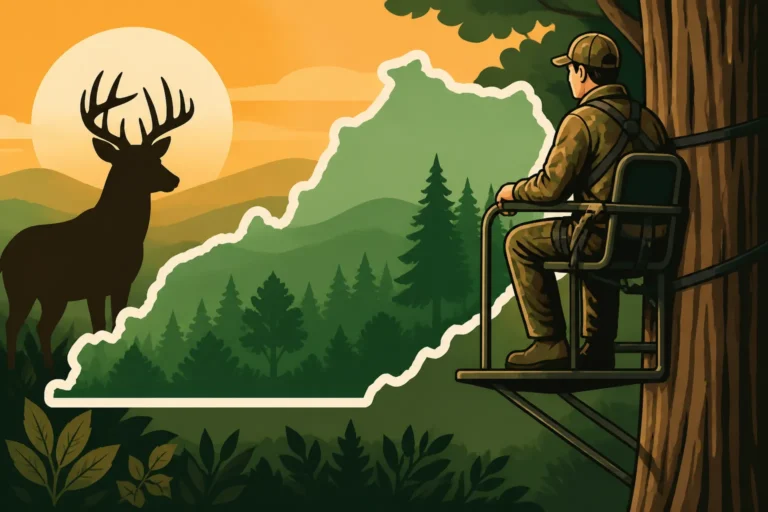
Kentucky Deer Camps and Hunting Clubs
For many hunters in Kentucky, the dream of consistent, quality deer hunting often feels out of reach beyond the usual public land grind, or they simply miss the camaraderie of a shared experience. Hunting solo can be rewarding, but it sometimes lacks the collective wisdom and shared resources that make deer season truly special. This guide aims to shed light on the invaluable world of Kentucky deer camps and hunting clubs, exploring how these communities can offer a solution to these common frustrations, providing not just access to prime hunting ground but also a rich tradition of fellowship and shared purpose.
The Enduring Allure of the Kentucky Deer Camp
There’s something almost primal about gathering with fellow hunters, whether family or friends, at a dedicated deer camp. It’s a tradition as old as hunting itself, deeply woven into the fabric of our culture here in Kentucky. It's more than just a temporary residence during hunting season; it's a sanctuary, a place where stories are told, lessons are learned, and bonds are forged over crackling fires and shared meals. The very mention of "deer camp" conjures images of rustic cabins, well-worn four-wheelers, and the aroma of coffee brewing before dawn.
More Than Just a Place to Sleep
A true Kentucky deer camp is never just about having a roof over your head. It’s the beating heart of the hunting experience. Imagine coming back after a long, cold sit, empty-handed or with a success story, and being met by folks who genuinely understand the highs and lows. The camaraderie is palpable, whether you're rehashing missed opportunities or celebrating a hard-earned harvest. These are the places where kids learn the ropes, watching seasoned hunters field dress game or meticulously clean their rifles. It's where the next generation falls in love with the outdoors, soaking up the knowledge and respect for the land that defines responsible hunting. From late-night card games to early morning strategy sessions, the shared experience builds memories that last a lifetime, far outweighing the momentary thrill of the hunt itself. It's a key part of Kentucky Deer Camp Traditions.
The Logistical Hub for Successful Hunts
Beyond the social aspect, a well-established deer camp serves as an indispensable logistical hub. Think about it: a centralized location to store all your gear, from treestands and ground blinds to ATVs and trailers. This saves countless hours of packing and unpacking every trip. Many camps are equipped with facilities for processing game, boasting hoists, skinning racks, and even walk-in coolers, especially crucial during warmer early season hunts or when dealing with multiple deer. Having these resources on-site means you can focus more on hunting and less on hauling a deer hundreds of miles to a processor. It also provides a dedicated space for planning your next move, poring over maps, discussing wind direction, and strategizing entry and exit routes, all within the comfort and convenience of a shared space.
Understanding Kentucky Hunting Clubs: Structure and Benefits
Hunting clubs, while sharing the spirit of camaraderie with traditional deer camps, often operate with a more formalized structure. They typically involve a group of individuals pooling resources to lease or collectively manage private land for hunting purposes. This formalization brings a host of benefits, addressing many of the challenges individual hunters face when trying to secure consistent access to quality hunting ground. It's a way to leverage collective effort for greater opportunities and impact on habitat.
Lease Agreements and Land Access
One of the primary advantages of joining a hunting club in Kentucky is gaining access to prime private land that would otherwise be unavailable or prohibitively expensive for a single individual. Clubs often enter into lease agreements with landowners, securing exclusive hunting rights for their members over a specified period. These leases can range from smaller tracts of a few hundred acres to expansive parcels spanning thousands, often with significant deer populations. The cost of such leases, which can be considerable, is then divided among club members, making it an affordable proposition for each individual. This shared financial responsibility is what makes securing quality ground feasible for many hunters. Understanding Kentucky Hunting Lease Costs is vital here, as it dictates the financial commitment for each member. Plus, having a formal agreement in place means clarity for both the club and the landowner, preventing misunderstandings that can arise from more informal arrangements. It's a step up from just Getting Private Land Permission in Kentucky year after year.
Shared Management and Habitat Improvement
A well-run hunting club doesn't just secure land; it actively manages it to enhance the hunting experience. Members often work together on habitat improvement projects, which can include planting food plots, establishing mineral sites, hinge-cutting timber for cover, or even selective timber stand improvement to encourage browse. This collective effort not only improves the property for wildlife but also fosters a deeper connection to the land among members. With shared resources, clubs can invest in better trail cameras, mapping software like onX Hunt to precisely mark stand locations and property lines, and even heavy equipment for clearing trails or planting fields. By working towards common harvest goals – perhaps letting younger bucks walk or focusing on antlerless harvest to balance the herd – clubs can exert a significant positive influence on the local deer population, often leading to better quality animals and more consistent hunting success for everyone involved.
The Perks Beyond the Harvest
While harvesting game is certainly a goal, the benefits of a hunting club extend far beyond filling a tag. Clubs provide a fantastic environment for skill sharing and mentorship. Experienced hunters can guide newcomers, teaching everything from proper field dressing techniques to effective rattling and grunting strategies. This is especially valuable for youth hunters, who can learn from multiple mentors in a safe and supportive setting. Safety is also a huge consideration; with more eyes and ears, and established protocols, a club environment can inherently be safer than hunting alone. Many clubs organize work days, social events, or even charity initiatives, building a strong community spirit. These collective experiences often lead to lifelong friendships, creating a support network that enriches not just the hunting season, but life in general.
Navigating the Costs: What to Expect
Let's be realistic: hunting, especially when involving private land access and amenities, often comes with a financial commitment. While the benefits of deer camps and hunting clubs are plentiful, it's crucial to understand the various costs involved so you can budget appropriately and avoid any unpleasant surprises. Transparency regarding finances is a hallmark of a well-managed club.
Membership Dues and Lease Fees
The most significant financial component of joining a hunting club is typically the combination of membership dues and your share of the land lease fees. Membership dues can cover administrative costs, insurance, and maintenance of common areas or equipment. The lease fee, as discussed, is the amount paid to the landowner for exclusive hunting rights, divided among all members. These figures can vary wildly depending on several factors:
- Acreage and Quality of Land: Larger tracts of land, especially those with proven big buck potential or excellent habitat, will command higher lease prices.
- Location: Land closer to metropolitan areas or in highly sought-after counties might be more expensive.
- Amenities: Does the club property include cabins, barns, food plots already established, or extensive road systems? These features add value and cost.
- Number of Members: The more members a club has, the lower the individual share of the lease fee, though this can also mean more hunting pressure if not managed properly.
It's common for individual contributions to range from a few hundred dollars to several thousand per year. Always inquire about the exact breakdown of these costs before committing.
Hidden Costs and Contributions
Beyond the stated dues and lease fees, there are often other contributions, both financial and in terms of labor, that members are expected to make. These "hidden costs" aren't usually malicious; they're simply the reality of maintaining a property and shared resources.
- Work Days: Most clubs require or strongly encourage participation in work days for tasks like planting food plots, maintaining trails, clearing shooting lanes, or repairing camp facilities. While not a direct monetary cost, your time is a valuable contribution.
- Fuel and Equipment: Someone has to pay for the gas for the tractor, the seed for the food plots, or the materials for a new blind. Clubs may have a separate fund for these, or they might be divided among members as needed.
- Camp Supplies: If the camp provides shared items like propane, firewood, cleaning supplies, or even a communal coffee pot, these costs will be factored in.
- Personal Gear: Of course, you’ll still need your own hunting license and permits, as well as personal gear like treestands, rifles, bows, and optics. These are separate from club fees. Remember to check Kentucky Resident Hunting License Options and Kentucky Deer Permit Cost before planning your season.
It's always a good idea to ask for a clear list of all anticipated financial obligations and expected work contributions before joining any club. A well-managed club will have this information readily available.
Finding and Joining the Right Club or Camp
So, you're convinced that a deer camp or hunting club is the way to go. But how do you actually find one that's a good fit, especially in a state as diverse in hunting opportunities as Kentucky? It can feel like trying to find a needle in a haystack, but with a bit of effort and networking, you can definitely uncover some great options.
Networking and Word-of-Mouth
This is, by far, the most effective way to find a quality hunting club or camp. Hunting is a community sport, and relationships are everything. Start by talking to other hunters you know – friends, family, co-workers, or even folks you meet at local sporting goods stores or gun shops. Let them know you’re looking. Often, a friend of a friend will know of an opening or a club that’s looking for new members. Attend local conservation group meetings, like those for the Kentucky Fish and Wildlife Federation, the National Wild Turkey Federation, or Ducks Unlimited. These organizations are full of passionate hunters, and they can be excellent avenues for networking. Get involved in local events, participate in mentored youth hunts, or offer to help out with habitat projects. The more people you know in the Kentucky hunting scene, the better your chances of hearing about an opportunity.
Online Resources and Forums
In the digital age, online platforms have become invaluable tools for connecting hunters. While a direct "Kentucky Hunting Clubs for Sale" website might not exist, forums and social media groups dedicated to Kentucky hunting can be goldmines of information. Websites like Gon.com (Georgia Outdoor News, but many states have similar community boards), or state-specific hunting forums, sometimes have classifieds or discussion threads where clubs post openings. While GoHunt primarily focuses on western big game opportunities, its robust community forums can sometimes provide broader connections or ideas, and it emphasizes detailed planning and research applicable to any hunt.
When researching potential properties or scouting areas for a new club, tools like onX Hunt are incredibly useful. They provide detailed maps showing property boundaries, public versus private land, landowner names, and even different habitat types. This can help you identify potential lease properties or simply understand the lay of the land if you're evaluating a club's current property. Using Reading Aerial Photos for Eastern Kentucky Deer can give you an edge in understanding the terrain clubs are hunting. Always exercise caution and common sense when engaging with strangers online, and never commit to anything without thoroughly vetting the club and its leadership.
What to Look for in a Prospective Club
Once you've identified a few potential clubs, it's time to do your homework. Joining a club is a significant commitment, so you want to ensure it's the right fit for you.
- Club Culture and Rules: Every club has its own personality. Some are very serious about trophy management, others prioritize family hunting, and some are just about getting together with friends. Ask about the club's philosophy, its rules (especially regarding guest policies, stand placement, and harvest limits), and how decisions are made. Are the rules clearly documented? Do they align with your hunting style and values?
- Land Quality and Management: Inquire about the property itself. How many acres is it? What kind of habitat does it offer (hardwoods, fields, creek bottoms)? What deer management practices are in place (food plots, sanctuary areas)? What's the historical success rate for members? Are members allowed to Scouting Kentucky Public Land Before Season (principles apply to private too!) or set trail cameras?
- Member Turnover: A high turnover rate can be a red flag, indicating potential issues within the club. A stable membership often suggests a well-run and enjoyable environment.
- Financial Transparency: As mentioned, ensure all costs are clearly laid out. Are there any outstanding debts? How are funds managed?
- Meet the Members: Crucially, ask if you can meet some of the current members. Spend some time with them, ideally during a work day or a casual gathering. Do you get along? Do their hunting ethics align with yours? A good club is as much about the people as it is about the land.
- Proximity and Travel: Consider the club's location relative to your home. How far are you willing to travel for work days and hunting trips?
- Review the Lease Agreement: If possible, review the actual land lease agreement. This will outline the club's rights and responsibilities on the property. Also, ensure you understand Do You Need Written Permission in Kentucky? from the actual landowner, even if the club has a lease.
By asking these questions and taking the time to truly understand the club, you can make an informed decision and find a hunting home that will provide years of enjoyment and successful hunts. Keep in mind Kentucky's statewide Kentucky Deer Management Zone Rules will apply regardless of whether you're on private or public ground.
Establishing Your Own Deer Camp or Club
Perhaps you've looked around and haven't found a club that quite fits your vision, or maybe you have a strong group of like-minded friends eager to create something new. Starting your own deer camp or hunting club in Kentucky can be an incredibly rewarding endeavor, offering the ultimate control over your hunting experience and land management decisions. It's a big undertaking, but with careful planning and a dedicated core group, it's absolutely achievable.
Securing the Land
This is the foundational step for any new hunting club. Without land, you just have a group of friends with good intentions.
- Identifying Potential Properties: Start by identifying areas in Kentucky known for good deer populations. Utilize online mapping tools like onX Hunt to research property ownership, analyze aerial photos for habitat features (like timber cuts, creek bottoms, and fields), and identify suitable access points. Look for properties that offer a good mix of cover, food, and water.
- Contacting Landowners: This requires a direct approach. Find landowner contact information through mapping apps or county tax records. Draft a professional letter or make a polite phone call introducing your group, explaining your intentions (e.g., responsible hunting, habitat improvement, adherence to all regulations), and inquiring about a lease. Be prepared to discuss your budget, insurance coverage, and your commitment to being respectful tenants. Many landowners are open to leasing but want to ensure their land is in good hands. Knocking on Doors in Western Kentucky Farm Country or any other region can be effective.
- Drafting a Lease Agreement: Once a landowner is receptive, work with them to draw up a formal, written lease agreement. This document should clearly outline the terms of the lease: duration, cost, payment schedule, species allowed to be hunted, specific access rules, timber rights (or lack thereof), liability clauses, and any special landowner stipulations. Legal advice is highly recommended here to protect both parties.
Drafting Bylaws and Rules
To ensure smooth operation and prevent conflicts, your new club needs a clear set of bylaws and rules. This document will serve as your club's constitution, guiding everything from member conduct to financial management.
- Membership Criteria: Define who can join your club. Will it be invitation-only? Are there character requirements? How will new members be brought in?
- Decision-Making Process: Establish how decisions will be made. Will it be a simple majority vote? Does the club leader have final say? What happens in a tie?
- Financial Management: Outline how dues will be collected, how funds will be spent, and how financial records will be kept. Consider setting up a dedicated bank account for the club.
- Hunting Rules: Be explicit about hunting rules. This includes stand placement guidelines, harvest quotas (e.g., minimum antler restrictions, antlerless limits), guest policies, scent control requirements, and safety protocols. You’ll want to incorporate things like Kentucky Deer Harvest Reporting Rules and Kentucky Hunter Education Requirements as mandatory for all members.
- Work Day Requirements: Clearly state expectations for member participation in work days and the consequences for non-compliance.
- Conflict Resolution: Establish a fair process for resolving disputes among members or with the landowner.
A well-written set of bylaws will minimize misunderstandings and create a framework for a harmonious and productive club environment.
Building a Core Group
The success of your club hinges on the quality of its members. You need a core group of individuals who are not only passionate about hunting but also responsible, reliable, and willing to contribute.
- Seek Like-Minded Individuals: Look for people whose hunting ethics, values, and commitment levels align with yours. Do they share your vision for land management and conservation? Are they willing to put in the work, not just enjoy the harvest?
- Diversity of Skills: A diverse skill set within the group can be a huge asset. Someone good with a tractor, another with carpentry skills, someone organized for finances, or someone knowledgeable about wildlife biology can all contribute significantly.
- Communication is Key: From the very beginning, foster open and honest communication. Regular meetings, clear channels for updates, and a willingness to listen to all perspectives will be crucial as your club grows and evolves.
- Start Small, Grow Organically: Don't feel pressured to fill every potential membership spot immediately. Starting with a smaller, dedicated core group allows you to establish your club's culture and processes more effectively before expanding.
- Emphasize Stewardship: Instill a strong sense of land stewardship among members. Remind everyone that securing and maintaining good hunting ground is a privilege that requires respect for the resource and the landowner.
By carefully planning, clearly defining expectations, and building a strong, dedicated team, you can create a Kentucky deer camp or hunting club that offers unparalleled hunting opportunities and builds lasting memories for generations to come.
| Feature | Traditional Deer Camp | Formal Hunting Club |
|---|---|---|
| Land Access | Often private family land; informal access | Formal lease agreement on private land |
| Structure | Informal, family/friend-based | Formal bylaws, membership, leadership |
| Costs | Shared expenses as needed; potentially free | Annual membership dues, lease fees |
| Management | Casual habitat work, often owner-led | Structured habitat improvement, shared labor |
| Membership | Close-knit, often generational | Open to new members, vetting process |
| Amenities | Basic cabin, shared kitchen | May include extensive facilities, food plots |
| Decision Making | Consensus-based, often informal | Voted on, guided by bylaws |
| Liability | Generally informal, high trust | Formal insurance and liability clauses |
Disclaimer
This article is for general informational purposes only and does not constitute professional advice. Laws, prices and regulations vary by location and change over time. Consult a qualified professional for guidance on your specific situation.