Kentucky Elk Bull-to-Cow Ratio
Kentucky elk bull-to-cow ratios measure mature bulls per one hundred cows to ensure herd health and sustainable hunting.
Know what you’re after.
Big game, small game, upland birds, and waterfowl — identification, behavior, rut and migration timing, and how each species moves through the season.
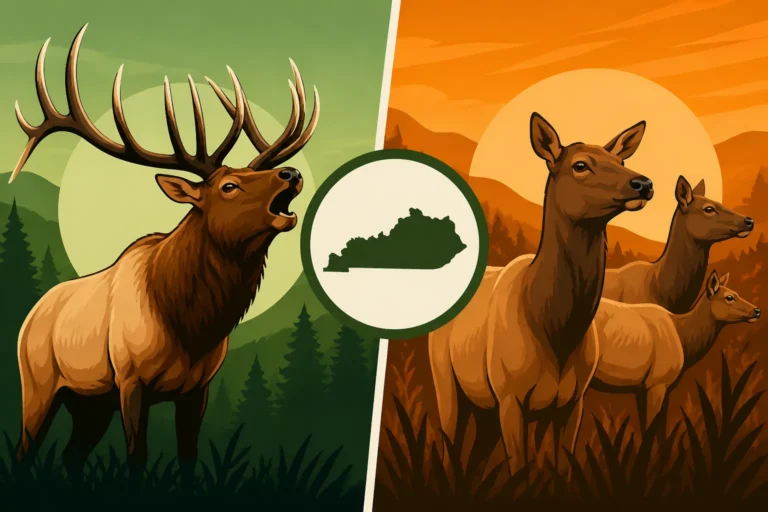
Kentucky elk bull-to-cow ratios measure mature bulls per one hundred cows to ensure herd health and sustainable hunting.
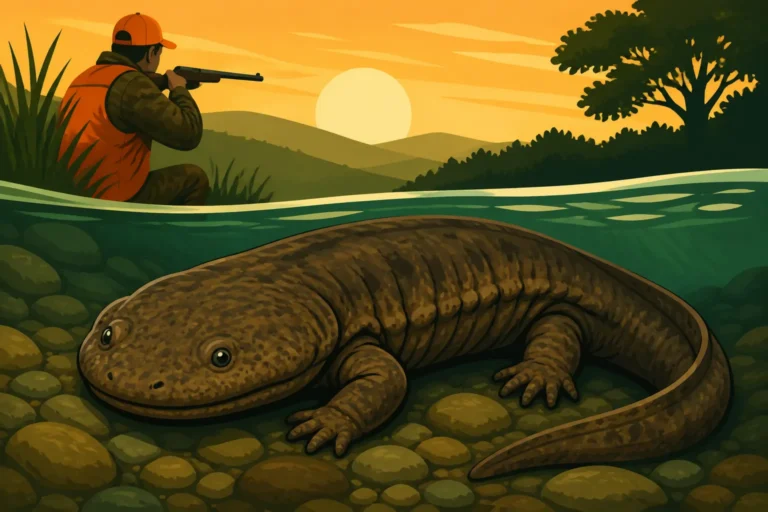
Kentucky hellbenders are giant stream-dwelling salamanders that indicate clean water and serve as prehistoric-looking ecosystem health indicators.
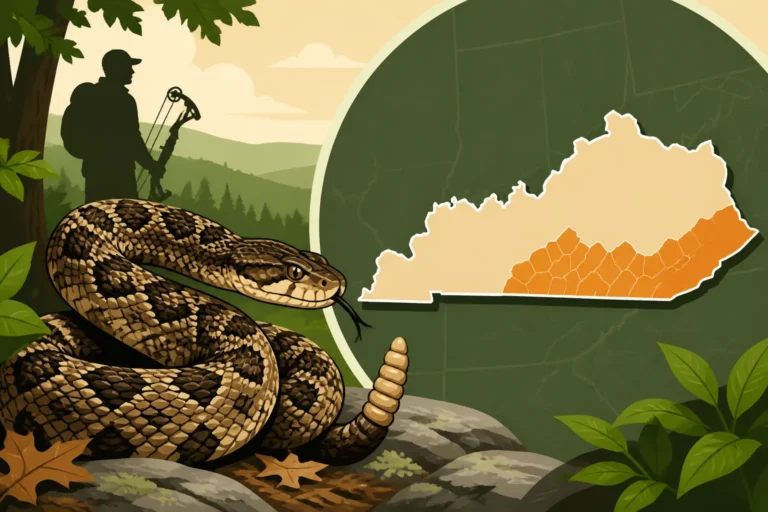
Kentucky timber rattlesnakes inhabit Eastern Kentucky forests, preferring the Cumberland Plateau, Appalachian foothills, and rocky south-facing denning sites.
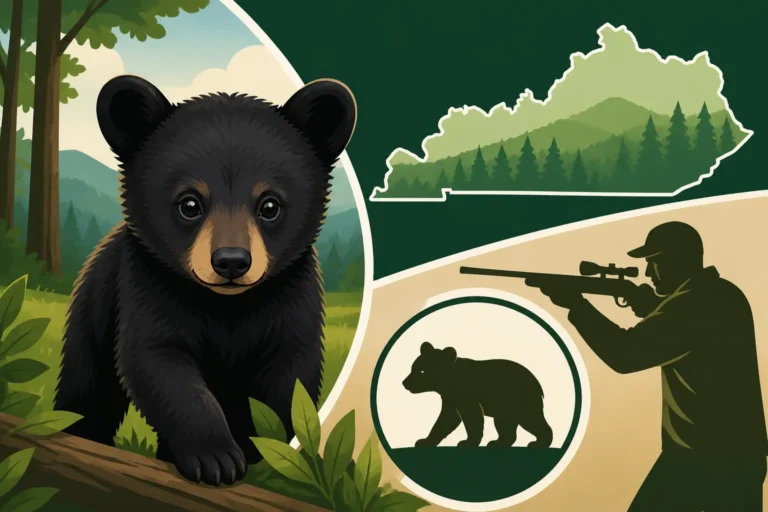
Kentucky black bear cub survival rates depend heavily on maternal care, food availability, habitat quality, and avoiding predators.
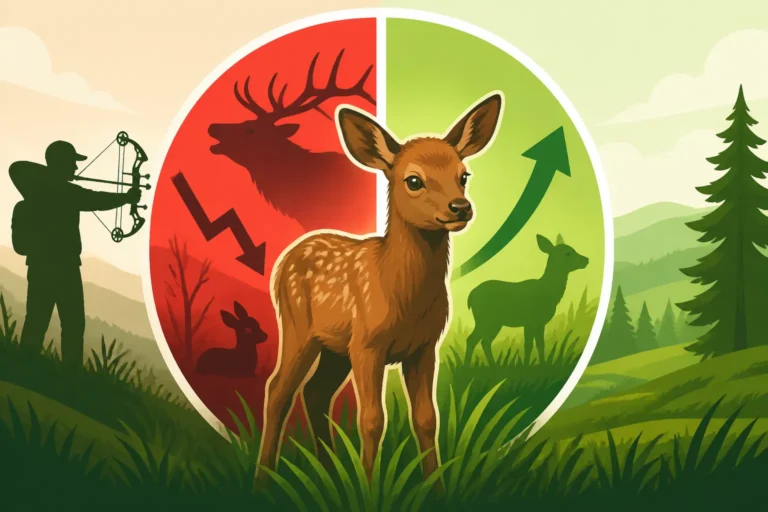
Kentucky elk calf survival rates depend on black bear and coyote predation, maternal nutrition, habitat quality, and weather.
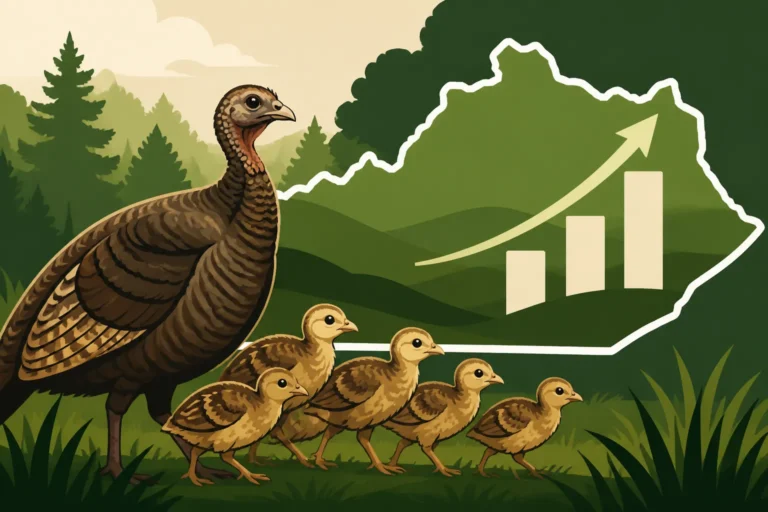
Kentucky turkey brood surveys track poult-to-hen ratios to measure reproductive success and wild turkey population health.
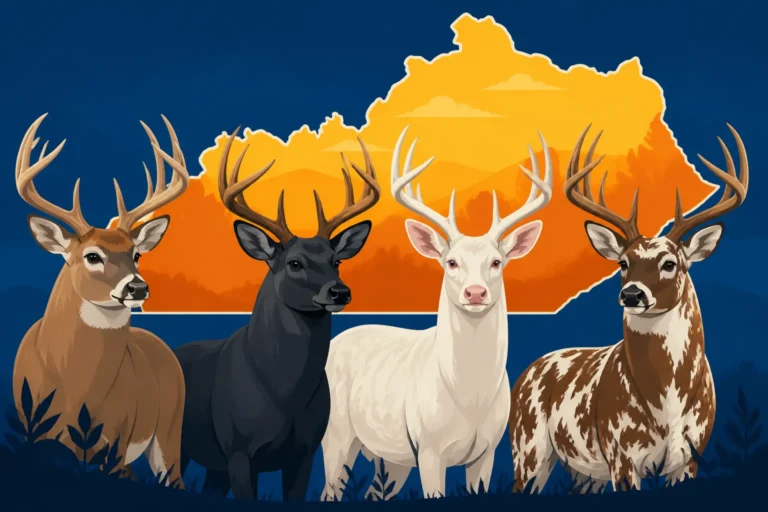
Kentucky whitetail color phase rarities reveal genetics behind unique animals displaying albinism and leucism across the state.

Kentucky deer antler restrictions govern minimum legal harvest characteristics to manage age structure and improve herd quality.
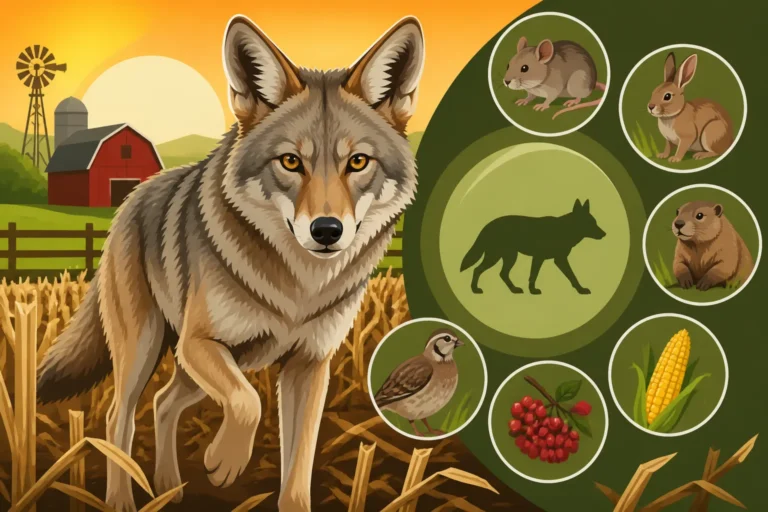
Kentucky coyotes in agricultural regions eat rodents, deer fawns, fruit, and corn, shifting their varied diet across four seasons.
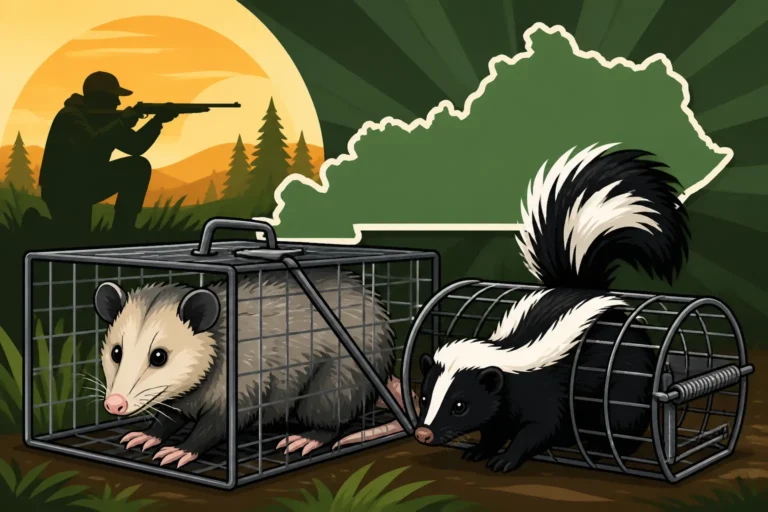
Kentucky opossum and skunk trapping rules, license requirements, and wildlife identification methods for safe property removal.