Kentucky Deer Antler Restrictions Debate
One of the most talked-about topics around Kentucky deer camp fire pits, year after year, isn't just where the big bucks are hiding, but the ever-present debate surrounding antler restrictions (ARs). For many hunters, understanding and navigating these regulations can feel like trying to hit a moving target, leading to frustrations and a whole lot of questions about their real impact. This guide aims to pull back the curtain on Kentucky's deer antler restrictions, exploring the reasons behind them, the strong feelings they evoke, and what they truly mean for your hunting experience in the Bluegrass State.
What Exactly Are Antler Restrictions?
At its heart, an antler restriction is a regulation designed to manage the antlered deer harvest by specifying minimum antler characteristics a buck must possess before it can be legally taken. In Kentucky, this usually means a buck must have a certain number of points on one side, or perhaps an antler spread that extends beyond its ears. These aren't just arbitrary rules; they're implemented with specific goals in mind, often aimed at shaping the deer herd for what the Kentucky Department of Fish and Wildlife Resources (KDFWR) perceives as better management and better hunting opportunities.
Imagine you're walking into a sporting goods store, and you're told you can only buy a certain brand of boots if they have at least eight eyelets. It's a specific rule, designed to ensure a certain quality or characteristic of the product you're taking home. Antler restrictions work in a similar way, ensuring that only bucks meeting a particular "standard" are removed from the population. This contrasts sharply with a "buck of any size" rule, which allows hunters to harvest any male deer with visible antlers, regardless of size or maturity. It’s a significant shift in thinking for hunters who grew up in an era where any legal buck was fair game.
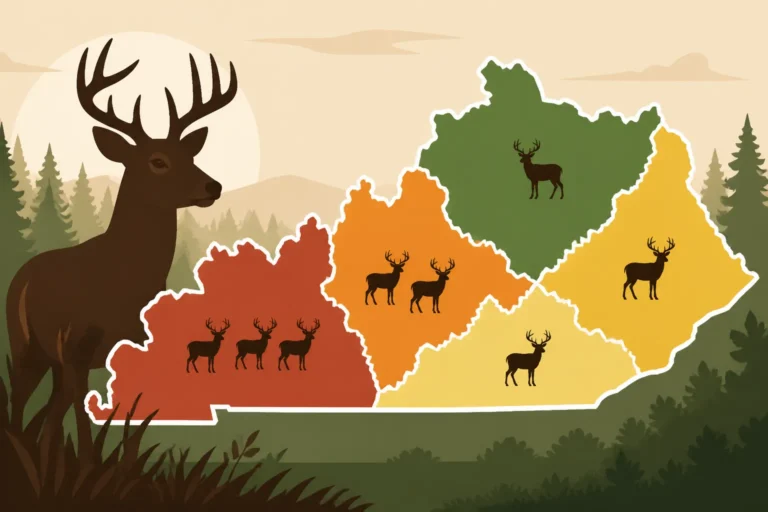
These restrictions often vary not just by state, but even by county or specific management zones within a state. In Kentucky, you might find different rules depending on which deer management zone your hunting spot falls into. This adds a layer of complexity for hunters who might pursue deer across different parts of the state. Knowing whether your specific hunting locale requires a buck to have four points on one side, or perhaps just three, is absolutely critical before you ever step foot into the woods. A quick check of the KDFWR regulations or a mapping resource like Scouting With the Kentucky Hunt Fish App can save you a lot of headache and potential legal trouble.
The Arguments For Antler Restrictions
The proponents of antler restrictions often point to several key benefits they believe these rules bring to Kentucky's deer herd and hunting culture. For many, it's about shifting the focus from simply harvesting a deer to pursuing a more mature, and often larger, animal.
Enhancing Buck Age Structure
One of the primary goals of antler restrictions is to allow more young bucks to survive past their first year or two. Without ARs, many yearling bucks – those 1.5 years old with small racks – are often harvested. By protecting these younger deer, the idea is that they have more time to grow, not just larger antlers, but also to contribute to the overall health and genetic diversity of the herd. This isn't just about "trophy" hunting; it's about creating a more balanced buck age structure. Instead of a herd dominated by yearling bucks, you start to see more 2.5, 3.5, and even 4.5-year-old bucks roaming the timber.
Think about a farmer who always harvests their corn too early. They get some yield, but it's not as robust or plentiful as it could be. By allowing those bucks to mature, you're essentially letting the "crop" reach its full potential. This allows them to pass on their genetics, participate in more breeding cycles, and simply become bigger, stronger deer. Hunters often consult resources like Kentucky Buck Age Structure to understand how these dynamics play out across different regions of the state and how ARs might influence them.
Improving Overall Herd Health
While sometimes debated, a common argument is that an improved buck age structure can lead to a healthier deer herd overall. When older, more mature bucks are present, the breeding season can become more intense and concentrated. This can reduce the breeding pressure on younger does, allowing them to allocate more energy to fawn rearing and improving fawn survival rates. A more natural buck-to-doe ratio can also lead to a more efficient rut, potentially reducing the spread of diseases by limiting prolonged interactions between stressed deer.
However, it's a delicate balance. Some argue that without adequate doe harvest, a herd can become overpopulated, leading to habitat degradation and increased disease risk, regardless of buck quality. This is where understanding Kentucky Deer Management Zone Rules becomes crucial, as KDFWR often uses these zones to set antlerless bag limits designed to complement ARs and maintain overall herd balance.
Increasing "Trophy" Potential
Let's be honest, many hunters dream of encountering a truly magnificent buck, one that represents years of growth and survival. Antler restrictions are undeniably popular with hunters seeking to increase their chances of seeing and harvesting such an animal. By reducing the harvest pressure on younger bucks, ARs effectively create a larger pool of older, more mature bucks. These older bucks naturally grow larger antlers, both in terms of mass and points, making them more appealing to hunters who prioritize antler size.
While not everyone hunts for a "trophy," the opportunity to pursue older, larger-antlered deer adds a layer of excitement and challenge for many. The anticipation of encountering a truly mature animal, knowing that the regulations have helped allow it to reach its potential, is a powerful draw. This is often why hunters use sophisticated tools or platforms, sometimes even those mentioned by hunting communities like GoHunt, to analyze regional harvest data and scout for areas known for producing older age-class bucks. The increased presence of these mature animals can significantly enhance the hunting experience, regardless of whether a shot is ever fired.
The Criticisms and Drawbacks of Antler Restrictions
While the arguments for ARs are compelling for many, they are far from universally loved. Many Kentucky hunters voice significant concerns and frustrations with these regulations, pointing to both practical difficulties and what they perceive as negative impacts on hunting traditions and overall enjoyment.
Hunter Frustration and Accidental Violations
Perhaps the most common complaint about antler restrictions revolves around the difficulty of accurately judging antler size in the field, especially under real-world hunting conditions. Deer move fast, cover is often thick, and lighting can be poor. Trying to count points or gauge spread on a buck at dawn or dusk, through brush, or when your heart is pounding, is incredibly challenging. Many hunters have stories of passing on a buck, only to later regret it, or worse, making a shot only to realize the deer didn't meet the legal requirement, leading to an illegal harvest.
This isn't just a minor inconvenience; it's a source of immense stress and can deter hunters, particularly new or younger ones, from participating. The fear of making an honest mistake and facing a hefty fine or losing hunting privileges can take the enjoyment out of the hunt. It shifts the focus from ethical hunting and woodsmanship to a complex math problem under pressure. Many seasoned hunters feel that KDFWR has placed an undue burden on individuals to make split-second decisions with significant legal consequences. Understanding Kentucky Hunter Education Requirements is one thing, but field-judging under stress is an entirely different skill set that takes years to develop.
Perceived Impact on Doe Management
Another significant criticism is the belief that antler restrictions inadvertently shift hunter focus away from doe harvest, which is often crucial for managing overall herd numbers and maintaining a healthy Kentucky Deer Population Estimate. If hunters are solely focused on finding a legal buck, they may pass on opportunities to harvest antlerless deer, even when doe numbers are high and harvest is encouraged or needed. This can lead to localized overpopulation, habitat damage, and increased instances of deer-vehicle collisions.
In some areas, high doe populations can also put pressure on food sources, potentially affecting the health of the entire herd, including the bucks that ARs are meant to protect. It creates a situation where hunters are asked to do two things at once: pass young bucks for future growth, but also harvest enough does to keep the herd in check. For hunters on smaller properties or those with limited time, finding both a "legal" buck and filling a doe tag can feel like an impossible task. This often sparks debate on forums and among hunting clubs about the true long-term impact on herd balance.
Limiting Hunting Opportunities and Experience
For some hunters, especially those who prioritize venison for the freezer or simply enjoy the thrill of the chase, antler restrictions can feel overly restrictive and limit their hunting opportunities. The "one-size-fits-all" approach of some ARs doesn't always account for regional differences in deer quality or hunting traditions. A hunter who might be perfectly happy taking a young, legal buck for meat suddenly finds themselves empty-handed after passing dozens of deer that don't meet the arbitrary antler criteria.
This can be particularly frustrating on public lands, where competition is high and finding any legal deer can be a challenge. Hunting Pressure on Kentucky Public Land means that opportunities can be scarce, and being forced to pass a legal-to-harvest, healthy young buck because it doesn't meet an antler minimum feels counterproductive to some. For many, hunting is about the experience, the time outdoors, and putting food on the table, not solely about the size of a deer's antlers. The debate often pits those who seek "quality" deer against those who prioritize "quantity" of opportunity or meat.
The Ongoing Debate and Hunter Perspectives
The discussion around Kentucky's deer antler restrictions is far from settled, and it highlights a fascinating divergence in hunter priorities and philosophies. It's a topic that touches on everything from wildlife biology and management principles to personal ethics and hunting heritage.
Different Management Philosophies
At the core of the debate are differing philosophies on wildlife management. One side emphasizes the long-term benefits of promoting an older age class of bucks, believing it leads to healthier, more robust deer populations and a higher quality hunting experience. This perspective often aligns with quality deer management (QDM) principles, which advocate for balanced sex ratios, age structure diversity, and habitat improvements. They see ARs as a vital tool in achieving these goals, pointing to areas where such regulations have demonstrably improved herd demographics and hunter satisfaction over time.
On the other hand, many hunters adhere to a more traditional "any legal buck" approach, arguing that nature, not regulation, should dictate the age structure of the herd. They believe that deer populations are resilient and that over-regulation can stifle hunting participation and alienate new hunters. These individuals often focus on the fundamental role of hunting as a means of population control and food procurement, viewing antler size as secondary to the opportunity to participate and harvest. This perspective often raises questions about the definition of "quality hunting" and whether it should be solely tied to antler size.
Hunter Segmentation and Goals
It's clear that not all Kentucky hunters share the same goals. You have some individuals who are passionate about managing for "trophy" bucks, dedicating significant time and resources to scouting, habitat improvement, and passing young deer. For them, ARs are a welcome tool that supports their personal hunting objectives. They often use advanced data available through state reports or even through platforms like GoHunt to target specific regions known for producing bigger deer, understanding that ARs play a role in that success.
Then you have hunters, perhaps those with young families or limited time off, whose priority is simply putting venison in the freezer. They may not have the luxury of passing multiple deer in search of a specific antler characteristic. For them, ARs can feel like an obstacle, forcing them to spend more time afield without success, or worse, risking a violation. And let's not forget the landowners or farmers who view deer primarily as a management issue, needing to control numbers to prevent crop damage, where any legal harvest, buck or doe, is a win. The varying perspectives make a consensus incredibly difficult to achieve.
The Role of KDFWR in Balancing Interests
The KDFWR faces the unenviable task of balancing these diverse interests while also ensuring the long-term health and sustainability of Kentucky's deer herd. They regularly review harvest data, population surveys, and hunter feedback to make informed decisions about regulations. While they consider scientific data on herd dynamics, they also must navigate the social and economic impacts of their decisions on the hunting community.
Decisions to implement, modify, or remove antler restrictions are rarely made lightly and are often met with strong opinions from all sides. Understanding the Kentucky Deer Harvest Records and comparing them to previous years, both with and without ARs, is a key part of their evaluation process. Ultimately, the debate over antler restrictions in Kentucky is a microcosm of the larger challenges facing wildlife management: how do we best manage a shared resource to meet diverse human desires while ensuring ecological health? It's a conversation that will undoubtedly continue around those Kentucky campfires for many years to come.
Navigating Antler Restrictions as a Kentucky Hunter
For any hunter, veteran or newcomer, understanding and adapting to Kentucky's antler restrictions is non-negotiable. Whether you agree with them or not, they are the law, and adherence is paramount.
Education and Preparation are Key
Before you ever leave the house, make sure you know the specific antler restrictions for the county or management zone you'll be hunting. The KDFWR hunting guide is your best friend, and many state websites offer interactive maps. Don't rely on word-of-mouth. Print out the relevant regulations or save them to your phone. It's also helpful to look at general information like Kentucky Deer Herd Size to understand population trends in your target area.
Practice field judging. This isn't just about counting points, but quickly assessing overall antler size, spread, and mass. Look at photos of yearling bucks versus 2.5-year-olds with different antler configurations. If you hunt with others, practice judging together. Some hunters even carry a small, cut-out template of a deer's head, scaled to the legal spread requirement, to help visualize what a legal buck looks like at distance. The more familiar you are with the various antler configurations, the more confident you'll be in the field.
Equipment and Strategy Considerations
Your gear can play a significant role in your ability to make an accurate judgment call. Good quality binoculars or a spotting scope are invaluable for identifying points in low light or thick cover. A rangefinder can help you gauge distance, which can sometimes aid in judging relative size. Remember that the legal definitions are very specific; a "point" usually has to be a certain length (often 1 inch) and not just a nub.
When hunting in areas with strict antler restrictions, your strategy might need to adapt. You might choose to set up in more open areas where visibility is better, or focus on stands that offer closer shots to allow for clearer observation. For example, Hunting a Funnel Between Two Hollows can put deer closer to you, giving you more time to evaluate. Patience becomes even more of a virtue, as passing multiple smaller bucks might be necessary before a legal one presents itself. If you're focused on filling the freezer, consider dedicating time to antlerless deer seasons or using your Kentucky Deer Permit Cost for a bonus tag in certain zones to ensure you take home meat, even if you don't connect with a legal buck.
Supporting Hunter Recruitment and Retention
Regardless of your personal stance on ARs, it's important to remember that they can be a barrier for new hunters. If you're bringing a first-timer out, perhaps during Hunting the Kentucky Youth Firearms Season, focus on the overall experience, the joy of being outdoors, and the fundamentals of ethical hunting. Don't let the pressure of antler restrictions overshadow their initial experiences. Educate them patiently on the rules and help them understand the importance of making responsible decisions.
The goal of hunting should always be sustainable wildlife management and fostering a love for the outdoors. Open and respectful dialogue about ARs, rather than heated arguments, helps to bridge the divides within the hunting community. By sharing knowledge and experiences, we can all contribute to a more informed and unified approach to Kentucky's rich hunting heritage.
Understanding the "Why" Behind the Rules
When considering antler restrictions, it's helpful to understand the context of Kentucky's deer herd history. Decades ago, deer populations in many parts of the state were struggling. Through concerted conservation efforts, including restocking and habitat improvements, the herd has rebounded dramatically. Today, Kentucky Deer Population Estimates are robust, and Kentucky is known for its healthy deer numbers and impressive buck quality in many areas.
The implementation of antler restrictions often stems from a desire to maintain or enhance this success, particularly in the realm of buck quality. Managers look at data like Kentucky Annual Deer Harvest reports and buck-to-doe ratios to make decisions. While it's easy to get frustrated by specific rules, knowing that they are part of a larger, long-term management strategy, aimed at benefiting the entire deer herd and providing quality hunting opportunities for future generations, can sometimes temper that frustration. Ultimately, it’s about finding the right balance for Kentucky’s unique landscapes and its passionate hunting community.
| Aspect | Without Antler Restrictions | With Antler Restrictions |
|---|---|---|
| Buck Age Structure | Younger average age, more yearling bucks | Older average age, more mature bucks |
| Antler Size | Generally smaller average antler size | Generally larger average antler size |
| Hunter Opportunity | More bucks technically "legal" to harvest | Fewer bucks legally harvestable at first |
| Field Judging | Simpler, any visible antler is legal | More complex, requires precise judging |
| Doe Harvest Focus | Less direct impact on doe harvest focus | May inadvertently shift focus from does |
| Hunter Satisfaction | Varies; some prefer simpler rules, more shots | Varies; some prefer larger bucks, more challenge |
Disclaimer
This article is for general informational purposes only and does not constitute professional advice. Laws, prices and regulations vary by location and change over time. Consult a qualified professional for guidance on your specific situation.