Bow and Crossbow Setups for Kentucky
Kentucky bow and crossbow setups for hunting deer, turkeys, bears, and elk across eastern mountains and western river bottoms.
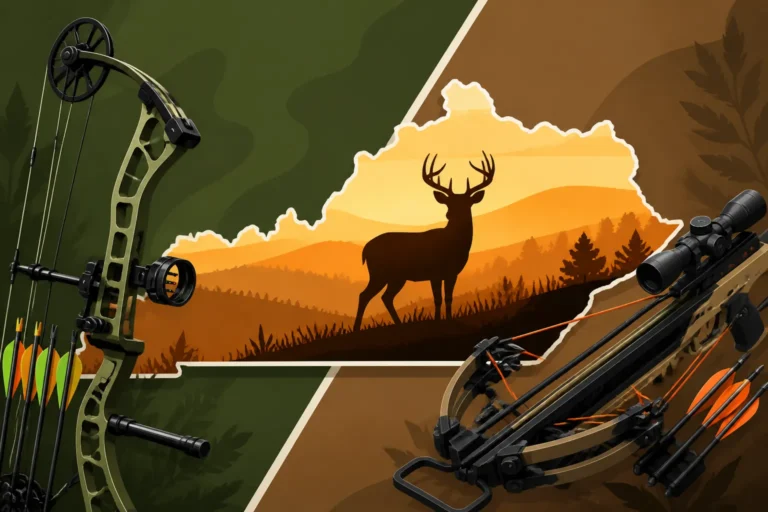
Kentucky bow and crossbow setups for hunting deer, turkeys, bears, and elk across eastern mountains and western river bottoms.
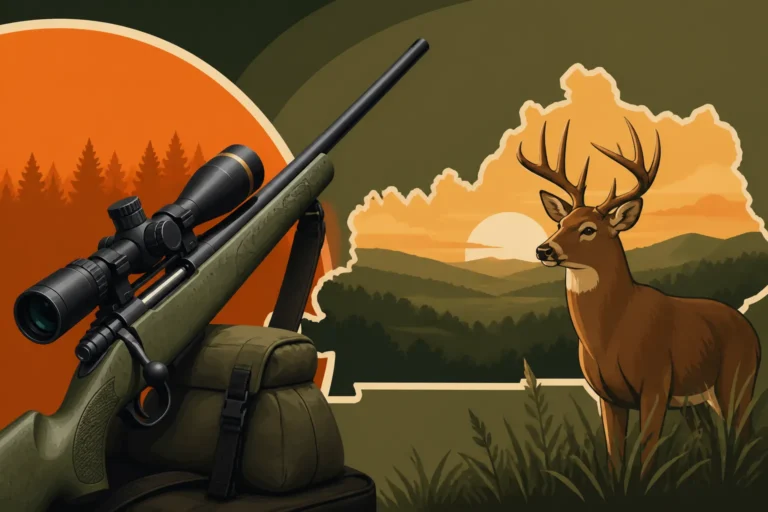
Rifle setups for Kentucky deer hunting vary by region, matching calibers and optics to eastern ridges and western farmlands.
Daniel Boone National Forest hunting details include 700,000 acres, 21 counties, steep terrain, ridges, and water corridors.
Kentucky public hunting land locations, Wildlife Management Areas, and Daniel Boone National Forest access rules explained clearly.
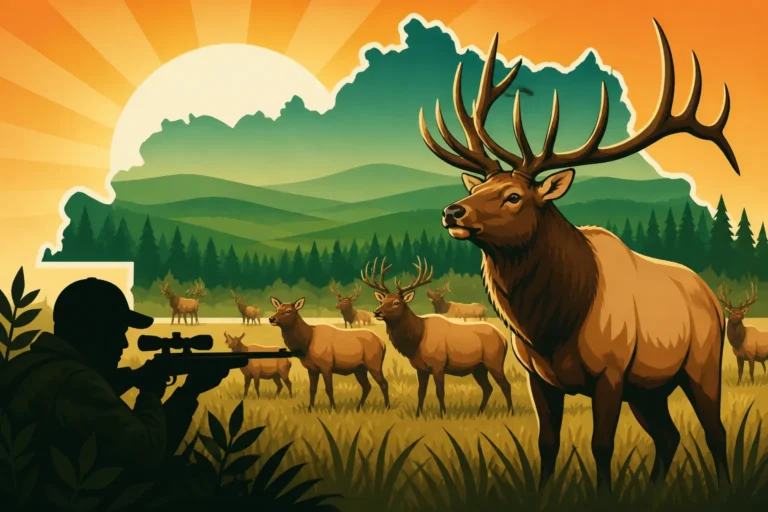
Kentucky supports the largest wild elk herd east of the Mississippi River following a restoration project that began in December 1997.
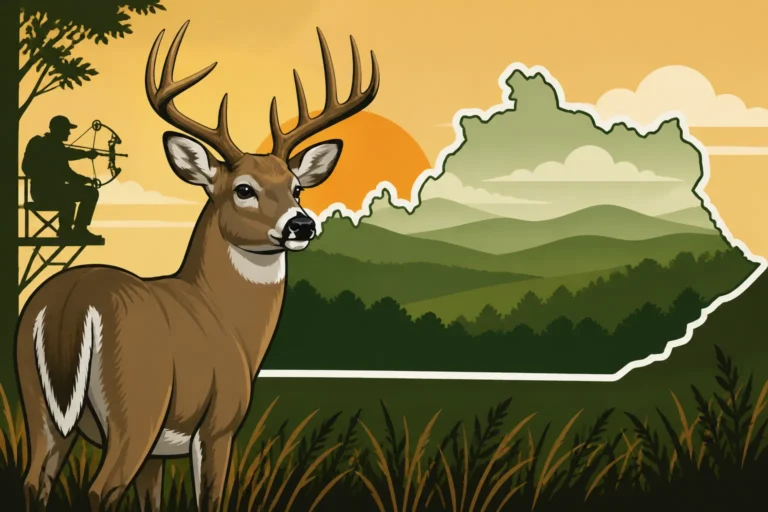
Kentucky white-tailed deer populations, regional densities, herd health, and management efforts by the KDFWR are detailed here.
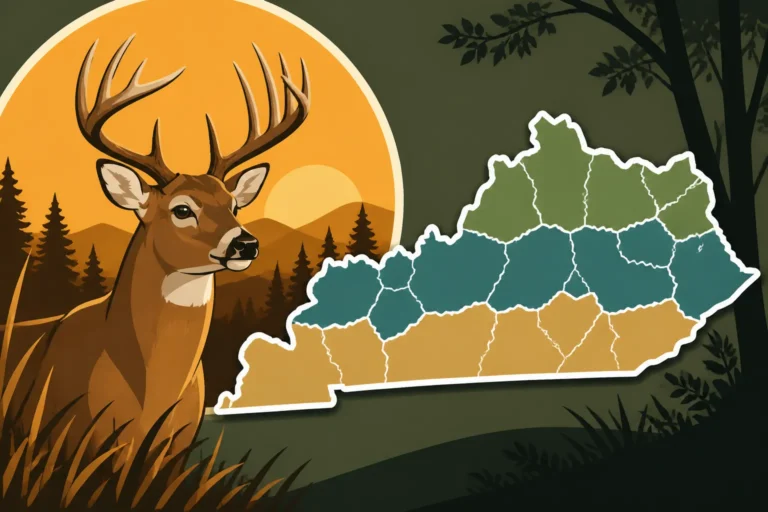
Kentucky deer season structures, weapon types, zone regulations, and herd management practices explained by the Department of Fish and Wildlife Resources.
Kentucky hunting licenses, permits, and associated costs managed by the department fund wildlife conservation and management efforts.
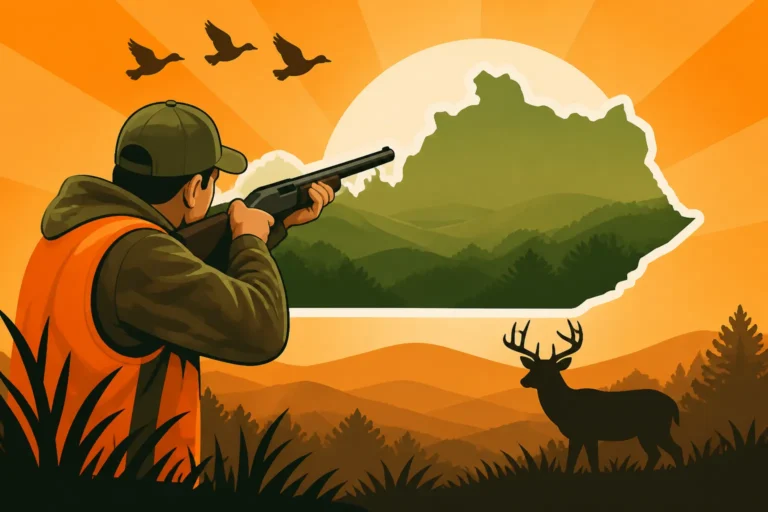
Kentucky modern gun deer season dates, statewide uniformity, and regulations explained for hunters planning their hunts.

Kentucky bowhunting regulations, deer management zones, and late-season tactics explain how to hunt from September through January.

Binocular harnesses protect expensive optics from rugged Kentucky terrain and enable quick deployment during deer hunts.

Remote wilderness medical kits help hunters treat deep cuts, sprains, and injuries miles from help in the national forest.

Quality headlamps provide Kentucky hunters hands-free lighting to navigate treacherous terrain and track blood trails safely after dark.
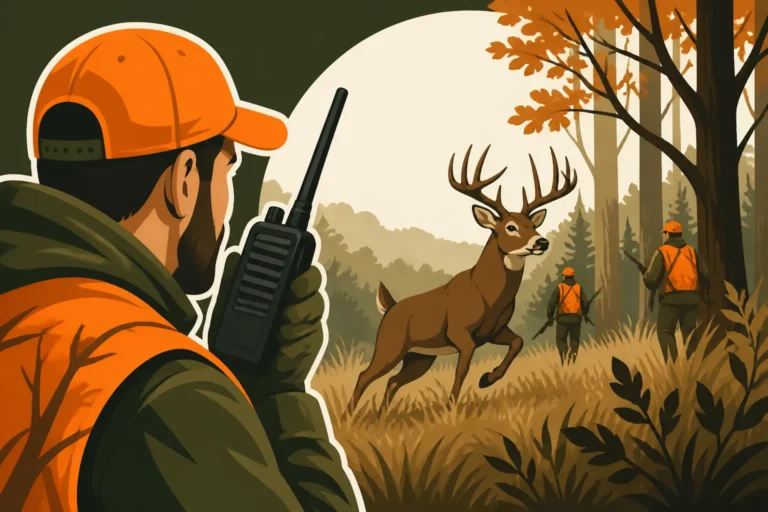
Two-way radios improve safety and coordination for hunters managing rugged terrain during a Kentucky deer drive.
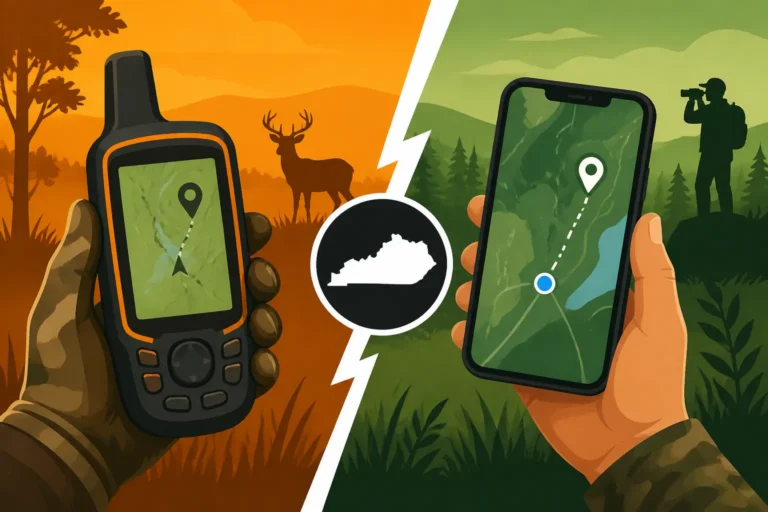
Dedicated GPS units and smartphone apps compared for hunting navigation across the Daniel Boone National Forest.
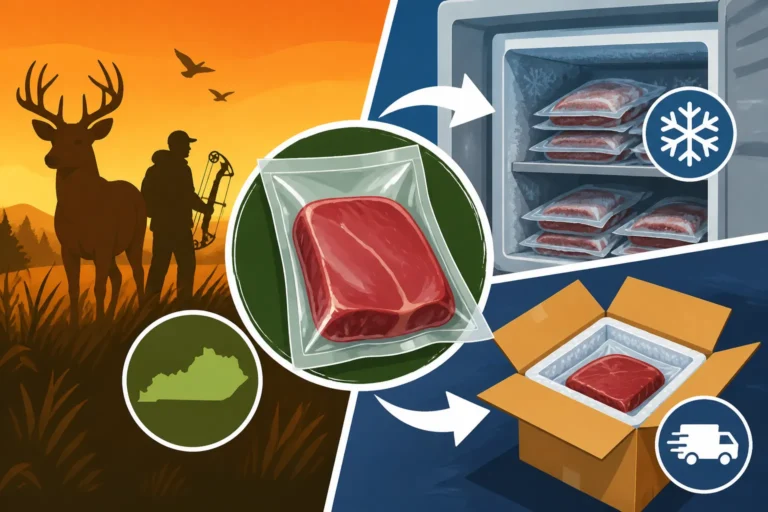
Freezing and shipping game meat methods explain field care, rapid cooling, and butchering steps for wild venison.
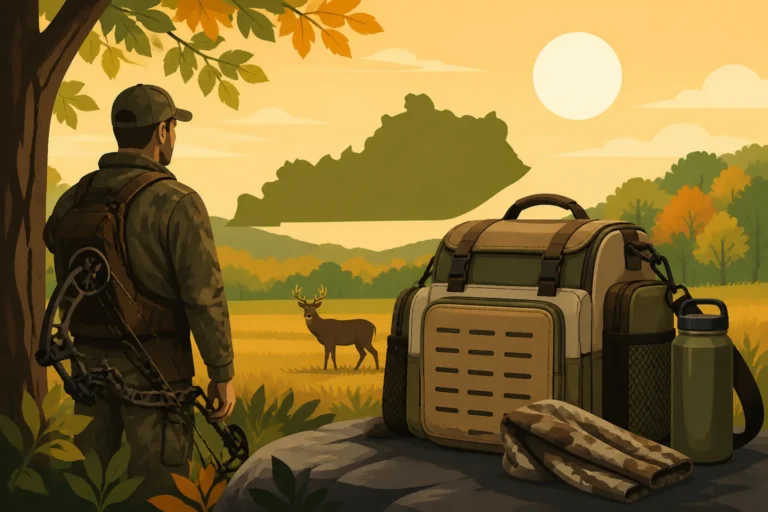
Game bags protect Kentucky venison from bacteria and flies during warm September archery hunts when temperatures reach the seventies.
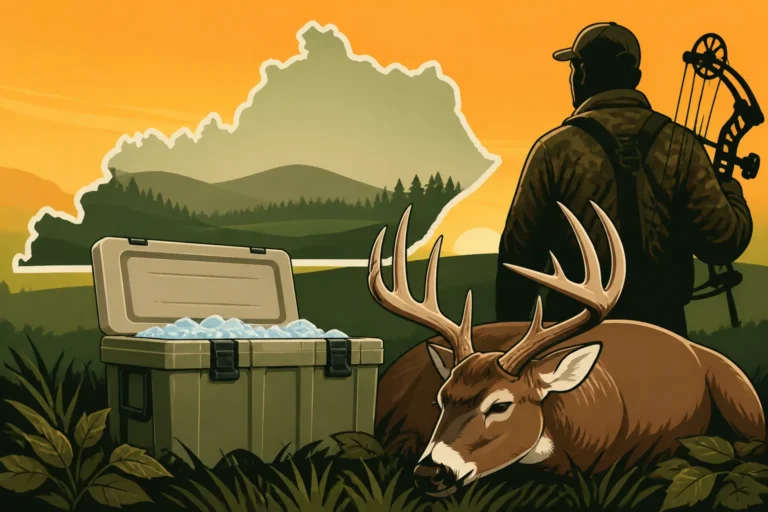
Coolers for early archery deer kills prevent warm weather meat spoilage during Kentucky September and October hunts.
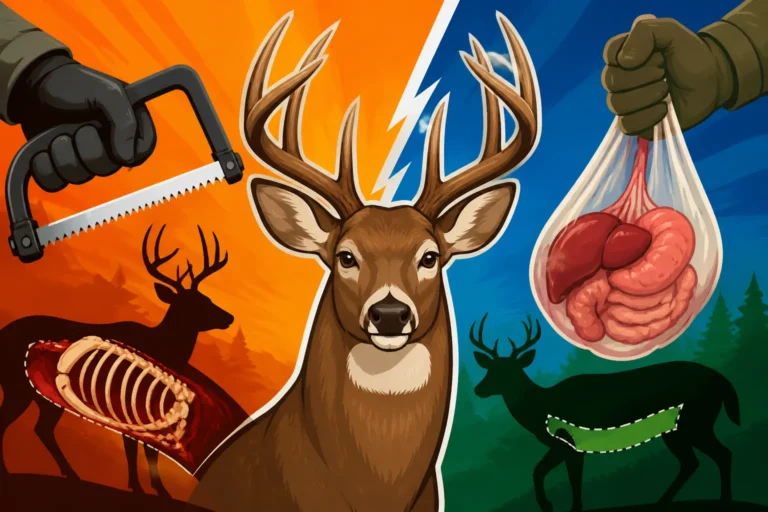
Traditional bone saws and the gutless method offer Kentucky hunters two distinct ways to process deer in the field.
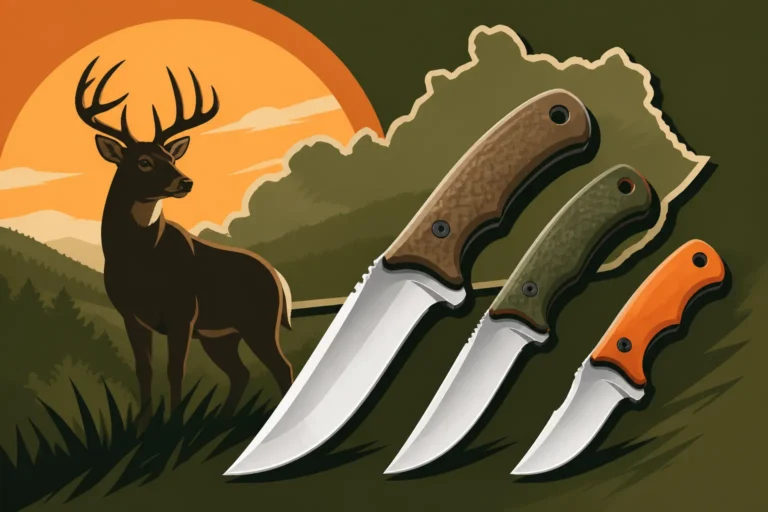
Field dressing knives for Kentucky hunting include fixed blade and folding models that ensure clean meat processing.