First Aid Kits for Remote Daniel Boone Forest Ground
There's nothing quite like the solitude and challenge of hunting the deep woods of Kentucky, especially within the vast expanse of the Daniel Boone National Forest. But that rugged beauty often comes with a significant trade-off: what happens if you have an accident miles from the nearest road, with no cell service and hours from medical help? This guide isn't about scaring you; it's about empowering you to prepare a comprehensive first aid kit specifically tailored for the remote and demanding environment of the Daniel Boone National Forest, ensuring you're ready for everything from a minor scrape to a major emergency.
The Unique Challenges of Remote Hunting in Daniel Boone National Forest
Hunting in the Daniel Boone National Forest isn't like walking a groomed trail in a state park. This is real backcountry, with all the inherent risks and rewards. Understanding these unique challenges is the first step in truly preparing yourself.
Distances and Terrain
The sheer scale of the Daniel Boone National Forest means you could find yourself miles from any paved road, fire break, or even a well-maintained logging path. The terrain itself is relentlessly unforgiving, characterized by steep, often slick, ridge lines, deep hollows, thick rhododendron thickets, and countless creek crossings. A minor sprain that might be a nuisance in town could become a critical mobility issue when you're facing a multi-mile hike out over rocky, uneven ground. Getting to Where Daniel Boone Forest Bucks Bed often means pushing deep into this challenging landscape.
Think about a twisted ankle on a remote eastern Kentucky ridge. What might be a quick trip to urgent care if it happened closer to home suddenly involves hours of hobbling, dragging, or even attempting self-rescue. Emergency services, even if they can be contacted, face significant challenges accessing these areas. They might be able to get a UTV or ATV part of the way, but often the final leg of a rescue is on foot, carrying heavy gear, which takes time, especially after dark or in inclement weather. Every step you take away from accessible points adds a layer of complexity and time to any potential rescue. This isn't to deter you from enjoying the deep woods, but to emphasize that self-reliance is paramount.
Limited Communication
One of the biggest frustrations and hazards of hunting in much of the Daniel Boone National Forest is the notorious lack of reliable cell service. You might get a bar or two on a high ridge, but drop into a hollow or creek bottom, and you're almost certainly cut off. This means that in an emergency, your primary means of calling for help might be completely unavailable. Relying solely on your smartphone for communication is a gamble that experienced backcountry hunters simply won't take.
This communication void isn't just about calling 911; it's also about staying in touch with your hunting partners or family who might be waiting at home. If you're hunting alone, or even with a partner who gets separated, that lack of communication can quickly escalate anxiety and delay critical response times. You need to assume that when you step into the DBNF, you are effectively off-grid until you return to a known service area or use specialized equipment. Planning for this limitation is as important as packing water. It also highlights why tools like GPS Units Versus Phone Apps are so critical, as they can function without cell service, providing vital location information for rescue efforts.
Common Hunting Injuries in the Backcountry
While the dramatic, life-threatening injuries get a lot of attention, many backcountry incidents start small. A slipped knife, a misplaced step, or a sudden change in weather can all lead to problems that become serious in a remote setting. Common injuries you might encounter include deep cuts or lacerations from field dressing, sharp branches, or even falling on exposed rock. Blisters, chafing, and general foot soreness are nearly guaranteed on long walks, and if not addressed, can quickly incapacitate you.
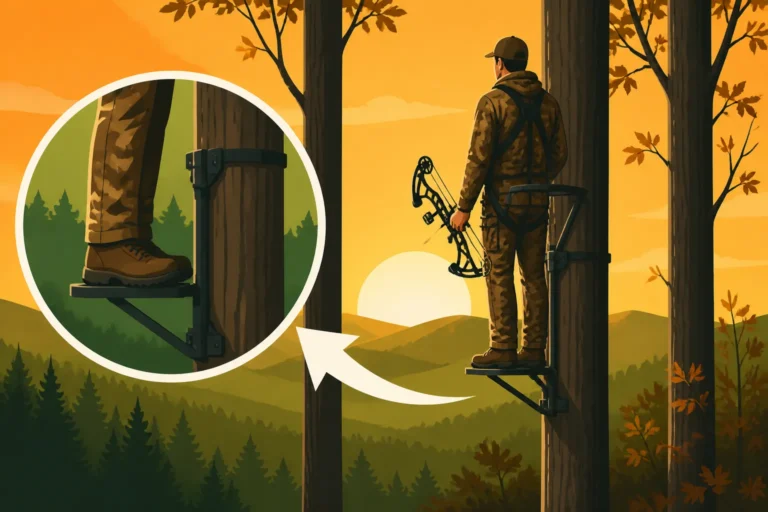
Beyond these, sprains and strains are incredibly common, particularly ankle and knee injuries from navigating uneven terrain or falling from a Treestand Setups in Daniel Boone National Forest. Less common but more severe are fractures, which could occur from a fall. Environmental factors also play a huge role. Hypothermia or frostbite can set in rapidly if you get wet in cold weather and can't generate enough warmth. Dehydration is a constant threat, especially during early season hunts when temperatures are still high. Insect bites, allergic reactions to plants like poison ivy, or even encounters with venomous snakes are also possibilities that need to be considered in your preparedness plan.
Building Your Essential Backcountry First Aid Kit
Putting together a first aid kit isn't just about throwing a few band-aids into a pouch. It's about a thoughtful assembly of items that can address the specific types of injuries and conditions you're likely to face far from help. When assembling your kit, think about immediate needs and then what it would take to stabilize someone for a potentially long wait or self-evacuation.
Wound Care Essentials
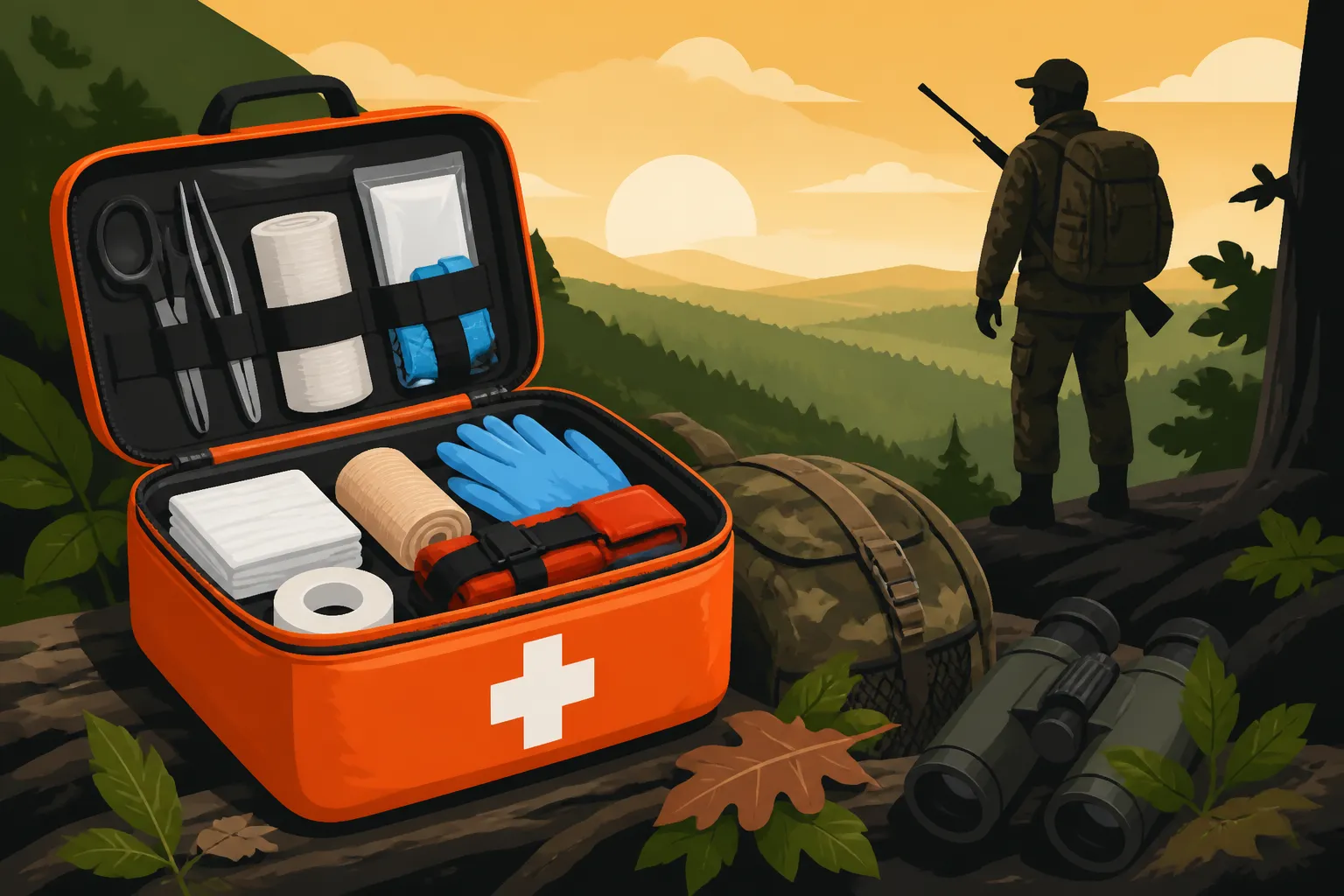
No matter how careful you are, cuts, scrapes, and punctures are almost inevitable when hunting in rugged terrain or handling game. Your kit needs to be equipped to handle these effectively. Start with several sizes of adhesive bandages, from small finger strips to larger patches for knees or elbows. More importantly, include sterile gauze pads in various sizes (2×2, 4×4, 5×9 trauma pads) to cover larger wounds and absorb blood. Medical tape is crucial for securing these dressings, and a roll of athletic tape can serve multiple purposes, from securing gauze to improvising a splint.
For cleaning wounds, antiseptic wipes (like BZK wipes) are far more convenient and effective than a tiny bottle of liquid antiseptic that might spill. A small bottle of saline solution or even just clean drinking water can be used to flush dirt and debris from deeper wounds. Don't forget a pair of sterile gloves to protect yourself and the injured person from infection. Finally, consider a small tube of antibiotic ointment to apply after cleaning, helping to prevent infection during the journey out. You'll want to think about having enough supplies to change dressings daily if necessary until you can get proper medical attention.
Pain Management and Infection Prevention
Hunting can be hard on the body, and injuries can bring significant pain, making an already tough situation even worse. Over-the-counter pain relievers are a must-have. Pack a generous supply of ibuprofen (anti-inflammatory) and acetaminophen (pain relief, fever reducer). These can help manage pain from sprains, muscle aches, headaches, or minor injuries, allowing you or your partner to continue moving or at least rest more comfortably.
For infection prevention, besides the antibiotic ointment mentioned for wound care, if you have a prescription for a broad-spectrum antibiotic, discuss with your doctor whether it's appropriate to carry a short course for emergencies. This is a personal decision and should always be made in consultation with a medical professional. Beyond antibiotics, anti-diarrheal medication, antihistamines for allergic reactions (insect bites, plant exposure), and antacids for stomach upset can make a world of difference in your comfort and ability to continue. Carry enough for several days, especially if you're on an extended trip, and always keep them in their original packaging with dosage instructions.
Sprains, Fractures, and Mobility Aids
Twisting an ankle or knee is one of the most common hunting injuries, and in the DBNF, it can quickly turn a fun day into a nightmare. Being prepared to stabilize these injuries is critical. Elastic bandages (like ACE wraps) in various widths are indispensable for compressing and supporting sprains. They can also be used to secure improvised splints. For potential fractures, a SAM splint (or similar moldable splint) is lightweight, versatile, and easy to apply to almost any limb. They roll up small but can be shaped to immobilize a broken arm, leg, or even fingers.
Don't underestimate the utility of simple athletic tape. It can be used for buddy-taping fingers or toes, securing gauze, or reinforcing an ankle wrap. While not a "mobility aid" in the traditional sense, having a sturdy hiking pole or even being able to fashion a makeshift crutch from a fallen branch can significantly improve mobility and reduce pain if you have to walk out on an injured leg. Always remember the R.I.C.E. principle (Rest, Ice, Compression, Elevation) – even if "ice" is just a cold stream or a cold pack from your kit, applying these principles promptly can reduce swelling and pain, buying you valuable time.
Personal Medications and Allergies
Your first aid kit isn't just a generic collection of supplies; it's deeply personal. If you or any of your hunting partners have specific medical conditions, their prescribed medications are the absolute highest priority. This includes medications for heart conditions, diabetes, asthma (inhalers), severe allergies (EpiPens), or anything else that, if missed, could lead to a critical health crisis. Always carry more than enough for the duration of your trip, plus a few extra days' supply, in case you're delayed in the backcountry.
For allergies, beyond prescription EpiPens, a strong antihistamine like diphenhydramine (Benadryl) can be crucial for managing less severe reactions to insect stings, snake bites, or plant exposure. If you have known severe allergies, wearing a medical alert bracelet or carrying a note detailing your condition and necessary medications is a smart practice. Remember, in a remote setting, no one else will know your medical history unless you tell them or have it clearly documented. This personalized approach to your kit can literally be a lifesaver.
Beyond the Basics: Advanced Considerations for DBNF
While a solid basic kit will cover most minor incidents, the remote nature of the Daniel Boone National Forest often calls for a more robust, "what if" approach to preparedness. Thinking through worst-case scenarios and having the right gear can make all the difference.
Trauma Supplies for Serious Incidents
Serious trauma, while less common, can occur rapidly and require immediate, life-saving interventions. A severe fall, a broadhead injury, or an accidental gunshot wound demands specialized gear. Every backcountry kit should ideally include at least one tourniquet (like a CAT or SOF-T Wide) and knowledge of how to properly apply it to stop severe arterial bleeding. This is a game-changer for limb injuries where blood loss can be rapid and fatal.
Beyond tourniquets, consider a hemostatic gauze, which is impregnated with a clotting agent and can be packed into deep, non-compressible wounds. For penetrating chest injuries, a chest seal (or two, to cover both entry and exit wounds) can prevent a tension pneumothorax, a life-threatening lung collapse. These items aren't for the faint of heart, but they are relatively compact and can buy critical time for someone experiencing major trauma. Familiarize yourself with their use before you ever head into the woods; a high-stress emergency is not the time for a first lesson. This level of preparedness is where dedicated outdoor enthusiasts, perhaps those who also engage in other high-risk activities, really shine. You'll find many specialty retailers, and even general outdoor brands like GoHunt, offer compact trauma kits designed for backcountry use.
Communication Devices for Off-Grid Areas
As we touched on earlier, relying on cell service in the DBNF is often a fool's errand. For truly remote hunting, an alternative communication device is a non-negotiable piece of gear. A satellite messenger (like those from Garmin or Zoleo) allows you to send and receive text messages, share your location, and, most importantly, activate an SOS function that alerts a 24/7 monitoring center, who can then dispatch emergency services to your exact GPS coordinates. This is a powerful tool for peace of mind and critical for summoning help when you're truly isolated.
A Personal Locator Beacon (PLB) is another excellent option. These devices typically only have one function: to send out a distress signal with your location via satellite to search and rescue authorities. They don't offer two-way communication but are incredibly reliable for emergency signaling. Some hunters also carry two-way radios, which can be useful for communicating with hunting partners who might be a mile or two away, but they have range limitations and won't help you contact outside help from deep in the wilderness. When you're scouting with the Scouting With the Kentucky Hunt Fish App or onX, always note potential high ground for signal, but don't count on it.
Emergency Shelter and Survival Gear
An injury can quickly turn a day hunt into an unplanned overnight stay, especially if mobility is compromised or you're deep in the forest. Being forced to Camping Rules on Daniel Boone Forest Land unexpectedly means you need to be prepared for exposure. A lightweight emergency blanket (mylar space blanket) or a bivy sack is crucial for retaining body heat and protecting against wind and rain. Even better, a compact tarp or a dedicated emergency shelter tube can provide more substantial protection.
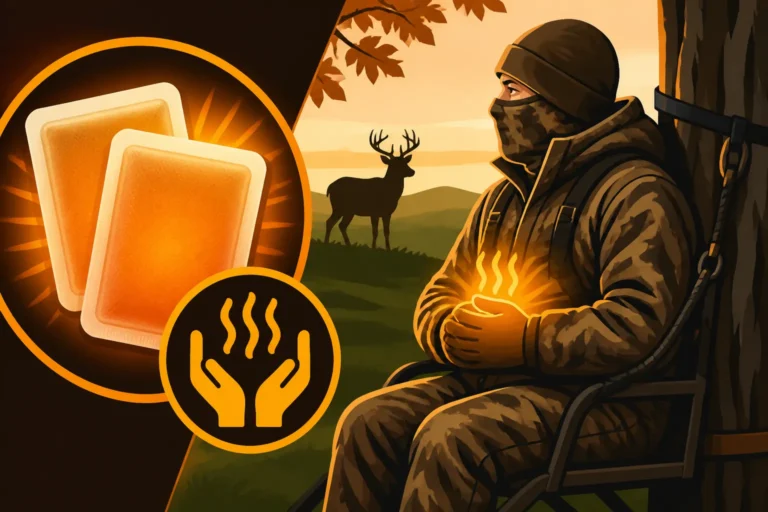
Beyond shelter, consider other survival essentials. A reliable fire starter (waterproof matches, lighter, ferro rod) can create warmth, dry clothes, signal for help, and boil water for purification. A headlamp with extra batteries is non-negotiable, not just for hiking out after dark, but for administering first aid or setting up an emergency camp. A small water filter or purification tablets can prevent dehydration and waterborne illnesses if you're stuck longer than expected. Even something as simple as carrying Hand Warmers That Last a Full Sit can be a game-changer for morale and preventing frostbite in cold, wet conditions if you're forced to hunker down. These items should be carried in your Packs for a Daniel Boone Forest Day Hunt at all times.
Packing, Placement, and Practice
Having the right gear is only half the battle. Knowing how to access it quickly, keeping it organized, and routinely checking its readiness are just as crucial for effective backcountry first aid.
Organizing Your Kit for Quick Access
Imagine fumbling through a disorganized pack in a stressful, low-light emergency with shaking hands. It's not a pretty picture, and it wastes precious time. Your first aid kit needs to be meticulously organized. Use small, clear, zip-top bags or dedicated mesh pouches within your main kit to group similar items. For instance, all wound care supplies in one bag, pain relievers and medications in another, and splinting materials in a third. Label these bags clearly, perhaps even color-coding them.
The exterior of your first aid kit should be easily identifiable—bright red or orange is common—and ideally have a prominent cross symbol. When you need it, you need to find it instantly. Think about making a laminated card with a quick reference guide for common treatments (e.g., how to treat a sprain, stop bleeding, recognize hypothermia) and emergency contact numbers. This organization isn't just for you; it's also helpful if someone else needs to access and use your kit to help you.
Where to Carry Your First Aid Kit
The "best" place to carry your first aid kit depends on its size and your hunting style, but the golden rule is: it must be accessible. For a minimal, personal kit (like what GoHunt might suggest for light day trips), consider carrying it directly on your person, perhaps in a large pocket of your hunting jacket or in a hip pouch. This ensures it's always with you, even if you shed your main pack for a stalk.
For a more comprehensive, backcountry-ready kit, it should be in an easily reachable outer pocket of your main pack, not buried at the bottom under layers, food, or extra gear. Some hunters choose to carry a smaller, "grab-and-go" kit on their person for immediate needs and a larger, more comprehensive kit in their pack. If you're hunting with a partner, it's a good idea for at least one person to carry a complete kit, and ideally, both should have at least basic supplies. Remember that if you fall or have an accident, your pack might be just out of reach, so a small personal kit is vital.
Regular Inventory and Training
A first aid kit is only as good as its contents, and those contents have expiration dates. Make it a habit to do a full inventory of your kit at least once a year, or before any major hunting trip into remote areas. Check all medications for expiration dates and replace them if needed. Inspect bandages and tapes to ensure the adhesive is still good and the packaging is intact. Replace any items that have been used, even if it was just a single band-aid.
Beyond the physical inventory, your most important tool is knowledge. Take a wilderness first aid course, or at the very least, review basic first aid principles. Learn how to apply a tourniquet properly, how to splint a limb, how to manage hypothermia, and how to perform CPR. Knowing how to use what's in your kit is far more valuable than simply owning the gear. Consider practicing with your gear, even if it feels silly. Set up a mock splint on a family member or practice applying a tourniquet to your own leg. This hands-on experience will build confidence and make you more effective if a real emergency arises in the Hunting Eastern Kentucky Coalfield Country. Remember, Kentucky Hunter Education Requirements cover basic safety, but wilderness first aid takes it to the next level.
Basic vs. Advanced Backcountry First Aid Kit Components
Here's a quick comparison of what you might consider for a basic day-hunt kit versus a more robust, multi-day backcountry kit for the deep Daniel Boone National Forest.
| Component | Basic Day-Hunt Kit (e.g., a few miles from road) | Advanced Backcountry Kit (e.g., deep DBNF, multi-day) |
|---|---|---|
| Wound Care | Assorted bandages, small gauze pads, antiseptic wipes, medical tape, gloves | All basic, plus trauma pads (5×9), hemostatic gauze, irrigation syringe, skin closure strips, tweezers |
| Pain & Medication | Ibuprofen, acetaminophen, antihistamine, anti-diarrheal | All basic, plus stronger pain relief (if prescribed), broad-spectrum antibiotic (if prescribed), antacids |
| Sprains/Fractures | Elastic bandage (ACE wrap), athletic tape | All basic, plus SAM splint, larger elastic bandages, triangular bandages, blister kit |
| Trauma Specific | N/A | Tourniquet, chest seal(s), larger trauma shears, surgical gloves |
| Personal Meds | Essential personal meds for one day | Essential personal meds for trip duration + extra, EpiPen (if needed) |
| Communication | Fully charged phone (recognizing limits), written emergency contacts | Satellite messenger/PLB, fully charged phone, external battery pack |
| Survival/Shelter | Emergency blanket | Emergency bivy sack or lightweight tarp, fire starter, water filter/purification, headlamp, signaling mirror |
| Tools | Small knife or multi-tool | Multi-tool with scissors, dedicated trauma shears, small fixed-blade knife |
This table isn't exhaustive, but it provides a framework. Adjust it based on your specific trip, hunting partners, and personal medical needs. Even if you're just heading out for a day, remember that a short trip can quickly become an extended stay if something goes wrong, particularly when hunting Finding Sign in Big Daniel Boone Timber in areas far from any access roads. Don't forget that wearing visible colors, like those described in Blaze Orange Jackets Versus Vests, is another crucial layer of safety, especially when hunting with others.
Disclaimer
This article is for general informational purposes only and does not constitute professional advice. Laws, prices and regulations vary by location and change over time. Consult a qualified professional for guidance on your specific situation.