Blaze Orange Jackets Versus Vests
It's that time of year again, when you're digging through your hunting gear, and inevitably, you pull out your blaze orange, wondering, "Is this enough? Should I wear a jacket or just a vest?" We've all been there, squinting at the weather forecast, trying to anticipate everything from a crisp morning to a midday warm-up, all while staying safe and legal. This guide is here to cut through that confusion, helping you understand Kentucky's hunter orange requirements and confidently choose between a blaze orange jacket or a vest for your next hunt.
Understanding Kentucky's Blaze Orange Requirements
Before we dive into the pros and cons of jackets versus vests, it's absolutely crucial to understand what Kentucky law actually says about blaze orange. This isn't just about looking good; it's about hunter safety and legality. Kentucky takes hunter visibility seriously, and for good reason. Accidents involving mistaken identity are tragic and entirely preventable. Knowing the rules isn't just a recommendation; it's a mandatory part of being a responsible hunter in the Bluegrass State.
The Law on Hunter Orange in Kentucky
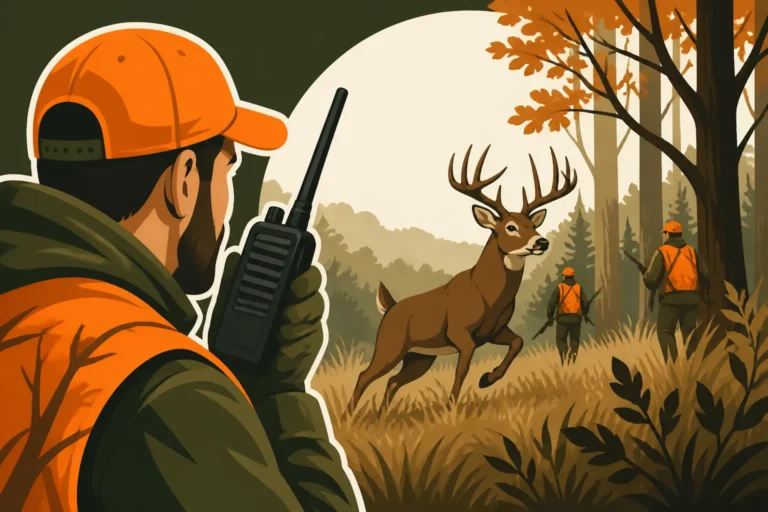
The Kentucky Department of Fish and Wildlife Resources (KDFWR) has clear regulations regarding the display of hunter orange. During modern gun deer seasons, statewide elk seasons, and certain other specific hunts, wearing solid, unbroken hunter orange is a non-negotiable requirement for everyone in your hunting party, even if they aren't actively hunting but are just accompanying you. This applies to both public and private land, so don't think you can skip it just because you're on your own property. The law is designed to create a visible barrier between hunters and their surroundings, especially in dense cover or during low-light conditions when distinguishing between game and a human can be incredibly difficult. Always double-check the current hunting guide for the specific season you're participating in, as regulations can sometimes have nuances or updates.
What Counts as Legal Blaze Orange Coverage
Here's where some of the common questions arise. Kentucky law typically requires hunters to wear a solid outer garment of hunter orange that is visible from all sides. This means no camouflage patterns mixed into the orange, no thin strips, and no small patches. The key is "solid and unbroken." The KDFWR generally specifies a minimum amount of material, often expressed in square inches, but practically speaking, this means a full vest or jacket. It's not enough to have a hat or a small band around your arm. Think of it this way: if you're standing in the timber, and another hunter is approaching from any direction, they should be able to clearly identify you as a human, not a deer or a turkey. This is why something that covers your torso and is visible above the waistline is usually the standard. For more detailed information on specific requirements, consult the official KDFWR hunting guide or check out Kentucky's Blaze Orange and Pink Options for broader guidance.
The Case for Blaze Orange Jackets in Kentucky
When you're out in the woods, especially during the chillier parts of Kentucky's hunting seasons, a blaze orange jacket can feel like a natural choice. It offers more than just visibility; it's often an integral part of your overall clothing system. Many hunters appreciate the simplicity and integrated protection that a jacket provides, especially when facing unpredictable weather.
Advantages of a Jacket
One of the biggest advantages of a blaze orange jacket is its all-in-one functionality. You get your required visibility and a layer of warmth or weather protection bundled into a single garment. During the Kentucky Modern Gun Season Opening Day or the late archery season that runs into January, those crisp mornings or downright cold days demand more than just a vest. A good blaze orange jacket, especially one designed for hunting, will offer insulation, often be windproof, and sometimes even water-resistant. This means fewer layers to fuss with and a streamlined approach to getting dressed for the stand. For instance, if you're sitting in a treestand on a frigid December morning, a quality insulated blaze orange jacket can keep you comfortable and visible without needing to add a bulky coat underneath a vest, which can restrict movement.
Furthermore, jackets often come with useful features tailored for hunters, like multiple pockets for calls, gloves, or a rangefinder. Some even have quiet fabrics, crucial for remaining undetected when a deer slips in close. They tend to fit more securely than a vest, which can sometimes flap or shift, especially if you're navigating dense undergrowth or climbing into a stand. When you're trudging through thick eastern Kentucky cover, a jacket provides a consistent layer of protection against briars and brush that a vest might leave exposed.
Downsides and Practical Considerations
However, jackets aren't without their drawbacks, particularly in Kentucky's often fluctuating weather. The biggest issue can be overheating. If you start your hunt in a blaze orange jacket on a cool morning that quickly warms up by midday – a common scenario in early November – you might find yourself sweating buckets. Excessive sweating leads to discomfort and, later, a rapid chill when the temperature drops or you stop moving. This is why layering is so critical, even with a jacket. You need to consider what you'll wear underneath, as shedding the jacket might not always be an option if it's your only blaze orange garment.
Another consideration is bulk. While some jackets are designed to be relatively trim, many insulated hunting jackets can be a bit bulky, potentially hindering your range of motion when drawing a bow (though not usually an issue for gun hunters) or climbing. For hunters who prioritize minimal gear or want maximum flexibility, a heavy jacket might feel cumbersome. You also need to factor in packability; if you plan to hike a long way into your spot and don't want to start with the jacket on, it needs to be easy to roll up and stow in your pack.
When a Jacket Shines Brightest
A blaze orange jacket truly shines in colder weather, wet conditions, or when you need a robust outer layer. Think late-season deer hunts in December or January when temperatures rarely climb above freezing, or during a drizzly, windy day on public land. It's also excellent for still-hunting when you're constantly moving and need consistent warmth and protection. If you're planning a full day sit on a Kentucky Deer Camp Traditions hunt, where you might be exposed to the elements for hours, a well-chosen blaze orange jacket can be your best friend. For those who own a single blaze orange garment and primarily hunt during rifle seasons, a jacket often provides the most comprehensive solution. GoHunt also emphasizes the importance of durable outer layers for prolonged exposure, which a good jacket often provides.
The Versatility of Blaze Orange Vests for Kentucky Hunters
While jackets offer an all-in-one solution, blaze orange vests are the go-to for many Kentucky hunters, especially given our varied seasons and often unpredictable weather patterns. Their inherent flexibility in layering makes them an incredibly popular choice.
Benefits of Opting for a Vest
The primary advantage of a blaze orange vest is its incredible versatility. It's simply an outer shell designed for visibility, meaning you can layer it over almost anything. This is a huge benefit during Kentucky's early archery season, when mornings might be cool but afternoons can be downright hot. You can start with a light base layer and a long-sleeve shirt, then throw the vest over it. As the day warms, you can shed the shirt and still maintain your required visibility, or add an insulated jacket under the vest when temperatures drop. This adaptability allows you to precisely regulate your body temperature, which is crucial for comfort and staying alert in the stand. For discussions on adapting to changing conditions, consider reading Layering for a Kentucky Deer Stand.
Vests are also typically lighter and less bulky than jackets, making them easy to pack into a hunting backpack, especially if you're hiking a long way into a remote public land spot in Daniel Boone National Forest. They offer excellent freedom of movement, which is particularly beneficial for bowhunters who need an unrestricted draw or for those who engage in active pursuits like Deer Drives With Three or Four Hunters. The lighter weight also means less fatigue over a long hunting day. Plus, vests are generally more affordable than full hunting jackets, making them a budget-friendly option for meeting the legal requirements.
Limitations and Considerations
While highly versatile, vests do have their limitations. They offer no warmth or protection from the elements themselves. If you choose a vest, you'll need to ensure your underlying layers provide adequate insulation and weather resistance. This means you might need to invest in a quality non-orange hunting jacket or rain gear to wear under the vest, adding to your overall gear cost or complexity. On a particularly cold and windy day, a vest over a non-windproof jacket might still leave you feeling chilled.
Another point to consider is the potential for entanglement. While generally sleek, a vest can sometimes snag on brush or get caught if it's too loose or poorly fitted. Pockets on vests can be more limited compared to jackets, so you might need to rely more on your pants pockets or a hunting pack for carrying essential gear. Finally, ensure your vest is truly "solid" hunter orange and not a mesh or highly breathable fabric that compromises visibility from a distance, especially during low light or in dense timber.
Ideal Scenarios for Vest Wear
Blaze orange vests are ideal for any Kentucky hunt where temperatures are mild to warm, or when you anticipate significant temperature swings throughout the day. They are perfect for early-season modern gun hunts, youth seasons, or any scenario where heavy layering is needed underneath. If you’re an archery hunter participating in a firearms season that requires orange, a vest can easily be thrown over your camouflage archery clothing without compromising your stealth (for bowhunting portions of the season) or adding bulk. They are also excellent for actively hunting small game or during a Hunting the Kentucky Youth Firearms Season when mobility and adaptability are key. The ease of packing and deploying a vest makes it a favorite for hunters who prioritize flexibility and light movement.
Choosing Your Blaze Orange Wisely: Key Factors to Weigh
Deciding between a blaze orange jacket and a vest isn't about one being inherently "better" than the other. It's about matching your gear to your specific hunting conditions, personal preferences, and the demands of Kentucky's diverse terrain and weather. Thinking through these factors will help you make the best choice for a safe and successful hunt.
Weather, Temperature, and Layering Needs
Kentucky weather can be a real wildcard. One day in November, you might be sweating in 60-degree heat, and the next, you're bundled up for a frosty 20-degree morning. This variability is perhaps the most significant factor in your decision.
- Cold Weather: If you're anticipating truly cold conditions, especially during the late season when temperatures drop, a well-insulated blaze orange jacket often makes the most sense. It reduces the need for multiple bulky layers underneath, keeping you warmer and more comfortable. However, if you already have a fantastic insulated camo hunting coat that you love, a vest allows you to simply throw it over your existing system, providing the required visibility without buying a whole new jacket.
- Mild to Warm Weather: For milder days, or seasons like the early modern gun weeks where temperatures can fluctuate wildly, a vest is usually the superior choice. It allows for dynamic layering – you can wear it over a t-shirt, a long-sleeve base layer, or a light fleece. As the day progresses, you can easily add or subtract layers underneath without having to compromise your legal blaze orange coverage. This flexibility is invaluable for preventing overheating during strenuous hikes or staying comfortable during midday lulls. Don't forget that Wool Versus Synthetics in Wet Cold can also play a huge role in your layering strategy underneath your orange.
- Wet Conditions: If rain or snow is in the forecast, consider the water resistance of your blaze orange garment. Many hunting jackets are designed to be waterproof or highly water-resistant. If you opt for a vest, you'll need to ensure your underlying jacket or rain gear provides adequate protection, as most vests offer none.
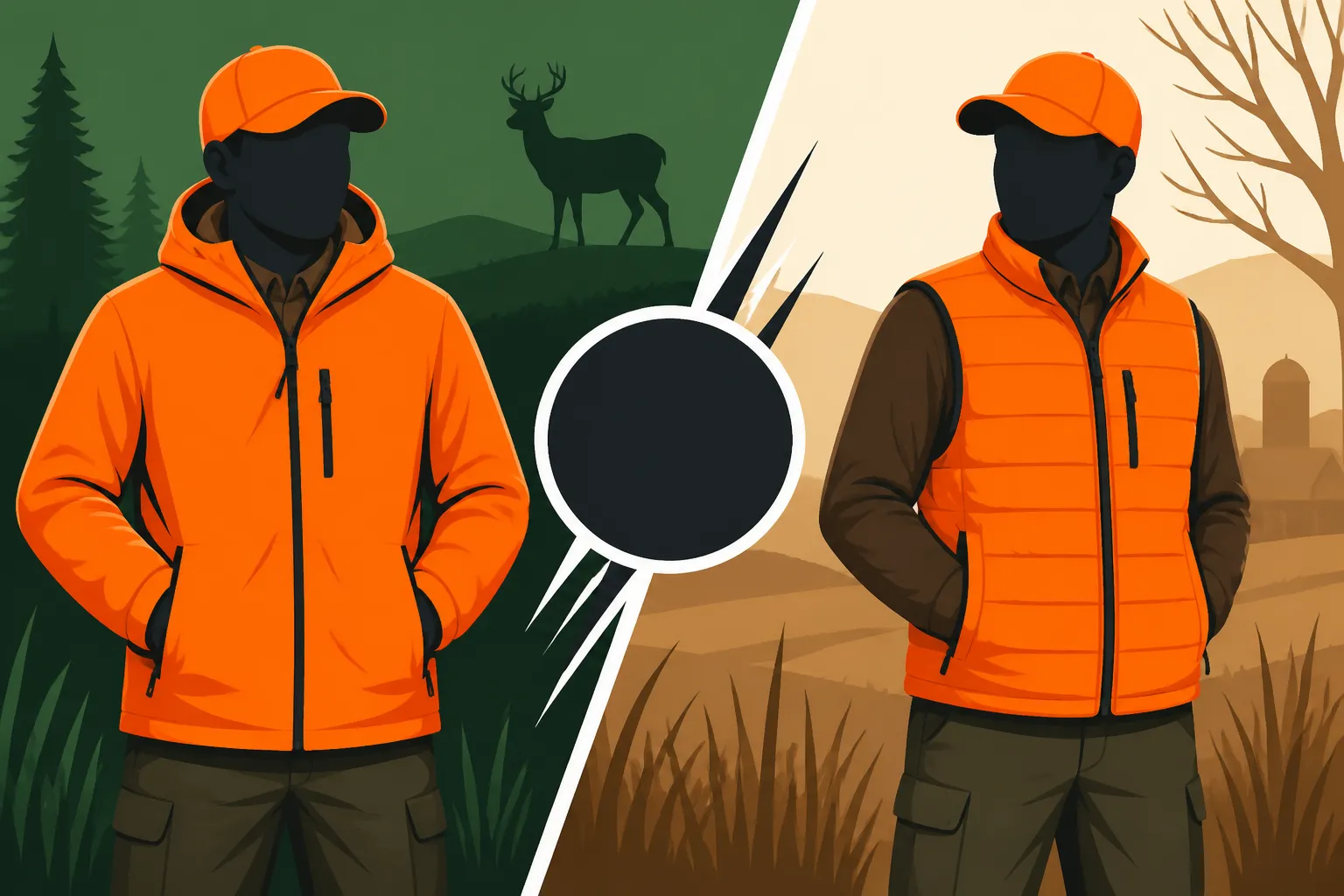
| Feature / Consideration | Blaze Orange Jacket | Blaze Orange Vest |
|---|---|---|
| Warmth & Insulation | Often insulated, provides warmth | None; relies on layers underneath |
| Weather Protection | Can be windproof/water-resistant | None; relies on layers underneath |
| Layering Flexibility | Less flexible; integrated warmth | Highly flexible; adaptable to any layers |
| Freedom of Movement | Can be bulky if heavily insulated | Excellent; minimal restriction |
| Pockets | Often more numerous and functional | Typically fewer, less robust |
| Weight & Packability | Heavier, less compact for packing | Lighter, very easy to pack |
| Cost | Generally higher | Generally lower |
| Best Use Cases | Cold, wet weather; stationary hunting | Variable weather; active hunting; layering |
Your Hunting Style and Terrain
The way you hunt and the specific Kentucky terrain you're in also weigh heavily on your blaze orange decision.
- Still-Hunting or Stalking: If you're actively moving, covering ground in places like the thick ridges of Daniel Boone National Forest, a lighter vest might be preferred. It allows for better ventilation and less bulk, reducing fatigue. Paired with a quiet mid-layer, a vest can be surprisingly effective. Check out tips for Still-Hunting Eastern Kentucky Ridges for context.
- Stand Hunting: For hunters primarily sitting in a treestand or ground blind, especially during colder periods, a jacket offers consistent warmth and protection. However, a vest can work equally well if you're layering it over a quality, insulated hunting coat. The key here is comfort for long periods of inactivity.
- Deer Drives: For active pursuits like deer drives on Kentucky public land, where you're constantly moving and possibly pushing through dense cover, a vest might be more comfortable and less restrictive. However, a durable jacket offers better protection against briars and brush.
- Public vs. Private Land: While legal requirements are the same, on crowded public lands, maximum visibility is paramount. A jacket generally offers a larger, unbroken block of orange, which some hunters prefer for enhanced safety awareness from other hunters.
Personal Preference and Fit
Ultimately, what feels right to you, the hunter, is paramount. If you hate the feeling of a bulky jacket, even a warm one, you'll be miserable, and that detracts from your focus.
- Comfort: Try on both options with your typical hunting layers underneath. Does the jacket allow a full range of motion? Does the vest feel secure and not sag? Your comfort directly impacts your endurance and enjoyment in the field.
- Noise: Some cheaper blaze orange materials can be noisy, especially when stiff or new. Pay attention to how the fabric sounds as you move. A rustling jacket or vest can give away your position. Look for quiet fabrics, particularly if you're hunting close-range game.
- Brand and Quality: Investing in quality gear, whether a jacket or a vest, pays off in the long run. Good brands like GoHunt often offer features like quiet fabrics, durable construction, and thoughtful pocket placement that enhance your hunting experience. While a vest is generally cheaper, don't skimp on quality just to save a few dollars; your visibility and comfort are worth the investment.
- Storage and Features: Consider how many pockets you need, whether you prefer a hood on your jacket, or if a simple vest is enough. These small details can make a big difference in your day-to-day hunting routine. For ideas on what to carry, you might find Packs for a Daniel Boone Forest Day Hunt helpful.
By carefully evaluating these factors, you can make an informed decision that ensures you're both safe and comfortable, no matter where your Kentucky hunting adventures take you.
Disclaimer
This article is for general informational purposes only and does not constitute professional advice. Laws, prices and regulations vary by location and change over time. Consult a qualified professional for guidance on your specific situation.