Layering for a Kentucky Deer Stand
The biting chill of a Kentucky morning deer hunt, especially during the late season, can feel like it's seeping right into your bones, even when the afternoon promises a completely different, almost mild, temperature. This guide is all about tackling that exact frustration: how to dress for those wild swings in Kentucky weather when you're perched in a deer stand, ensuring you stay comfortable, quiet, and focused on the hunt, not the shivers.
Understanding Kentucky's Climate Swings
Kentucky isn't known for its predictable weather, especially once deer season truly gets underway. You can start the morning with frost on the stand and end the day shedding layers under a surprisingly warm sun, or vice versa. This variability is precisely why understanding how to layer your hunting clothes is not just a good idea, but an absolute necessity for staying effective and safe in the field. Ignoring these swings can lead to uncomfortable hunts, shorter sits, or even dangerous situations if you're not adequately prepared for a sudden drop in temperature or a cold rain.
Early Season Warmth to Late Season Chill
Think about Kentucky's archery opener in early September. You're often sweating on the walk in, battling mosquitoes, and praying for a light breeze. A single, breathable layer might be all you need on the stand. Fast forward to November's rut, and mornings can be crisp, demanding a few well-chosen layers. Then, December and January roll around, bringing true winter cold, often with biting winds that cut right through inadequate clothing. The ground might be frozen solid, and standing water could be iced over.
This progression means your layering strategy can't be static. What works When Kentucky's Archery Season Opens might get you hypothermic when Hunting the Late-Season January Lull. You need a system that allows you to add or subtract insulation as the season progresses and as the day itself changes. Many hunters get caught out thinking a single heavy coat will do the trick, only to find themselves miserably cold at dawn or overheating by midday. The key is adaptability, building a wardrobe that can handle everything from a brisk autumn afternoon to a truly frigid winter morning.
Dealing with Humidity and Rain
Beyond just temperature, Kentucky's weather often brings a healthy dose of humidity and rain. A damp chill can feel far colder than a dry one, and even light drizzle can soak through cotton, making it useless for insulation. This is a common pitfall: a lot of hunting clothes might look warm, but if they aren't designed to handle moisture, you're in for a tough sit. You might be focused on the deer, but a sudden downpour can quickly turn your hunt into a survival exercise if you're not prepared.
It’s not just the big rainstorms either. That persistent misty drizzle, or even the heavy dew on fallen leaves, can leave you feeling clammy and cold. This is where the right materials make all the difference, moving moisture away from your skin and preventing your outer layers from becoming saturated. A smart hunter in Kentucky knows that being dry is just as important as being warm, especially when you're sitting still for hours in a tree stand or ground blind.
Wind and Thermals on Kentucky Ridges
Ah, the wind and thermals. Any hunter who has spent time on the ridges and hollows of Daniel Boone National Forest or the Cumberland Mountains knows these can be your best friend or your worst enemy. A stiff breeze, especially when it's cold, can strip away your body heat at an alarming rate, making a 30-degree morning feel like 15. The constant shift of air currents, particularly in broken terrain, can expose you to unexpected drafts, chilling you precisely when you need to be stillest.
Understanding Wind and Thermals on a Kentucky Ridge isn't just about scent control; it's also crucial for your comfort. A good outer layer needs to be a formidable barrier against the wind, preventing that chilling effect. Thermals, those subtle air movements that dictate scent travel, also play a role in how cold you feel. As the sun rises and warms the ridge tops, thermals rise. As it sets and the valleys cool, thermals fall. This means the wind direction at your stand can shift, exposing unprotected areas of your body to a new, unwelcome chill.
The Foundation: Base Layers for Comfort
Your base layer is arguably the most critical part of your entire layering system. It's the one layer that touches your skin, and its primary job isn't just to keep you warm, but to manage moisture. Get this wrong, and even the best mid and outer layers won't be able to keep you truly comfortable. Think of it as the starting point for your warmth and dryness equation.
Moisture-Wicking Materials: Synthetics vs. Merino
When it comes to base layers, you're generally looking at two main material contenders: synthetics (like polyester) and natural fibers, primarily merino wool. Both excel at moisture-wicking, but they do it in slightly different ways and have distinct advantages and disadvantages. Cotton, by the way, is a strict no-go for base layers in cold weather; it absorbs moisture and holds it against your skin, making you cold. I've been there, thinking a trusty cotton long-sleeve would be fine, only to regret it an hour into a damp November morning.
Synthetics are fantastic because they're designed to move moisture away from your skin incredibly quickly and dry rapidly. They're often more durable and can be a bit more budget-friendly. However, they can sometimes retain odor, which isn't ideal for scent-conscious deer hunters. Merino wool, on the other hand, is excellent at regulating temperature – keeping you warm when it's cold and surprisingly cool when it's warm – and it's naturally odor-resistant. It still wicks moisture, but it can absorb a bit more before feeling damp, and it continues to insulate even when wet. The trade-off is often a higher price point and sometimes less durability than synthetics. When choosing, consider your budget, the intensity of your activity (how much you'll sweat), and your sensitivity to odor.
Weight and Fit for Different Seasons
Just like you wouldn't wear a heavy winter coat in July, you need different weights of base layers for different Kentucky hunting seasons. Base layers come in lightweight, midweight, and heavyweight options. For early archery season, a lightweight, breathable synthetic or merino top and bottom might be all you need to wick away sweat during the long walk to the stand. This helps prevent that clammy feeling that can quickly lead to a chill once you sit still.
As the weather cools through October and into November, a midweight base layer becomes ideal. This provides a good balance of warmth and moisture management without being overly bulky. For the truly frigid late season, a heavyweight merino or synthetic base layer provides maximum insulation right against your skin. Regardless of the weight, the fit is crucial: it needs to be snug enough to maintain contact with your skin for effective wicking, but not so tight that it restricts movement or circulation. A loose base layer won't do its job properly.
The Importance of a Dry Next-to-Skin Layer
I cannot stress this enough: keeping your layer next to your skin dry is paramount for comfort and safety in the cold. Even a small amount of sweat can turn into a chilling problem once you stop moving. Imagine hiking into your stand on a chilly November morning, working up a sweat, then sitting still for three hours. That trapped moisture will make you shiver, distracting you from the hunt and draining your energy. This is why layering isn't just about adding warmth; it's about active temperature regulation.
Some hunters even carry an extra, dry base layer in their pack for long walks. They hike in wearing a light, breathable shirt, and once they reach their stand, they quickly change into a dry base layer before adding their mid and outer layers. This ensures that the foundation of their warmth system is completely dry and ready to insulate. It might seem like an extra step, but after a few miserable, sweaty-then-cold sits, you'll quickly understand the value of a dry next-to-skin layer.
The Core: Mid Layers for Insulation
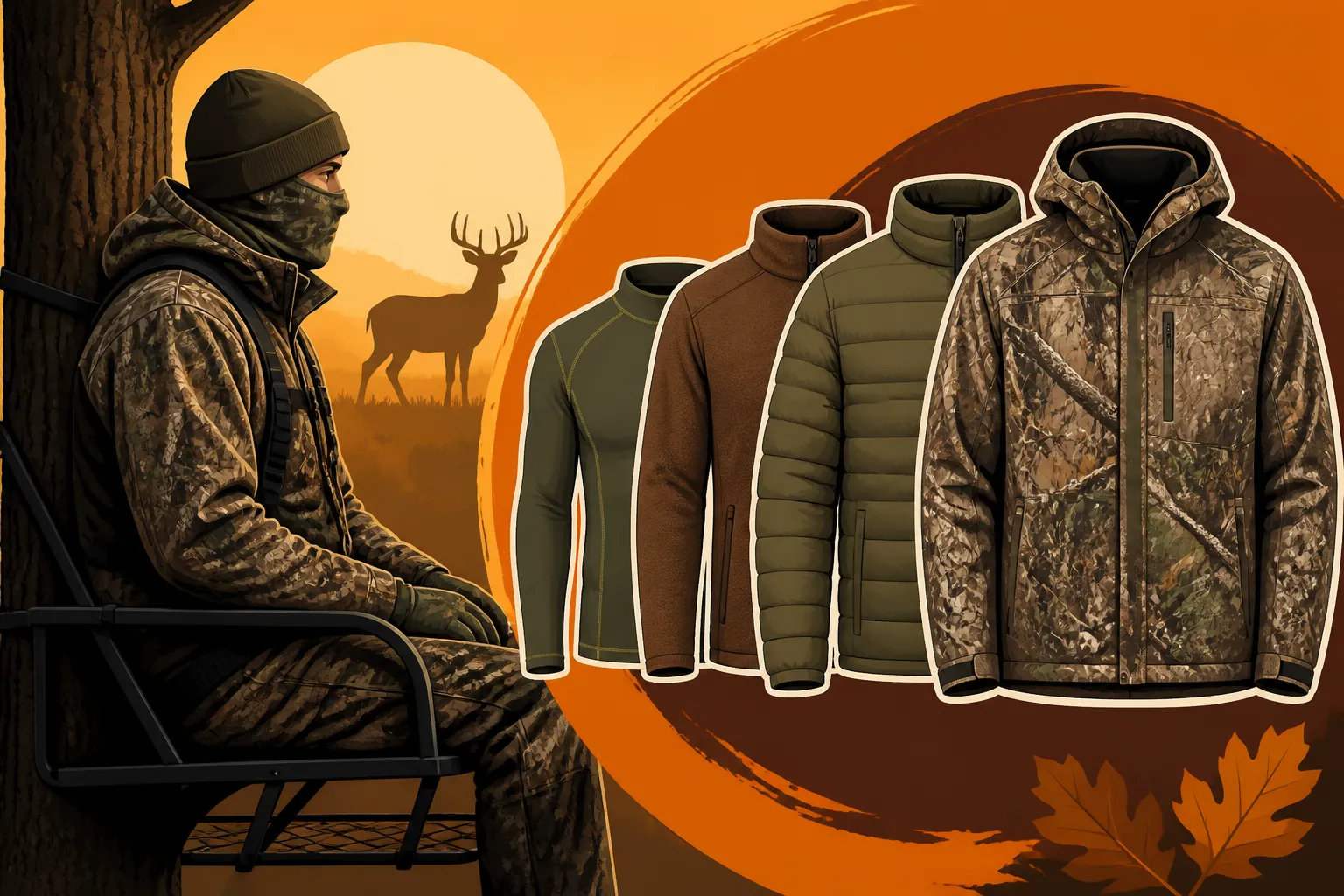
Once your base layer is set, your mid layers are your primary source of insulation. These are the layers that trap warm air close to your body, creating a thermal barrier against the cold. The beauty of mid layers is their versatility – you can add or remove them as conditions change, effectively dialing in your personal comfort level.
Fleece and Puffy Insulation Options
When it comes to mid layers, fleece and puffy insulated jackets or vests are the two most common choices for hunters. Fleece is a classic for a reason: it's soft, relatively lightweight, breathes well, and provides excellent warmth-to-weight. It also dries quickly if it gets damp. Fleece comes in different weights too, from light microfleece to heavy expedition-grade fleece, allowing for further customization of your system. It's a fantastic option for active hunting or for days where you need good insulation but don't want to feel completely encased.
Puffy insulation, whether synthetic fill or down, offers incredible warmth for its weight and compressibility. Down is lighter and warmer for its bulk, but it loses its insulating properties when wet. Synthetic puffy jackets (like those filled with PrimaLoft or similar materials) are a great alternative, as they retain warmth even when damp, making them a very practical choice for Kentucky's often wet conditions. These often make excellent outer layers too, but for pure insulation under a shell, they are hard to beat. The key is to find options that aren't too bulky but provide serious warmth, especially for those Cold-Weather Sitting Strategy in Kentucky hunts.
Strategic Layering for Static Hunting
Deer hunting often involves long periods of inactivity, especially once you're on the stand. This means you need insulation that performs well when you're not generating much body heat. This is where strategic mid-layering comes into play. Instead of one thick, heavy mid-layer, consider using two lighter or medium-weight layers. This creates more dead air space between layers, which is what actually provides insulation. Think of it like a double-pane window for your body.
For example, on a seriously cold morning, you might start with a midweight merino base, add a lightweight fleece vest, and then a medium-weight synthetic puffy jacket. This gives you three distinct layers of insulation that work together. As the day warms up, you can easily shed the vest or the puffy, adapting to the rising temperatures without completely re-dressing. This modular approach is much more effective than relying on a single, cumbersome garment that can't be easily adjusted.
Ventilation and Bulk Management
While warmth is critical, so is the ability to vent excess heat. Overheating can lead to sweating, which as we've discussed, is the enemy of warmth. Many mid-layers are designed with features like full-length zippers that allow you to dump heat quickly if you're hiking hard or the sun unexpectedly pops out. It’s a fine line to walk between being warm enough and avoiding that clammy, overheated feeling.
Bulk is another consideration, especially if you're bowhunting or trying to maintain a low profile in a tight ground blind. Too many thick, puffy layers can restrict your movement, making it difficult to draw a bow smoothly or even turn to make a shot. Look for mid-layers that offer good warmth-to-weight ratios and compress well. This allows you to carry multiple insulating layers without feeling like the Michelin Man. When researching specific gear for varying conditions, sites like GoHunt can offer reviews and comparisons, helping you find gear that balances warmth with minimal bulk.
The Shield: Outer Layers for Protection
Your outer layer is your shield against the elements – wind, rain, and snow. It's the final barrier that protects your inner layers and keeps you dry and warm. Without a good outer shell, all the careful base and mid-layering in the world can be undone by a sudden gust of wind or a persistent drizzle.
Waterproof and Windproof Shells
Kentucky weather often means dealing with dampness, so a truly waterproof and windproof outer layer is non-negotiable for serious cold-weather hunting. Look for materials with a DWR (Durable Water Repellent) finish and, crucially, a waterproof/breathable membrane like Gore-Tex or similar proprietary technologies. These membranes prevent water from penetrating while still allowing some moisture (sweat vapor) to escape, preventing you from getting clammy inside your own shell. The feeling of being bone-dry despite a steady rain is worth every penny.
Windproofing is just as important. A cold wind can cut through non-windproof fabrics as if they weren't even there, bypassing all your insulating layers. Many modern hunting shells are specifically designed to block wind, keeping that convective heat loss at bay. Always check the garment's specifications for its waterproof and windproof ratings. There's nothing worse than sitting through a Kentucky Early Muzzleloader Tactics hunt in December with a cold rain seeping through your jacket.
Quiet Materials for Stealth
While protection from the elements is key, a hunting outer layer also needs to be quiet. Picture this: a trophy buck is slowly making his way towards your stand, and with every subtle movement you make, your jacket rustles like a bag of potato chips. Game over. Many waterproof fabrics can be notoriously noisy, especially when cold. This is a primary frustration for hunters.
Modern hunting apparel brands have made huge strides in creating outer layers that are both weatherproof and whisper-quiet. Look for soft-faced fabrics that have been laminated with a waterproof membrane, or those specifically designed for silent movement. Fleece outer layers can also be excellent for quietness, though they might not offer the same level of waterproof protection as a hardshell. When choosing your outer layer, don't just consider its warmth and waterproofing; take it into a quiet room and move around to assess its noise level. This is where researching gear on platforms like GoHunt, where other hunters share their real-world experiences, can be incredibly valuable.
Blaze Orange Requirements and Integration
Kentucky has specific Kentucky Blaze Orange Requirements for firearm deer seasons, as well as for some other hunting activities. This means your outer layer often needs to incorporate a significant amount of blaze orange (or pink, which is also legal). This isn't just a legal requirement; it's a critical safety measure, making you visible to other hunters in the woods.
Many hunting jackets come with integrated blaze orange panels or are entirely orange. If your preferred outer layer isn't orange, you'll need to wear a blaze orange vest over it. The key is to ensure the orange is highly visible from all directions. Consider a vest that's easy to put on and take off, and one that doesn't create excessive noise. Some hunters even keep a compact, lightweight blaze orange vest in their pack specifically for when they transition from an archery-only period to a firearm season. You want to stay safe and legal, and that means respecting those orange requirements. For deeper dives into what's allowed, you can explore resources that detail Blaze Orange Jackets Versus Vests.
Extremities: Head, Hands, and Feet
It's a classic truth: if your head, hands, or feet get cold, you'll feel cold all over. These extremities are vital for regulating your body temperature, and they are often the first to suffer from inadequate protection, especially during those long, static sits in a Kentucky deer stand. Neglecting them is a rookie mistake that can quickly ruin a hunt.
Hats, Hoods, and Neck Gaiters
You lose a significant amount of body heat through your head, so covering it is non-negotiable in cold weather. A good insulated hat, often made of fleece or wool, is essential. Look for one that covers your ears fully. Many hunting jackets also come with insulated hoods, which can be fantastic for extra warmth and wind protection, especially during a brutal cold snap. A hood also helps to break up your silhouette, which can be a small but useful advantage.
Beyond the hat and hood, a neck gaiter is a highly underrated piece of gear. It protects your neck and lower face from cold wind and can be pulled up over your nose in extreme cold. This small piece of fabric makes a huge difference in overall comfort and prevents cold air from sneaking down your collar. It's incredibly versatile – you can pull it up or down as needed, making it far more adaptable than a fixed scarf. Keeping your head and neck warm is a crucial part of a Cold-Weather Sitting Strategy in Kentucky.
Gloves and Mittens for Dexterity and Warmth
Keeping your hands warm while maintaining dexterity for shooting, ranging, or glassing is a constant challenge for hunters. Again, a layered approach often works best. For milder cold, a pair of thin, form-fitting gloves (often merino or synthetic) can provide warmth while still allowing you to feel your trigger or bowstring. Many come with touch-screen compatible fingertips, which is a bonus for checking your GoHunt app or other digital tools.
As temperatures drop, you might opt for a warmer, insulated glove, or even a glove/mitten system. Many hunters prefer mittens for ultimate warmth, as they allow your fingers to share heat, but they sacrifice dexterity. A popular compromise is a "shooter's mitten" or "glomitt," which allows you to flip back the mitten portion to expose your fingers when you need to handle your firearm or bow, then cover them back up for warmth. Another option is a hand warmer muff, worn around your waist, which allows you to keep your hands warm and ready while staying quiet and still.
Socks and Boots for All-Day Comfort
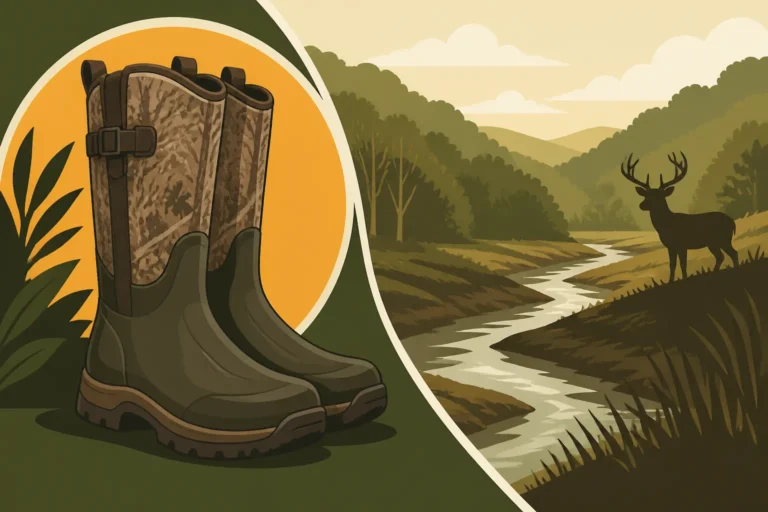
Your feet are your connection to the ground, and cold, damp feet will make you miserable faster than almost anything else. Good insulated, waterproof boots are fundamental. Look for boots with sufficient insulation (measured in grams, e.g., 800g, 1200g) for the temperatures you expect to face. Ensure they are truly waterproof, especially if you'll be traversing wet creek bottoms or dew-covered fields. Brands like Lacrosse, Muck, and Kenetrek offer excellent options designed for demanding conditions.
Socks are just as important as the boots themselves. Avoid cotton at all costs. Instead, choose high-quality wool or synthetic blend socks that wick moisture and provide insulation. A common strategy is to wear a thin liner sock (synthetic or merino) to wick moisture away from your skin, followed by a thicker, insulated wool sock. Make sure your boots aren't so tight that they restrict circulation when wearing these layers, as poor circulation will make your feet cold regardless of insulation. For long, cold sits, consider specialized heated socks or chemical hand warmers placed in your boots, especially for those Insulated Boots for All-Day Sits that need an extra boost.
| Layer Type | Primary Function | Recommended Materials | Key Benefits | Considerations |
|---|---|---|---|---|
| Base Layer | Moisture Management | Merino Wool, Synthetics | Wicks sweat, regulates temperature, odor control | Cotton is a major no-no; fit is crucial |
| Mid Layer | Insulation | Fleece, Down, Synthetic Puffy | Traps warm air, lightweight, compressible | Can be bulky; down loses warmth when wet |
| Outer Layer | Protection (Wind/Water) | Waterproof/Breathable Shells | Blocks wind, sheds rain/snow, durable | Must be quiet; check for blaze orange compliance |
| Extremities | Targeted Warmth | Wool, Fleece, Synthetic | Prevents heat loss from head, hands, feet | Dexterity for hands; circulation for feet |
Adaptability: Dressing for Changing Conditions
The true art of layering for Kentucky deer hunting lies in your ability to adapt. No two days are exactly alike, and even within a single day, conditions can shift dramatically. A rigid, one-size-fits-all approach is doomed to fail. A flexible system allows you to make adjustments on the fly, maximizing your comfort and, therefore, your effectiveness as a hunter.
Packing Extra Layers for the Stand
This is a strategy I swear by. Even if the forecast seems stable, always pack an extra mid-layer or a heavier hat in your backpack. You never know when a front might blow through faster than expected, or if that promised sun decides to hide behind thick clouds all day. It’s far better to have an extra layer you don't use than to be miserably cold because you left it at home. Your pack might feel a little heavier, but the peace of mind and potential comfort are well worth it.
Consider packing a small, compressible puffy jacket or vest, a dry pair of gloves, and a spare neck gaiter. These items don't take up much space and can be lifesavers if the temperature plummets or you unexpectedly get wet. For longer hunts, especially on public land like Daniel Boone National Forest, having extra gear to manage fluctuating conditions is just smart planning. Don't forget, being comfortable allows you to sit longer, and longer sits often lead to more opportunities.
Managing Body Temperature During the Walk-In
One of the biggest challenges with layering is the transition from active hiking to static sitting. You'll generate a lot of body heat walking to your stand, especially if it's a long or uphill trek. If you wear all your layers during the walk, you'll sweat profusely. As soon as you stop moving, that sweat will cool, making you feel chilled to the bone. This is a common mistake many hunters make.
The solution is to underdress for the walk in. Start with just your base layer and maybe a light mid-layer, or even just your base layer if it's mild. Carry your heavier mid and outer layers in your backpack. Once you arrive at your stand, take a few minutes to cool down, let any sweat evaporate, and then add your additional layers. This ensures you start your sit dry and warm, not damp and cold. It also helps manage noise, as you're not wrestling with bulky layers while trying to sneak into your spot. This strategy is critical for success, especially when Hanging a Stand on an Eastern Kentucky Ridge.
Pre-Hunt Weather Checks and Adjustments
Never, ever head out for a Kentucky deer hunt without checking the most current weather forecast. And don't just look at the high and low temperatures. Pay attention to wind speed and direction, precipitation chances, and "feels like" temperatures, which account for wind chill. Advanced weather apps and platforms, like those offered by GoHunt, provide granular, hourly forecasts that can be incredibly helpful for fine-tuning your layering strategy. Knowing that the wind will pick up around 10 AM, or that a rain shower is expected between 1 PM and 2 PM, allows you to prepare proactively.
Based on the forecast, adjust your layering plan for the day. If it's going to be consistently cold and windy, you'll need more insulation and a more robust windproof outer layer. If a warm front is moving in, you might lighten up your mid-layers. Be flexible, be prepared, and use all the information at your disposal to make the best decisions for your comfort and success in the field. This proactive approach will help you hunt effectively, whether you're dealing with Hunting the Rut in Early November or tackling the late-season challenges of December.
Disclaimer
This article is for general informational purposes only and does not constitute professional advice. Laws, prices and regulations vary by location and change over time. Consult a qualified professional for guidance on your specific situation.