Hunting the Rut in Early November
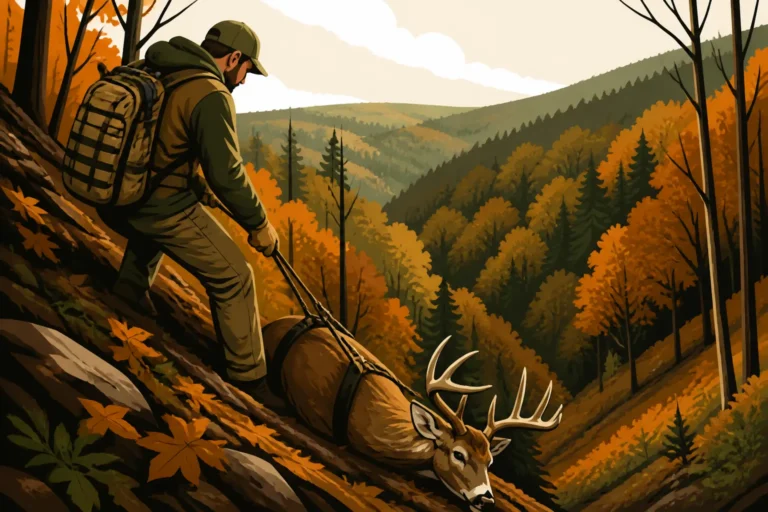
The air in early November in Kentucky carries a different kind of electricity for deer hunters. It’s that exhilarating, sometimes frustrating, time when the woods come alive with the unmistakable energy of the whitetail rut. Bucks that were once ghosts now seem to appear out of nowhere, often with their noses to the ground, trailing does. But this period of peak activity also brings unique challenges, from increased hunting pressure to the unpredictable movements of deer. This guide is here to walk you through how to navigate these exciting few weeks, offering practical, boots-on-the-ground advice to help you capitalize on Kentucky's early November rut.
The Magic of Early November: Understanding Kentucky's Rut Peak
There's a reason so many hunters mark their calendars for the first couple of weeks of November in Kentucky. This is often when the whitetail rut really hits its stride, moving past the initial seeking and chasing phase into what many consider the breeding crescendo. Understanding what's happening physiologically and behaviorally with the deer during this time is crucial for developing successful hunting strategies.
What Happens During the Peak Rut?
During the peak rut, the primary goal for mature bucks shifts into overdrive: finding and breeding as many receptive does as possible. Does enter estrus, typically for a 24 to 36-hour window, and emit powerful pheromones that bucks can detect from surprising distances. This isn't just a casual stroll through the woods for the bucks; it's an intense, often exhausting, marathon.
You'll see distinct changes in buck behavior. They'll abandon their typical bedding and feeding routines, sometimes barely eating or resting, driven solely by the primal urge to breed. This means they're covering a lot more ground, often in daylight hours, checking traditional doe bedding areas, travel corridors, and even open fields they might have avoided before. Instead of sticking to tight, secure cover, they're cruising more openly, less cautious, and frankly, a bit reckless. This recklessness is precisely what makes them vulnerable. You might witness a buck dogging a doe for hours, chasing her through thickets, or even engaging in short, intense sparring matches with rival bucks. It’s a chaotic, beautiful dance of survival and propagation.
Why Early November is Prime Time in Kentucky
Kentucky's whitetail population, particularly the health and age structure of its bucks, contributes significantly to making early November such a prime hunting window. Wildlife biologists confirm that the majority of does typically enter their first estrus cycle around this time across much of the state, though local variations can occur. This concentrated breeding window means that a large percentage of the buck population is actively seeking and breeding simultaneously.
Think about it: if every doe in your area becomes receptive within a relatively short period, every buck in your area is going to be moving. This creates increased daylight activity, which is exactly what we as hunters are looking for. Combine this with the fact that Kentucky's deer herd has a good population of mature bucks, especially in areas like the Bluegrass Region Grows Big Bucks, and you have a recipe for some truly exciting hunting. These older bucks, with their experience and larger home ranges, become especially active, sometimes even appearing in areas they typically frequent only at night. Weather also plays a role; crisp, cold early November days often encourage even more buck movement, pushing them to search harder and longer for does.
The Double-Edged Sword: Increased Pressure and Unpredictability
While the rut offers incredible opportunities, it's also a double-edged sword. With heightened deer activity comes increased hunter activity. Public lands, especially popular spots like parts of the Daniel Boone National Forest or some Wildlife Management Areas, can see a significant influx of hunters. This increased pressure can push deer into thicker cover or make them shift their patterns, even during the rut. Hunters often fall into the trap of thinking rutting bucks are oblivious, but they can quickly adapt to pressure, becoming more nocturnal or sticking to denser sanctuaries if they feel threatened.
Another challenge is the sheer unpredictability of buck movement. A buck that was working a scrape line religiously a week ago might be miles away trailing a hot doe today. Their patterns become less about food and bedding, and more about finding and locking down a receptive doe. This means the meticulously scouted feeding pattern you identified in October might be completely irrelevant in early November. You have to be adaptable, constantly reading the sign, and willing to move and adjust your strategy based on current deer activity. This is where patience and persistence truly pay off.
Aggressive Tactics for Aggressive Bucks
To succeed during the peak rut in early November, you often need to match the deer's intensity. Passive hunting, sitting and hoping, might work sometimes, but aggressive tactics that capitalize on a buck's heightened hormonal drive tend to yield better results.
Calling Strategies: Grunts, Rattles, and Decoys
This is the time to get vocal! Bucks are actively searching for does, and they're also keenly aware of their competition. Using a combination of calls can be incredibly effective.
- Grunt Calls: A simple tending grunt or a series of aggressive grunts can pique a buck's curiosity or challenge his dominance. If you see a buck cruising or hear chasing, a few well-placed grunts can often stop him in his tracks or even draw him in. Remember, the volume matters; a soft tending grunt works well when a buck is close, but you might need to try a louder, more aggressive sequence for a distant buck. Learn about Grunt Calls in Mature Kentucky Timber to perfect your technique.
- Rattling: Mimicking two bucks fighting can be a powerful magnet, especially for dominant bucks looking to assert their status or younger bucks hoping to sneak in for a doe. Start with light sparring, then escalate to intense clashing for 20-30 seconds, followed by 5-10 minutes of silence. Keep your eyes peeled, as bucks often come in cautiously, circling downwind. The thicker the cover, the less volume you need for Rattling Volume in Thick Cover.
- Doe Bleats/Estrus Bleats: These are less about aggression and more about attraction. A short, pleading estrus bleat can convince a cruising buck that there's a receptive doe nearby. Pair it with a few soft grunts to make it sound like a tending pair.
- Decoys: While not always practical for every hunter, a buck or doe decoy can be incredibly effective, especially when paired with calling. A dominant buck decoy can draw in a rival, while a submissive doe decoy can entice a buck to approach. Always set up your decoy downwind of your position so that a buck approaching the decoy naturally walks into your shooting lane and upwind of you. Just be mindful of local regulations and other hunters, particularly during firearms season.
All-Day Sits and Strategic Stand Placement
During the early November rut, buck movement can happen at any time of day. While mornings and evenings are still generally productive, bucks can be up and moving in the middle of the day as they tirelessly pursue does. This makes all-day sits incredibly valuable. If you only hunt the fringes of the day, you might miss the very moment a big buck decides to cross your path.
Strategic stand placement is absolutely critical. Forget about predictable food-to-bedding patterns; think about travel and interception.
- Pinch Points and Funnels: These are natural constrictions in the landscape that force deer into a narrower travel path. Think about a saddle between two ridges, a narrow strip of timber connecting two larger woodlots, or a fence line with a single crossing. Bucks will naturally use these to efficiently check for does. Consider Hunting a Funnel Between Two Hollows to maximize your chances.
- Doe Bedding Areas: Even though bucks are less predictable, does still need to bed. Bucks will constantly cruise the perimeters of known doe bedding areas, scent-checking for receptive females. Position your stand to intercept bucks cruising these edges, especially those that provide dense cover.
- Transitional Cover: Areas where thick cover meets more open timber, or where different habitat types converge, are often highways for rutting bucks. They offer security while allowing bucks to move efficiently.
- Food Sources: While not the primary driver, food still plays a role. Bucks will eventually need to eat, and does will certainly visit food sources. A stand overlooking a field edge or a oak ridge after a Hunting After a Poor Acorn Year can still be productive, especially if it's connected to good cover via a funnel.
Mapping tools are your best friend here. Utilize applications like GoHunt to analyze aerial imagery and topographical maps, identifying these pinch points, funnels, and potential bedding areas before you ever step foot in the woods. This e-scouting can save you countless hours and help you pinpoint high-potential stand locations.
Still-Hunting and Scouting on the Fly
Sometimes, sitting in one place just isn't cutting it, especially if deer patterns seem completely disrupted by the rut or hunter pressure. This is where still-hunting or methodical spot-and-stalk tactics can shine. Still-hunting involves moving very slowly, taking a few steps, then pausing and scanning for several minutes before repeating. You're not just looking for deer; you're looking for movement, flickers of white, or the tell-tale horizontal line of a deer's back in a vertical landscape.
This method works well in areas with good visibility but also enough cover to break up your silhouette. Focus on ridge tops, benches, or along creek bottoms in areas like Still-Hunting Eastern Kentucky Ridges or Hunting Western Kentucky River Bottoms. Pay close attention to wind direction, constantly checking it and using thermals to your advantage, especially in hilly terrain.
Scouting on the fly means you're not just hunting; you're actively searching for fresh sign as you move. Look for freshly pawed scrapes, newly rubbed trees, and most importantly, fresh tracks indicating a buck dogging a doe. If you find hot sign, it might be worth setting up a quick ground blind or a mobile treestand if allowed, right then and there. This adaptability is key to connecting with a rutting buck who might be miles from where you expected him to be.
Finding the Hot Spots: E-Scouting and Boots-on-the-Ground
Effective rut hunting isn't just about showing up; it's about showing up in the right place. And in today's world, that often means combining cutting-edge technology with good old-fashioned legwork.
Leveraging Technology for Rut Success
Modern hunting apps and tools have revolutionized how we scout, making it easier than ever to analyze vast tracts of land from your couch. GoHunt, for instance, provides detailed aerial photos, topographical maps, and public/private land boundaries that are invaluable for planning your rut strategy.
- Aerial Imagery: Use high-resolution aerial photos to identify subtle terrain features that create natural funnels or pinch points. Look for fingers of timber extending into fields, narrow creek bottoms, or saddles that connect two larger blocks of woods. These are all prime travel corridors for rutting bucks. GoHunt can highlight these features with impressive clarity, allowing you to visualize deer movement.
- Topographical Maps: Overlaying topo lines on aerials helps you understand elevation changes. Bucks will often use benches along hillsides or the tops of ridges to travel, as these paths offer easier walking and often better visibility while remaining concealed. Identify these "highways" in areas where Reading a Ridge for Cumberland Deer is essential.
- Property Boundaries: Especially crucial on fragmented public land or when bordering private land, knowing exact property lines helps you stay legal and avoid trespassing. GoHunt clearly marks these, allowing you to hunt right up to the boundary where deer might feel safer on the private side, but still be within range.
- Waypoints: Drop pins on potential stand sites, fresh sign you've found, or strategic entry/exit routes. This allows you to build a detailed map of your hunting area and make informed decisions on the fly.
- Weather Integration: Many apps offer integrated weather forecasts, including wind direction. Knowing the predicted wind allows you to select a stand location that keeps your scent out of the deer's nose, which is crucial for close encounters.
Before you even leave home, spend hours e-scouting on GoHunt, identifying three to five prime locations based on funnels, known doe bedding, and potential historical buck travel. This gives you options when you hit the woods, allowing you to adapt to changing conditions or hunter pressure.
Interpreting Rut Sign: Scrapes, Rubs, and Chases
Once you're in the woods, your eyes should be peeled for fresh rut sign. This isn't just about finding any scrape or rub; it's about interpreting its freshness and location to understand current deer activity.
- Scrapes: A scrape is a patch of bare earth pawed by a buck, often under an overhanging branch called a "licking branch." Bucks urinate in the scrape and rub their preorbital glands on the licking branch, depositing scent. During the peak rut, active scrapes will appear moist and freshly worked. Look for clusters of scrapes, or "scrape lines," especially along logging roads or field edges; these are often high-traffic areas. The freshest scrapes indicate current buck activity. Learn to identify Scrape Lines Along a Logging Road.
- Rubs: Bucks rub their antlers on trees to mark territory and work out aggression. Fresh rubs will have exposed light wood beneath the bark. Larger rubs on bigger trees typically indicate a more mature buck. Like scrapes, lines of rubs, especially on smaller saplings leading into thicker cover, can show a buck's travel route.
- Tracks and Trails: Look for distinct, large buck tracks, especially those following doe tracks. Deeply worn trails, particularly those leading to and from dense bedding areas, are gold. Freshly disturbed leaves or mud in a trail can indicate recent activity.
- Vocalizations: Beyond your own calling, listen for natural deer vocalizations. Grunts, bleats, and even the sounds of bucks chasing does can tell you where the action is happening.
The key is freshness. A scrape from two weeks ago is interesting, but a fresh, muddy scrape with a broken licking branch tells you a buck was just there. Focus your efforts on areas with the hottest, most recent sign.
Focusing on Transition Areas and Sanctuaries
Rutting bucks are covering a lot of ground, but they're not entirely reckless. They still prioritize security, especially mature bucks who've survived multiple hunting seasons. This means focusing your hunting efforts on transition areas and the edges of sanctuaries.
- Transition Areas: These are the zones where one type of cover transitions into another, like a mature hardwood ridge dropping into a thick clear-cut, or a dense pine plantation bordering an open oak flat. Bucks will often cruise these edges, using the thicker cover for security while still being able to monitor the more open areas for does. These areas offer both visibility and concealment.
- Sanctuaries: Every piece of land, public or private, has areas that deer perceive as safe. These might be incredibly dense thickets, steep hollows that are difficult for hunters to access, or private land that doesn't get hunted. While you can't hunt directly in a private sanctuary, you can strategically set up on the public side where deer frequently move in and out. Think about access points, benches just inside the public boundary, or ravines that act as natural travel corridors from safe zones. On public land, these might be the remote, steepest, or thickest sections of a WMA, where few hunters are willing to venture, offering Finding Ground Others Walk Past. A good tool like GoHunt can help you identify these dense, remote areas where bucks might seek refuge.
By understanding the importance of these areas, you can significantly increase your chances of intercepting a rutting buck, as they often follow the path of least resistance or the path of most security while searching for does.
Common Pitfalls and How to Avoid Them
The rut is a magical time, but it's not without its challenges. Hunters often make common mistakes that can cost them an encounter with that trophy buck. Being aware of these pitfalls and actively working to avoid them will greatly improve your success.
Over-Calling and Pressure
One of the biggest mistakes hunters make during the rut is over-calling. It's tempting to blast your grunt tube or rattle antlers every few minutes when you're excited, but often, less is more. Imagine you're a buck, and there's a constant racket in the woods – you'd get suspicious.
- When to Call: Call when you haven't seen deer in a while, or when you see a buck at a distance that needs a little encouragement. Call when you see a buck walking away.
- How Much to Call: Start with softer, shorter sequences. A few soft grunts, a short series of light rattling. Listen for a response. Wait. Bucks often take their time. If nothing, maybe escalate the intensity or wait 15-20 minutes before trying again.
- Understanding Buck Responses: Some bucks will come charging in. Others will circle downwind, trying to catch your scent before committing. Still others will just stop and stare, trying to pinpoint the source. Learning to read these responses is crucial. If a buck hangs up, try a soft bleat to convince him there's a doe present, or a very soft grunt to challenge him subtly.
Excessive calling, especially aggressive rattling and grunting, can also put too much pressure on a small area. If you're hunting a small woodlot or a heavily pressured public land tract, constant loud calling can make deer more wary, pushing them further into seclusion. Sometimes, simply Rattling Volume in Thick Cover and moving less frequently is the ticket to success.
Ignoring the Wind and Thermals
This might seem basic, but it's arguably the most critical factor in deer hunting, especially during the rut when bucks are moving more freely and covering more ground. A buck's nose is his primary defense, and if he smells you, the hunt is over before it even begins.
- Constant Wind Check: Always know the prevailing wind direction. Carry a wind checker and use it frequently, especially before getting into your stand and periodically throughout your hunt.
- Playing the Wind: Position your stand downwind of where you expect deer to approach or travel. This might mean having to pick a less-than-ideal tree or location, but it's always better to be safe than sorry. A less perfect setup with the wind in your favor is always better than a perfect setup with the wind against you.
- Understanding Thermals: In hilly or mountainous terrain, thermals play a significant role, particularly in the mornings and evenings. As the air heats up, thermals rise, carrying your scent uphill. As the air cools in the evening, thermals fall, carrying your scent downhill. Learn about Wind and Thermals on a Kentucky Ridge and plan your entry, exit, and stand location to account for these shifting air currents. For example, in the morning, approach from below a ridge to minimize scent dispersal as thermals rise. In the evening, reverse that, or approach from higher ground as thermals start to fall.
- Scent Control: While it won't entirely negate a bad wind, good scent control practices – showering with scent-free soap, washing clothes in scent-free detergent, and storing them in scent-free bags – can give you a crucial edge, especially if a swirling wind momentarily catches your scent.
Ignoring the wind and thermals is a surefire way to educate deer and push them out of your hunting area, making subsequent hunts even harder.
Giving Up Too Soon
The rut, while exciting, can also be mentally exhausting. You might sit for hours without seeing anything, or see a flurry of activity only for it to die down completely. It's easy to get discouraged and head back to the truck. But patience and persistence are paramount during this time.
- All-Day Sits (Revisited): As mentioned, bucks can move at any time. The middle of the day, when many hunters are eating lunch or taking a break, can be surprisingly productive. Pack plenty of snacks, water, and entertainment (a good book or podcast for quiet moments) to make those long sits more comfortable.
- The Lull is Normal: There will be lulls in activity. Don't let it discourage you. Bucks are constantly moving, but they also need to bed down or briefly feed. Just because you haven't seen anything for an hour doesn't mean a monster buck isn't about to walk by.
- Changing Tactics: If your current spot isn't producing after a few hours of an all-day sit, or after a couple of unproductive sits, don't be afraid to move. Use your e-scouting with GoHunt, your on-the-ground observations, and fresh sign to identify another high-potential area. The rut is dynamic; your hunting strategy needs to be too.
- Persistence Pays Off: That buck you saw yesterday chasing a doe might pop up three ridges over today. Keep hunting, keep learning, and keep adapting. The early November rut is a marathon, not a sprint. The hunter who sticks it out often ends up with the greatest reward. Remember, Kentucky has a good deer herd, and success often comes to those who put in the time.
Kentucky Rut Activity and Hunter Tactics
The table below summarizes typical rut phases and the tactics most effective during each, keeping in mind that early November typically encompasses the Seeking and Chasing Phases, and the start of the Peak Breeding Phase.
| Rut Phase | Timing (General) | Buck Behavior | Recommended Hunter Tactics |
|---|---|---|---|
| Early Rut/Seeking | Late October – Early November | Bucks begin to travel more, scent-checking doe groups, making scrapes and rubs. | Increased scouting for fresh sign. Sit funnels & food sources. Start soft grunts. |
| Chasing Phase | Early November | Bucks actively pursue does, sometimes running them for long distances. Less cautious. | All-day sits in travel corridors, pinch points, doe bedding edges. Aggressive calling (grunts, rattling). Decoys. Still-hunting. |
| Peak Breeding | Mid-November | Bucks are "locked down" with does, less cruising, but still very active. | Focus on dense cover near doe bedding. Intercept bucks moving short distances between does. All-day sits. |
| Post-Rut/Recovery | Late November – Early December | Bucks are exhausted, often focusing on food sources to recover. | Target late-season food sources (standing corn, food plots) near bedding. Less aggressive calling. |
This table focuses on typical behavior in Kentucky, but local conditions, weather, and hunting pressure can always influence deer movement. Always consult the Kentucky Department of Fish and Wildlife Resources for specific season dates and regulations like Kentucky Deer Season Structure Explained and Kentucky Deer Harvest Reporting Rules. Also, consider scouting public lands like Daniel Boone National Forest Hunting for opportunities.
The early November rut in Kentucky is an incredible time to be in the woods. While it demands patience and adaptability, understanding deer behavior and employing the right strategies can lead to unforgettable hunting experiences. Good luck out there, and stay safe!
Disclaimer
The information provided in this guide is for educational and informational purposes only and is not intended as legal advice. Hunting regulations, seasons, and licensing requirements in Kentucky are subject to change. Always consult the official Kentucky Department of Fish and Wildlife Resources (KDFWR) regulations and local ordinances before engaging in any hunting activities. It is the hunter's responsibility to know and follow all applicable laws and safety guidelines.