Why the Bluegrass Region Grows Big Bucks
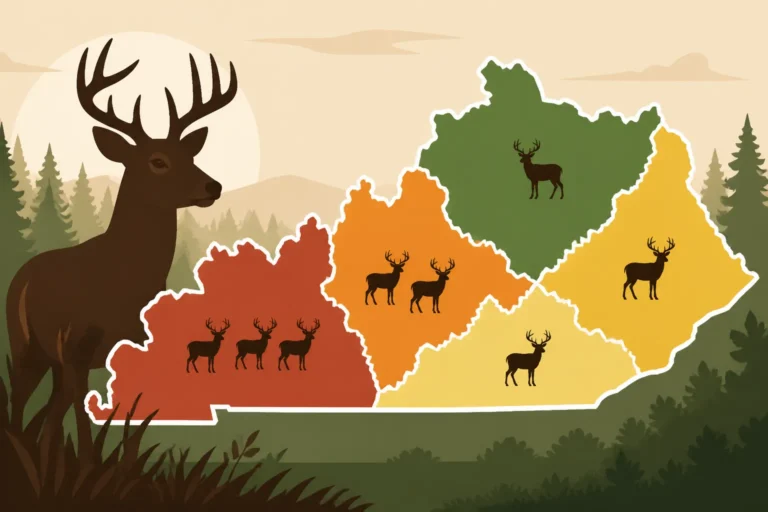
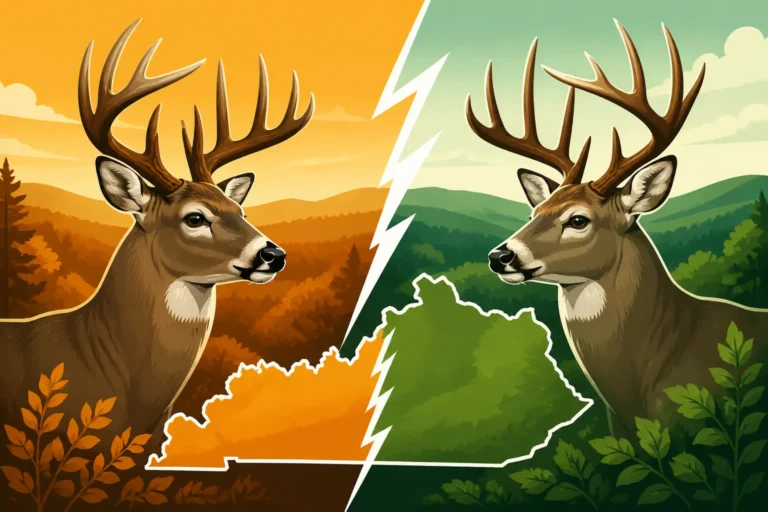
It’s a tale as old as time for Kentucky deer hunters: you hear whispers, see photos, and read reports about the absolute monster bucks consistently taken from the Bluegrass Region. You might be grinding it out on public land in Eastern Kentucky, or patiently waiting in a Western Kentucky river bottom, wondering why your big buck sightings feel like rare anomalies while the Bluegrass seems to churn out giants. This guide dives deep into the unique blend of factors that make Kentucky's Bluegrass Region a true trophy whitetail hotspot, offering insights into its ecological advantages, the impact of its landscape on deer, and what this means for hunters looking to understand these incredible animals.
The Unique Landscape of the Bluegrass Region
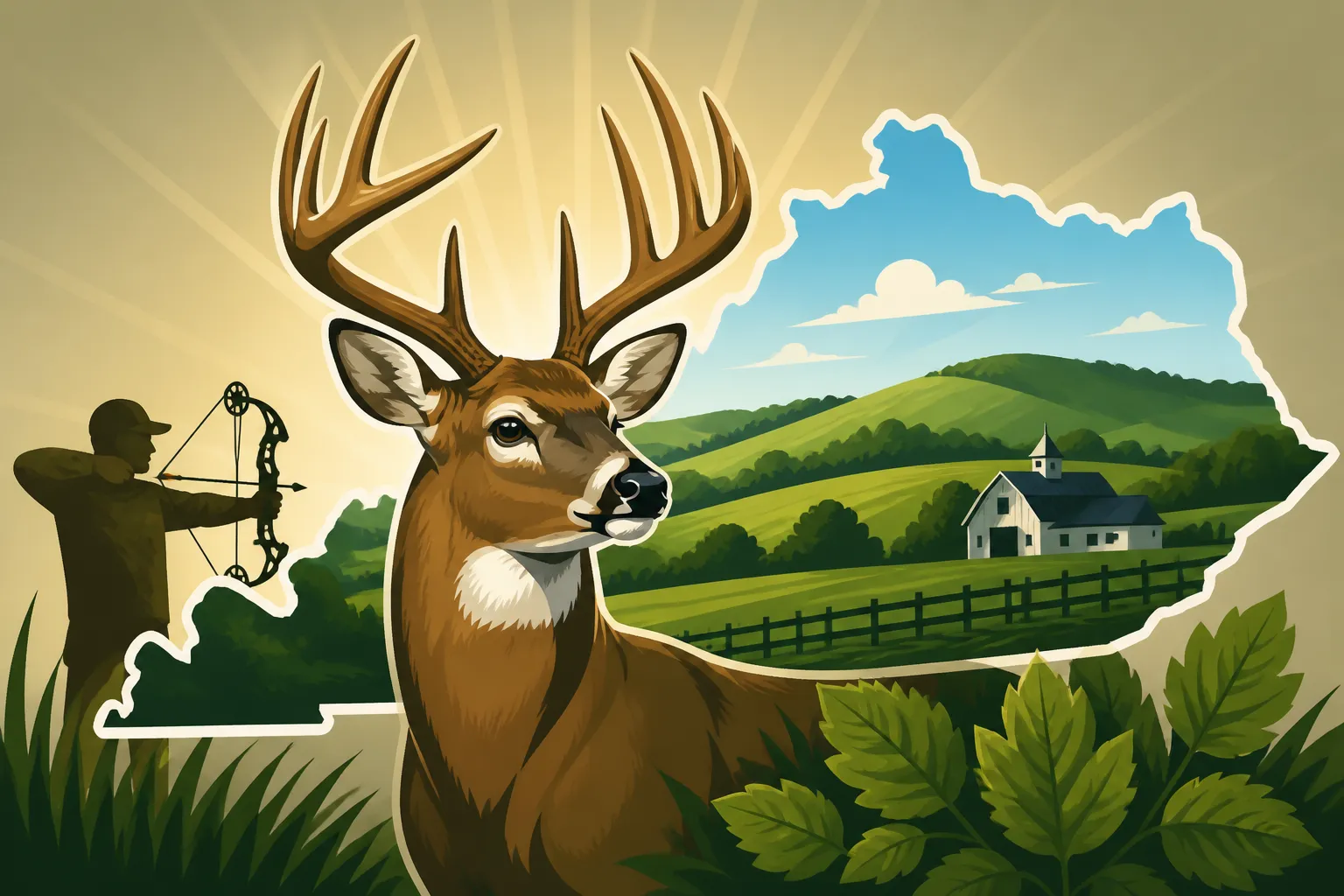
The Bluegrass Region of Kentucky isn't just a pretty name; it describes a very specific geographical and ecological zone that sets it apart from other parts of the Commonwealth. When you drive through it, you immediately notice the rolling hills, the verdant pastures, and the distinct lack of vast, unbroken timber tracts. This unique topography and land use play a huge role in shaping the deer herd and the quality of bucks found here.
Karst Topography and Rich Limestone Soils
Beneath those famous green pastures lies a foundation of limestone bedrock, characteristic of what's known as a karst landscape. This isn't just a geological fun fact; it's a game-changer for deer. Over millennia, the limestone has weathered, creating incredibly fertile, mineral-rich soils. Think about it: healthy soil means healthy plants, and healthy plants mean healthy deer. This isn't like the acidic, nutrient-poor soils you often find in the extensive timberlands of Eastern Kentucky. Instead, Bluegrass soils are alkaline and packed with essential minerals like calcium, which is absolutely vital for antler development and overall deer health.
Imagine a young buck growing up in this environment compared to one struggling in less fertile ground. The Bluegrass buck has access to a consistent buffet of high-quality forage, year after year. This constant supply of nutrition allows bucks to reach their full genetic potential quicker, fueling impressive body growth and, most importantly for trophy hunters, larger, denser antlers. It’s like the difference between a kid eating nutrient-rich home-cooked meals every day versus one subsisting on fast food; the long-term health and development are just not comparable.
A Patchwork of Woods, Fields, and Horse Farms
Unlike the sprawling, unbroken forests of Daniel Boone National Forest, the Bluegrass Region is a quilt of smaller woodlots, agricultural fields, and world-renowned horse farms. This isn't a solid block of habitat, but rather a fragmented landscape where deer often find sanctuary and abundant food sources in close proximity. These smaller woodlots, often only a few dozen acres, are frequently surrounded by expansive fields of corn, soybeans, or lush pastureland. This creates what deer hunters often call "edge habitat" – the meeting point of two distinct habitat types – which is incredibly productive for deer.
Deer here don't have to travel far for food, water, or cover. A buck might bed down in a thick, thorny briar patch on the edge of a woodlot, and then only have to walk a few hundred yards under the cover of darkness to gorge himself on a prime alfalfa field or a freshly cut soybean field. This easy access to high-quality nutrition with minimal energy expenditure allows bucks to pack on weight and grow impressive headgear. The larger horse farms, with their meticulously managed pastures and often dense, unpressured woodlines, also provide ideal conditions, acting as de facto sanctuaries where bucks can grow old without undue stress.
Nutritional Powerhouse: Fueling Antler Growth
The abundance and quality of food sources in the Bluegrass Region are truly what set it apart, acting as the primary engine behind the region's ability to grow big bucks. It’s not just about having food; it’s about what kind of food and how readily available it is throughout the year.
Abundant and Diverse Agricultural Crops
Let's be honest: deer are opportunistic eaters, and agricultural crops are their absolute favorite. The Bluegrass Region is rich in row crops like corn and soybeans, as well as vast tracts of alfalfa and various grasses grown for hay and livestock. These aren't just empty calories; they are packed with protein, carbohydrates, and essential fats that are crucial for rapid growth in deer.
Think about a deer's annual nutritional demands. In spring and summer, they're rebuilding their bodies after winter, does are lactating, and bucks are growing antlers. A constant supply of high-protein forage like soybeans and alfalfa during these critical months provides the raw building blocks for significant antler growth. Then, in the fall and winter, mature corn and soybeans offer a dense source of energy to put on fat reserves, helping them survive the colder months and remain healthy for the next antler-growing cycle. This almost year-round buffet, far more extensive and consistent than what's often available in purely forested areas, significantly contributes to why the Bluegrass Region grows older bucks with more impressive racks.
Limestone-Enriched Forage
Beyond the crops, the natural vegetation within the woodlots and fencerows of the Bluegrass Region also benefits from that rich limestone soil we talked about. This means the browse, the forbs, and even the mast crops like acorns from the oaks growing here are inherently more nutritious. Limestone soils are alkaline, which helps plants absorb more minerals from the soil. Those minerals, especially calcium and phosphorus, are directly incorporated into the plant tissue, which is then consumed by the deer.
This mineral-rich diet is a direct contributor to antler development. Antlers are primarily bone, and bone requires a significant amount of calcium and phosphorus. A buck that consistently consumes these minerals from its forage will have a better chance of growing larger, stronger antlers than one in an area where the soil is deficient. It's like a bodybuilder having access to the best supplements and a perfectly balanced diet versus someone trying to bulk up on an insufficient intake. The difference in results is undeniable. This nutritional advantage allows bucks not just to grow bigger antlers, but also to develop them earlier in their lives, contributing to the impressive Boone and Crockett Whitetails seen in the record books.
Dynamics of Hunting Pressure and Habitat
The combination of the specific habitat types and the way land is owned and managed in the Bluegrass Region creates a unique hunting pressure dynamic that benefits trophy buck potential.
Lower Overall Hunting Pressure
One of the less obvious but hugely impactful factors is the relatively lower overall hunting pressure on deer in many pockets of the Bluegrass. While Kentucky as a whole has a robust hunting tradition, the Bluegrass is characterized by a high proportion of private land, often owned by individuals or families who aren't primarily interested in hunting or who manage their land very selectively. This contrasts sharply with the often crowded conditions found on many public lands during Kentucky's Statewide Modern Gun Season.
Many of the large horse farms and estates, while not explicit wildlife sanctuaries, function as such due to limited or no hunting access. Deer can grow old without encountering significant human disturbance. Bucks, being incredibly intelligent and adaptable creatures, quickly learn where they are safe. These low-pressure zones allow bucks to mature, which is the single most important factor for growing truly large antlers. A buck simply needs time to express its genetic potential, and if it's not being pressured by hunters year after year, its chances of reaching that mature age class (4.5 years old and up) skyrocket. This also contributes to Why the Bluegrass Region Grows Older Bucks.
Fragmented Woodlots and Strategic Cover
While the Bluegrass doesn't have vast forests, its numerous small, isolated woodlots, thick fencerows, and brushy creek bottoms provide ample strategic cover for deer. These smaller patches of cover, surrounded by open fields, act like fortresses for mature bucks. They can move easily from bedding cover to feeding areas under the cloak of darkness or during low-light conditions, minimizing their exposure to hunters.
Hunters often find themselves scouting these small woodlots, looking for patterns. Programs like GoHunt, which provide detailed aerial and topographical maps, become invaluable here. You can identify those little unpressured pockets, the tight funnels, or the hidden creek bottoms that offer safe passage. Deer become experts at utilizing these small, dense cover areas, often holding tight when disturbed, making them incredibly challenging to hunt effectively. This fragmentation also means that a mature buck often doesn't need a huge home range, as all its needs are met within a relatively small area, making them more predictable once a pattern is established.
Genetics and Age Structure: The Winning Combination
While nutrition and habitat are critical, the inherent genetics of the deer herd and the age structure that develops due to favorable conditions are what truly seal the deal for trophy potential in the Bluegrass.
Inherited Traits and Historical Deer Management
Kentucky’s deer herd has a fascinating history. After being nearly extirpated in the early 20th century, deer were reintroduced from various source populations, including some from states known for their impressive whitetails. Over decades, through careful management by the Kentucky Department of Fish and Wildlife Resources (KDFWR), the herd has thrived and expanded. The Bluegrass, with its prime habitat, likely benefited from these robust genetics, allowing those strong traits for antler growth to become well-established.
Genetics absolutely play a role in antler size and configuration. Some deer simply have the genetic blueprint for larger, more complex antlers. When these genetically superior deer are consistently provided with abundant, high-quality nutrition and allowed to reach older age classes, the results are phenomenal. This is why you see such consistent quality coming out of regions like the Bluegrass. It’s not just random luck; it’s a combination of good genes meeting ideal environmental conditions. Understanding this helps explain why specific regions consistently produce big bucks, year after year.
High Survival Rates for Mature Bucks
The lower hunting pressure on private lands and the abundance of sanctuary areas mean that bucks in the Bluegrass Region often have a much better chance of surviving to older age classes. For a buck to grow truly impressive antlers, it needs time. Antler growth generally peaks between 4.5 and 6.5 years of age. A 2.5-year-old buck might have a nice rack, but it's usually nothing compared to what it can grow two or three years later.
In many high-pressure hunting areas, bucks are harvested before they ever reach this prime age. In the Bluegrass, however, many bucks are simply allowed to walk, year after year, reaching their biological peak. This contributes to a healthier overall herd age structure, with a good number of older, mature bucks that can pass on their genetics. When you combine favorable genetics with superb nutrition and the opportunity to age gracefully, you create a recipe for consistent trophy production. The KDFWR's Kentucky Deer Management Zone Rules also play a role, as certain zones might have regulations that further protect younger bucks, allowing them to age up.
Hunting Strategies for the Bluegrass Region
Hunting in the Bluegrass Region presents a unique set of challenges and opportunities. It’s not about covering vast tracts of timber, but rather intimately understanding smaller parcels and the movement patterns of the deer that call them home.
Navigating Private Land and Building Relationships
The reality of hunting in the Bluegrass is that most of the best ground is private. This means that Getting Private Land Permission in Kentucky is absolutely paramount. Cold-calling landowners or knocking on doors can be intimidating, but it's often the most direct route. It requires patience, respect, and a willingness to offer help around the farm, not just show up with a bow and expect access. Building trust and a good reputation is key. Many hunters find success by starting small, perhaps offering to help with chores, fix fences, or assist with nuisance animal control.
Once you have permission, treat that land and the landowner with the utmost respect. Leave no trace, close gates, and share your harvest. A good relationship can lead to years of exclusive hunting access on prime ground. Tools like GoHunt can help you identify landownership boundaries, making it easier to pinpoint who to talk to. Remember, the competition for private land access in these prime areas can be stiff, so differentiating yourself by being a responsible and helpful individual goes a long way. This is often the biggest hurdle, but also the biggest reward.
Adapting Tactics to Smaller Woodlots and Field Edges
Hunting these smaller, fragmented woodlots and open field edges requires a different approach than still-hunting Eastern Kentucky ridges. Deer in the Bluegrass are often extremely sensitive to pressure and can be highly nocturnal, especially mature bucks. Your tactics need to reflect this. Focusing on entry and exit routes that minimize disturbance is crucial. Entry Routes Through Standing Beans or other row crops can provide critical cover for your approach.
Scouting here often involves extensive use of trail cameras and diligent observation from a distance. Identify the pinch points, the subtle funnels between woodlots, and the most active crossings from bedding to feeding. Treestand setups on these small tracts need to be precise, considering wind direction, thermals, and the deer's likely approach. Ground blinds, especially those brushed into natural cover, can also be highly effective, offering concealment in areas where large trees are scarce or where a treestand might be too exposed. Understanding how deer utilize these limited cover resources is key to success when Hunting Small Private Tracts in Kentucky.
Timing the Rut and Late Season Opportunities
While the Bluegrass Region offers excellent hunting throughout the season, understanding the peak rut activity can dramatically increase your chances of encountering a mature buck. The Hunting the Rut in Early November remains a prime time across Kentucky, and the Bluegrass is no exception. During this period, even the most nocturnal and reclusive bucks become more active during daylight hours, expanding their movements in search of does. This is when rattling and grunting can be particularly effective, as bucks are more prone to respond to calls from perceived rivals or interested does.
The late season, especially after crop harvests, also offers unique opportunities. With fewer hiding spots, deer often concentrate around remaining food sources or the densest cover. Targeting specific food plots, uncut patches of crops, or thick CRP fields can pay dividends. Cold fronts can also trigger increased movement as deer seek to replenish calories. This requires patience and often brutally cold sits, but the reward of a mature buck can be well worth the effort.
Challenges and Considerations for Bluegrass Hunters
Even with all its advantages, hunting the Bluegrass Region isn't without its challenges. Understanding these can help you better prepare and manage your expectations.
Navigating Urban and Suburban Expansion
The very features that make the Bluegrass so desirable – rich land, beautiful scenery – also make it attractive for residential and commercial development. This means that urban and suburban expansion is a constant pressure, slowly chipping away at traditional hunting grounds. Hunters might find themselves navigating smaller and smaller tracts of huntable land, or dealing with increased human activity on the fringes of their hunting areas. This often means stricter rules regarding firearms discharge and increased scrutiny from non-hunters.
Furthermore, CWD has impacted some areas. While the Bluegrass has historically been spared, new cases could change regulations. For example, Kentucky's Chronic Wasting Disease Surveillance Zone has expanded in recent years, affecting hunters in some counties. Always check the latest KDFWR regulations, especially regarding carcass movement and mandatory testing, if you're hunting in a designated surveillance county.
Balancing Expectations with Reality
While the Bluegrass Region can grow big bucks, it's not a guarantee every hunter will tag a Boone and Crockett whitetail on their first outing. The "trophy factory" reputation is well-earned, but it’s still hunting, and consistent success takes skill, effort, and a healthy dose of luck. Don’t expect to roll up and immediately find a giant. These deer are often old, smart, and masters of their limited domain.
The best approach is to manage your expectations, focus on ethical hunting, and truly enjoy the process. Celebrate any deer you harvest and appreciate the unique environment you're hunting in. The reward isn’t just the size of the antlers, but the challenge and experience of pursuing one of Kentucky’s most prized game animals in such a distinctive setting. If your goal is specifically to pursue Kentucky Boone and Crockett Whitetails, then research and consistent effort over multiple seasons are usually required.
Conclusion: A Hunter's Paradise with Unique Demands
The Bluegrass Region of Kentucky truly is a special place for deer hunting. Its unique karst topography, limestone-enriched soils, and a patchwork of highly productive agricultural land create a nutritional bonanza for whitetails. When combined with often lower hunting pressure on private lands, this environment allows bucks to live longer and reach their full genetic potential, consistently producing the kind of large antlers that make headlines.
For hunters, understanding these dynamics is the first step. Success in the Bluegrass often hinges on securing private land access, building good landowner relationships, and meticulously adapting hunting strategies to smaller, often fragmented habitats. While challenging, the rewards of pursuing a mature whitetail in this iconic Kentucky landscape are unparalleled. It’s a testament to good habitat, sound deer management, and the enduring allure of Kentucky's big bucks.
| Factor | Bluegrass Region | Eastern Kentucky (e.g., DBNF) | Western Kentucky (e.g., River Bottoms) |
|---|---|---|---|
| Soil Fertility | Very High (limestone-rich, alkaline) | Low to Moderate (acidic, less mineral-rich) | High (alluvial, fertile) |
| Primary Forage | Agricultural crops (corn, beans, alfalfa), mineral-rich browse | Mast crops (acorns, hickory), limited browse | Agricultural crops, native browse, mast crops |
| Habitat Type | Fragmented woodlots, pastures, row crops, horse farms | Extensive, unbroken mature timber, steep terrain | River bottoms, floodplains, timber, large ag fields |
| Hunting Pressure | Variable, often lower on large private tracts | High on public land, moderate on private | Moderate to High |
| Antler Potential | Excellent (high nutrition + age) | Good (genetics + age, but less nutrition) | Excellent (high nutrition, but often high pressure) |
| Access | Primarily private, requires landowner permission | Mostly public (National Forest, WMAs), some private | Mix of public (WMAs, LBL) and private |
| Typical Buck Age Class | Higher proportion of mature (4.5+ year old) bucks | Lower proportion of mature bucks | Moderate proportion of mature bucks |
Disclaimer
The information provided in this guide is for general informational purposes only. Hunting regulations and conditions can change rapidly. Always consult the most current Kentucky Department of Fish and Wildlife Resources (KDFWR) regulations and local ordinances before planning any hunting activity. Safety should always be your top priority.