Getting Private Land Permission in Kentucky
There's a deep-seated frustration many Kentucky hunters feel when they look at a vast stretch of beautiful timber or a sprawling field, only to see "No Hunting" signs dotting the perimeter. Securing consistent, quality hunting land can feel like an impossible quest, especially when public lands are pressured. This guide is dedicated to helping you navigate the sometimes daunting, but ultimately rewarding, process of gaining private land hunting permission in the Bluegrass State, offering practical strategies and a healthy dose of realistic expectation management.
The Challenge of Private Land Access in Kentucky
Let's be honest, getting permission to hunt on private land in Kentucky often feels like trying to win the lottery without buying a ticket. We see those pristine fields and mature woodlots, imagining unpressured deer and gobblers, but the gates are usually locked, and the "Posted" signs stand as formidable barriers. It's a universal struggle for hunters who don't own land or aren't part of a family legacy of hunting property.
The Scarcity Mindset
It's easy to fall into a scarcity mindset when it comes to hunting land. You hear stories of prime tracts being bought up, long-term leases being renewed year after year, or family farms being passed down through generations with strict "family only" hunting rules. This can lead to a feeling of resignation, making hunters believe that all the good ground is already taken, and there's no point even trying. The truth is, while finding truly unpressured private land might be a challenge, there are always opportunities if you know how to look and how to ask. It's about changing your perspective from "there's no land" to "how can I create an opportunity?"
Imagine driving through a rural county, seeing endless stretches of what looks like perfect habitat, only to realize that every single parcel is either posted, has houses within sight, or looks like it's part of a massive, long-established hunting club. This visual barrage can be disheartening. The scarcity mindset can make you overlook smaller, less obvious opportunities, or even deter you from making the effort to knock on a door. But remember, landowners are individuals, and their situations can change. A "no" today might be a "yes" next year, or a "no" from one landowner might be a "yes" from their neighbor.
Common Barriers Hunters Face
Landowners often have very real concerns when approached by strangers asking to hunt. Their fears aren't always unfounded. They might worry about property damage, gates left open, litter, or even safety issues. Unfortunately, a few bad apples have spoiled the orchard for everyone, making many landowners wary of granting permission to just anyone. They also might have existing hunters—family, friends, or even a lease agreement—and don't want to over-pressure their property.
Liability is another huge concern for landowners. They might genuinely worry about someone getting hurt on their property and facing a lawsuit, even if Kentucky's recreational use statutes offer some protection. Kentucky Trespass and Permission Law outlines these protections, but the fear still lingers in many minds. Furthermore, they might have specific agricultural concerns, especially if it's an active farm. Hunters walking through delicate crops, spooking livestock, or disrupting harvest schedules can cause real financial headaches for a farmer. Addressing these concerns directly and respectfully is key to overcoming these initial barriers.
Why Private Land is So Appealing
Despite the hurdles, the allure of private land hunting is undeniable. The biggest draw is often reduced hunting pressure. Public lands, while abundant in Kentucky, can sometimes feel like a communal deer drive on opening weekend. On private land, you often have more control over the experience, the deer herd, and the overall management. This can lead to higher quality hunts, better chances at mature animals, and simply a more peaceful and enjoyable time afield.
Beyond less pressure, private lands often offer superior habitat. Farmland edges, isolated woodlots, and well-managed timber tracts can be deer magnets. Landowners might also be more open to specific management practices that benefit wildlife, like planting food plots or hinge-cutting timber, which can drastically improve hunting success. The ability to scout throughout the year without bumping into other hunters, to set stands precisely where you want them, and to return to the same productive spots year after year, truly makes private land a hunter's paradise. Imagine having a consistent stand location in a key funnel between two hollows, knowing that you're the only one hunting it. That kind of consistency is hard to find on public ground.
Understanding Kentucky's Trespass Laws and Hunter Responsibilities
Before you even think about approaching a landowner, it's crucial to understand the legal landscape in Kentucky regarding private property and hunting. Ignorance of the law is never an excuse, and making a mistake here can not only ruin your chances with a landowner but also land you in legal trouble.
Kentucky's Posted Land Rules
In Kentucky, land is generally considered private, and you are trespassing if you enter without permission, even if it's not explicitly posted. However, "posted" signs serve as a clear, unequivocal warning. Landowners aren't required to post their property for it to be considered private. If there are any signs like "No Trespassing," "Private Property," or "No Hunting," those are a definitive "keep out" unless you have explicit permission.
Even if there are no signs, if you cross a fence, a property line, or enter what is clearly someone else's property (like a field or woodlot adjacent to a visible residence), you are assumed to know you're on private land. The key takeaway here is simple: if you don't know it's public land, or you don't have explicit permission, do not set foot on it. It's always best to err on the side of caution. This respect for property lines is the bedrock of building trust with potential landowners.
Do You Need Written Permission in Kentucky?
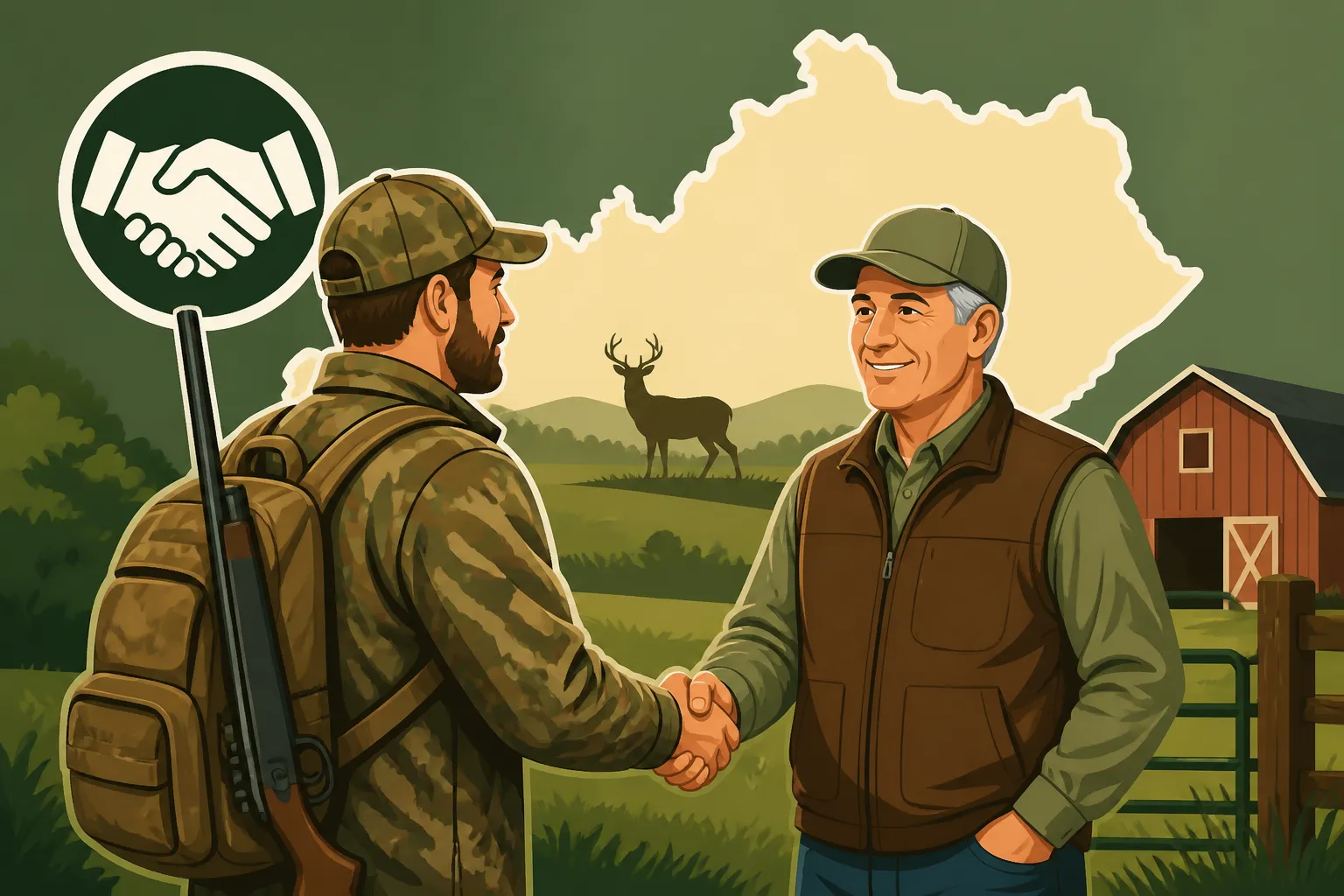
This is a question that comes up a lot, and for good reason. Do You Need Written Permission in Kentucky? The simple answer is: while verbal permission is legally sufficient in Kentucky for most general hunting activities, written permission is always a better idea. Why? Because it leaves no room for misunderstanding or forgotten agreements. A handshake deal is great, but memories fade, and circumstances change.
Having something in writing – even a simple note with the landowner's signature, date, and a description of the property – provides clear documentation. It specifies who can hunt, what they can hunt, when (dates, times of day), and where (specific areas of the property). This protects both you and the landowner. If a new person moves to the property, or if the landowner's memory gets hazy, that written note is your proof. It's a small step that can prevent major headaches down the road and shows a high level of professionalism and respect for the landowner's generosity.
Retrieving Game From Private Land in Kentucky
Picture this: you've made a perfect shot on a beautiful Kentucky buck, and it runs 50 yards, unfortunately crossing the property line onto a neighbor's posted land. This is a scenario every hunter dreads. In Kentucky, if your game animal crosses onto property where you do not have permission, you do not automatically have the right to pursue or retrieve it. This is considered trespassing.
Your first step must be to contact the landowner of the adjacent property and request permission to retrieve your animal. If you can't reach them, or they refuse, you're in a tough spot. Some landowners might be understanding, especially if you approach them calmly and respectfully, explaining the situation and offering to show them where the animal went. Others might be less accommodating, which can be heartbreaking when you have a downed animal nearby. It's another strong argument for having Finding Kentucky Property Lines clearly defined and knowing your boundaries before you ever take a shot. Planning your hunts with adjacent property lines in mind, and ideally securing permission on neighboring tracts, can prevent this difficult ethical and legal dilemma.
Researching Potential Properties
Finding the right property to ask for permission isn't just about driving around and pointing at a pretty field. It requires a bit of detective work and strategic thinking. You want to identify properties that are likely to hold game and where the landowner might be receptive.
Identifying Promising Tracts
Start by thinking about what makes good hunting habitat in Kentucky. Look for areas with a mix of timber, fields, water sources, and cover. Creek bottoms, ridge-tops, and areas with diverse vegetation are often prime deer and turkey habitat. Pay attention to properties that might seem overlooked or less intensely farmed. Small, irregular woodlots surrounded by fields, or tracts with difficult access (like a steep hollow) might not appeal to every hunter, making them more available.
Also, consider properties that are adjacent to public land or known game corridors. Deer often travel between public and private ground, especially if the private land offers better cover or food sources. Look for signs of neglect, such as overgrown fields or unkempt fences; while not always a deal-breaker, it might indicate a landowner who is less hands-on and perhaps more open to someone helping manage their land, including through hunting. This is where Reading Aerial Photos for Eastern Kentucky Deer or Reading a Ridge for Cumberland Deer can be invaluable. Don't limit your search to just large, sprawling properties; sometimes the smaller, overlooked parcels can be absolute gems.
Utilizing Mapping Tools (onX Hunt, GoHunt)
In today's age, mapping applications are an absolute game-changer for identifying potential hunting properties and their owners. Tools like onX Hunt and GoHunt have become indispensable for this kind of research. These apps allow you to see property boundaries, landowner names, and often even contact information, all overlaid on detailed satellite imagery and topographical maps. This means you can scout from your couch, pinpointing properties that fit your criteria without ever setting foot on the ground.
You can use onX Hunt to identify parcels that are directly next to public land but don't show any obvious signs of current hunting pressure. You can see the property lines with incredible accuracy, which is essential for avoiding accidental trespass. Furthermore, these apps often provide landowner names, which allows you to look up contact information and address your request to the right person. Imagine being able to scout a potential Hunting a Funnel Between Two Hollows or Hunting a Green Field Planted for Deer before even leaving home, identifying the precise property owner. This saves immense time and ensures you're reaching out to the correct party, making your initial contact much more professional.
Finding Landowner Information
Once you've identified a promising tract using your mapping apps, the next step is finding the landowner's contact information. While apps like onX Hunt and GoHunt often provide names, you might need to dig a little deeper for addresses or phone numbers. County property tax records are public information and can often be accessed online through the county PVA (Property Valuation Administrator) website. This will usually give you the landowner's mailing address.
If you can't find a phone number, writing a polite letter is a great way to make initial contact. Sometimes, simply driving by the property (without trespassing, of course) can reveal a mailbox with a name, or you might even spot the landowner working in a field. Local courthouses, particularly the county clerk's office, can also be a resource for property records. Don't be afraid to ask around at local businesses like feed stores or co-ops; often, folks in rural communities know who owns what. Just remember to be discreet and respectful of privacy when gathering this information. The more personal and direct your contact, the better your chances.
| Method of Research | Description | Pros | Cons |
|---|---|---|---|
| Mapping Apps | onX Hunt, GoHunt, etc. for property lines, owner names. | Highly efficient, visual, extensive data. | Subscription cost, not always 100% accurate contact. |
| County PVA Website | Public records for property owners and mailing addresses. | Free, accurate mailing addresses. | No phone numbers, requires manual lookup. |
| Local Knowledge | Asking at feed stores, gas stations, local community. | Can lead to direct contact, personal connection. | Can be hit or miss, relies on others' willingness. |
| Drive-By Scouting | Observing properties from public roads. | Free, firsthand visual assessment. | Time-consuming, no direct contact info. |
Crafting Your Approach: What to Say and How to Present Yourself
This is where the rubber meets the road. You've done your homework, found a potential property, and identified the owner. Now, how do you actually make the ask? This requires preparation, confidence, and a genuine, respectful demeanor.
Making a Great First Impression
First impressions are everything, especially when you're asking for a favor as significant as hunting access. When you approach a landowner, dress neatly and conservatively. You don't need to be in a suit, but leave the muddy hunting boots and camo at home for the initial contact. Think clean jeans, a nice shirt, and presentable shoes. Your appearance signals your respect for them and their property.
Timing is also crucial. Avoid knocking on doors during meal times, early mornings, late evenings, or when they appear to be busy with farm work or other obligations. Weekends or a relaxed afternoon might be better. When you do approach, be polite, introduce yourself clearly, and state your purpose upfront. Make eye contact, offer a firm handshake, and keep your tone friendly and professional. Remember, you're asking for a privilege, not a right.
The "Script": What to Include in Your Request
This isn't about memorizing lines, but having a clear, concise, and respectful outline of what you want to convey. Start by introducing yourself and mentioning how you got their contact information (e.g., "I noticed your property while driving through and looked up your information on the county PVA site"). Express your admiration for their property – "You have some beautiful timber here" or "Your fields look incredibly well-maintained."
Then, state your request clearly: "I'm an avid hunter, and I was wondering if you ever allow anyone to hunt deer (or turkey, etc.) on your property." Immediately address their potential concerns. Emphasize your respect for their land, your commitment to safety, and your willingness to follow any rules they have. Offer to provide references, show proof of hunter education, and carry liability insurance (some hunters do, and it can be a big selling point). Mention that you'll always leave gates as you found them, pick up any trash (yours or otherwise), and will call ahead before every visit. You could even offer to help with small chores, like Asking a Kentucky Farmer for Permission to clear brush or mend a fence. The key is to demonstrate you'll be a responsible and respectful guest.
Here's a quick checklist of points to cover when approaching a landowner:
| Point of Discussion | Detail to Include |
|---|---|
| Introduction | Your name, where you're from, how you found them. |
| Compliment Property | Express appreciation for their land, observations about it. |
| State Purpose | Clearly ask about hunting permission (deer, turkey, etc.). |
| Address Concerns | Emphasize safety, respect for property, no littering. |
| Offer Specifics | When you'd hunt, where you'd park, what game you're after. |
| Offer Value | Help with chores, share meat, report issues, manage deer. |
| Provide Credentials | Hunter education, references, offer written agreement. |
| Ask About Rules | Inquire about any specific rules or areas to avoid. |
| Offer Contact Info | Give them your phone number and email. |
| Thank Them | Express gratitude regardless of their answer. |
Handling Rejection Gracefully
Not every door will open, and that's okay. Rejection is a part of this process, and how you handle it can actually leave a positive impression that might pay off in the future. If a landowner says no, simply thank them for their time and understanding. Don't argue, don't press, and definitely don't act entitled or disrespectful. A polite "I understand completely, thank you for considering it" is all that's needed.
Sometimes, a "no" isn't forever. They might have existing hunters, or maybe they just aren't comfortable with the idea right now. Leaving them with a positive impression, even in rejection, means they might remember you if their circumstances change. Maybe their current hunter moves away, or a relative who used to hunt can no longer do so. A year or two down the road, a polite, well-mannered person who respects their decision might be exactly who they think of when an opening comes up. This long-game approach is crucial in the often-slow-moving world of rural communities.
Building and Maintaining Relationships with Landowners
Getting permission once is a great start, but the real goal is to build a lasting relationship that ensures continued access and mutual benefit. Think of this as an ongoing partnership, not a one-time transaction.
Respecting Property and Rules
This should go without saying, but it's the absolute foundation of maintaining private land access. Every single time you step onto their property, treat it as if it were your own—or better. This means always following every single rule they lay out, no matter how small or inconvenient. If they say no ATVs, then don't bring one. If they say only hunt the back forty, don't sneak into the front woodlot. Vehicle Rules on Kentucky Public Land can be quite different from what a private landowner expects.
Leave no trash behind, pick up spent casings, and retrieve all your stands and equipment at the end of the season unless otherwise agreed upon. Close every gate you open, and report any issues you notice, like downed fences, trespassers, or unusual activity. This constant vigilance shows that you value their land and their trust. Consistency in your respectful behavior is what builds that deep, lasting trust that keeps your permission intact for years to come.
Offering Assistance Beyond Hunting
One of the best ways to solidify your relationship is by offering genuine help around their property, without expecting anything in return. Remember, they're doing you a favor by letting you hunt. How can you reciprocate? Maybe it's helping them clear a fence row, stack firewood, check on livestock, or even assist during planting or harvest season. For example, if it's a farming operation, offering to Entry Routes Through Standing Beans or Hunting a Standing Cornfield in Farm Country without damaging the crops, or even helping with the harvest, could be incredibly valuable.
Many landowners are older or have busy schedules, and a little extra help can go a long way. This isn't about being an indentured servant, but about being a good neighbor and showing sincere appreciation. You'll find that these acts of kindness often lead to deeper friendships and a stronger bond than any monetary payment could ever achieve. The more you invest in the relationship, the more secure your hunting access becomes.
Regular Communication and Appreciation
Don't just show up to hunt and disappear. Keep the lines of communication open, even when you're not actively hunting. A quick phone call or text to say "Hi, just checking in and hoping you're doing well" goes a long way. Share your hunting experiences with them – photos of a deer you harvested, or a story about a big gobbler you heard. They often enjoy hearing about the wildlife on their land.
At the end of the season, a thoughtful gesture of appreciation can reinforce your gratitude. This could be a thank-you card, a gift basket, some of the venison from your harvest, or even a gift certificate to a local restaurant. Even better, simply stopping by to chat and thank them in person can make a huge impact. Kentucky Deer Camp Traditions often include showing gratitude to those who provide access. These consistent acts of communication and appreciation solidify your place as a trusted and valued guest, ensuring your access for seasons to come.
Alternative Avenues for Private Land Access
While knocking on doors is a time-honored tradition, it's not the only way to gain access to private land in Kentucky. There are other options, each with its own set of considerations.
Kentucky Hunting Lease Costs and Finding a Lease
For those who want more control and guaranteed access, but don't own land, leasing is a common route. Kentucky Hunting Lease Costs can vary wildly depending on the location, acreage, game quality, and amenities. You might pay per acre, or a flat fee for a specific tract. Leases typically grant exclusive hunting rights for a set period, often annually, and can involve significant financial investment.
Finding a lease often involves networking, looking at online hunting lease forums, or contacting land management companies that specialize in connecting landowners with hunters. The benefit of a lease is clear: dedicated access and often the ability to manage the property (within lease terms) to improve hunting. The downside is the cost, which can be prohibitive for many hunters. Always make sure to have a clear, written lease agreement that outlines all terms, responsibilities, and liabilities for both parties.
Joining a Kentucky Hunting Club
Hunting clubs offer another avenue for private land access, pooling resources among members to lease larger tracts of land. Joining a Kentucky Hunting Club means sharing the costs and responsibilities, making it more affordable than a solo lease. Clubs often have established rules, management plans, and sometimes even amenities like cabins or food plots.
Joining a club can be a great way to gain access to quality land and build camaraderie with like-minded hunters. However, it also means adhering to club rules, sharing hunting spots, and potentially dealing with varying personalities and hunting styles. Research different clubs carefully, talk to current members, and ensure the club's philosophy aligns with your own. Some clubs focus purely on trophy hunting, while others are more about fellowship and sustainable harvest.
Farmer Deer Damage Permits and Landowner Tags
In specific situations, landowners in Kentucky might be issued Kentucky Deer Damage Permits for Farmers. These permits allow them or designated individuals to harvest deer outside of regular seasons or bag limits to mitigate agricultural damage. If you have a relationship with a farmer who is experiencing significant crop damage, offering to help them fulfill these permits could be a pathway to hunting access. It directly addresses a landowner's problem and offers a solution.
Additionally, some landowners might be eligible for special Kentucky Landowner Deer Permit Rules or tags, depending on their acreage. While these don't automatically grant you permission to hunt, a landowner who gets a certain number of tags for their property might be more inclined to let a trusted hunter help them fill those tags. Again, it's about finding a need and offering a solution, rather than just asking for a favor. Always ensure any hunting under these special permits is done strictly according to Kentucky Fish and Wildlife regulations and the specific terms of the permit.
Key Considerations and Best Practices for Private Land Hunters
Whether you secure permission through a cold call, a lease, or a club, there are overarching principles that every private land hunter should embrace to ensure a safe, ethical, and successful experience that honors the privilege granted.
Safety First on Private Land
Your number one priority, always and without exception, must be safety—for yourself, for the landowner, and for anyone else who might be on or near the property. This means practicing basic firearm safety, knowing your target and what's beyond it, and being intimately familiar with the layout of the land you're hunting. Identify all structures, roads, property lines, and potential non-hunter activity zones (e.g., hiking trails, neighboring houses) before you hunt.
Always communicate your hunting plans with the landowner: when you'll be there, where you'll be hunting, and when you expect to leave. This allows them to know what's happening on their property and avoid any accidental encounters. If you're hunting with others, ensure everyone understands the safety protocols and the landowner's specific rules. Wear appropriate blaze orange during modern gun seasons as required by Kentucky law, even if you're alone on private land, as it's a critical safety measure. Kentucky Blaze Orange Requirements are for your protection.
Managing Expectations and Understanding Limitations
Even with private land access, it's vital to manage your expectations. Not every private parcel is a trophy-producing paradise. Some properties might offer great opportunities for doe harvesting to help with herd management, while others might provide consistent turkey action. Understand what the land can offer, rather than what you hope it will offer. The landowner might also have specific limitations, such as only allowing hunting for a certain species, during specific times, or only allowing archery equipment.
Respect these limitations without complaint. They are granting you a favor, and their rules are paramount. If they say no hunting on Sundays, then you don't hunt on Sundays. If they have cattle in a certain field, you hunt around it or wait until the cattle are moved. Being flexible and understanding of their needs will go a long way in securing long-term access. Remember, you're a guest, and guests don't make demands.
Leaving No Trace and Being a Good Steward
The golden rule of private land hunting is simple: leave the property better than you found it. This goes beyond just packing out your trash. It means being mindful of your impact on the land itself. Avoid creating ruts with vehicles, don't damage fences or gates, and be careful with fire. If you put up a treestand, make sure it's secure, doesn't damage the tree unnecessarily, and is removed promptly after the season unless you have a specific agreement. Treestand Rules on Kentucky Public Land can also serve as a good general guide for responsible use.
Being a good steward also means being an ambassador for hunters. Your actions reflect not just on you, but on the entire hunting community. By demonstrating impeccable respect, responsibility, and care for the land, you reinforce the positive image of hunters as conservationists and ethical users of natural resources. This, in turn, helps secure access for future generations and potentially opens doors for other hunters in the community. It's about being the kind of hunter that landowners want on their property, year after year.
Disclaimer
This article is for general informational purposes only and does not constitute professional advice. Laws, prices and regulations vary by location and change over time. Consult a qualified professional for guidance on your specific situation.