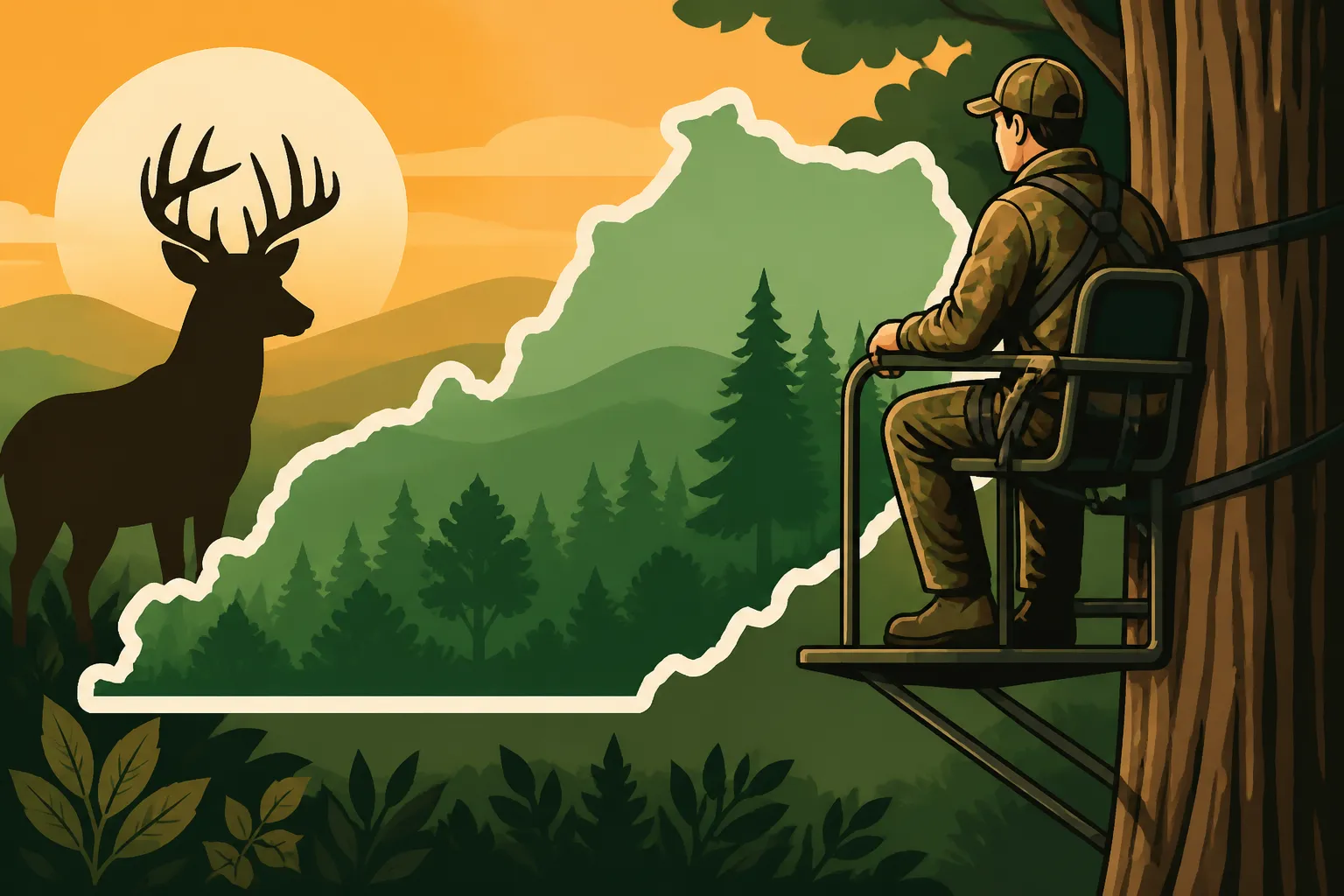
Treestand Rules on Kentucky Public Land
There's nothing quite like the anticipation of finding that perfect deer sign on public land, knowing you've located a prime ambush point, and then planning to hang your treestand. But before you hoist that stand into a prime oak or sturdy poplar, a common, unsettling thought often creeps in: "Am I actually allowed to do this here? What are the rules?" Navigating the regulations for treestands on Kentucky's public lands can feel like a tangled briar patch, full of unspoken assumptions and confusing details. No one wants to spend valuable hunting time, or worse, risk a citation, because they weren't clear on the specific guidelines. This comprehensive guide is here to untangle that web, providing clear, detailed information on what you need to know about treestand rules when hunting Kentucky's public hunting grounds, helping you hunt legally and effectively.
Understanding the Foundation: General Treestand Regulations on Kentucky Public Lands
When you're out scouting and thinking about where to set up your perch for the upcoming season, the first thing to wrap your head around is that not all public land is created equal in Kentucky. While there are some overarching principles, the specifics can and often do vary. This is where many hunters get tripped up, thinking a rule that applies to one type of public property will automatically translate to another. It's a common frustration, especially when you're just trying to do the right thing.
Generally speaking, the Kentucky Department of Fish and Wildlife Resources (KDFWR) manages most statewide hunting regulations, and they have some foundational rules for public land, particularly on Wildlife Management Areas (WMAs). The core idea often revolves around minimizing impact and ensuring fair access for all hunters. This means that permanent structures, like those built from lumber or materials that significantly alter the environment, are almost universally prohibited. The land is for everyone, and leaving a permanent mark can hinder future use or even damage habitat. We're talking about leaving a minimal footprint, folks.
The concept of "temporary" versus "permanent" becomes crucial here. A stand you carry in, use, and carry out each day is usually fine, assuming it doesn't damage the tree. But what about a stand you leave up for a few weeks or even the whole season? That's where the nuances really start to matter, and where many hunters find themselves scratching their heads. The fear of doing something wrong, even with good intentions, is a real concern for many of us who just want to enjoy our time in the woods without hassle.
Temporary Versus Permanent Stands
Let's really dive into what "temporary" versus "permanent" means in the eyes of Kentucky's public land managers. It's not just a philosophical debate; it's a rule with real consequences. A permanent stand is essentially anything that's affixed to a tree or the ground in a way that suggests it's meant to stay there indefinitely, or that requires structural modification to the tree. Think of old wooden ladder stands built on-site, or even elaborate enclosed blinds constructed from treated lumber. These are almost always a no-go on any Kentucky public hunting land. The rationale is clear: these structures can damage the trees, pose safety hazards if left to degrade, and privatize a public resource. They also make cleanup a nightmare for resource managers.
On the other hand, temporary stands are generally those commercially manufactured, portable units that are designed to be installed and removed with relative ease. This includes hang-on stands, climbing stands, and even saddle hunting setups. The key here is the portability and the method of attachment. If it requires nails, bolts, screws, or any other method that permanently pierces the tree bark and wood, it's likely going to be considered permanent and therefore prohibited. Many public land hunters use commercially available straps, chains, or cabling systems that wrap around the tree trunk without damaging it. These are generally accepted for temporary use. However, even these temporary stands often have rules about how long they can be left unattended, which is a detail many hunters overlook until it's too late. It’s important to familiarize yourself with Treestand Setups in Daniel Boone National Forest as well as general WMA rules.
Attaching Stands: What's Allowed and What's Not
The method you use to attach your stand to a tree is paramount. Kentucky's public land regulations are very specific about this, and for good reason. Driving nails, screwing in steps, or using any method that damages the living tissue of a tree is typically forbidden. This is a critical point that can easily lead to a violation if you're not careful. The goal is to preserve the integrity of the forest for both wildlife and other users. Imagine every hunter driving screws into trees; the forest would quickly look like a pincushion and trees would suffer.
So, what is allowed? The most common and accepted methods involve non-marring straps, cables, or chains that encircle the tree without penetrating the bark. Many modern commercially available treestands come equipped with such systems. For climbing aids, portable climbing sticks or strap-on steps that use a similar non-damaging attachment are generally acceptable. If you're a fan of the traditional screw-in steps, unfortunately, those are almost certainly out when you're hunting public ground in Kentucky. It's a fundamental difference from private land hunting where you might have more leeway with tree damage. Always check the specific WMA or public land rules before you head out, as even seemingly minor details can change from one area to the next.
Navigating Specific Public Land Types: WMAs, National Forests, and LBL
Kentucky offers a fantastic variety of public hunting opportunities, from vast national forests to smaller, intensely managed Wildlife Management Areas, and the unique Land Between the Lakes. The challenge, and sometimes the frustration, for hunters is that the treestand rules aren't always a one-size-fits-all proposition across these different categories. What's perfectly acceptable in one area might get you a ticket in another. This variability underscores why specific knowledge is so important.
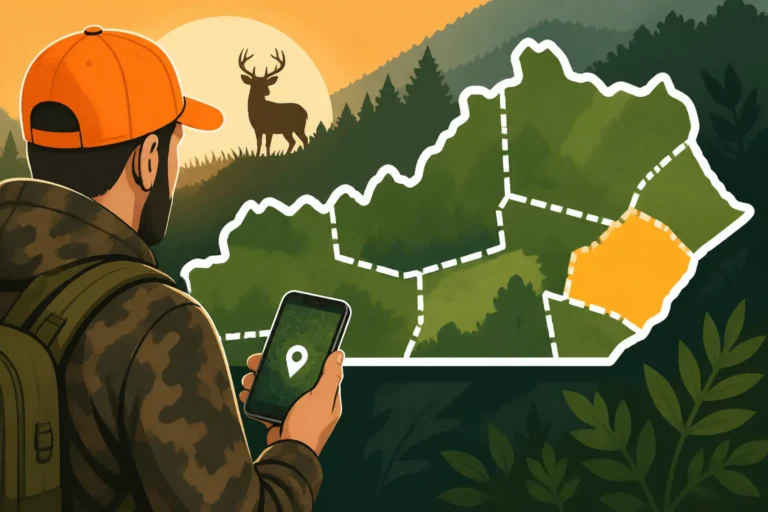
Wildlife Management Areas (WMAs) are managed by the KDFWR, and generally have the most consistent rules, but even within WMAs, there can be subtle differences. National Forests, like the expansive Daniel Boone National Forest, operate under federal guidelines that often parallel state rules but might have additional layers. Then there's Land Between the Lakes (LBL), a truly unique federal recreation area with its own distinct set of regulations that are crucial to understand if you plan to hunt there. It's enough to make your head spin sometimes, trying to keep track of it all. This is where a digital mapping tool like onX Hunt can be incredibly useful, allowing you to quickly check boundaries and often, the specific regulations for the piece of public ground you're eyeing.
Wildlife Management Areas (WMAs)
Most KDFWR-managed WMAs adhere to a similar standard when it comes to treestands. The general rule of thumb is that only portable stands may be used, and they must be removed at the end of the hunting season. Many WMAs will specify that stands must be removed within a certain timeframe after the season closes – often within a week or two. This is critical because leaving a stand out year-round, even if it's "portable," typically shifts it into a prohibited category and can lead to confiscation or fines. The idea is to prevent clutter, allow access for other users (hikers, bird watchers), and prevent stands from becoming permanent fixtures that degrade over time.
Furthermore, WMAs often have rules about identifying your stand. You might be required to tag your stand with your KDFWR hunter identification number or name and address. This helps managers enforce rules and return lost or confiscated property. Some WMAs might even prohibit screw-in steps entirely, reinforcing the non-damaging attachment rule. It’s always best to check the current year's hunting guide or the specific WMA's regulations on the KDFWR website. Don't assume that just because you hunted one WMA last year, the rules for another, or even the same WMA, haven't changed. Hunters who want to learn more about these areas might consider checking out Kentucky Wildlife Management Areas.
Daniel Boone National Forest
Hunting the vast expanse of the Daniel Boone National Forest is a different beast entirely. As federal land managed by the U.S. Forest Service, it operates under federal regulations in addition to state hunting laws. When it comes to treestands, the general consensus here is that temporary, portable stands are allowed, but they must be removed daily. This is a significant difference from many WMAs where stands can often be left up for the entire season. The "remove daily" rule in the national forest is designed to prevent long-term impacts, property abandonment, and to maintain the wild character of the forest.
While you won't typically find detailed individual forest regulations explicitly outlining "treestand rules" in the same way a WMA might, the overarching principle is "leave no trace." This means no permanent structures, no damaging of trees, and anything you bring in, you must take out. This "remove daily" rule can be a real logistical challenge, especially if you're deep in the rugged terrain of eastern Kentucky. It means more work, more hauling, and planning your hunts with stand retrieval in mind. This is another area where an application like onX Hunt becomes invaluable for navigating Daniel Boone National Forest Hunting and ensuring you're aware of access points and regulations.
Land Between the Lakes (LBL)
Land Between the Lakes is a unique national recreation area, managed by the U.S. Forest Service but with its own specific set of rules and permit systems. Hunting here requires a special LBL Hunt Permit in addition to your state licenses, and with that permit come its own treestand regulations. Historically, LBL has been stricter than some other public lands. While portable stands are generally permitted, the rules regarding how long they can be left in place are often very specific. Some areas within LBL might require daily removal, similar to the Daniel Boone National Forest, while others may allow stands to be left for specific periods, usually marked with hunter identification.
Always, always consult the current LBL hunting fact sheet or regulations booklet, which they update annually. These are usually available on the LBL website. They will explicitly state their treestand policy, including attachment methods, identification requirements, and removal deadlines. Ignoring these LBL-specific rules can quickly lead to permit revocation or fines, and nobody wants their hunting trip cut short for something avoidable. The LBL rules are often meticulously detailed, and it’s important to respect the management practices that allow for hunting in such a unique environment. For general access questions, checking out Hunting Land Between the Lakes Waterfowl can provide some helpful insights, even if it’s focused on birds.
Beyond the Rulebook: Ethical and Practical Considerations for Your Stand
Understanding the letter of the law is crucial, but being a responsible hunter on public land goes beyond simply not getting a ticket. There's a strong ethical component to how we use treestands, as well as practical considerations that make your hunt safer and more effective. These aren't always written in the regulation book, but they are vital for maintaining access, promoting good sportsmanship, and ensuring your own well-being.
One of the biggest ethical dilemmas on public land is dealing with "squatters" or other hunters' stands. It's a touchy subject, but knowing the rules about leaving stands helps everyone understand their rights and responsibilities. Beyond that, the impact your stand has on the natural environment and your fellow hunters needs to be a constant consideration. We're all sharing these limited resources, and respectful behavior is paramount. Many hunters, myself included, have felt the sting of finding another hunter's stand in "their spot," leading to confusion and frustration. Being mindful of these unwritten rules can prevent such conflicts.
Respecting Other Hunters and Their Property
It's a common, unspoken code among hunters that you don't mess with another hunter's gear. This extends to treestands. Even if a stand is left on public land, which may or may not be allowed depending on the specific property rules, it's generally considered unethical to hunt directly over it, move it, or damage it. If a stand is clearly abandoned or left well past the legal removal date, then that's a different story and might be something to report to wildlife authorities. However, during the season, assume that stand is actively being used. Finding a good spot on public land is hard enough without having to worry about someone else interfering with your setup.
Conversely, if you leave a stand on public land where permitted, understand that it is still public land. Your stand does not claim that spot as exclusively yours. Other hunters are entirely within their rights to hunt nearby, or even from your stand if it's unoccupied and they follow safety guidelines (though this is highly discouraged for safety and courtesy reasons). This is where clear identification on your stand, as often required by WMAs, helps. It's a reminder that we are guests on the land, and sharing is part of the deal. Being able to clearly identify what constitutes Hunting Pressure on Kentucky Public Land can help inform your strategy for respectful coexistence.
Minimizing Environmental Impact
Even with legal, temporary stands, we have a responsibility to minimize our environmental footprint. This means choosing trees wisely. Avoid small, young trees that could be damaged by the stand's pressure, or trees with thin bark that could be easily rubbed raw by straps. While modern stands are designed to be non-damaging, prolonged pressure from a heavy stand, especially on certain tree species or in wet conditions, can still have an impact. Always inspect the tree you intend to use for health and structural integrity before setting up.
Furthermore, when you remove your stand at the end of the season, take care to clean up any bits of rope, flagging tape, or other debris you might have left behind. The goal is to leave the woods exactly as you found them, or even better. Every piece of trash or non-natural material left behind detracts from the wild experience for the next person and can even be harmful to wildlife. This "leave no trace" ethic is vital for ensuring that public lands remain beautiful and healthy for generations of hunters and outdoor enthusiasts.
Setting Up for Success: Legal Stand Placement and Retrieval
Successfully hunting from a treestand on public land involves more than just finding a good tree. It requires careful planning to ensure you're both legal and effective, particularly when considering the specific rules for different areas and the practicalities of getting your gear in and out. This stage is where your scouting, research, and attention to detail really pay off.
One of the most common oversights is not having a clear plan for stand retrieval, especially on lands with daily removal rules. Or, forgetting to properly mark or identify a stand left for the season. These small errors can lead to big headaches. We've all been there, thinking we'll just "figure it out later," but with public land rules, "later" can often mean a missed opportunity or a confiscated stand. Tools like GoHunt can help plan your scouting and hunting trips to factor in these logistical challenges.
Proper Placement: Safety and Regulations
When choosing your treestand location, safety should always be the absolute top priority. This means selecting a healthy, strong tree that can safely support your weight and the weight of your stand. Avoid dead trees, trees with rot, or those that are leaning precariously. Always use a full-body harness, not just a safety belt, and use it from the moment your feet leave the ground until they return. Treestand falls are a leading cause of hunting accidents, and they are almost entirely preventable.
Beyond safety, consider the specific regulations for stand placement. Are there any setback rules from property lines or roads? While not common for treestands themselves, it's good to be aware of any general regulations that might indirectly affect your chosen spot. For instance, you wouldn't want to place a stand where your shot angle would carry beyond the public land boundary onto private property without permission. Using detailed maps, such as those provided by onX Hunt, can help confirm property lines and ensure your stand is positioned entirely within legal public hunting areas. This meticulous planning is key for both safety and legality.
Retrieval Strategies and Season End
The end of the season can be a mad scramble, especially if you have multiple stands out or if you hunt areas with strict removal deadlines. On WMAs that allow stands to be left for the season, make sure you know the exact date by which they must be removed. Mark it on your calendar, set reminders on your phone, and make a plan. Failing to retrieve a stand by the deadline can result in it being considered abandoned property, which managers are authorized to confiscate. Trust me, losing a good treestand because you forgot to pick it up is a really frustrating experience.
For areas like the Daniel Boone National Forest where daily removal is required, develop an efficient system for taking your stand down and packing it out. Lightweight, portable stands and climbing sticks are your best friends here. Consider using a backpack frame or a dedicated pack for carrying your stand and gear. The extra effort of hauling your stand in and out each day is a small price to pay for legal compliance and continued access to these beautiful public lands. It might even influence your choice of stand, leading you to lighter, easier-to-pack models.
| Public Land Type | Temporary Stands Allowed | Permanent Stands Allowed | Daily Removal Required? | Identification Required? | Example Attachment Methods |
|---|---|---|---|---|---|
| KDFWR WMAs (General) | Yes | No | No (seasonal removal) | Often | Non-marring straps/chains |
| Daniel Boone National Forest | Yes | No | Yes | No | Non-marring straps/chains |
| Land Between the Lakes | Yes (with permit) | No | Varies by area | Yes (LBL permit info) | Non-marring straps/chains |
| Private Land (with permission) | Yes | Yes | No | No | Any legal method |
Remember, this table provides general guidelines. Always verify the most current regulations for the specific piece of public land you intend to hunt. For example, reading about Scouting Kentucky Public Land Before Season will help immensely with planning your approach.
Final Thoughts on Treestand Use and Compliance
Hunting on Kentucky's public lands is a privilege that we all need to protect by adhering to the rules and being ethical stewards of the land. The regulations around treestands might seem tedious or overly complex at times, but they're in place for good reasons: to ensure safety, minimize environmental impact, and provide fair access for every hunter. Whether you're hunting deer in the rugged hills of Daniel Boone, chasing turkeys on a WMA, or planning a trip to the unique habitat of LBL, understanding and following the specific treestand rules for that area is non-negotiable.
Don't let uncertainty keep you from experiencing the incredible hunting opportunities Kentucky has to offer. Take the time to do your homework, consult the official KDFWR regulations, check the specific public land manager's website, and utilize modern mapping tools like onX Hunt or GoHunt. These resources can be invaluable for confirming boundaries and understanding nuances. Being prepared and compliant means you can focus on what truly matters: enjoying your time in Kentucky's wild spaces and pursuing the game you love. Happy hunting, and stay safe out there! Hunters seeking more information might also want to look into Finding Ground Others Walk Past to optimize their hunt.
Disclaimer
This article is for general informational purposes only and does not constitute professional advice. Laws, prices and regulations vary by location and change over time. Consult a qualified professional for guidance on your specific situation.