Hunting Land Between the Lakes Waterfowl
Land Between the Lakes (LBL) offers some of the most challenging yet rewarding waterfowl hunting experiences in Kentucky, but its immense size and complex regulations can be incredibly daunting for even seasoned hunters. Many folks get overwhelmed just looking at the maps, unsure where to start or how to navigate the specific rules that govern this unique area. This comprehensive guide aims to demystify hunting LBL waterfowl, offering practical advice and strategies to help you successfully target ducks and geese across its vast expanse of lakes, rivers, and flooded timber.
Understanding Land Between the Lakes as a Waterfowl Destination
The Land Between the Lakes National Recreation Area isn't just another public hunting ground; it's a colossal, 170,000-acre peninsula nestled between Kentucky Lake and Lake Barkley. This creates an absolutely incredible migratory corridor and wintering habitat for a huge variety of waterfowl. But its sheer scale also means understanding its nuances is critical. It’s not a place you just show up to without a plan.
The Unique LBL Landscape and Its Appeal
Imagine thousands of acres of timber that suddenly become flooded in late fall and winter, shallow bays, vast open water, and winding creek channels. That's LBL in a nutshell for waterfowl hunters. The combination of its massive water bodies, diverse shoreline, and extensive timber makes it a magnet for migrating ducks and geese. Kentucky Lake, one of the two massive impoundments flanking LBL, attracts a significant number of diver ducks, while the shallower, timbered areas and marshy edges are prime for dabblers. The sheer wildness of LBL, with its designated areas for hunting and significant refuge sections, means that birds often have safe havens, leading to larger, more stable populations throughout the season.
The ecosystem here is surprisingly diverse. You've got everything from cypress swamps in the southern reaches to expansive oak flats further north. When those acorns drop and the water rises, it creates a banquet for mallards and wood ducks. The vastness provides ample space for hunters to spread out, though popular spots can still see pressure, especially on opening weekend. Knowing how to read the landscape, from the main lake channels to the smallest sloughs, is key to consistent success.
Designated Hunting Areas and Waterfowl Sanctuaries
One of the most crucial aspects of hunting LBL is understanding the distinct zones. Not all land is huntable, and some areas are strictly managed as waterfowl sanctuaries to give birds a place to rest and feed undisturbed. These sanctuaries are absolutely vital to holding birds in the area, but they also mean you need to be hyper-vigilant about your boundaries. Straying into a sanctuary, even accidentally, can lead to serious trouble. The Kentucky Department of Fish and Wildlife Resources (KDFWR) and the USDA Forest Service, which manages LBL, publish detailed maps outlining these zones. Before you even think about setting foot on the ground, or launching your boat, study these maps intently. They're your bible for LBL.
The LBL area is divided into various hunting sections, some allowing general hunting, others requiring specific permits or having unique restrictions. For waterfowl, many key areas are along the lake shores or within the flooded timber. Some of these are accessible by boat only, while others might allow walk-in access to certain sloughs or ponds. Always double-check the current regulations, as LBL often has annual updates or specific closures that can change from year to year. Knowing which areas are open for Waterfowl Hunting Kentucky Lakes and Rivers is foundational to planning your trip.
Key Access Points and Navigation Challenges
Accessing LBL can be tricky, especially if you're targeting specific areas. On the Kentucky side, major access points include boat ramps along Kentucky Lake and Lake Barkley. Places like the Blood River area, various bays, and creek mouths offer starting points for exploration. However, many prime hunting locations are deep within the flooded timber or require navigating shallow channels that can quickly become treacherous for larger boats. A good mapping app like GoHunt, with its detailed satellite imagery and property line overlays, is indispensable here. It can help you identify hidden sloughs, navigate through flooded timber, and ensure you're not inadvertently trespassing or entering a sanctuary.
Navigating the LBL can be particularly challenging in low light or foggy conditions, which are common during prime waterfowl season. Marker buoys and GPS waypoints become your best friends. Always share your hunting plan and expected return time with someone reliable. The vastness can be disorienting, and getting stuck or lost deep in a slough is not something you want to experience, especially when temperatures plummet. Consider scouting key areas during the off-season, before the water levels rise and the leaves fall, to get a better lay of the land.
Navigating Regulations and Permits at LBL
Hunting Land Between the Lakes isn't just about showing up with your shotgun and decoys; it's about understanding a layered system of permits and regulations that are specific to this unique federal property, in addition to statewide Kentucky hunting laws. Skipping this step is a surefire way to run into trouble or, worse, ruin your hunt.
LBL-Specific Permits and State Licenses
First and foremost, you'll need all the standard Kentucky hunting licenses: a statewide hunting license, a Kentucky Migratory Bird-Waterfowl Permit, and a federal duck stamp. These are non-negotiable for hunting migratory birds anywhere in Kentucky. Additionally, you absolutely must possess a Kentucky HIP certification for bird hunters. This is a federal requirement for anyone hunting migratory birds, and it's free to get when you purchase your state license.
Beyond the statewide requirements, LBL itself has additional permits. For most waterfowl hunting in the LBL area, you will need a special LBL hunt permit, which is typically purchased online or at visitor centers. These permits often have specific conditions, such as hunt dates, bag limits that might differ slightly from statewide rules, and designated hunt zones. It's crucial to obtain the correct permit for waterfowl and read all associated literature carefully. I can't stress this enough: do not assume LBL rules are identical to other public lands in Kentucky. They're usually not. Failure to carry the required LBL permit, alongside your state licenses and federal stamp, can result in hefty fines and a ruined day.
Understanding Waterfowl Zone Boundaries
Kentucky is divided into waterfowl zones, each with specific season dates and bag limits. LBL falls into one of these, typically the West Zone, but it's essential to confirm this every year as boundaries can occasionally be adjusted. Understanding these zones is critical for knowing when the season opens and closes, as well as daily bag and possession limits for various species. You can find detailed information on Kentucky Duck and Goose Zone Rules through the KDFWR website.
The complexity at LBL comes with the overlap of these statewide zones and the internal LBL management zones, which include the aforementioned sanctuaries and designated hunting areas. You need to know both. For instance, while the state may have a season open for a particular species, certain areas within LBL might be closed to hunting or have special regulations to protect staging birds. Using an app like GoHunt to layer the LBL-specific maps over state regulations can be a lifesaver, helping you visualize exactly where you can and cannot hunt at any given moment. This level of detail helps prevent accidental infractions and ensures you're making the most of your hunting time legally and ethically.
Reporting Requirements and Special Rules
Kentucky requires all deer and turkey harvests to be telechecked, but waterfowl have a different reporting system primarily through the Harvest Information Program (HIP). However, LBL itself sometimes implements specific reporting requirements or check-in/check-out procedures for certain hunts or areas, especially if they are part of a special quota hunt or research program. Always check your LBL permit details and the annual hunting guide for any unique reporting rules. For example, some areas might require you to complete a daily hunt card or physically check out with LBL staff.
Beyond reporting, be aware of other special rules. These might include restrictions on motor size in certain bays, prohibitions on certain types of blinds, or rules about retrieving downed birds from refuge areas. For example, some areas might prohibit permanent blinds, requiring you to use portable blinds or natural cover. Remember, LBL is also a recreational area for many other users – hikers, anglers, campers – so being a good steward of the land and respecting others' experiences is paramount. Leave no trace, pack out all your shells, trash, and discarded decoys. A hunting permit is a privilege, and respecting the rules helps ensure continued access for everyone.
Key Waterfowl Species and Their Habits in LBL
The Land Between the Lakes region is a major stopover and wintering ground for a diverse array of waterfowl, making it an exciting destination for hunters. Understanding which species you're likely to encounter and their typical behaviors in this unique environment is crucial for effective hunting.
Dabblers and Divers: What to Expect
LBL attracts both dabbling ducks (like mallards, wood ducks, and gadwalls) and diving ducks (such as canvasbacks, redheads, scaup, and buffleheads). Each group prefers different habitats within the LBL's varied landscape.
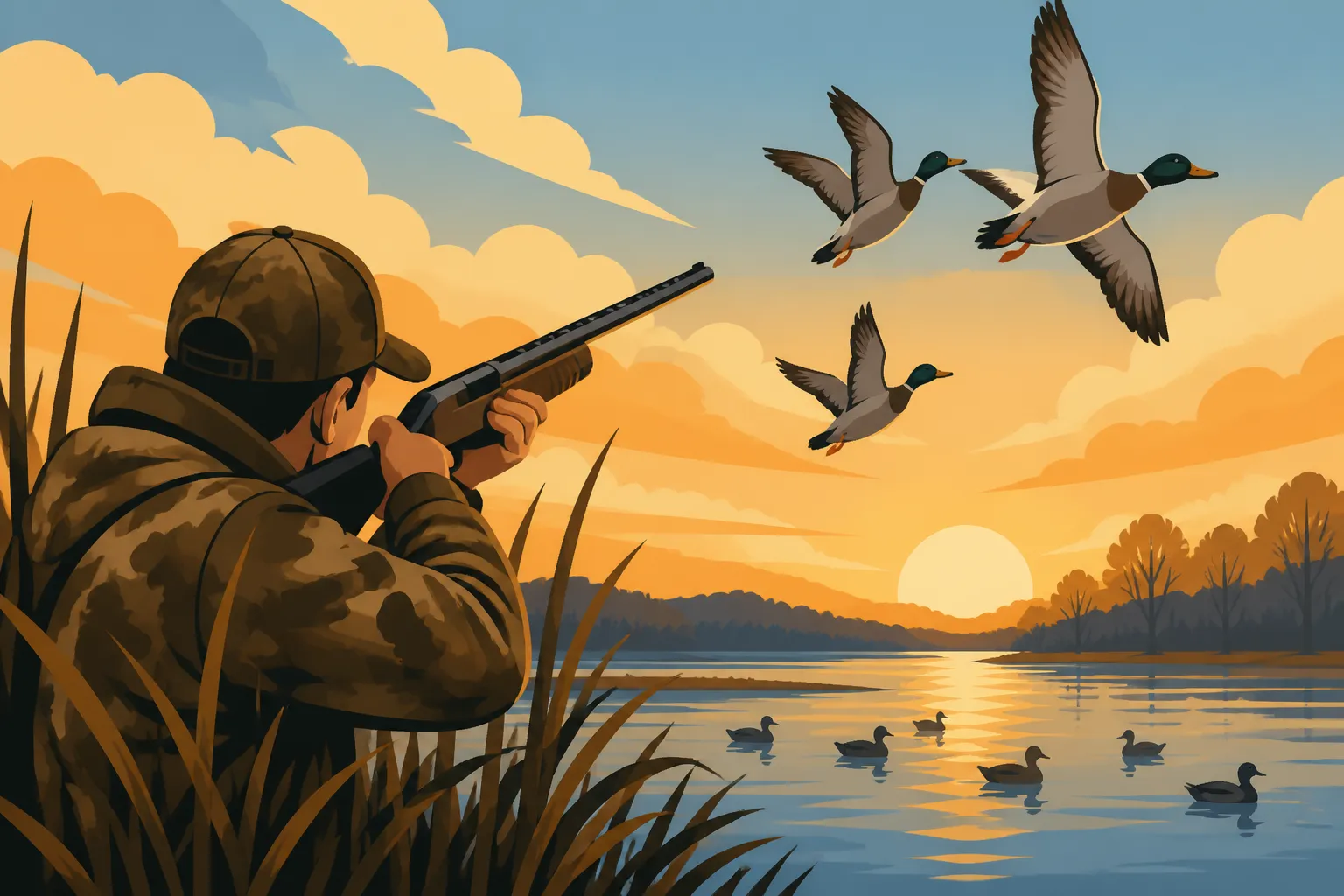
Dabbling ducks are often found in the shallower, vegetated waters, flooded timber, and backwater sloughs. Mallards, the king of dabblers for many, absolutely love the flooded oak flats when the acorns are dropping. You'll find them pitching into these areas at first light, especially after a cold front. Wood ducks are early season favorites, often found in the secluded, timbered creeks and beaver ponds, darting through the trees with incredible agility. They feed by tipping up, dabbling at the surface, and often consume seeds, acorns, and aquatic insects. Hunting these species often means setting up in tight cover, using smaller, more natural decoy spreads, and focusing on areas with abundant natural food sources. Hunting Land Between the Lakes Flooded Timber is a classic way to target these birds.
Diving ducks, on the other hand, prefer the deeper, more open waters of Kentucky Lake and Lake Barkley. Species like canvasbacks and redheads will raft up in huge numbers on the main lake, feeding on submerged aquatic vegetation. Scaup and ringnecks are also common. These birds can be challenging to hunt as they often stay far from shore, requiring large decoy spreads set in open water, often with the use of layout blinds from a boat. Understanding their flight patterns and preferred feeding grounds is essential. If you're targeting Kentucky Lake Diver Ducks, expect to scout extensively and be prepared for open-water conditions. The wind and waves can be a real factor, so appropriate boats and safety gear are paramount.
Goose Hunting Opportunities
While ducks often get most of the attention, LBL also offers excellent goose hunting, primarily for Canada geese. These magnificent birds utilize both the large open waters of the lakes for roosting and the surrounding agricultural fields and grassy areas for feeding. Early in the season, you might find resident Canada geese in smaller family groups, but as winter progresses, larger migratory flocks move in, often congregating in cut cornfields or winter wheat fields near the LBL boundaries.
Hunting geese at LBL often involves different tactics than duck hunting. While you might encounter some geese on the water, the most consistent goose hunting typically happens in fields. This means getting permission from private landowners bordering LBL, or looking for specific public fields managed for goose hunting. Layout Blind Hunting Western Kentucky Fields can be highly effective for geese. You'll need large decoy spreads, often full-body decoys, and powerful calls to bring in wary flocks. Be prepared for early morning setups, lying low in blinds, and patiently waiting for those big birds to commit. Don't overlook the potential for a mixed bag hunt if you're set up near a field with a water source that also attracts ducks.
Late Season Migrations and Food Sources
The late season in LBL, particularly from December into January, can be incredibly productive, especially after successive cold fronts push birds south. This is when you often see the largest concentrations of migratory ducks and geese. As temperatures drop and smaller bodies of water freeze, birds funnel into the vast, open water of Kentucky Lake and Lake Barkley. The challenges increase with the colder weather, but so do the rewards.
Food sources become critical in the late season. While acorns are crucial earlier on, later in the season, birds will key in on waste grain in agricultural fields, smartweed, and various submerged aquatics. Scouting late-season is about observing where birds are feeding heavily. If you're on the water, look for active feeding zones – patches of open water amidst ice, or areas where divers are consistently working. For geese, it's all about finding the hottest field. The birds are smarter, warier, and more sensitive to pressure by this time, so impeccable concealment and realistic decoy spreads become even more vital. Understanding Late-Season Food Sources for Kentucky Whitetails might even provide some overlap in identifying areas that hold deer and provide cover or food for waterfowl, though the specific food types will differ.
Effective Hunting Strategies for LBL Waterfowl
Hunting waterfowl in Land Between the Lakes demands adaptable strategies due to the varied terrain and the ever-changing habits of the birds. What works for divers on Kentucky Lake might be useless for mallards in flooded timber. Being flexible and prepared for different scenarios is key.
Decoy Spreads for Different Scenarios
The type and size of your decoy spread will vary significantly depending on the species you're targeting and the environment you're hunting.
-
Flooded Timber & Shallow Backwaters (Dabblers): For mallards, wood ducks, and other dabblers in flooded timber, smaller, more natural spreads are often best. A dozen to two dozen decoys, primarily mallards with a few wood ducks thrown in, can be plenty. Focus on creating a landing zone in a pocket of open water within the trees, positioned so birds can cup their wings and drop right into your shooting lane. Consider using motion decoys like spinning wing ducks (if legal in your specific LBL hunt area and during the season), but don't overdo it in tight cover. The goal is to mimic a small group of contented ducks. For more general advice, consider principles from Decoy Placement for Pressured Kentucky Birds and adapt them to waterfowl.
-
Open Water (Divers): When targeting divers on the main lakes, you'll need a much larger spread. These birds raft up in hundreds or thousands, so a dozen decoys will look lost. Think 50, 100, or even more decoys, predominantly diver species like canvasbacks, redheads, and bluebills. Diver spreads are often set in long lines or J-hook patterns, mimicking a large feeding raft. Focus on presenting a realistic "wall" of decoys that can be seen from a distance, with a large, inviting opening for birds to land. Positioning your boat and blinds effectively relative to the wind is crucial to get divers to commit. Getting a true handle on Decoy Spreads for Kentucky Lake Divers is essential here.
-
Field Hunting (Geese): For Canada geese in fields, size matters. A common spread might involve 3-5 dozen full-body goose decoys, strategically placed to mimic a feeding flock. Add in a few sentry or feeder decoys, and consider flaggers or "motion" decoys to draw attention from afar. The pattern should look natural, with birds facing different directions. Always position your blinds downwind of your spread, allowing geese to finish into the wind, presenting good shots as they commit. Early Goose Season Tactics in Kentucky offers a great foundation for field hunting.
Blind Setups and Concealment Tactics
Effective concealment is paramount, no matter where you hunt waterfowl in LBL. These birds have incredible eyesight, and even a slight glint or unnatural shape can send them flaring.
-
Flooded Timber Blinds: In the timber, natural concealment is often your best friend. Find a large tree or a cluster of smaller trees that breaks up your outline. Use camouflaged netting or natural vegetation to brush in your position. A portable ground blind or even just a seat strapped to a tree can provide comfort and stability. The key is to blend in completely with your surroundings. Many hunters utilize makeshift blinds from fallen timber or dense thickets.
-
Boat Blinds & Layout Blinds: For open water, a well-camouflaged boat blind is essential. This can be built directly onto your boat or a specialized "marsh boat." Brush it in heavily with natural vegetation from the area – cypress branches, cane, cattails. Ensure there are no gaps for light to glint off your face or gun. Alternatively, especially for field hunting geese or divers far from shore, Layout Blind Hunting Western Kentucky Fields techniques become vital. Layout blinds allow you to lie completely flat, becoming virtually invisible in a field or shallow water when properly brushed in. These require careful placement and brushing to disappear into the landscape.
-
Reading the Sun and Wind: Always consider the sun's position. Avoid having the sun directly behind you, silhouetting your position. Also, pay close attention to the wind. Waterfowl almost always land and take off into the wind. Position your blind so that incoming birds are flying into the wind, giving you optimal shooting opportunities as they hover or commit to your spread. This also keeps birds from flaring directly over your head, allowing them to work into your spread from the front.
Reading the Water and Weather for Success
Water levels and weather patterns are huge determinants of waterfowl success at LBL. They dictate where birds will be, how they'll behave, and what kind of hunting conditions you'll face.
-
Water Levels: LBL's water levels fluctuate significantly. Early in the season, lower water might mean dabblers are concentrated in smaller, isolated pools or creek channels. As winter progresses, the Army Corps of Engineers raises the water levels on Kentucky Lake and Lake Barkley, flooding vast timbered areas. This opens up new hunting grounds and can disperse birds across a wider area. Consistently checking water levels (often available on the TVA or Corps of Engineers websites) will tell you which timbered areas are accessible and which sloughs are now holding water. A good GoHunt map with contour lines can help you predict which areas will flood and how deep the water will be.
-
Cold Fronts and Migrations: Cold fronts are a waterfowl hunter's best friend. A strong cold front pushing down from the north often brings in new waves of migratory birds. Pay attention to weather forecasts, not just for your hunting day, but for patterns in states to your north. A major freeze in Illinois or Missouri usually means fresh birds are heading south, and LBL is a prime destination. Conversely, warm spells can stall migrations or make birds less active.
-
Wind and Rain: Windy days, particularly those with a chop on the water, can be excellent for ducks. The wind keeps birds moving, helps your decoys look more lifelike, and can help cover minor movements in your blind. Rain, especially a light drizzle, can also be productive, as it often pushes birds down and reduces their visibility. However, heavy rain or strong winds can make open-water hunting dangerous, so always prioritize safety. Don't be afraid to postpone or move your hunt if conditions become unsafe.
Essential Gear and Preparation for an LBL Hunt
Hunting Land Between the Lakes isn't a casual affair; it requires specialized gear and thorough preparation. The sheer scale of the area, combined with variable weather and water conditions, means you need to be well-equipped for anything.
Boats, Motors, and Waders: Getting Around
Access to much of the prime waterfowl habitat in LBL, especially the flooded timber and open water, hinges on having the right boat and knowing how to use it safely.
-
Boats and Motors: A robust, reliable boat is non-negotiable for LBL waterfowl hunting. For open-water diver hunting on Kentucky Lake, you'll want a stable, deep-V boat capable of handling rough water, perhaps a 16-20 foot aluminum or fiberglass craft with a strong outboard motor (at least 40-50hp or more). This allows you to reach distant spots safely and quickly. For flooded timber, a smaller, shallower-draft boat like a jon boat (14-16 ft) with a mud motor or a smaller outboard (25-40hp) is ideal. Mud motors excel in navigating extremely shallow water and through dense vegetation, allowing access to areas conventional outboards can't reach. Ensure your motor is well-maintained, and always carry spare shear pins, tools, and a full tank of gas (plus a reserve!). Navigation lights, a bilge pump, and safety equipment (life jackets for everyone, throw cushion, horn, fire extinguisher) are legally required and absolutely essential for safety. Many hunters specifically tailor their boat for Marsh Boats and Push Poles to optimize it for LBL’s unique terrain.
-
Waders: Good quality waders are indispensable. You'll be standing in water, often cold water, for hours. Neoprene waders (3.5mm or 5mm) are excellent for insulation in colder temperatures. Look for durable, puncture-resistant models, as you'll be trudging through brush, stumps, and over hidden obstacles. Stockingfoot waders with separate, insulated boots can offer more comfort and customization. Always wear layers underneath your waders to manage warmth and moisture effectively. Having reliable Waders for Flooded Timber Hunting can make or break a hunt.
Calls, Optics, and Ammunition
Your ancillary gear needs to be just as robust as your primary equipment.
-
Calls: Carry a variety of calls. For ducks, a good mallard call (either a single or double reed), a wood duck whistle, and perhaps a gadwall call are standard. Practice your calling before the season. Sounding realistic and knowing when to call (and, crucially, when not to call) makes all the difference. For geese, a short-reed Canada goose call is a must, along with a few larger flute calls if you're working really big flocks.
-
Optics: While you might not need high-powered rifle scopes for waterfowl, a good pair of binoculars (8×42 or 10×42) is invaluable for scouting and identifying birds on distant water or fields. They help you pick out species, observe flight patterns, and gauge bird numbers without disturbing them. A rangefinder can also be useful for marking distances to decoys or landmarks, especially in open water.
-
Ammunition: Remember that lead shot is strictly prohibited for waterfowl hunting throughout the U.S. You'll need to use non-toxic shot like steel, bismuth, or tungsten-iron. For ducks, common shot sizes range from #2 to #4 steel, or #4 to #6 bismuth/tungsten. For geese, larger shot sizes like BB, BBB, or T steel, or #2 or #BB bismuth/tungsten are preferred. Pattern your shotgun with your chosen ammunition before the season. Shotguns with modified or improved cylinder chokes are often versatile for ducks, while full or extra-full chokes might be preferred for long-range goose shots.
Scouting Tools and Pre-Season Prep
The biggest mistake you can make at LBL is not scouting. This area is too vast and too dynamic to rely on luck alone.
-
Mapping Apps: A premium mapping app, like GoHunt, is absolutely essential. Download offline maps for the LBL area, as cell service can be spotty or nonexistent in many remote sections. Use the app to study topography, locate potential flooded timber, identify sloughs, mark sanctuary boundaries, and scout out access points. You can pre-mark potential spots, trails, and even wind directions for future hunts. Learning to use onX Layers for Kentucky Land Status can be a game changer for understanding public/private boundaries around LBL.
-
Physical Reconnaissance: Nothing beats boots (or waders) on the ground. Drive the accessible roads, launch your boat in potential areas, and physically explore. Look for sign: fresh tracks in the mud, droppings, and feeding activity. Listen for birds, especially at dawn and dusk. Pay attention to water depth and vegetation. This is where you'll find those hidden pockets of flooded timber or the perfect, secluded slough that doesn't get hammered by other hunters. Scouting during the off-season, when leaves are on the trees and water is lower, can reveal hidden structures, old creek channels, and travel corridors that become prime spots when the water rises. This ties directly into the broader advice for Scouting Kentucky Public Land Before Season.
-
Permit and Regulation Review: Before every trip, re-read the current LBL hunting regulations and the Kentucky Waterfowl Hunting Guide. Regulations can change, and you don't want to be caught off guard. Verify season dates, bag limits, shooting hours, and any special LBL rules. Print out copies of your licenses and permits, and store them in a waterproof bag. It's a small step that can save you a huge headache.
Conservation and Ethical Hunting Practices at LBL
As hunters, we are the frontline of conservation. This is especially true in an ecologically significant area like Land Between the Lakes. Our actions directly impact the future of waterfowl hunting and public perception.
Respecting Sanctuaries and Other Users
LBL is a multi-use recreation area, meaning hunters share the landscape with hikers, birdwatchers, anglers, and other visitors. Respect for these other users, and for the regulations governing wildlife sanctuaries, is paramount. Never hunt or even enter a designated waterfowl sanctuary. These areas are established to provide vital resting and feeding grounds for birds, concentrating them in the LBL area and offering them respite from hunting pressure. Violating sanctuary boundaries not only carries legal penalties but also undermines conservation efforts and reflects poorly on all hunters. Always double-check your maps, especially if using a mapping app like GoHunt, to ensure you are well within legal hunting zones.
Beyond strict boundaries, be mindful of your presence. Avoid excessive calling that might annoy others. Retrieve all downed birds promptly and efficiently, even if it means a long wade or paddle. Leave no trash behind – spent shotgun shells, empty snack wrappers, and especially old decoys should all be packed out. A pristine hunting area benefits everyone and ensures continued access. Remember, we are guests in this environment, and our behavior sets the tone for future generations of hunters and for the general public's view of our sport.
Responsible Harvest and Carcass Disposal
Ethical hunting dictates that we make every effort to harvest game responsibly and utilize what we take. For waterfowl, this means taking clean shots within your effective range, minimizing crippling losses, and making every effort to recover all downed birds. Even if a bird falls into thick cover or seemingly inaccessible water, make a determined effort to find and retrieve it. A good retriever dog is an invaluable asset in this regard.
Proper carcass disposal is also critical, especially in a public area like LBL. Never leave plucked feathers, entrails, or uncleaned carcasses scattered around your hunting spot or boat ramp. Field dress your birds discreetly, ideally away from public view. Take all parts with you for proper disposal, either in a designated waste receptacle or at home. This prevents attracting scavengers to public areas, reduces the spread of disease, and maintains the aesthetic appeal of the recreation area for all. Practicing responsible harvesting and disposal honors the game and demonstrates respect for the environment.
Contributing to Waterfowl Conservation
Every waterfowl hunter in LBL, and across Kentucky, contributes to conservation through their actions and their license purchases. The funds from your Kentucky hunting licenses, waterfowl permits, and federal duck stamps directly support habitat restoration, research, and management efforts that benefit ducks and geese. This collective effort has been incredibly successful in bringing back waterfowl populations from historic lows.
Beyond monetary contributions, you can actively participate in conservation. Consider volunteering for habitat projects in your area, participating in waterfowl surveys, or joining conservation organizations like Ducks Unlimited or Delta Waterfowl. These groups do incredible work in securing and enhancing wetlands, which are crucial for waterfowl survival. Educate new hunters on ethical practices and the importance of conservation. By being informed, responsible, and engaged, LBL waterfowl hunters ensure that this incredible resource remains vibrant and accessible for generations to come.
Disclaimer
Always check the current Kentucky Department of Fish and Wildlife Resources (KDFWR) regulations and specific Land Between the Lakes (LBL) rules and permit requirements before planning any hunting trip, as laws and seasons can change annually. This guide is for informational purposes only and should not be considered a substitute for official regulations.