Hunting Kentucky Lake Diver Ducks
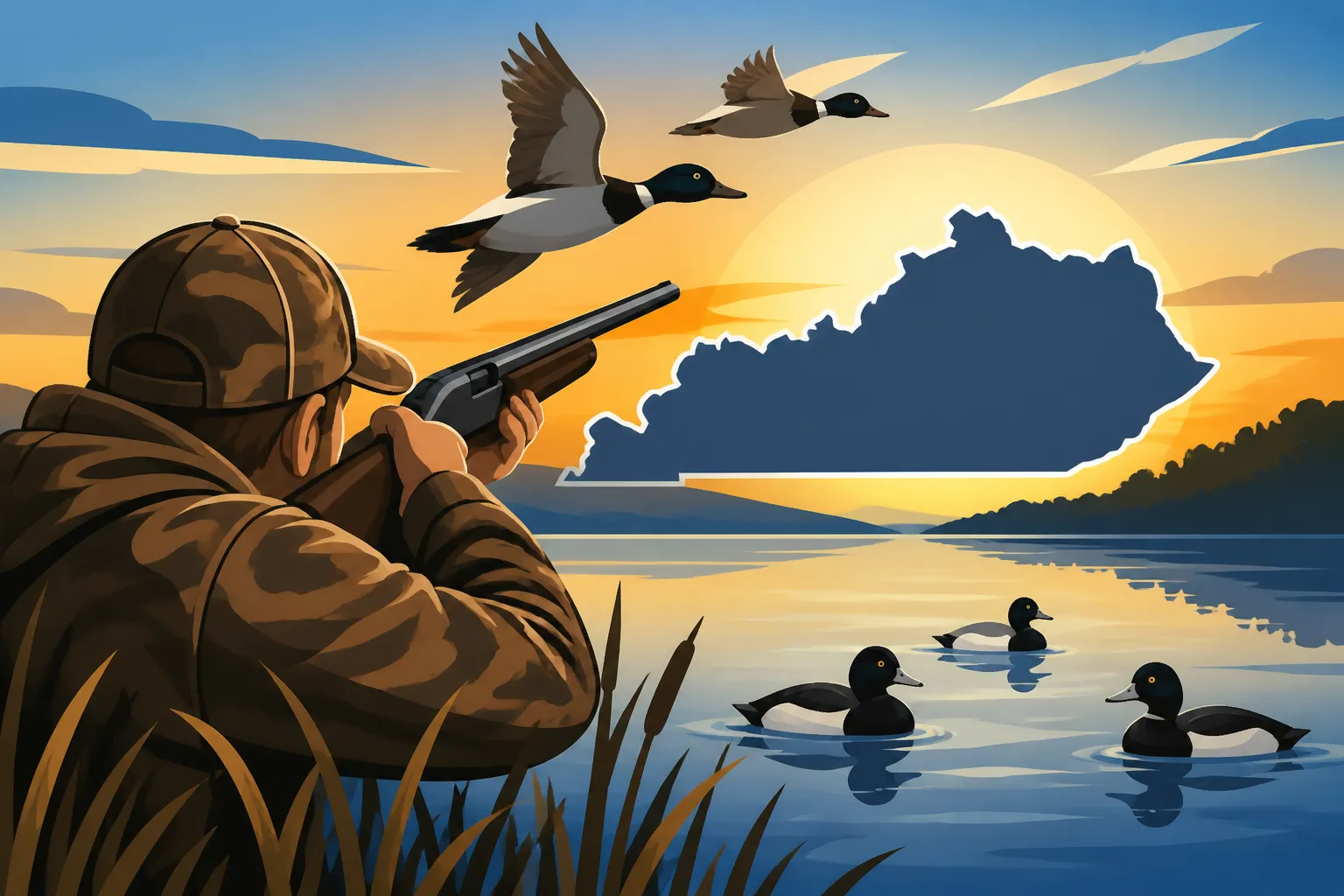
Hunting Kentucky Lake for diver ducks presents a unique set of challenges and thrills, far removed from the cozy confines of a flooded timber hole or a field edge blind. The sheer scale of this vast reservoir can be intimidating, making it tough to locate birds consistently and set up effectively. This comprehensive guide will arm you with the knowledge, gear insights, and strategic tactics you need to confidently pursue diver ducks on Kentucky Lake, transforming those vast, open waters into your productive hunting grounds.
Understanding Diver Ducks and Their Behavior on Kentucky Lake
Kentucky Lake, a massive impoundment of the Tennessee River, is a critical stopover and wintering ground for a multitude of waterfowl, especially divers. These ducks behave differently than their puddle duck cousins, often preferring deep, open water and feeding by diving to consume vegetation, mollusks, and aquatic insects. To consistently find success, you need to think like a diver.
Key Diver Species You'll Encounter
When you’re out on the big water of Kentucky Lake, you'll primarily be targeting a few distinct species of diver ducks. Each has its own nuances, but they all share that characteristic preference for deeper water and a diet that requires diving. Knowing what you're looking for can significantly help with scouting and decoy spreads.
- Lesser Scaup (Bluebills): These are probably the most common divers you'll see on Kentucky Lake. They're often found in large rafts, sometimes numbering in the hundreds or even thousands. They're typically dark-headed with a grey back and white sides (males) or brownish with a white patch at the base of the bill (females). Scaup are often among the first divers to arrive in significant numbers and will readily decoy, especially to large spreads.
- Ring-necked Ducks: Smaller than scaup, these divers are easily identifiable by the white ring on their bill (though not always visible) and the "ring" of chestnut around the neck (which is almost impossible to see in the field). Males have a sharp black and white pattern, while females are duller brown. They're frequent visitors to Kentucky Lake and often feed in shallower fringes of the main lake or even in larger coves, sometimes mixing with puddle ducks.
- Canvasbacks: Often considered the "king" of ducks by many waterfowlers, canvasbacks are large, striking birds. Males have a reddish-brown head and neck, a black chest, and a brilliant white back and sides. Females are duller brown. Their distinctive long, sloping profile of the head and bill is unmistakable. Canvasbacks prefer deep water and tend to be choosy about decoying, but when they commit, it's a sight to behold. They are also known for their incredible speed in flight.
- Redheads: These are medium-sized divers with a rounded head. Males boast a bright red head, a black chest, and grey body plumage, while females are a plain brownish-grey. Redheads are often found associating with scaup and canvasbacks, favoring similar deep, open water habitats. They're generally good decoying birds and can offer fast-paced shooting opportunities.
Understanding these birds helps you predict their movements. For example, knowing that scaup often form huge rafts can clue you in that if you see a small group, there might be a much larger one just over the next point or around the bend. Observing their flight patterns and how they approach other ducks on the water will be key to your scouting efforts.
Reading Diver Duck Habits and Habitat Preferences
Diver ducks aren't just randomly spread across Kentucky Lake; they have specific preferences that dictate where they’ll spend their time. These preferences are largely driven by food availability, water depth, and protection from predators and heavy winds. The sheer size of the lake means you can't just drop a spread anywhere and expect success.
Typically, diver ducks will gravitate towards large, open expanses of water. They love areas with a good supply of submerged aquatic vegetation (SAV), which they'll dive down to pluck from the bottom. Mussels and small invertebrates are also key food sources. Pay attention to areas with a slight current or points that funnel baitfish, as these spots often concentrate divers. Depths of 5 to 20 feet are usually ideal for their feeding dives.
One of the most crucial elements to observe is how the birds are resting and feeding. Are they in a tight flock, or are they spread out? Are they actively diving, or just loafing on the surface? Often, divers will spend the early morning feeding heavily and then move to loafing areas during the mid-day, only to return to feeding later in the afternoon. Tracking these patterns over a few days can give you a significant advantage. The wind also plays a massive role; divers, like most ducks, prefer to take off and land into the wind, so understanding wind direction and its effect on wave action will inform your setup. Look for areas that offer a bit of a lee from strong winds, or conversely, areas where the wind creates natural current breaks that concentrate food.
Essential Gear and Setup for Big Water Diver Hunting
Hunting diver ducks on Kentucky Lake isn't like hunting a small pond. The environment demands specific gear and a well-thought-out setup to ensure both success and safety. From your decoy spread to your boat, every piece of equipment needs to be chosen with the vastness of the lake and the behavior of divers in mind.
Decoy Spreads for Open Water Success
When you're out on Kentucky Lake, your decoy spread is your primary tool for attracting divers. Forget those small, tight puddle duck setups; divers are looking for large, visible concentrations of birds, signaling safety and a good feeding area. Your spread needs to be big and dynamic to stand out on such a large body of water.
A common tactic is to run a "V" or "J" shaped spread, with the open end facing into the wind. This creates a natural landing zone for incoming birds. The sheer number of decoys is crucial; think dozens, not just a few. Many seasoned diver hunters run 50, 100, or even more decoys, often mixing species to create a more realistic flock. Consider using a mix of bluebill, redhead, and canvasback decoys. Even a few oversized decoys can significantly increase visibility from a distance. You can find excellent advice on specific configurations by looking into Decoy Spreads for Kentucky Lake Divers.
Anchoring these large spreads in deep water requires robust lines and heavy weights. Individual decoy rigging can be tedious, so many hunters opt for "Texas rigs" with long lines and heavy weights that can be quickly deployed and retrieved. Gang rigs, where multiple decoys are clipped to a single mainline, are also popular for their efficiency, allowing you to deploy and retrieve a large number of decoys relatively quickly. Remember, divers approach from high and fast, so your spread needs to look inviting and natural from above. A quality mapping tool like GoHunt can help you scout potential shallow flats or humps offshore where divers might naturally congregate.
Choosing the Right Waterfowl Loads and Shotguns
The type of shotgun and ammunition you bring to Kentucky Lake for diver ducks needs to match the birds' speed and the open-water environment. These aren't close-range shots in the timber; you'll often be taking longer shots at fast-moving targets.
A 12-gauge shotgun is the standard for waterfowl hunting, and for divers, it's almost a necessity. Many hunters prefer a semi-automatic for quicker follow-up shots, but a pump-action can be just as effective in skilled hands. A barrel length of 26 or 28 inches offers a good balance of swing and pattern density. As for chokes, a modified or improved modified choke is generally a good starting point for diver hunting, offering a tighter pattern for those longer shots without being too constrictive. You definitely want to avoid anything too open.
Ammunition choice is paramount. Federal law dictates that all waterfowl hunting must be done with nontoxic shot. Steel shot is the most common and affordable option. For divers, especially canvasbacks and redheads, heavier loads are often preferred. Think 3-inch or even 3.5-inch shells (if your gun can handle them) with shot sizes like BB, #1, or #2. These larger pellets carry more energy and maintain their pattern better at longer distances, which you'll frequently encounter on Kentucky Lake. Bismuth or tungsten-alloy loads offer even better performance due to their higher density, patterning tighter and delivering more punch downrange, though they come at a higher cost. Always remember to check Where Nontoxic Shot Is Required in Kentucky and ensure your ammunition complies.
Boats and Blinds for Kentucky Lake
Your choice of boat and blind setup is absolutely critical for diver hunting on a body of water as expansive and potentially rough as Kentucky Lake. Safety is paramount, and your setup needs to be stable, capable of handling choppy conditions, and effective at concealing you.
For big water, you're going to want a substantial boat. A deep-V hull aluminum boat (16-20 feet) or a fiberglass boat designed for open water is ideal. These boats can cut through waves more effectively and offer a much safer platform in adverse weather. Smaller jon boats might be suitable for calm days in protected coves, but they are not recommended for the main lake, especially if the wind picks up. Make sure your boat is equipped with all required safety gear, including life jackets for everyone on board, throwable flotation devices, a whistle or horn, navigation lights, and a functional bilge pump. A reliable motor is non-negotiable; having a kicker motor as a backup is also a very wise investment for navigating large bodies of water.
Concealment on open water is achieved through specialized boat blinds or layout blinds. A well-constructed boat blind, camouflaged to match the shoreline vegetation or the open water, allows you to sit comfortably in your boat while remaining hidden. These can be custom-built or purchased from brands like Beavertail or Avery Outdoors. Alternatively, some hunters use specialized Layout Blinds and Marsh Boats that float directly within their decoy spread. These offer an extremely low profile, allowing you to disappear into the water line. However, layout boats require calm conditions and are often used by more experienced diver hunters in specific scenarios. Regardless of your choice, ensure it offers ample concealment and can withstand the elements. Always consider using a robust mapping system like the one offered by GoHunt to identify boat ramps, potential hazards, and areas that might provide natural cover on a vast body of water.
Strategic Hunting Tactics for Kentucky Lake Diver Ducks
Successfully hunting diver ducks on Kentucky Lake isn't just about having the right gear; it's about strategy, observation, and understanding the nuances of the birds and the environment. These ducks are migratory and highly attuned to weather patterns and food sources, so staying flexible and analytical is key.
Scouting and Location Selection on Vast Waters
Scouting is arguably the most critical component of successful diver duck hunting on Kentucky Lake. Unlike smaller bodies of water where ducks might show up consistently in the same spot, the sheer scale of Kentucky Lake means diver concentrations can shift dramatically day to day, or even hour to hour. You need to put in the time to find where the birds are.
Start your scouting efforts by looking at maps. Identify large open bays, prominent points, and areas where shallow flats extend into deeper water. These are natural diver magnets. Pay particular attention to areas where there's historical evidence of submerged aquatic vegetation (SAV) or mussel beds. A high-quality mapping app can show you bathymetric lines (depth contours) which are invaluable for identifying these prime feeding areas. Once you've identified potential spots, it's time for "windshield time" – or rather, "boat time." Take your boat out a day or two before your hunt, ideally during mid-day when birds are loafing or flying between feeding and resting areas. Look for rafts of ducks, even if they're far out in the main lake. A good pair of binoculars or a spotting scope is essential here. Observe their flight paths, where they're landing, and where they're taking off. Are they consistently flying over a specific point? Are they hugging a particular shoreline? This information is gold.
Don't be afraid to move if your chosen spot isn't producing. Being able to adapt and relocate your spread quickly can turn a slow morning into a successful one. Remember that diver ducks often move to find new food sources or to escape hunting pressure, which can be intense on popular public access points. Exploring less accessible areas or those that require a longer boat ride might yield better results. Consider areas on the far reaches of the lake or even into the Tennessee portion, as Hunting Land Between the Lakes Waterfowl offers varied opportunities. Using mapping and satellite imagery, like those available through GoHunt, can give you an edge in identifying subtle features that might hold birds, especially if you're not intimately familiar with every cove and point.
Weather and Water Conditions: Your Best Friends or Worst Enemies
Weather, and its impact on water conditions, dictates everything in diver duck hunting on Kentucky Lake. It can turn a perfect day into a miserable one, or vice versa. Understanding how divers react to different conditions is vital for planning your hunts.
- Wind: Wind is a double-edged sword. A moderate chop (5-15 mph) is often ideal. It breaks up your decoy lines, making them look more natural, adds movement to your decoys, and provides whitecaps that help conceal your blind. Divers also use the wind to land and take off, so setting your spread into the wind is critical. However, too much wind can quickly turn Kentucky Lake into a dangerous place, creating large, powerful waves that make hunting unsafe and uncomfortable. On very calm days, divers can be wary of static spreads, so incorporating jerk strings or motorized decoys for motion becomes more important. Always monitor marine forecasts for wind speed and wave height.
- Temperature and Cold Fronts: Diver ducks are often cold-weather birds. A strong cold front typically pushes new migrations of ducks south, leading to fresh birds on the lake. As temperatures drop, ducks become more focused on feeding, which can make them more aggressive in decoying. Conversely, warm spells can scatter birds and make them less active. Pay attention to Duck Migration Timing Through Kentucky as cold fronts align with major pushes of birds.
- Water Level and Clarity: Kentucky Lake's water levels can fluctuate. While divers prefer deeper water, extreme high or low water can change access points or alter the availability of submerged food sources. Clearer water often means birds can see your decoys (and your blind) better, so concealment is even more important. Murky water, on the other hand, might make them rely more on sound and general impression of your spread.
Always prioritize safety. If the forecast calls for high winds or severe weather, it's always best to stay home. No duck is worth risking your life. Be mindful of ice in late season, which can concentrate birds but also create dangerous conditions for retrieval.
Setting Up for the Shot and Effective Retrieval
Once you've scouted your location, battled the elements, and have birds working your spread, the final stages of the hunt come down to execution and ethical retrieval. This is where patience, good shooting, and preparation truly pay off.
When ducks are committed and making their final approach, resist the urge to jump up too early. Let them fully commit to the landing zone you've created. Often, they will cup their wings and drop their feet right over your hole. Wait until they are well within range, and ideally, turning or slowing down, presenting a good shot. Communication with your hunting partners is key; call the shot clearly so everyone is on the same page. Remember, diver ducks are notoriously tough birds, so aim for vital areas, and be prepared for follow-up shots. Don't waste shots at birds that are too far out, as this just educates them and spoils opportunities for closer shots.
Retrieval on Kentucky Lake requires a plan. Divers often dive when wounded, and strong currents can carry them away quickly. A well-trained retriever dog is invaluable for waterfowling, especially on big water. Make sure your dog is wearing a proper Dog Vests for Cold Water Retrieves to protect them from the elements. If you don't have a dog, a fast, maneuverable boat is essential for retrieving downed birds. Mark where the bird falls and immediately go after it. A good pair of polarized sunglasses will help you spot floating birds in the glare. Always be mindful of other boat traffic and hunters in the area during retrieval. It’s always a good idea to have a retrieving stick or a long-handled net in the boat to assist with pick-ups, especially in choppy water.
| Diver Species | Key Identification Marks (Male) | Primary Food Sources | Typical Habitat on Kentucky Lake | Decoying Behavior |
|---|---|---|---|---|
| Lesser Scaup | Dark purplish-green head, grey back, white sides | Mussels, snails, aquatic insects, SAV | Open water, large bays, deeper coves | Readily decoys, often in large flocks |
| Ring-necked Duck | Black head/chest, grey sides, white bill ring | SAV, seeds, aquatic invertebrates | Shallower fringes, large coves, sometimes main lake | Good decoying bird, can mix with puddle ducks |
| Canvasback | Reddish head/neck, black chest, white body, sloping profile | SAV (especially wild celery), tubers, roots | Deep, open water, large main lake areas | Wary, but committed when decoying; fast flight |
| Redhead | Red head, black chest, grey body, rounded head | SAV, seeds, small fish | Open water, often with scaup and canvasbacks | Generally good decoying, flies fast |
Disclaimer
Hunting is an inherently risky activity. Always prioritize safety, adhere to all local, state, and federal regulations, and obtain proper licenses and permits. The information provided here is for educational purposes and should not replace official hunting guides or expert instruction. Be aware of changing weather conditions and always inform someone of your hunting plans and location.