Duck Migration Timing Through Kentucky
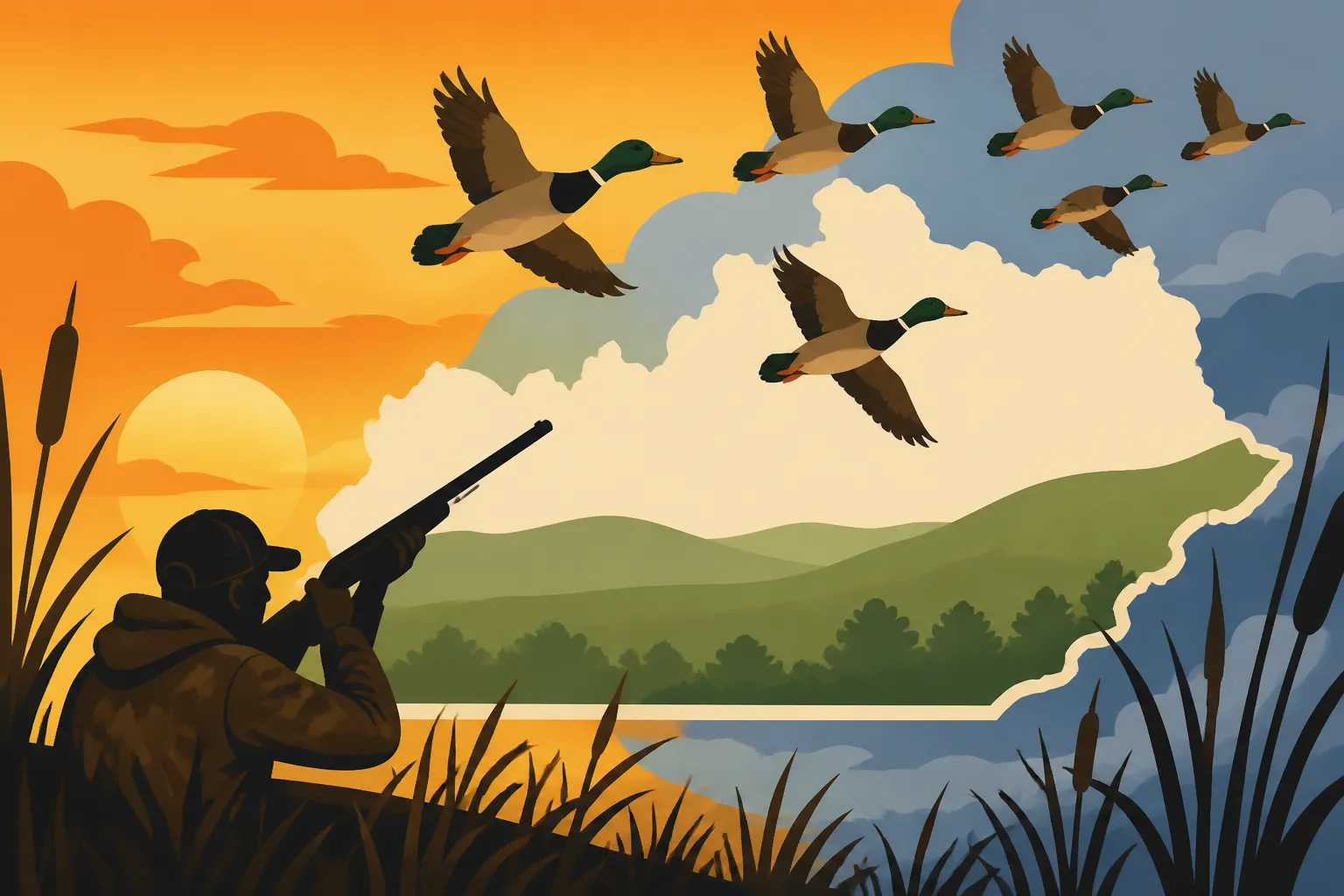
It’s a tale as old as time for Kentucky duck hunters: one week the skies are thick with birds, and the next, it feels like every duck on the Mississippi Flyway decided to take a detour. This unpredictable nature of waterfowl migration can be incredibly frustrating, leaving you wondering if you just missed the window or if the birds haven't even arrived yet. This guide aims to pull back the curtain on the complex, weather-driven dance of duck migration through Kentucky, offering insights into timing, factors, and species-specific movements so you can spend less time guessing and more time in the blind during the right moments.
Kentucky's Strategic Position on the Mississippi Flyway
Kentucky isn't just a place ducks pass through; it's a critical stopover and wintering ground for millions of waterfowl traveling the mighty Mississippi Flyway. Think of it as a crucial gas station and motel chain along an interstate highway, but for birds. Our location, nestled between the northern breeding grounds and the southern wintering refuges, makes understanding the ebb and flow of migration here absolutely essential for a successful season.
Geographic Significance for Waterfowl
The Commonwealth's geography plays a huge role in why ducks funnel through here. We have the confluence of the Ohio and Mississippi rivers, massive river systems that act as avian highways. Then there are the huge reservoirs like Kentucky Lake and Lake Barkley, which offer vast expanses of open water and crucial resting areas. These big water bodies, combined with the extensive network of smaller rivers, creeks, and flooded bottomland hardwoods, create an irresistible mosaic of habitat. When you consider the vast agricultural fields in western Kentucky, particularly those with standing corn or cut beans, it becomes clear why birds choose to stop here. It’s a literal smorgasbord, providing everything they need to refuel and recuperate on their long journey south. For a deeper dive into these areas, check out Waterfowl Hunting Kentucky Lakes and Rivers.
The Impact of Northern Winters on Our Birds
The weather patterns far to our north are often the true orchestrators of migration timing in Kentucky. While we might be enjoying a relatively mild November, a severe cold snap, heavy snow, or widespread ice in states like Minnesota, Wisconsin, or Illinois will inevitably push birds south. These conditions make food sources inaccessible and freeze over open water, forcing ducks to abandon their northern haunts. This “push” effect is what often triggers those big, exciting flights we all dream about. Without those northern pressures, birds will linger longer, making for slower starts to our local season. Conversely, a mild winter across the entire flyway can mean fewer ducks committing to the full journey south, choosing to "short-stop" in states just north of us.
Decoding Kentucky's Duck Migration Calendar
Understanding the general timeline of duck migration through Kentucky can help you plan your hunts. It’s never an exact science, as Mother Nature always has the final say, but there are distinct phases that offer clues as to what to expect.
Early Season Arrivals: Teal and Wood Ducks
As our archery deer season kicks off in September, the earliest waterfowl migrants are often already here. This initial wave typically includes blue-winged teal, which are some of the first ducks to head south, often before really cold weather hits up north. They're followed by green-winged teal and, crucially for Kentucky, our local wood duck populations. Wood ducks are abundant breeders in Kentucky's forested wetlands and river bottoms, so many of the birds you see early in the season are resident birds. However, as the first hints of autumn chill arrive further north, more wood ducks will migrate in, augmenting our local populations. These early weeks of October are generally characterized by warmer temperatures, and the hunting often involves chasing these agile ducks in flooded timber or along small creeks. Wood Ducks in Kentucky Bottomland are a staple during this period.
Peak Migration: The Thrill of November and Early December
This is often the sweet spot for many Kentucky duck hunters – the period of the largest and most consistent influx of migratory ducks. Typically beginning in early to mid-November and extending through early December, this phase is characterized by successive cold fronts sweeping down from Canada and the northern U.S. These fronts bring with them waves of new birds: mallards, gadwalls, wigeon, and shovelers. The arrival of these "new" birds, often less wary than those that have been hunted for weeks, can transform a quiet marsh into a vibrant, quacking symphony. This is when you want to be in the blind, especially after a significant drop in temperatures or a good northerly wind. Many hunters focus on Hunting the Kentucky Rut in Early November for deer, but don't forget the waterfowl can be at their peak then too!
Late Season Stays: January's Hardcore Birds
By late December and into January, the migration dynamic shifts. While the massive waves of new birds might slow down, Kentucky often becomes a critical wintering ground, especially if sustained hard freezes lock up water and food sources in states directly north of us, like Missouri, Illinois, and Indiana. This period can offer incredible hunting, but the birds are typically much warier, having run the gauntlet of the entire flyway. Diver ducks, such as canvasbacks, redheads, and scaup, often become more prominent on the large open waters of our big lakes during this time, driven south by the intense cold. Hunting Kentucky Lake Diver Ducks can be particularly good in the late season. Success in the late season hinges on finding open water, consistent food sources, and often, getting away from areas with heavy hunting pressure.
Factors Influencing Duck Migration and Hunter Success
Migration isn't a simple calendar event; it's a dynamic response to a multitude of environmental cues. Understanding these factors can help you make more informed decisions about when and where to hunt.
The Role of Cold Fronts and Ice
Without a doubt, cold weather is the number one driver of significant duck migration. A strong, sustained cold front, particularly one that brings widespread freezing temperatures and ice formation across multiple northern states, is a hunter's best friend. When marshes, lakes, and rivers to our north begin to freeze solid, ducks have no choice but to push further south in search of open water and accessible food. Pay close attention to weather forecasts for states like Iowa, Illinois, and even as far north as the Dakotas. A deep freeze there almost certainly means birds are heading our way. The timing and severity of these cold snaps directly dictate the volume and species composition of arriving birds.
Water Levels and Habitat Availability
Beyond temperature, water is king for ducks. The availability of suitable wetland habitat, especially flooded timber and agricultural fields, greatly influences where birds will stop and how long they will stay. High water levels in river systems like the Ohio and Mississippi can create vast expanses of flooded timber, which are irresistible to dabbling ducks like mallards and wood ducks. Conversely, low water years can concentrate birds into fewer areas, making scouting even more critical. Agricultural fields, particularly those with waste grain from corn or soybeans, become magnets for hungry ducks, especially when combined with nearby water for resting. Hunters often have great success Layout Blind Hunting a Cut Cornfield.
Food Sources: A Hunter's Secret Weapon
Ducks are driven by their stomachs, especially during migration when they need to maintain energy reserves. Abundant and accessible food sources are key attractants. Natural mast crops, such as acorns in flooded bottomland hardwoods, are high-energy food sources that draw ducks in. Agricultural crops, particularly waste corn and soybeans in harvested fields, also provide crucial sustenance. Identifying fields that have been recently cut and are holding water, or those adjacent to a major water body, can be incredibly productive. Birds will quickly deplete local food sources, so their presence can be fleeting if new supplies aren't available. Understanding what ducks are eating and where those food sources are located is vital.
Species-Specific Movements and Local Adaptations
While general migration patterns exist, different duck species have their own preferences and reactions to environmental conditions, leading to variations in their arrival and behavior in Kentucky.
Mallard Movements: The Flyway's Favorite
Mallards are, for many, the quintessential duck, and they make up a significant portion of Kentucky's migratory waterfowl. They are highly adaptable and will utilize a wide range of habitats, from large reservoirs to flooded timber and agricultural fields. Their migration is heavily influenced by cold fronts; the bigger the freeze up north, the more mallards you'll see. They tend to be more sensitive to hunting pressure than some other species, often becoming wary quickly in heavily hunted areas. Because of this, Mallards on Kentucky Lake might behave differently than those in a private flooded timber hole. They'll also follow the food, so a freshly flooded cornfield can be a temporary hot spot for these birds.
Wood Duck Habits: Early Birds and Timber Lovers
Wood ducks are stunning birds and an early season favorite. Many "woodies" you encounter in Kentucky are locally hatched birds that stick around until colder weather truly sets in. However, significant numbers also migrate from northern breeding grounds, supplementing our resident populations. They have a strong preference for wooded wetlands, flooded timber, and smaller, secluded water bodies with plenty of cover. They are often less reliant on massive cold fronts to initiate migration, moving more steadily south as autumn progresses and food sources dwindle further north. Don't overlook small creeks and beaver ponds; these can be dynamite for wood ducks, especially at first light.
Diver Duck Influx: The Big Water Specialists
Diver ducks, including species like ring-necked ducks, scaup (bluebills), canvasbacks, and redheads, are primarily seen on Kentucky's larger, deeper bodies of water, such as Kentucky Lake, Lake Barkley, and the Ohio River. Their migration is strongly tied to the freezing of these larger water bodies to the north. As northern lakes and rivers freeze over, divers are pushed south to the open water found in Kentucky's vast reservoirs. They are typically late-season arrivals, often showing up in force during late December and January when other ducks might be more scattered. Hunting divers requires different tactics, often involving large decoy spreads on open water, and understanding their flight patterns over big water.
Geese as Indicators: More Than Just Honkers
While this discussion focuses on ducks, don't forget about geese. Canada geese often migrate slightly ahead of or concurrently with the main duck migration, particularly the mallards. Observing large numbers of Canada geese moving south can be a good indicator that a significant wave of ducks isn't far behind. Large flocks of Canada Geese on Kentucky Farmland are a common sight as the season progresses, and they share many of the same food preferences as ducks in agricultural areas. Snow geese and specklebelly geese (white-fronted geese) also move through Kentucky, often later in the season, adding to the diversity of our waterfowl landscape.
Tools and Resources for Tracking Migration
Staying informed is key to anticipating duck movements. There are several resources available that can help you piece together the puzzle of migration timing.
One invaluable tool for any serious hunter is a subscription service that provides real-time information on weather, bird movements, and habitat conditions. Platforms like GoHunt offer detailed mapping layers and often have community forums where hunters share observations, giving you a pulse on current conditions across the flyway. You can use their tools to scout potential areas, analyze weather patterns, and even look at historical migration data.
Beyond commercial services, state agencies like the Kentucky Department of Fish and Wildlife Resources (KDFWR) provide general season dates and regulations in their Kentucky Duck and Goose Zone Rules and harvest reports. While they don't offer real-time migration tracking, their information is crucial for understanding legal hunting opportunities. Local hunting forums and social media groups can also be surprisingly useful for gauging current bird numbers and movements, though always take such reports with a grain of salt and verify information through your own scouting.
Remember, technology is a fantastic aid, but nothing replaces boots on the ground (or waders in the water) and keen observation.
| Species Group | Early Season (Sept – Oct) | Peak Migration (Nov – Early Dec) | Late Season (Late Dec – Jan) | Primary Habitat | Key Triggers |
|---|---|---|---|---|---|
| Teal | Abundant | Present | Scarce | Shallow wetlands, marshes, small ponds | First strong cold fronts, declining daylight |
| Wood Ducks | Abundant (local & migrant) | Moderate | Scarce | Flooded timber, wooded creeks, beaver ponds | Moderate cold fronts, falling leaves |
| Mallards | Scattered | Abundant | Abundant (wary) | Flooded timber, grain fields, large wetlands | Strong, sustained cold fronts, northern ice |
| Gadwalls/Wigeon | Scattered | Moderate – Abundant | Moderate | Large wetlands, open water, grain fields | Cold fronts, ice in northern shallow waters |
| Diver Ducks | Scarce | Scattered | Moderate – Abundant | Large open lakes, major rivers | Widespread ice on northern deep waters |
| Canada Geese | Scattered (resident) | Moderate – Abundant | Abundant | Grain fields, large lakes, reservoirs, pastures | Cold fronts, snow cover to the north |
Disclaimer
This article is for general informational purposes only and does not constitute professional advice. Laws, prices and regulations vary by location and change over time. Consult a qualified professional for guidance on your specific situation.