Kentucky Fawn Survival Rates
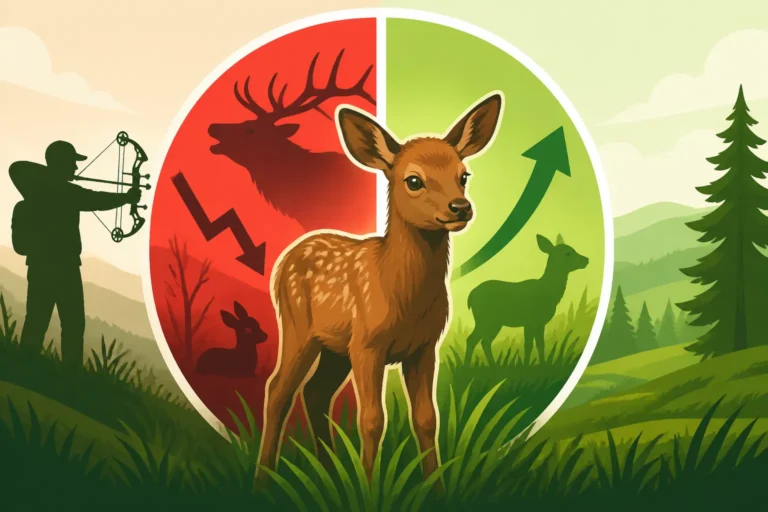
It's heartbreaking to spend countless hours scouting, hanging stands, and putting in the work, only to feel like the deer numbers just aren't what they used to be in your favorite Kentucky woods. We all wonder where the deer are sometimes, and a huge part of that mystery often boils down to how many fawns actually survive their first vulnerable months. This guide is here to shed some light on the crucial factors influencing Kentucky's fawn survival rates, helping us all understand the invisible forces shaping our deer herds.
The Critical Window: Early Life Challenges for Kentucky Fawns
When those tiny, spotted bundles of joy hit the ground in late spring and early summer, they enter a world filled with both wonder and extreme danger. Their first few weeks and months are undeniably the most perilous, a true gauntlet of challenges that will determine if they make it to see their first fall. It’s a make-or-break period for the future of our deer herd, and understanding what threatens them is key.
Predation Pressure on Newborn Fawns
Let's be blunt: predators are a major, natural force in the lives of newborn fawns. It's not a pretty thought, especially for those of us who just want to see robust deer populations, but it's a cold, hard fact of nature. These young deer, often weighing only a few pounds at birth, are literally at the bottom of the food chain for many opportunistic hunters.
Coyotes, for example, are a primary culprit, especially on public lands or in areas where their populations are dense and thriving. They are incredibly efficient predators, constantly on the move, and a newborn fawn hiding in a patch of tall grass is simply an easy meal if discovered. We see the evidence of Kentucky Coyote Range and Density extending across most of the state, making them a consistent threat wherever deer are found. Hunters often witness the impact firsthand, finding fawn remains or observing coyotes actively hunting during the fawning season. It can be disheartening, but it's part of the natural balance, however tough that pill is to swallow.
While not as widespread a threat to fawns as coyotes, black bears can also be opportunistic predators, especially in Eastern Kentucky's dense timber where Kentucky's Black Bear Population has seen a strong resurgence. A bear stumbling upon a hidden fawn is unlikely to pass up the easy calories. Bobcats, though smaller, are also incredibly effective hunters of young deer. They are stealthy, powerful for their size, and perfectly capable of taking down a fawn. And let's not forget the growing concern of feral hogs in some regions; these invasive animals are extremely destructive to habitat and can certainly prey on fawns if given the opportunity. The combination of these various predators means that a fawn, even one expertly hidden by its mother, is never truly safe until it gains enough size and speed to escape. This constant pressure is a significant factor in Kentucky Predator Impact on Fawn Recruitment.
Environmental and Nutritional Stressors
Beyond tooth and claw, Mother Nature herself can be incredibly harsh on young fawns. The environment they're born into, and the resources available to them and their mothers, play an enormous role in their survival odds.
Imagine a late spring with unusual, prolonged cold snaps and heavy rains right after fawns start dropping. Such weather extremes can be deadly for newborns, who are still developing their thermoregulation. Conversely, a prolonged drought immediately following the fawning period can reduce forage for lactating does, meaning less nutritious milk for their fawns. This can quickly lead to weakened fawns, more susceptible to disease or predation. We often think of summer as a time of plenty, but for a newborn fawn, even minor environmental shifts can have major consequences.
Habitat quality is another huge piece of the puzzle. Fawns rely heavily on dense fawning cover – thickets, tall grasses, briar patches – to hide from predators. If a doe has to drop her fawn in an area with sparse, open cover, that fawn's chances of survival plummet. Good cover allows a fawn to lie still and unseen, relying on its natural camouflage and lack of scent for the first few days. Without adequate hiding spots, they become easy targets. This is why initiatives focused on Habitat Work on Kentucky WMAs are so important; improving these areas directly benefits fawn survival by providing the security they desperately need.
Finally, the health of the maternal doe is paramount. A doe in poor physical condition, perhaps due to a tough winter, disease, or simply poor nutrition, may give birth to weaker fawns. These fawns might have a lower birth weight, compromised immune systems, or less vigor to hide effectively. A struggling doe might also produce less milk, or milk of lower quality, directly impacting the fawn's growth and ability to thrive. Hunters might not always see this direct link, but the overall health of the adult deer herd directly translates to the vitality of the fawns entering the world each year.
Diseases and Parasites Affecting Fawn Survival
While predators are often the most visible threat to fawns, unseen dangers like diseases and parasites can also decimate their numbers, sometimes quietly and sometimes with devastating, widespread impacts. These biological challenges can weaken fawns directly or indirectly through their mothers, making them more vulnerable to all other threats.
Hemorrhagic Disease EHD
Hemorrhagic Disease, often referred to as EHD or blue-tongue, is a prime example of a disease that can indirectly, but significantly, impact fawn survival. While EHD primarily affects adult deer, often during late summer and early fall, its consequences ripple through the entire herd, including the fawns.
When a significant number of adult does succumb to EHD, it means fewer does are available to produce fawns in subsequent years. Even if a doe survives EHD, her body may be severely stressed, impacting her ability to conceive, carry a healthy fawn to term, or provide adequate milk. Furthermore, if a doe contracts EHD and dies while her fawn is still dependent, that fawn becomes an orphan, with extremely low odds of survival. These orphaned fawns, even if past the immediate newborn stage, are often too young to forage effectively on their own and quickly fall victim to starvation, exposure, or predation. We've seen significant EHD Die-Offs in Kentucky Deer in various areas over the years, and each time, the lingering effects on fawn recruitment are felt for seasons to come. It’s a stark reminder that the health of the entire herd is interconnected.
Other Health Concerns
Beyond EHD, fawns are susceptible to a host of other health issues, often exacerbated by environmental conditions or poor nutrition. High parasite loads, for instance, can be a silent killer. Internal parasites like lungworms and liver flukes, which deer pick up from their environment, can severely weaken a fawn's developing immune system and compromise its ability to absorb nutrients. A fawn burdened with a heavy parasite load is less energetic, making it an easier target for predators, and less resilient to illness or environmental stress.
Malnutrition, especially when combined with high parasite loads, creates a deadly cocktail for young deer. If forage is scarce or of poor quality, fawns simply won't get the calories and nutrients they need to grow strong and healthy. Add to that the constant drain of parasites feeding on their system, and you have a recipe for disaster. Fawns may appear gaunt, listless, and often fail to thrive. These compromised individuals rarely make it to adulthood. While hunters might not always see these internal battles, they are a constant reality for many fawns in the wild, shaping the survival rates we observe.
Human Impact and Management Strategies
As hunters and conservationists, we're not just passive observers of fawn survival; our actions and the management strategies put in place by agencies like the Kentucky Department of Fish and Wildlife Resources (KDFWR) have a profound impact. We have a role to play, both directly and indirectly, in ensuring healthy fawn populations.
Habitat Management for Fawn Protection
One of the most powerful tools we have to aid fawn survival is intelligent habitat management. It’s all about creating the right environment where fawns can be born, hide, and thrive. Early successional habitat, characterized by young, dense growth, tall grasses, and thick briar patches, is absolutely crucial. These areas provide the ideal "cribs" for fawns, offering concealment from predators and protection from the elements.
Think about areas that have been recently timbered, or fields left to grow wild for a few years – these are often fawn havens. Programs that implement controlled burns or timber stand improvements on public and private lands are vital. For example, Prescribed Burns and Kentucky Hunting Closures are sometimes part of a larger plan to regenerate habitat, which, in turn, creates better fawning cover. By carefully managing forests and fields, we can ensure that does have plenty of safe, secluded spots to drop their fawns, giving those little ones a fighting chance from day one. It's a long-term investment, but one that pays dividends in robust deer numbers.
Hunter Harvest and Population Management
The role of hunter harvest in fawn survival might seem counterintuitive at first, but it's a critical component of healthy herd management. Balancing the doe harvest is paramount. If too many does are taken in an area, it can directly reduce the number of fawns produced in future seasons, potentially leading to declining deer populations. Conversely, if too few does are harvested, an area can become overpopulated.
Overpopulation leads to increased competition for food, which in turn reduces the nutritional plane for the entire herd. Does that are constantly competing for food are less likely to be in prime condition to produce healthy fawns. They might have fewer fawns, or their fawns might be weaker and more susceptible to disease or predation. This delicate balance is often addressed through Kentucky Deer Management Zone Rules, which dictate antlerless bag limits based on regional population goals. Understanding the Kentucky Buck-to-Doe Ratio by Region can also offer insights into herd health and whether does are being adequately managed to support maximum fawn recruitment. Our hunting efforts, guided by scientific management, are essential for maintaining a balanced, healthy herd capable of sustaining strong fawn survival rates.
Data Collection and Research
Reliable data is the backbone of effective wildlife management. The KDFWR invests significant resources into monitoring fawn survival, often through capture-and-tag programs, fawn mortality studies, and surveys. This research helps wildlife biologists understand which factors are most impacting fawns in specific regions and allows them to adjust management strategies accordingly.
As hunters, we can contribute immensely by accurately reporting our deer harvests through the Telecheck system and by reporting observations of sick or unusual deer. This on-the-ground information, combined with scientific studies, creates a more complete picture. Tools like GoHunt can help hunters visualize these trends and access data, allowing us to connect the dots between habitat, predator pressure, and herd dynamics. Being informed, and actively participating in reporting, helps state agencies make the best decisions for the future of Kentucky's deer herd, ultimately supporting better fawn survival rates.
Regional Differences in Kentucky Fawn Survival
Kentucky is a diverse state, from the rugged mountains of the east to the fertile farmlands and river bottoms of the west. It stands to reason that fawn survival rates aren't a one-size-fits-all metric across the Commonwealth. Different geographies present unique sets of challenges and opportunities for young deer.
Eastern Kentucky Challenges
In Eastern Kentucky, we're talking about steeper terrain, often denser, mature timber, and deep hollows. While this type of environment can provide excellent cover, it also presents its own set of challenges for fawns. The sheer ruggedness can be exhausting for does, especially if food resources are spread out. Still, the presence of coyotes is significant in these areas, and they remain a primary predator. Kentucky Predator Impact on Fawn Recruitment is definitely felt here.
Additionally, the expanding Kentucky's Black Bear Population in the southeastern part of the state means that while bear predation on fawns isn't widespread, it's certainly a factor in specific areas. Bears near the Bears Near the Big South Fork Border or within the Elk Restoration Zone can and do take fawns opportunistically. The overall health of the forest, influenced by timbering practices and mast crop fluctuations, directly impacts the nutritional well-being of the does, which, as we discussed, has a direct correlation to the health and survival of their fawns. Hunters who frequent these areas often notice the ebb and flow of fawn recruitment based on these local conditions.
Western Kentucky Bottomlands and Farmland
Shifting gears to Western Kentucky, particularly the river bottoms and expansive farmlands, we encounter a different scenario. Here, the landscape is generally flatter, dominated by agricultural fields, woodlots, and thick creek bottoms. While the open fields might seem like poor fawning habitat, dense brush, standing crops like corn, and thick fencerows can provide surprisingly effective hiding spots. Hunting Standing Cover Left After Harvest in these agricultural areas can often reveal significant deer numbers.
The predator mix here might lean heavily toward coyotes, with less direct bear interaction. However, habitat fragmentation is a major concern. Smaller, isolated woodlots mean less continuous cover, which can expose fawns more readily. Also, agricultural practices like early hay cutting can accidentally kill fawns hiding in fields. While modern farming techniques often try to mitigate this, it's still a risk. The nutritional opportunities in these fertile areas can be immense, often leading to very healthy does that produce robust fawns, but the specific challenges of fragmented habitat and agricultural activities create a unique dynamic for fawn survival. Tools like GoHunt can help researchers track and analyze these regional differences, offering valuable insights for local hunters.
Bluegrass Region Specifics
The famed Bluegrass Region, with its rolling hills, horse farms, and pockets of dense woods, presents yet another unique environment. This region often boasts higher deer densities, and the mix of woods and pasture can provide both good forage and decent cover. However, it also faces significant human encroachment, with more suburban development and traffic. This can lead to increased vehicle collisions for deer, impacting overall herd numbers.
Despite these challenges, certain pockets within the Bluegrass are known for producing older, larger-bodied deer, and it's no secret Why the Bluegrass Region Grows Older Bucks. This often implies that there's generally good nutrition and sufficient habitat to allow deer, including fawns, to thrive and mature. The key here is often the smaller, private tracts of land with landowners who manage for quality deer, intentionally creating prime fawning cover and minimizing disturbance. However, these benefits can be offset by increased domestic dog predation in more populated areas, or the sheer danger of fawns wandering onto busy roads. So, while some elements might favor fawn survival, other human-related factors can present significant hurdles.
Key Factors Influencing Kentucky Fawn Survival Rates
| Factor | Eastern Kentucky (Mountains/Timber) | Western Kentucky (Bottomland/Farmland) | Bluegrass Region (Rolling Hills/Farms) |
|---|---|---|---|
| Primary Predators | Coyotes, occasional Black Bears, Bobcats | Coyotes, Bobcats, Feral Hogs (localized) | Coyotes, Bobcats, Domestic Dogs (suburban fringes) |
| Fawning Cover | Dense forest undergrowth, steep hollows, recent timber cuts | Thick creek bottoms, standing crops (corn, beans), fencerows, small woodlots | Pockets of dense woods, brushy ravines, managed private land thickets |
| Environmental Stress | Harsh winters, extreme heat/drought impacting mast crops | Flooding in river bottoms, agricultural disturbance (hay cutting) | Suburban sprawl, traffic, potential for habitat fragmentation |
| Disease Impact | EHD localized impacts, general health influenced by nutrition | EHD localized impacts, general health influenced by nutrition | EHD localized impacts, general health influenced by nutrition |
| Nutritional Health | Varies with mast crops (acorns, berries), general forest forage | High potential from agricultural crops and fertile soils | Varies, good on managed private land, lower on public access |
| Human Influence | Remote access, logging impacts, limited development | Agricultural practices, habitat fragmentation, increased road presence | Suburban development, vehicle collisions, private land management |
Understanding fawn survival rates in Kentucky is complex, influenced by a dynamic interplay of predators, habitat, disease, and human activity. As hunters and stewards of the land, our role is to appreciate these factors and support management strategies that promote healthy, thriving deer populations across our diverse state.
Disclaimer
This article is for general informational purposes only and does not constitute professional advice. Laws, prices and regulations vary by location and change over time. Consult a qualified professional for guidance on your specific situation.