Bears Near the Big South Fork Border
For many Kentuckians who love the outdoors, especially those venturing into the rugged beauty near the Big South Fork National River and Recreation Area, the growing presence of black bears is both a source of awe and, let's be honest, a little bit of apprehension. Whether you're a hiker, camper, or a hunter, understanding these magnificent animals and how they utilize this unique borderland habitat is crucial. This guide will dive deep into the world of bears near the Big South Fork, helping you appreciate their role in our ecosystem and navigate encounters safely and responsibly.
The Resurgence of Black Bears Near the Big South Fork Border
It wasn't that long ago that seeing a black bear in Kentucky was an almost mythical event, a rare glimpse of a species once thought completely gone from our wild landscapes. But times have changed, and the Big South Fork region, straddling the Kentucky-Tennessee line, has become a significant area for their remarkable comeback. This isn't just a handful of transient bears passing through; this is a thriving population establishing itself, reminding us of the wild heart of our state.
Historical Context and Current Population Trends
If you'd told a hunter or outdoor enthusiast in the early 20th century that black bears would once again roam freely in Kentucky, they might have scoffed. Bears were largely extirpated from Kentucky by the mid-1800s due to habitat loss and unregulated hunting. For decades, they were little more than a historical footnote in our state's natural history. However, thanks to conservation efforts and expanding populations in neighboring states like Tennessee, particularly from the Great Smoky Mountains National Park, bears began to naturally recolonize areas like the Big South Fork and the Cumberland Plateau.
This natural expansion means that the bears we see today aren't largely the result of reintroduction programs within Kentucky itself, but rather a testament to the resilience of the species and the improving quality of our forested habitats. The rugged, expansive timberlands of southeastern Kentucky and the Big South Fork area provide exactly what a black bear needs: dense cover, abundant food sources, and relative solitude. Over the past few decades, their numbers have steadily climbed, leading to more frequent sightings and a more established presence. You can look at statewide data to see how Kentucky's Black Bear Population has surged, and the Big South Fork area is a prime example of this success story.
Movement and Range Across the Kentucky-Tennessee Line
What makes the Big South Fork particularly interesting for bears is its unique geographical position. It’s not just a large chunk of contiguous habitat; it's a bridge, or perhaps more accurately, a highway for wildlife between Kentucky and Tennessee. Bears don't care about state lines carved on a map; they follow food, water, and suitable denning sites. The Big South Fork's diverse terrain—from deep river gorges to high ridgetops—offers everything they need to move and thrive across both states.
This cross-border movement means that bear populations here are often interconnected. A bear you see on the Kentucky side might have been born in Tennessee, and vice-versa. This fluid movement makes understanding their overall population and management a bit more complex, often requiring coordination between wildlife agencies in both states. For individuals exploring these woods, it simply means that where you see excellent bear habitat on one side of the line, you can almost certainly expect to find bears on the other. Using scouting tools like GoHunt, you can analyze topographical maps and satellite imagery to pick out prime bedding areas or mast crop locations that bears would utilize regardless of whether they fall in Kentucky or Tennessee. It’s all about finding that ideal blend of cover and forage.
Understanding Bear Behavior and Habitat Along the Border
To truly appreciate and safely coexist with bears near the Big South Fork, it helps to understand their daily lives. These aren't just big, furry creatures; they have complex behaviors driven by seasonal changes, food availability, and the instinct to survive and reproduce. Knowing what motivates them can make your outdoor experiences much richer and safer.
Diet, Foraging, and Seasonal Patterns
Black bears are omnivores, meaning they eat both plants and animals, but their diet is overwhelmingly vegetarian, consisting mainly of nuts, berries, fruits, and other plant matter. Their seasonal foraging habits dictate much of their movement. In spring, after emerging from their dens, they'll seek out tender green vegetation, insects, and carrion. As summer progresses, berries like blackberries and blueberries become critical food sources, providing much-needed carbohydrates.
But it's the fall that's truly feast time. Hard mast, primarily acorns from oak trees and nuts from hickory trees, becomes their absolute obsession. Bears will spend hours, even days, gorging themselves on these high-calorie foods to build up fat reserves for hibernation. This is why you might find a concentration of bear activity in areas with mature oak stands, sometimes far off the beaten path. This intense feeding period, known as hyperphagia, means they are constantly searching for food, making them incredibly active and sometimes less cautious than usual. Hunters looking for sign should always be aware of Hunting Bears Over Natural Mast in the Mountains as an effective strategy during this crucial time. You'll see overturned rocks, claw marks on trees where they've climbed for nuts, and scat full of berry seeds or acorn husks.
Denning Habits and Cub Rearing
As the colder months approach, typically in late November or December, bears begin to seek out suitable den sites for hibernation. These dens can be incredibly varied: hollow logs, rock crevices, brush piles, or even simple nests scraped out under downed trees. The Big South Fork's rugged terrain, with its countless rock outcrops and dense timber, provides an abundance of ideal denning locations. Females are particularly selective about their dens, as they will give birth during this dormant period, usually in late January or early February.
A sow will typically have one to three tiny cubs, weighing only half a pound at birth. They remain in the den with their mother, nursing and growing, until spring when they emerge as much larger, more mobile bundles of fur. Cub rearing is a critical time, and mothers are exceptionally protective. If you ever encounter a cub, no matter how cute, assume the sow is nearby and act accordingly – which means giving them a wide berth and backing away slowly. Understanding these denning and rearing behaviors is vital for anyone spending time in the deep woods of the Big South Fork, especially during late winter and early spring when bears are either denned up or just beginning to emerge with their young.
Coexisting and Safety Measures for Outdoor Enthusiasts
With more bears in the Big South Fork, the likelihood of an encounter increases. But don't let this deter you from enjoying the incredible beauty of this area! Instead, focus on responsible practices and knowing what to do. Most bear encounters are harmless, as bears generally prefer to avoid people. It's when bears become habituated to human food that problems arise.
Securing Campsites and Food Sources
One of the biggest lessons for anyone visiting bear country is that a "fed bear is a dead bear." When bears associate humans with easy food, they lose their natural fear and can become a nuisance, sometimes leading to dangerous situations that result in the bear being euthanized. This is why securing your food and scented items is paramount, whether you're camping, picnicking, or just taking a break on the trail.
At a campsite, this means storing all food, cooking gear, trash, and anything with an odor (like toiletries) in bear-resistant containers, suspended from a tree limb (at least 10-12 feet high and 4 feet from the trunk), or locked inside a hard-sided vehicle. Never leave food unattended, even for a few minutes. Cook away from your tent and don't sleep in clothes you've cooked in. Even small items like empty drink cans or food wrappers should be packed out, not left behind. These practices are standard for places like Camping Rules on Daniel Boone Forest Land, and they apply equally strongly to the Big South Fork. Think like a bear: if it smells good and looks easy, they'll investigate.
What to Do in a Bear Encounter
While rare, a close encounter can happen. The most important thing is to remain calm and avoid running, which can trigger a chase instinct. Most bears are simply curious or trying to figure out what you are. Here’s a quick guide on what to do:
- Make your presence known: Talk in a normal voice, wave your arms. You want the bear to know you're human and not prey.
- Don't run: Stand your ground, and slowly back away, trying to make yourself look as large as possible.
- Never approach a bear: Especially not cubs. Mama bear is always nearby, and she won't be happy.
- Carry bear spray: Know how to use it and keep it accessible. It's a proven deterrent in aggressive encounters.
- If a bear charges: Many charges are bluffs. Stand your ground, yell, and be prepared to use your bear spray.
- If a bear makes contact: Fight back vigorously if it's a black bear. Aim for the face and nose. This is different from grizzly bear advice, but for black bears, fighting back is often effective if they actually attack.
Understanding these steps can make all the difference. While bear attacks are incredibly rare, being prepared mentally and physically is always wise when Bear Encounters Around Eastern Kentucky Cabins or in remote wilderness are a possibility.
Responsible Wildlife Viewing
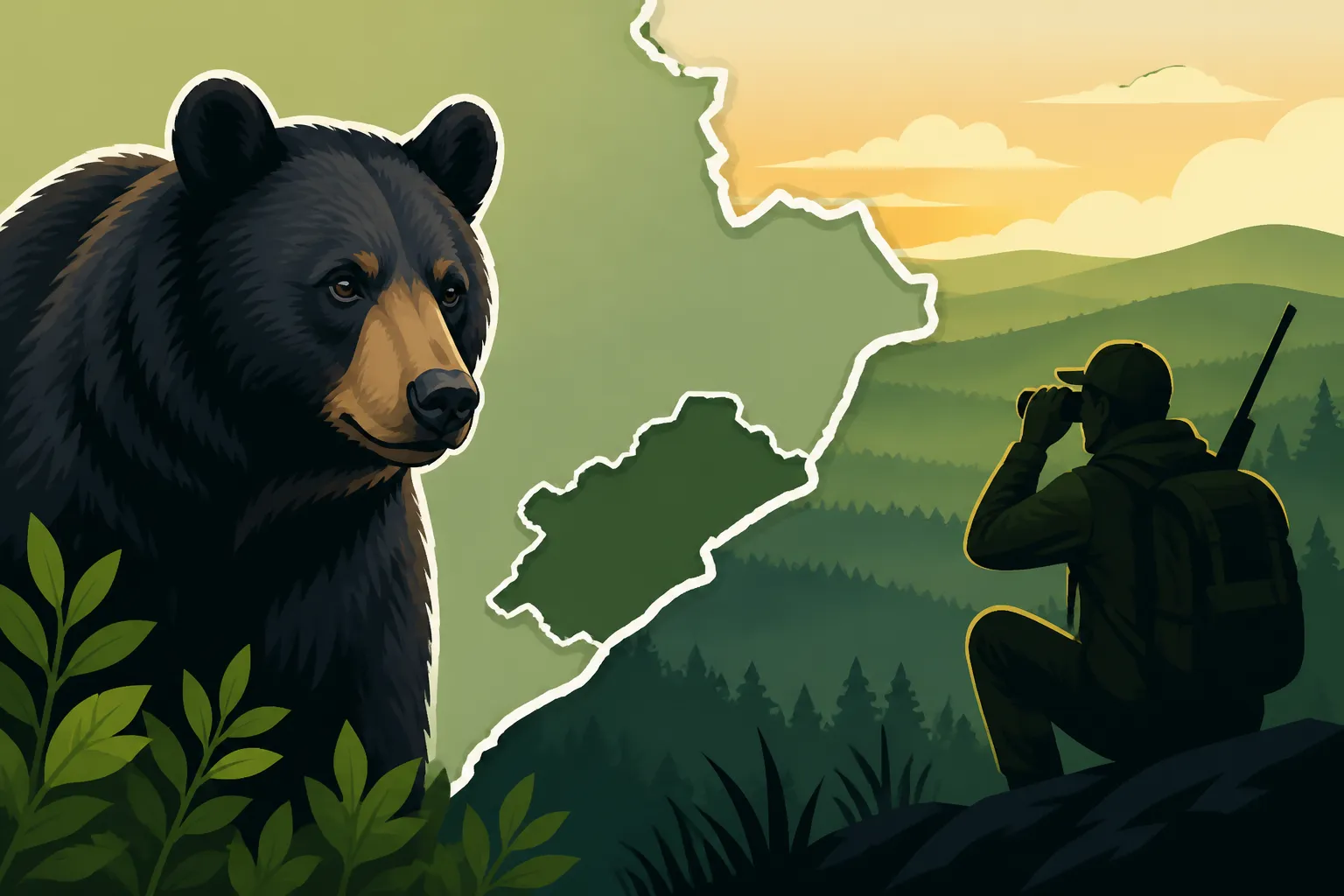
For many, the opportunity to see a black bear in its natural habitat is a thrilling experience. Responsible viewing is key to ensuring both your safety and the well-being of the bears. Always observe from a safe distance, ideally with binoculars or a spotting scope. Never try to get closer for a better photo, and definitely don't try to feed them.
Respect their space and understand that your presence can be a disturbance. If a bear changes its behavior due to your presence – perhaps it stops feeding, looks directly at you for an extended period, or shifts its direction – you are too close. Back away slowly and quietly. The goal is to observe these magnificent animals without influencing their natural behaviors or causing them stress. Remember, you are a visitor in their home, and showing respect for their wildness is the best way to ensure they continue to thrive for future generations.
Hunting Opportunities and Regulations in the Border Region
For licensed hunters, the increased black bear population near the Big South Fork also presents a unique and challenging opportunity. Kentucky now offers a regulated bear season, allowing hunters to participate in the management of this recovering species while pursuing an incredible big game animal. However, hunting bears, especially in such a unique border area, comes with specific rules and considerations.
Kentucky's Bear Zones and the Big South Fork's Role
Kentucky manages its bear hunting through a system of "Bear Zones," which are defined geographic areas with specific seasons and quotas. While the entire state doesn't allow bear hunting, the counties adjacent to the Big South Fork are generally within the designated bear zones. For example, counties like McCreary, Whitley, and Wayne, which border the Big South Fork on the Kentucky side, are typically part of a bear zone. It’s absolutely critical to consult the most current Kentucky Department of Fish and Wildlife Resources (KDFWR) regulations each year to understand exactly Kentucky Bear Zone One and Two Rules (and potentially others) that apply to your specific hunting location within the Big South Fork region.
The Big South Fork's rugged landscape, with its dense forests, steep hollows, and abundant mast crops, provides ideal bear habitat. Hunters targeting this area should focus their scouting efforts on finding key food sources, such as oak and hickory ridges, and tracking corridors bears use between bedding and feeding areas. Using mapping tools like GoHunt can help you overlay public land boundaries with topographical features to pinpoint these high-probability areas, even on the extensive Big South Fork Kentucky Side Access available to hunters.
Specific Hunting Season Considerations for the Border Region
Kentucky's bear season typically consists of both an archery/crossbow season and a firearms season, each with specific dates and often harvest quotas. The Big South Fork's proximity to Tennessee means hunters must be acutely aware of which side of the state line they are hunting on, as Tennessee's regulations and seasons will differ. There's no reciprocal agreement for bear hunting across state lines; your Kentucky license and bear permit are only valid within Kentucky's designated bear zones.
Given the challenging terrain of the Big South Fork, hunters need to be prepared for strenuous hunts. This isn't flat farmland deer hunting; it involves navigating steep slopes, thick rhododendron thickets, and remote areas. Carrying appropriate gear, including good quality optics, a reliable GPS, and robust first-aid supplies, is essential. For those interested in Hunting Bear With Archery Gear in Kentucky, the dense cover can make for close-range encounters, demanding precision and calm nerves. Remember that bear hunting often involves cooler weather, so dressing in layers and having good waterproof gear is crucial. The season dates are usually set to coincide with periods when bears are actively foraging before denning, or shortly after emerging, which can be a prime time for success. Keep an eye on the KDFWR website for the most current Kentucky Bear Firearms Season Dates and other regulations each year.
Ethical Hunting Practices and Regulations Enforcement
Ethical hunting practices are paramount in bear hunting, especially with a recovering population. This includes proper shot placement, meticulous tracking, and adherence to all regulations. Bears are incredibly tough animals, and a poorly placed shot can lead to a long, difficult, and potentially unsuccessful recovery. Being familiar with Shot Placement on a Kentucky Black Bear is crucial. Kentucky also has specific requirements for telechecking harvested bears, similar to deer, which helps the KDFWR monitor harvest numbers and manage the population sustainably.
The KDFWR regularly patrols the bear zones to ensure compliance with hunting regulations. They are particularly vigilant about proper licensing, legal weapons, and harvest reporting. Anyone planning to bear hunt in Kentucky, particularly near the Big South Fork, must have completed a certified Kentucky Hunter Education Requirements course and be thoroughly familiar with the current bear hunting guide. This might also include specific rules regarding baiting, the use of dogs (though Kentucky does permit bear dog seasons, they are highly regulated), and carcass handling requirements. Respecting these rules not only ensures a legal hunt but also contributes to the positive public image of hunting and the continued success of bear conservation efforts in Kentucky.
Disclaimer
This article is for general informational purposes only and does not constitute professional advice. Laws, prices and regulations vary by location and change over time. Consult a qualified professional for guidance on your specific situation.