Kentucky Bear Firearms Season Dates
It can be incredibly frustrating trying to pin down the exact dates for Kentucky's black bear firearms season. With changes to management zones and evolving regulations, it often feels like you need to be a seasoned bureaucrat just to keep up. This guide aims to clear through all that confusion, giving you the precise firearms season dates for black bears across the Bluegrass State, breaking down the zone-specific rules, and helping you plan your hunt with absolute clarity.
Understanding Kentucky's Bear Firearms Season Structure
Kentucky's black bear population has grown significantly over the past few decades, leading to a dynamic and evolving hunting season. What might have been true last year could be slightly different this year, making it crucial for hunters to stay informed. Don't worry, you're not alone in feeling like you're constantly chasing the latest updates.
Why Season Dates Fluctuate and How to Stay Current
The Kentucky Department of Fish and Wildlife Resources (KDFWR) continuously monitors the black bear population, habitat, and harvest data. This scientific approach means that season dates, bag limits, and even the designation of bear zones can shift slightly from year to year. These changes are designed to ensure sustainable management of the herd while still providing hunting opportunities. For instance, increased bear activity in certain areas might prompt the KDFWR to adjust seasons to mitigate potential conflicts or expand hunting access. It’s why relying on an old hunting guide tucked away in your pack isn’t always the safest bet.
To stay current, the absolute best source is always the official KDFWR Hunting and Trapping Guide, available on their website or wherever hunting licenses are sold. Additionally, online platforms like GoHunt can be invaluable resources, often compiling the latest regulatory changes and presenting them in an easy-to-understand format. They can provide timely alerts, helping you prepare for the upcoming season without missing critical updates. Always double-check any information against the official KDFWR regulations before heading afield, especially when dealing with specific season dates.
General Overview of Firearms Season Dates
Unlike the often longer and more flexible archery seasons, Kentucky's bear firearms season is typically short, highly regulated, and specific to each designated bear management zone. These concise windows are a strategic part of managing the population, ensuring that harvest objectives are met without over-pressuring the bear population. It's a stark contrast to the lengthy Kentucky's Statewide Modern Gun Season for deer, for example, which generally runs for over two weeks statewide.
For the 2023-2024 season, the firearms dates are typically seven consecutive days within a specified timeframe for each zone. Hunters need to pay close attention to which zone their hunting area falls into, as a single day's difference can mean the difference between a legal harvest and a violation. These seasons are designed to coincide with times when bears are active, but also when their movement patterns might be predictable, offering hunters the best chance for success within a limited timeframe. Remember, Kentucky's bear archery season dates are different, so be sure you're looking at the correct season for your weapon of choice.
Diving Deep into Kentucky's Bear Management Zones
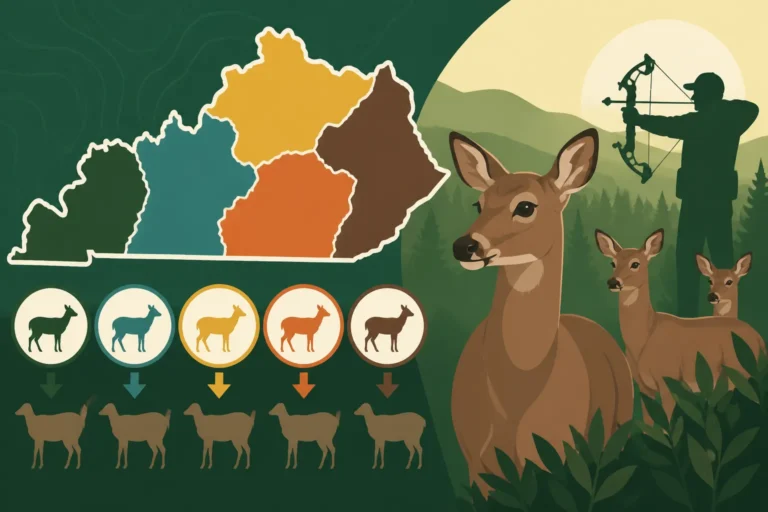
Kentucky is divided into several bear management zones, each with its own set of rules and, crucially, its own firearms season dates. This isn't just arbitrary; it reflects the varying bear densities and habitat characteristics across the state. Understanding these zones is paramount for any aspiring bear hunter. You can't just hunt bears anywhere in Kentucky, nor can you hunt them at the same time across all bear-occupied regions. For a broader perspective, it helps to understand Kentucky's Bear Zone System.
Bear Zone One and Zone Two Regulations
Kentucky's primary bear hunting areas have historically been delineated into Zone 1 and Zone 2, encompassing the heart of the state's expanding bear range. These zones dictate not only when you can hunt but also how many bears can be harvested, though the quota system has evolved.
Bear Zone One typically covers the southeastern-most counties, those truly deep in the Appalachian Mountains where bears have long had a stronghold. These are counties like Bell, Harlan, Knox, Letcher, Leslie, McCreary, Pike, and Whitley. For the 2023-2024 season, the bear firearms season in Zone 1 generally runs from the last Saturday in October for seven days. This early timeframe often coincides with prime mast crops, meaning bears might be actively feeding on acorns and other hard mast, making for excellent hunting opportunities. However, it can also be a warmer period, requiring careful meat care. You can find more detailed information on specific guidelines and boundaries in our guide to Kentucky Bear Zone One and Two Rules.
Bear Zone Two extends further into eastern and south-central Kentucky, encompassing counties that have seen a significant increase in bear presence. This includes areas like Breathitt, Clay, Floyd, Jackson, Johnson, Knott, Laurel, Magoffin, Martin, Morgan, Owsley, Perry, Pulaski, Rockcastle, Rowan, and Wolfe counties. The firearms season for Zone 2 typically falls later in the year, usually beginning on the first Saturday in December for seven days. This later season means colder temperatures, which can be a blessing for hunters needing to preserve their harvest in the field.
In the past, these zones often operated under strict harvest quotas that could lead to an early closure of the season once a certain number of bears were taken. This added a layer of urgency and unpredictability for hunters. However, changes have been made to provide more stability for firearms hunters, which we'll discuss in more detail later.
The Newer Bear Zone Three and Its Implications
Recognizing the continued expansion of Kentucky's bear population, particularly into new areas, the KDFWR introduced Bear Zone Three to better manage these burgeoning populations. This zone is a testament to the success of Kentucky's bear restoration efforts, but it also means hunters need to be even more vigilant about checking the most current regulations. For the most up-to-date information on this new area, refer to our comprehensive article on Kentucky's New Bear Zone Three.
Bear Zone Three currently comprises Clinton and Wayne counties. The introduction of this zone created specific hunting opportunities in these areas, acknowledging the growing bear presence. The firearms season in Zone 3 usually occurs even later than Zone 2, beginning on the second Saturday in December for seven days. This late-season hunt means hunters in these counties have a unique opportunity during a typically colder period, which can influence bear behavior and hunter strategy.
The decision to establish a distinct Zone 3 for Clinton and Wayne counties was based on specific biological and social factors. It reflects an adaptive management strategy to address local population dynamics and hunter demand. Understanding Why Clinton and Wayne Joined Bear Zone Three offers valuable insight into the KDFWR's approach to managing this thriving species. While the season dates provide structure, always be ready for cold weather if you're planning a hunt in these areas.
Here's a quick overview of the 2023-2024 Kentucky Bear Firearms Season Dates:
| Bear Zone | Counties Included | Firearms Season Dates (2023-2024 Example) |
|---|---|---|
| Bear Zone 1 | Bell, Harlan, Knox, Letcher, Leslie, McCreary, Pike, Whitley | Last Saturday in Oct for 7 days (e.g., Oct 28 – Nov 3) |
| Bear Zone 2 | Breathitt, Clay, Floyd, Jackson, Johnson, Knott, Laurel, Magoffin, Martin, Morgan, Owsley, Perry, Pulaski, Rockcastle, Rowan, Wolfe | First Saturday in Dec for 7 days (e.g., Dec 2 – Dec 8) |
| Bear Zone 3 | Clinton, Wayne | Second Saturday in Dec for 7 days (e.g., Dec 9 – Dec 15) |
Always consult the current KDFWR Hunting & Trapping Guide for the most precise and up-to-date dates and regulations.
Firearms Legalities and Harvest Requirements for Bear Hunters
Knowing the season dates is only half the battle; understanding the legalities of what you can carry and what you must do after a harvest is equally important. Kentucky has specific regulations for bear hunting that differ slightly from deer or other game. It's not just about having a valid Kentucky Bear Tag Cost; it's about compliance at every step.
Approved Firearms and Ammunition for Black Bears
When it comes to bear hunting in Kentucky, choosing the right firearm and ammunition isn't just about personal preference; it's about legal compliance and ethical hunting. Kentucky has regulations regarding the types of firearms and calibers that are permissible for taking black bears. While many deer-legal firearms might seem appropriate, always double-check the KDFWR regulations specifically for bear. Generally, centerfire rifles, shotguns, and handguns are allowed, but there are minimum caliber requirements designed to ensure a humane harvest.
For centerfire rifles, a minimum caliber is usually specified, ensuring adequate knockdown power for such a resilient animal. Most common deer calibers like a .30-06, .308, or even a .270 are typically acceptable, but always confirm the exact legal minimum. Shotguns must usually be 10-gauge, 12-gauge, or 20-gauge, and loaded with a single projectile, like slugs. Handguns must also meet specific caliber requirements, generally being .357 magnum or larger. These rules are in place to promote ethical hunting and minimize the chances of wounding a bear without recovering it. If you're generally familiar with Kentucky Legal Firearms for Deer Hunting, you'll notice some overlap, but ensure you're compliant with the specific bear regulations. Carrying the appropriate firearm and understanding Shot Placement on a Kentucky Black Bear are critical for a responsible hunt.
Mandatory Bear Checking and Reporting Procedures
Harvesting a bear in Kentucky comes with a strict set of responsibilities. It’s not simply a matter of dragging it out of the woods and calling it a day. Kentucky has mandatory checking and reporting procedures that all bear hunters must follow. This is crucial for the KDFWR to collect vital data on the bear population, helping them make informed management decisions for future seasons.
Immediately after harvesting a bear, hunters are required to telecheck their harvest. This typically involves calling a toll-free number or reporting online through the KDFWR website or their official GoHunt app. This initial telecheck generates a confirmation number that you must write on your carcass tag and attach to the bear. The deadline for telechecking is usually within a specific timeframe, often by midnight on the day the bear was harvested, but always confirm the current year's exact rules.
Beyond the initial telecheck, Kentucky also requires physical inspection of harvested bears by a KDFWR biologist or designated personnel. This mandatory physical check allows biologists to collect biological data such as age, sex, and other health indicators, which are invaluable for population assessments. You will need to take your bear, or specific parts of it as designated by regulations, to an official KDFWR check station within a specified timeframe, often within 24 hours of harvest. This process ensures that the KDFWR can accurately track the Kentucky Black Bear Population and assess the health of individual animals. Missing these critical steps can result in severe penalties, so make sure you're well-versed in Kentucky Bear Checking Requirements before you head into the woods.
Planning Your Bear Hunt: Beyond Just Dates
While understanding the exact firearms season dates is fundamental, a successful and ethical bear hunt requires much more. It involves strategic planning, a deep understanding of bear behavior, and knowing how to navigate the specific management directives that guide Kentucky's bear program.
The Impact of Harvest Quotas (or Lack Thereof)
Historically, Kentucky's bear hunting seasons, particularly the firearms seasons, operated under a stringent harvest quota system. This meant that once a predetermined number of bears (often specific to sex, like a sow quota) were harvested statewide or within a specific zone, the season would immediately close, sometimes even mid-day. This created an intense, almost frantic, hunting environment where hunters felt pressured to harvest quickly before the season was shut down unexpectedly.
However, recognizing the growing stability of the bear population and aiming to provide a more predictable hunting experience, the KDFWR has made significant adjustments. For the firearms season, Kentucky largely Why Kentucky Dropped the Bear Harvest Quota based on an in-season closure for the past few years. Instead of a hard, early closure based on a quota, the firearms season now typically runs for its full, specified duration within each zone. This provides hunters with more certainty and allows them to plan their hunts without the constant fear of an abrupt shutdown. While there are still overall management goals for the bear population, the immediate, in-season quota closures are primarily applied to the bear dog season, not the firearms season. This allows for a more relaxed and thoughtful hunt for those using firearms, though it's still a short window.
Scouting and Strategy for Bear Firearms Season
A successful bear hunt starts long before opening day. Effective scouting is paramount, especially when hunting the rugged terrain of eastern Kentucky. Bears are highly opportunistic omnivores, and their movements are often dictated by food availability. During the late October to mid-December firearms seasons, they are typically focused on bulking up before denning for the winter. This means looking for mast crops – particularly acorns – is a top priority. Areas with abundant oak trees, especially red oaks which drop their acorns later, can be prime bear feeding grounds.
When planning your hunt, consider the landscape. Bear Hunting Southeastern Kentucky often means navigating steep hollows and dense timber. Focusing on ridge-top saddles, benches, and creek bottoms where bears travel between feeding and bedding areas can be highly productive. Using aerial maps, like those available on GoHunt apps, can help you identify potential travel corridors, secluded pockets of mast, and bedding thickets. Pay attention to fresh sign: tracks, scat, claw marks on trees, and overturned rocks or logs where bears have been foraging. Remember that these animals can cover significant ground. A bear seen in a valley one day could be on a distant ridge the next. Understanding How Many Black Bears Kentucky Has and their general density in your target area can also help you refine your strategy. For instance, areas around the Daniel Boone National Forest, especially districts like the Redbird Ranger District, offer extensive public land access where bears are known to roam. You might also find luck hunting Pine Mountain Ridgelines, where bears often travel along natural corridors.
Ultimately, patience and persistence are your greatest allies. Unlike deer, bears might not appear on a strict schedule. Sitting quietly in a well-scouted area, especially near a consistent food source or travel corridor, can significantly increase your odds.
Disclaimer
The information provided in this guide is for general informational purposes only and is subject to change. Hunting regulations are complex and can be updated frequently by the Kentucky Department of Fish and Wildlife Resources (KDFWR). Always consult the most current official KDFWR Hunting and Trapping Guide and related legal documents before planning or engaging in any hunting activities. Failure to comply with all state and federal hunting laws can result in significant penalties.