Kentucky Elk Quota Hunt Rules
The dream of chasing a majestic bull elk through the hills of Kentucky is one that grips many hunters, but the reality of actually drawing one of those coveted tags can feel like an insurmountable challenge. The Kentucky Department of Fish and Wildlife Resources (KDFWR) has a very specific, and sometimes complex, set of rules governing their elk quota hunts. This comprehensive guide is designed to cut through the confusion, walking you through everything you need to know about the Kentucky elk quota hunt rules, from the application process to what happens after you’ve (hopefully!) drawn that once-in-a-lifetime permit.
The Dream of Kentucky Elk Hunting: Why It's So Coveted
There's a reason why the Kentucky elk hunt draws thousands of applicants every year, many traveling from across the country just for a chance at a tag. It's more than just the hunt itself; it's about the remarkable conservation story and the opportunity to pursue an animal that truly embodies wildness in the Eastern United States. For many, it's a bucket-list experience, deeply rooted in the success of a visionary reintroduction program.
A Brief History of Kentucky's Elk Restoration
It's hard to imagine now, but elk were completely absent from Kentucky for over a century, extirpated by unregulated hunting and habitat loss by the mid-1800s. The comeback story is truly one for the ages. Beginning in December 1997, the KDFWR, in partnership with conservation groups and landowners, began reintroducing elk from states like Kansas, Arizona, Oregon, and New Mexico into the rugged, reclaimed coal lands of Eastern Kentucky. This ambitious project aimed to restore a piece of Kentucky's natural heritage and provide unique hunting and viewing opportunities.
The initial releases were cautiously optimistic, but the elk thrived beyond anyone's wildest expectations. With abundant forage, limited natural predators, and dedicated management, the herd grew exponentially. Today, Kentucky boasts what is often considered the largest elk herd east of the Mississippi River, with population estimates easily topping 10,000 animals. This monumental achievement is a testament to dedicated conservation efforts and is why so many hunters now dream of experiencing this unique opportunity. The story of How Kentucky's Elk Herd Grew Past Ten Thousand is truly fascinating and a source of immense pride for the state.
Understanding the Limited Opportunity
While the herd is massive, the hunting opportunities remain highly controlled to maintain sustainable populations and provide quality hunting experiences. The KDFWR issues a limited number of permits each year through a lottery system, making every single tag incredibly valuable and highly sought after. We're talking about drawing odds that can feel astronomical, especially for bull elk tags which are far fewer in number than cow tags. This scarcity is precisely what makes drawing a Kentucky elk tag such a momentous occasion – it’s not just a hunt, it's a rare privilege.
The KDFWR carefully manages the harvest quotas to align with their population goals, ensuring the long-term health and growth of the herd. These quotas are set annually based on population surveys, habitat conditions, and hunter harvest success rates from previous seasons. This rigorous management means that while the opportunity is limited, the quality of the hunt and the health of the herd are prioritized, creating a truly world-class elk hunting experience right here in the Bluegrass State. It's a system designed to preserve the resource while offering a taste of what it's like to hunt these magnificent animals.
Eligibility and Application: Getting Your Foot in the Door
So, you’ve decided to throw your hat in the ring. Excellent! But before you start scouting imaginary elk, you need to understand who can apply, how to do it correctly, and the specific nuances of Kentucky’s unique draw system. Missing a detail here can mean missing out on a chance that could be years in the making.
Who Can Apply for a Kentucky Elk Permit
The first hurdle is determining your eligibility. Generally speaking, both Kentucky residents and non-residents are eligible to apply for elk permits, though the costs and available permit types might differ slightly. The core requirement for anyone, resident or non-resident, is to possess a valid Kentucky hunting license for the current license year. This is your baseline ticket to apply for any quota hunt in the state, including elk.
Furthermore, applicants must meet Kentucky's hunter education requirements. If you were born on or after January 1, 1975, you'll need to have successfully completed an approved hunter education course to legally hunt in Kentucky. This certification isn't just a formality; it's about ensuring safety and responsible hunting practices for everyone in the field, especially when pursuing large game like elk. You can find more details on Kentucky Hunter Education Requirements on the KDFWR website.
The Application Process Step-by-Step
The application process is entirely electronic, primarily managed through the KDFWR's online licensing portal. The application window typically runs from mid-April through the end of May, so marking your calendar is absolutely critical. Don't be that hunter who misses the deadline! The fee for applying is relatively modest, covering the administrative costs of the lottery system, and it applies to each application you submit.
Here's a general breakdown of the process:
- Purchase a Kentucky Hunting License: As mentioned, this is the first step. You'll need a current annual hunting license (or a sportsman's license bundle) to even access the elk permit application.
- Access the Online Portal: Head to the KDFWR website and navigate to their licensing and permit sales page. You'll log in with your customer ID and password.
- Select Elk Permit Application: Look for the specific section for elk quota hunt applications. You'll be presented with options for different permit types (bull, cow, either-sex).
- Choose Your Application Type: You can apply for a bull permit, a cow permit, or an either-sex permit. You can apply for each type once. Important note: If you draw a bull permit, you cannot also draw a cow or either-sex permit, and vice-versa. It’s one elk tag per hunter per year, total.
- Pay the Application Fee: The system will prompt you to pay the non-refundable application fee for each application submitted.
- Confirm Submission: Always double-check that your application has been successfully submitted and you've received a confirmation number. This is your proof that you're in the running.
Many serious elk hunters rely on tools like the GoHunt app to keep track of application deadlines and analyze draw odds data from previous years. While it can't guarantee a tag, it can provide valuable insights into the number of applicants for each permit type and unit, helping you make informed decisions about where to focus your efforts. The dates for Kentucky Elk Application Window Dates are strictly enforced, so don't miss out!
Understanding Bonus Points
Kentucky utilizes a "bonus point" system rather than a traditional preference point system. It’s a subtle but important distinction. With a preference point system, each point literally moves you up the list. With Kentucky's bonus points, each point simply gives you additional entries into the drawing, thereby increasing your odds of being selected, but it doesn't guarantee a tag. It's still a random lottery, but those extra entries can make a difference over time.
Here's how it works: For every year you apply for a Kentucky elk quota hunt and are unsuccessful in drawing a tag, you earn one bonus point for each application submitted (bull, cow, and either-sex). For example, if you apply for a bull and a cow tag and don't draw either, you'll earn one bonus point for each, giving you two bonus points for the next year's draw. These points accumulate, and in subsequent years, your bonus points are essentially squared and added to your single regular entry. So, if you have 3 bonus points, you'll have 3×3=9 additional entries, plus your one regular entry, for a total of 10 chances in the draw. It’s a system designed to slightly reward persistence without making it impossible for first-time applicants to draw. Understanding the Kentucky Elk Preference Point System (or bonus point system, as it truly is) is crucial for managing expectations.
Navigating Permit Types and Seasons
Once you've wrapped your head around the application process, the next step is understanding the different types of elk permits and the corresponding hunting seasons. Kentucky offers a variety of experiences, each with its own set of challenges and rewards. Knowing the differences can help you prioritize your applications and plan your dream hunt if you're lucky enough to draw.
Bull, Cow, and Either-Sex Permits Explained
Kentucky's elk permits are divided into three main categories: bull, cow, and either-sex. Each has distinct characteristics, influencing their demand, drawing odds, and the type of hunting experience you can expect.
- Bull Permits: These are the most coveted and consequently the hardest to draw. As the name suggests, a bull permit allows you to harvest an antlered bull elk. The allure of a mature bull, with its impressive rack and thunderous bugle, drives intense competition for these limited tags. Bull hunts typically coincide with the rut, offering hunters the thrilling opportunity to call in or intercept bugling bulls. Because fewer bull permits are issued, the odds are significantly lower, making drawing one truly a once-in-a-lifetime achievement for most.
- Cow Permits: While perhaps not as flashy as a bull permit, a cow elk tag offers an excellent hunting experience focused on meat harvesting and herd management. Cow permits are generally more numerous than bull permits, leading to slightly better drawing odds. Hunting cows often involves different strategies, focusing on herd movements, feeding areas, and using spot-and-stalk tactics. These hunts are crucial for managing the overall elk population, helping to control herd size and balance sex ratios within the units.
- Either-Sex Permits: These permits offer the ultimate flexibility, allowing the hunter to harvest either a bull or a cow elk. They are typically somewhere in between bull and cow permits in terms of availability and drawing difficulty. An either-sex permit can be a fantastic option for hunters who prioritize the experience of hunting elk regardless of gender, or for those who want the option of holding out for a bull while still having the opportunity to fill their tag with a cow if the right bull doesn't present itself. This flexibility can make planning a bit easier, as you're not solely focused on one type of animal.
Season Dates and Hunter Choices
Kentucky's elk seasons are strategically staggered to provide diverse hunting opportunities and spread out hunter pressure. The KDFWR divides the seasons into archery/crossbow, muzzleloader, and modern gun (firearm) periods.
- Archery/Crossbow Seasons: These are often the earliest seasons, usually beginning in late September. They offer a unique challenge, requiring hunters to get incredibly close to these wary animals. The early part of the archery season can coincide with the tail end of the bugle, offering heart-pounding encounters. Later archery seasons extend into October and November, overlapping with the peak of the deer rut, though elk behavior is distinct. Hunters utilizing archery or crossbows during these periods must adhere to the specific weapon regulations. You can find the exact dates for the Kentucky Archery-Crossbow Elk Season Dates each year on the KDFWR site.
- Muzzleloader Seasons: These seasons typically fall in the mid-to-late fall, often after the archery seasons have concluded but before the main modern gun seasons. Muzzleloaders offer a blend of traditional hunting and increased range over archery equipment. They can be a fantastic challenge, especially when navigating the unpredictable fall weather of Eastern Kentucky. The sound of a muzzleloader echoing through the crisp autumn air adds to the distinctiveness of this hunt.
- Modern Gun (Firearm) Seasons: These are generally the most popular and often the most successful seasons due to the increased range and power of modern rifles. Kentucky offers distinct periods for Kentucky Bull Firearm Elk Season Dates and Kentucky Cow Firearm Elk Season Dates, typically in late fall and early winter. These seasons are often shorter and more intense, with hunters covering significant ground in search of herds. Given the rugged terrain of the elk zone, a capable rifle and optics are crucial for success in these periods. Remember to review the legal caliber requirements for elk, which are usually more stringent than for deer.
It's important to note that specific season dates and lengths can vary slightly from year to year, so always consult the most current KDFWR hunting guide. When applying, you will be selecting the permit type (bull, cow, or either-sex) but the specific season dates are generally assigned within broad timeframes.
Understanding Kentucky's Elk Hunting Units (EHUs)
Kentucky's elk herd is concentrated in a specific region of the state, primarily in the eastern coalfields. To manage the hunt effectively and distribute pressure, the KDFWR divides this region into several distinct Elk Hunting Units (EHUs). Each EHU has its own characteristics, and understanding them is vital for applicants hoping to maximize their chances and plan a successful hunt.
Overview of the Seven Elk Hunting Units
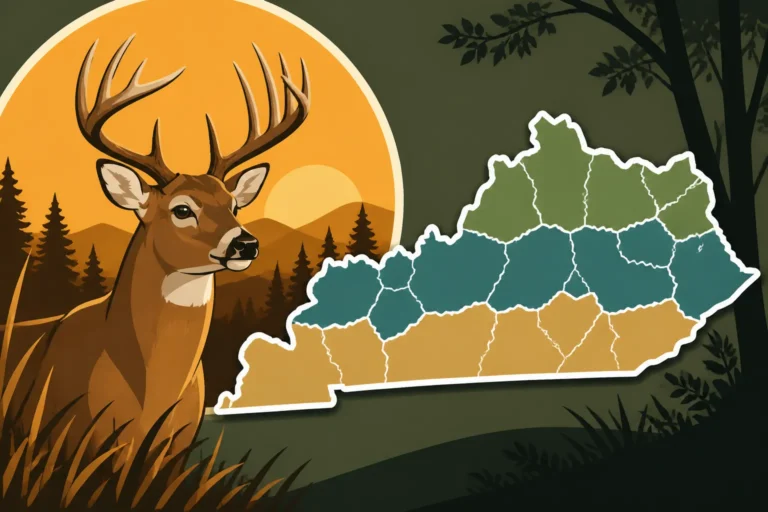
Kentucky's elk zone encompasses 16 counties in the southeastern part of the state, and within this zone, there are seven designated Elk Hunting Units (EHUs). While all seven are recognized, typically only six are open for quota hunts in any given year, with one unit often held in reserve or managed for other purposes. The units are vast, covering hundreds of thousands of acres of diverse habitat, from steep, timbered ridges to open, reclaimed mine lands.
These units include areas like Begley WMA, which features a mix of forests and reclaimed land, and parts of the Daniel Boone National Forest, offering vast expanses of public ground. The varying topography and land use patterns across these units mean that elk distribution and behavior can differ significantly. Some units might have more private land access challenges, while others are dominated by public lands managed by the KDFWR or the U.S. Forest Service. It's truly a mosaic of opportunities. For detailed maps and descriptions, the KDFWR website and resources like GoHunt provide invaluable EHU-specific information, including historical harvest data and public land boundaries, which are crucial for developing a strategy. You can delve deeper into Kentucky's Seven Elk Hunting Units for specific details.
Unit-Specific Rules and Challenges
While the general statewide regulations apply, each EHU can present its own unique set of rules and challenges, primarily concerning access and terrain.
- Terrain and Navigation: The topography of the elk zone is generally rugged, characterized by steep slopes, narrow hollows, and dense timber. Some EHUs, particularly those within the Daniel Boone National Forest, are heavily forested and demand excellent physical conditioning and navigation skills. Other units, especially those on reclaimed mine lands, might feature more open areas, making glassing more effective but also leaving hunters more exposed. Understanding the specific terrain of your chosen unit, or the unit you're drawn for, is critical for gear selection and physical preparation.
- Public vs. Private Land Access: This is a huge consideration. While the elk zone boasts a significant amount of public land, including WMAs and portions of Daniel Boone National Forest, much of it is still private. Some units might have a higher percentage of public access than others. For example, the Peabody Wildlife Management Area is known for its extensive reclaimed mine lands which offer great public access, while other units might be a patchwork of private land. If you draw a tag for a unit with limited public access, you'll need to focus on securing private land permission well in advance. Tools like GoHunt can overlay public and private land boundaries, which is incredibly helpful for scouting and planning.
- Drawing Odds and Quotas: The number of permits allocated to each EHU can vary, and this directly impacts drawing odds. Units with higher elk populations or specific management needs might receive more permits. Similarly, the demand for certain units can be higher, making them tougher draws. Researching historical draw odds per EHU is a smart move if you're trying to optimize your application strategy, though remember it's still a lottery.
- Special Considerations: Some EHUs might have specific access restrictions, such as gated roads, or unique regulations regarding ATV use. Always check the current KDFWR elk hunting guide for any unit-specific rules that could impact your hunt plan. For example, some parts of the Daniel Boone National Forest might have specific camping or vehicle rules that differ from other public lands. Getting familiar with scouting tools and maps is paramount for navigating these diverse landscapes effectively.
The Draw Results and What Comes Next
The waiting game after applying for an elk tag can be agonizing. Will this be the year? The moment the draw results are announced is a mix of dread and anticipation. If you're one of the lucky few, a whole new phase of planning and preparation begins.
How to Check Your Application Status
The KDFWR typically releases the elk draw results in late June or early July, usually coinciding with their annual license year cycle. You won't receive a phone call or an email notification automatically, so it's up to you to actively check your status. The easiest way to do this is by logging into your KDFWR online customer account, the same portal you used to apply. There, you'll be able to see your application history and whether you were successful in the draw for each permit type you applied for.
If you are drawn, the system will clearly indicate "SUCCESSFUL" next to your permit type and assigned EHU. If you were unsuccessful, it will show "UNSUCCESSFUL" and will also indicate that you've gained a bonus point for each unsuccessful application, quietly nudging you closer to potentially better odds in future years. It's a moment of truth that can either send you into a frenzy of excited planning or leave you already looking forward to next year's application window. Remember, persistence pays off in the bonus point system!
Preparing for Your Elk Hunt
Congratulations, you've drawn a tag! Now the real work begins. Drawing the tag is just the first step; turning that tag into a successful harvest requires meticulous planning, physical preparation, and a deep understanding of the area you'll be hunting.
- Purchase Your Permit: Once drawn, you'll have a window of time to purchase your actual elk permit. This is critical; if you don't purchase it by the deadline, your tag will be forfeited, and it might be offered to an alternate. Don't let this happen! The permit fee is separate from the application fee and is typically higher, reflecting the value of the tag.
- Scouting Your EHU: This is perhaps the most important phase. Even if you've hunted in the general elk zone before, conditions change, and elk patterns shift. Utilize mapping tools like the GoHunt app or others to study topography, access points, water sources, and potential bedding and feeding areas in your specific EHU. Look for historical harvest data within your unit, if available, to identify productive zones. If possible, make scouting trips to familiarize yourself with the terrain. Look for sign: tracks, rubs, wallows, and droppings. Knowing the specific lay of the land will give you a significant advantage. Scouting Kentucky Public Land Before Season is not just for deer; it's absolutely vital for elk.
- Physical Conditioning: Kentucky's elk country is rugged. Don't underestimate the demands of hiking steep hills, navigating dense brush, and potentially packing out hundreds of pounds of meat. Start a fitness regimen well in advance. Focus on cardio, leg strength, and carrying weight, simulating the conditions you'll face.
- Gear Prep: Your gear needs to be up to the task. This includes your weapon (rifle, muzzleloader, bow, or crossbow), high-quality optics (binoculars, spotting scope, rangefinder), sturdy boots, appropriate layering clothing for unpredictable mountain weather, a reliable pack, and navigation tools (GPS, compass, maps). For those using rifles, ensure your chosen caliber is appropriate for elk and that you've spent plenty of time at the range. Check out Elk Hunting Gear for Southeastern Kentucky for a detailed breakdown of essential items.
- Develop a Hunt Plan: Think through various scenarios. What's your strategy if you see elk far away? How will you approach them? What's your plan for game recovery if you make a harvest in a steep, remote area? Will you be hunting alone or with a partner? Having a solid plan, even if it changes, will boost your confidence and readiness.
Important Regulations and Ethical Considerations
Beyond the specific application and season rules, there are overarching regulations and ethical principles that every Kentucky elk hunter must adhere to. These aren't just bureaucratic hurdles; they are in place to ensure safety, fair chase, and the continued health of the elk herd and hunting tradition.
General Hunting Regulations to Remember
While the KDFWR hunting guide is your ultimate source for all current regulations, some key rules are worth highlighting for elk hunting:
- Blaze Orange Requirements: During any modern gun or muzzleloader season, all hunters, and anyone accompanying them, must wear hunter orange. This typically means a solid outer garment that is at least 50% blaze orange above the waist, and a blaze orange hat. These requirements are for safety, ensuring hunters are visible to each other in the dense timber. Even archery hunters during firearms seasons must adhere to this. Always check Kentucky Blaze Orange Requirements for the most up-to-date specifications.
- Legal Weapons: Ensure your chosen weapon complies with Kentucky regulations for elk. For firearms, there are minimum caliber requirements (e.g., typically .270 caliber or larger for rifles, with specific bullet weight restrictions). Shotguns are usually restricted to slugs. Archery and crossbow equipment also have minimum draw weights and kinetic energy requirements. Handguns must meet specific caliber and barrel length criteria. Always verify that your equipment is legal before heading into the field.
- Carcass Movement Restrictions: With the ongoing concern of Chronic Wasting Disease (CWD) in nearby states and isolated cases in Kentucky, there may be specific rules regarding the movement of elk carcasses, especially out of the elk restoration zone or CWD surveillance zones. These rules are designed to prevent the spread of the disease. You might be required to debone the animal or leave certain parts (like the brain or spinal cord) in the field. Always check the KDFWR CWD section for the latest updates.
- Tagging and Checking: After a successful harvest, you must immediately attach your elk tag to the animal. Kentucky utilizes a telecheck system, where you report your harvest via phone or online within a specific timeframe (usually by midnight on the day of harvest). This is crucial for data collection and proper management. Failing to telecheck your animal is a serious violation.
- Public Land Rules: If hunting on public land (WMAs, National Forest), be aware of specific rules regarding vehicle access, camping, treestand use, and trail cameras. Some areas may have restrictions on motorized vehicles, requiring you to access remote areas on foot.
Ethical Hunting Practices in Elk Country
Beyond the written rules, ethical hunting is paramount. Elk are magnificent animals, and harvesting one is a privilege that comes with responsibility.
- Fair Chase: Always adhere to fair chase principles. This means no pursuing animals with vehicles, no using artificial lights, and respecting the animal's ability to escape.
- Respect Private Land: Even if you have a public land tag, you will likely encounter private property boundaries. Always know where you are and respect posted land. If you need to retrieve a downed animal from private land, you must obtain permission from the landowner first. Trespassing, even accidentally, can damage hunter-landowner relations for everyone.
- Shot Placement and Game Recovery: Aim for a quick, humane kill. This means practicing your shooting skills extensively and knowing your limitations. Elk are large, tough animals, and a poor shot can lead to a long, difficult, and often unsuccessful recovery. If you make a shot, do everything in your power to recover the animal. This includes proper blood trailing techniques, which can be challenging in the dense cover and steep terrain of Kentucky's elk zone.
- Leave No Trace: Pack out everything you pack in. Leave the woods cleaner than you found them. This includes gut piles, which should be left in a discreet location away from trails or water sources.
- Conservation Mindset: Remember that your permit and the hunt itself are a direct result of decades of conservation efforts. Be an ambassador for hunting, uphold its values, and contribute to the ongoing success of Kentucky's elk program.
Final Thoughts and the Elk Hunter's Journey
Drawing a Kentucky elk tag is an achievement in itself, a testament to patience and a little bit of luck. The journey that follows, from meticulous preparation to the actual hunt, will challenge you, teach you, and ultimately reward you with an unforgettable experience. This isn't just about punching a tag; it's about connecting with the wild, understanding a complex ecosystem, and participating in a remarkable conservation success story.
Persistence and Planning Are Key
The odds of drawing a Kentucky elk permit might seem daunting, especially for those highly coveted bull tags. But this is where persistence, combined with intelligent planning, truly shines. Many hunters apply for years, accumulating those valuable bonus points, before finally getting their name drawn. Don't get discouraged if it doesn't happen on your first or even fifth try. The anticipation and the ongoing learning process of understanding the herd and the rules are part of the adventure.
Once you have that tag in hand, don't underestimate the challenge of the hunt itself. Kentucky's elk country is rugged, vast, and often unforgiving. Success rarely comes without significant effort, careful scouting, and the ability to adapt to changing conditions. Embrace the grind, because it's in those moments of pushing through dense brush, navigating steep hollows, and patiently waiting that the true spirit of elk hunting reveals itself. Every sunrise over an Eastern Kentucky ridge during elk season is a reward in itself, whether a bugle answers your call or not.
Beyond the Hunt: Conservation and Community
The Kentucky elk program is more than just a hunting opportunity; it's a profound success story in wildlife conservation, providing significant ecological, economic, and recreational benefits to the state. Every hunter who purchases a license and applies for a permit contributes directly to the funding that sustains not only the elk program but all wildlife management efforts across Kentucky. This includes habitat improvement, research, enforcement, and education.
Furthermore, the elk hunt fosters a vibrant community. From sharing tips and strategies online to connecting with fellow hunters in elk camp, the shared passion for these incredible animals builds bonds. It's a reminder that hunting is deeply intertwined with a broader commitment to wildlife and wild places. So, whether you're drawn this year or still building those bonus points, know that you're a part of something truly special, a legacy of conservation that ensures future generations can also dream of chasing a Kentucky bull.
Disclaimer
The information provided in this guide is intended for general knowledge and informational purposes only, and does not constitute legal advice. Hunting regulations, season dates, and permit requirements are subject to change at any time. It is the responsibility of every hunter to consult the official Kentucky Department of Fish and Wildlife Resources (KDFWR) hunting guide and website for the most current and accurate regulations before applying for a permit or heading into the field. Failure to comply with all applicable laws and regulations can result in penalties.