How Kentucky’s Elk Herd Grew Past Ten Thousand
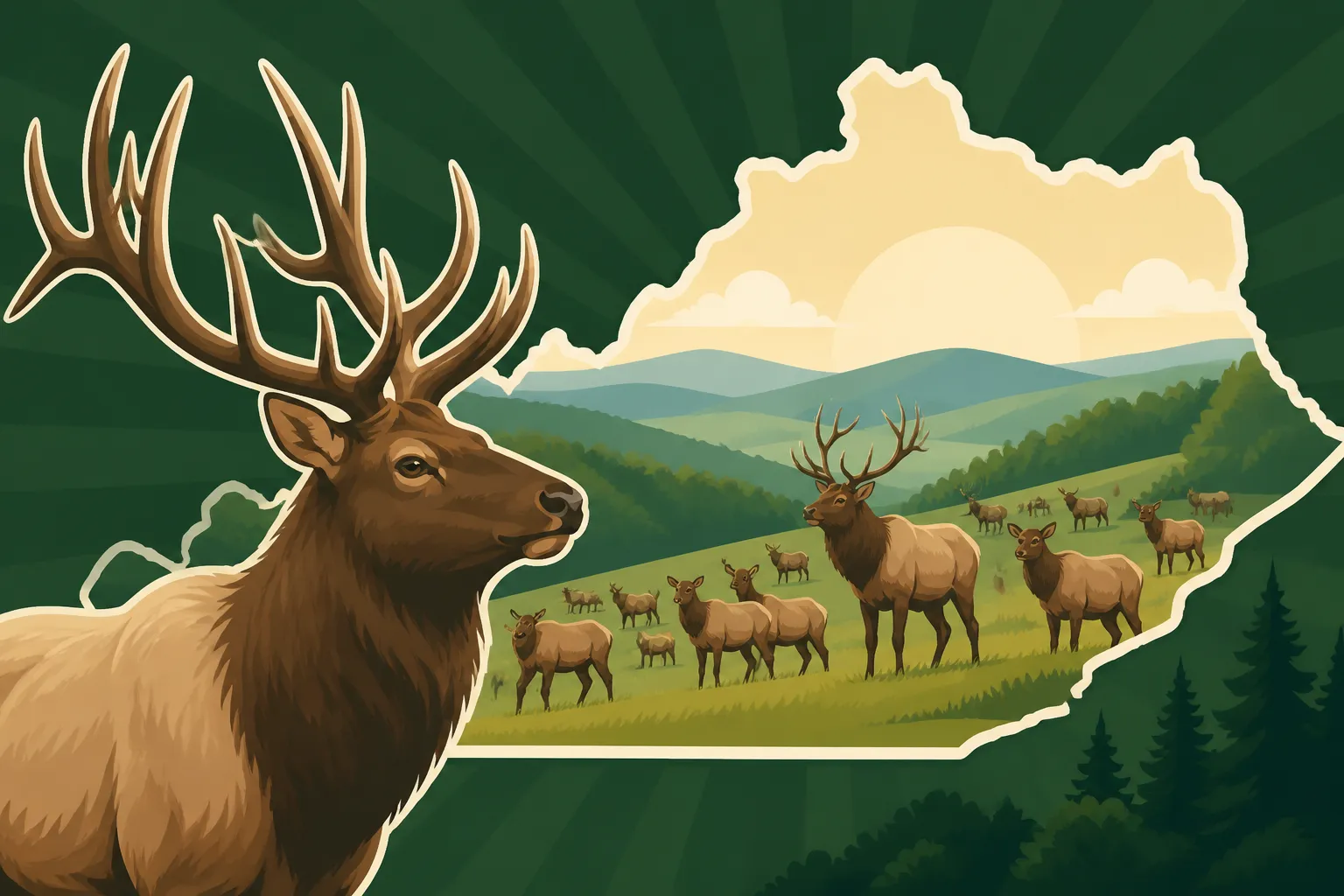
It’s a truly remarkable feat, but many Kentuckians, even seasoned hunters, might not fully grasp the monumental effort and incredible success story behind our state’s thriving elk population. Once completely extirpated, the idea of a herd surpassing ten thousand animals in the rolling hills of Kentucky seemed like a distant dream. This comprehensive guide will pull back the curtain on the detailed history, the meticulous management strategies, and the passionate conservation efforts that transformed a barren landscape into the home of the largest elk herd east of the Mississippi River, offering an inspiring blueprint for wildlife restoration.
The Historical Context: Elk in Pre-Settlement Kentucky
Before European settlement fundamentally altered the landscape, eastern elk, a subspecies of the North American elk, roamed freely across much of what is now Kentucky. Imagine vast herds moving through the ancient forests and cane breaks, their bugles echoing across the valleys. This was a land rich in wildlife, and elk were a prominent part of that natural tapestry, playing a vital role in the ecosystem. They were a significant food source for Native American tribes and early settlers, contributing to the rich biodiversity of the region.
However, the relentless march of westward expansion and unchecked exploitation took a severe toll. By the mid-19th century, the pressure from market hunting, coupled with widespread habitat destruction as forests were cleared for agriculture and timber, pushed the eastern elk to the brink. It was a common story across many parts of North America for various species, but for the elk in Kentucky, the outcome was particularly dire. The last wild elk in Kentucky was reportedly killed around 1847, leaving a significant void in the state’s wildlife heritage and a stark reminder of human impact.
Native Elk and Their Disappearance
The native elk that once roamed Kentucky were a majestic sight, integral to the ecological balance of the region. Their grazing habits helped shape forest understories and create open areas, benefiting other species. They were a testament to the wildness and abundance of our state. However, the burgeoning human population, with its increasing demand for meat, hides, and antlers, put immense pressure on these animals. Early hunting regulations, if they existed at all, were often poorly enforced or insufficient to stem the tide.
Beyond direct hunting pressure, the transformation of the landscape was perhaps the most significant factor in their demise. As settlers moved in, vast tracts of old-growth forest were felled for timber, and land was cleared for farming. The interconnected woodlands and open meadows that elk relied upon for forage and cover rapidly fragmented and disappeared. Without sufficient habitat and with constant human disturbance, the remaining elk herds simply couldn't sustain themselves. Their numbers dwindled quickly, leading to their complete extirpation from Kentucky, a loss that would be felt for over a century.
The Vision for Reintroduction
For decades, the idea of bringing elk back to Kentucky remained a hopeful whisper among conservationists and hunters. The landscape had changed dramatically since the mid-1800s, but pockets of suitable habitat still existed, particularly in the rugged, less-developed southeastern coalfield regions. The dream was more than just reintroducing a species; it was about restoring a piece of Kentucky’s natural heritage and revitalizing ecosystems that had been missing a keystone species for so long.
The groundwork for this ambitious vision began with a growing understanding of wildlife management principles and the success stories of elk reintroduction in other states like Pennsylvania and Michigan. These pioneering efforts demonstrated that with careful planning, dedicated resources, and community support, it was possible to reverse historical wrongs and bring back species once thought lost forever. It sparked a belief that Kentucky could, and should, do the same. This nascent vision required incredible perseverance, as securing funding, political will, and public acceptance for such a massive undertaking would be no small feat.
The Groundbreaking Kentucky Elk Restoration Project
The dream of reintroducing elk to Kentucky finally began to materialize in the late 1990s, culminating in one of the most ambitious and successful wildlife restoration projects in North American history. This wasn't just about releasing a few animals into the wild; it was a carefully orchestrated, multi-year endeavor that involved significant collaboration between state agencies, non-profit organizations, and local communities. The success story of Kentucky's elk herd is a testament to what can be achieved when a diverse group of stakeholders rallies around a common conservation goal.
The project faced numerous hurdles, from securing initial funding to overcoming logistical challenges of animal translocation, and ensuring long-term habitat suitability. But through meticulous planning and unwavering dedication, the Kentucky Department of Fish and Wildlife Resources (KDFWR), supported by key partners, pushed forward. The commitment to restoring this iconic species was evident in every step of the process, laying the foundation for the thriving herd we see today.
Securing the Foundation: Funding and Political Will
The sheer scale of an elk restoration project required substantial financial resources and, just as importantly, strong political and public support. This wasn't a cheap undertaking, and it certainly wasn't something that could happen overnight or without widespread buy-in. A pivotal partner in securing this foundation was the Rocky Mountain Elk Foundation (RMEF), which threw its considerable weight and expertise behind the Kentucky project. RMEF, known for its dedication to elk and elk country, provided significant funding, technical assistance, and helped rally public enthusiasm. Their involvement was crucial, transforming a local aspiration into a nationally recognized conservation initiative.
Beyond RMEF, state legislative support and funding from the Kentucky Department of Fish and Wildlife Resources were essential. License sales, permit fees, and federal excise taxes on hunting equipment, through the Pittman-Robertson Act, also contributed vital revenue streams. Convincing landowners and local residents in southeastern Kentucky that elk would be a benefit, not a burden, was another critical component. This required extensive public outreach, educational programs, and assurances that potential conflicts would be managed. Without this confluence of funding, scientific expertise, and grassroots support, the project would have remained an impossible dream.
Sourcing and Translocating the First Elk
With the necessary funding and support in place, the next monumental task was sourcing and safely transporting thousands of elk from other states to Kentucky. This was a complex operation requiring specialized equipment, veterinary care, and precise logistical planning. The KDFWR worked with several western states and Canadian provinces that had healthy, robust elk populations, including Utah, Kansas, Arizona, New Mexico, and even some from Canada. These states understood the value of conservation and were willing partners in helping Kentucky rebuild its herd.
The translocation process itself was a marvel of modern wildlife management. Elk were typically captured in their home states using carefully executed darting from helicopters or funneling into large corrals. Once captured, they underwent thorough health screenings to prevent the introduction of diseases into Kentucky's ecosystem. They were then loaded into specially designed trailers, often refrigerated, to minimize stress during the long journey back east. Upon arrival in Kentucky, usually at carefully selected release sites, the elk were again monitored before being gently released into their new home. From December 1997 through 2002, approximately 750 elk were released, forming the nucleus of what would become a truly remarkable herd. This commitment to detail during the initial reintroductions ensured the best possible start for the new population.
Choosing the Elk Restoration Zone
The selection of the specific location for elk reintroduction was perhaps one of the most critical decisions in the entire project. It wasn't arbitrary; it was a scientific choice based on extensive ecological research and a deep understanding of elk habitat needs. The southeastern Kentucky coalfields emerged as the ideal candidate, encompassing a vast area of rugged, mountainous terrain that had been significantly altered by surface mining operations. While mining had undoubtedly scarred the landscape, it had also inadvertently created large expanses of reclaimed land – open meadows and grasslands interspersed with regenerating forests.
These reclaimed mine lands, particularly in counties like Knott, Leslie, and Harlan, provided excellent forage for elk, resembling the open prairie-like environments they thrive in, but nestled within the protection of Appalachian forests. The low human population density in many of these areas also minimized potential human-wildlife conflicts, at least initially. Furthermore, a significant portion of this restoration zone consisted of public and managed lands, allowing for effective state oversight and management. This strategic choice was paramount, providing the growing herd with ample food, cover, and room to roam, ensuring their ability to not only survive but truly flourish in their new Kentucky home. In fact, many hunters looking for Hunting Kentucky's Record Elk Herd will find themselves drawn to these same areas.
Strategic Management and Habitat Enhancement
Once the initial translocations were complete and the elk began to settle into their new home, the focus shifted from reintroduction to active, long-term management and habitat enhancement. It wasn't enough to just release them; the KDFWR understood that sustained growth and a healthy population required ongoing intervention and strategic decision-making. This holistic approach recognized that human stewardship was vital for the herd's continued success, ensuring a balance between ecological needs and responsible resource utilization.
This phase of the project involved a multi-faceted strategy, from carefully cultivated landscapes to scientifically informed hunting quotas and proactive measures to mitigate potential challenges. The success of the Kentucky elk herd is a testament to this adaptive and forward-thinking management philosophy.
Active Habitat Improvement Initiatives
The reclaimed mine lands of southeastern Kentucky, while initially providing good forage, required ongoing management to remain optimal elk habitat. The KDFWR, often in partnership with organizations like RMEF and local landowners, implemented various habitat improvement initiatives. One key strategy involved prescribed burns, which are controlled fires used to remove undesirable vegetation, stimulate new growth of grasses and forbs, and enhance the nutritional value of forage for elk. These burns mimic natural fire cycles, creating a mosaic of different habitat types that benefit not only elk but a host of other wildlife.
Beyond fire, extensive planting efforts focused on establishing native grasses, clover, and other preferred forage species on reclaimed sites. These efforts provided a consistent and high-quality food source, crucial for supporting a rapidly expanding herd. Furthermore, creating and maintaining water sources, as well as establishing natural travel corridors and bedding areas within the surrounding forests, ensured the elk had everything they needed to thrive. These active habitat management practices transformed what could have been a marginal habitat into a veritable elk paradise, directly contributing to the population boom.
Balancing Population Growth with Sustainable Hunting
As the elk herd grew, reaching a population estimated to be well over 10,000 animals, the KDFWR recognized the need to manage the herd through sustainable hunting. This wasn't just about providing hunting opportunities; it was a crucial management tool to control population density, maintain herd health, and minimize conflicts with landowners. The agency developed a robust quota hunt system, which remains highly competitive given the limited number of permits available each year. Hunters must apply for these coveted permits, and the draw odds can be challenging. For those serious about their chances, tools like the GoHunt Insider platform can provide valuable data on draw odds, unit breakdowns, and harvest statistics, giving applicants an edge in understanding their options when Applying for a Kentucky Elk Permit.
The KDFWR employs rigorous data collection methods, including aerial surveys, calf survival studies, and harvest data analysis, to inform their annual quota recommendations. This scientific approach ensures that hunting pressure is carefully calibrated to allow for continued population growth while targeting specific segments of the herd (e.g., antlerless permits to control overall numbers, bull permits for trophy opportunities). The goal is always to maintain a healthy, viable, and sustainable elk population for future generations of Kentuckians. This careful balance ensures that the herd remains robust, preventing overgrazing of habitat and reducing the potential for disease transmission often seen in overpopulated areas. Hunters can also learn more about the Kentucky Elk Application Window Dates to ensure they don't miss out on their chance.
Addressing Challenges: Disease and Human-Wildlife Conflict
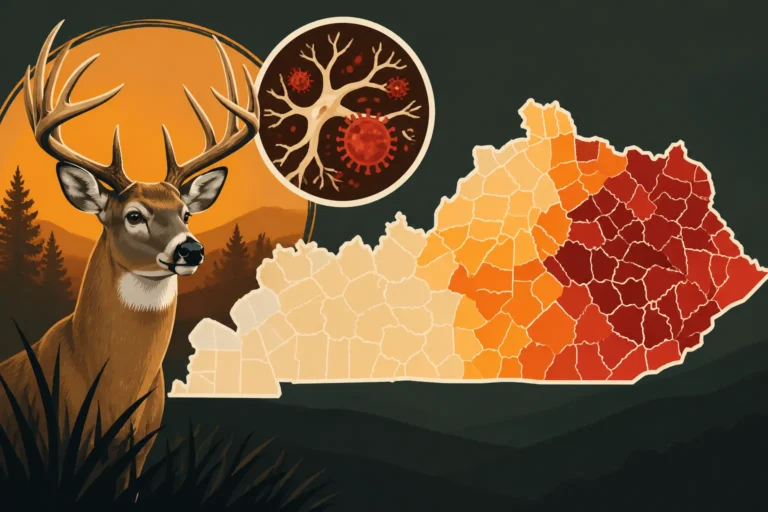
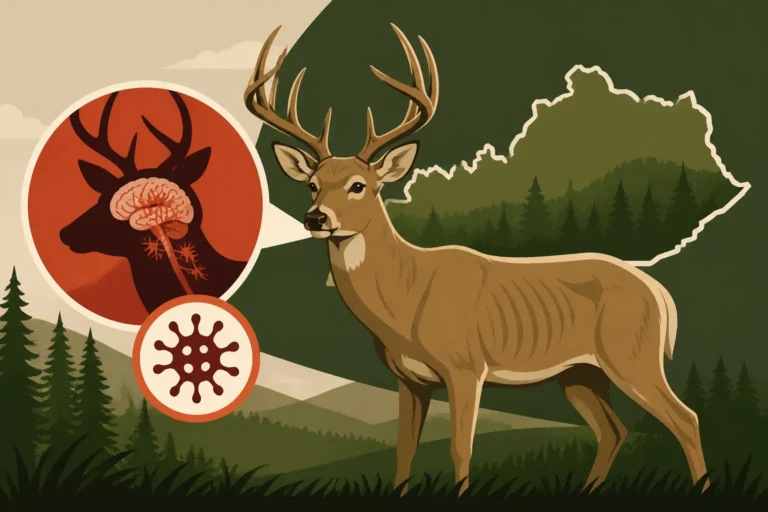
While the Kentucky elk restoration has been a resounding success, it hasn't been without its challenges. Managing a large, free-ranging population of any species inevitably brings potential issues, and the KDFWR has been proactive in addressing them. Disease monitoring is a continuous effort, especially concerning threats like Chronic Wasting Disease (CWD), although thankfully, CWD has not yet been detected in Kentucky's wild elk herd. Regular surveillance and testing of harvested animals are critical to ensuring the herd remains healthy. Other diseases, such as EHD (Epizootic Hemorrhagic Disease), can occasionally impact deer and elk populations, requiring vigilant monitoring.
Perhaps the most persistent challenge lies in managing human-wildlife conflict, especially with agricultural producers and landowners. Elk, being large grazers, can cause damage to crops, fences, and timber. To mitigate these issues, the KDFWR has implemented various programs, including fencing assistance, depredation permits, and educational outreach. Furthermore, the strategic placement of feeding stations in some areas, particularly in winter, can help draw elk away from private lands, minimizing damage. These proactive measures are vital for maintaining public support for the herd and ensuring that elk can coexist peacefully with the communities that surround their habitat. Understanding these challenges is key to the long-term sustainability of the herd, as discussed in How Many Elk Live in Kentucky Today.
The Impact and Future of Kentucky's Elk Herd
The success of Kentucky's elk restoration project extends far beyond just wildlife numbers; it has profoundly impacted the socio-economic landscape of southeastern Kentucky and offered a beacon of hope for conservation efforts worldwide. The presence of a thriving elk herd has breathed new life into communities, drawing visitors and generating revenue, while simultaneously inspiring a deeper connection to nature for many.
This incredible journey from extirpation to a population of over ten thousand animals is a powerful narrative of what dedicated conservation can achieve. It reinforces the idea that with sustained effort, we can not only protect but also restore natural heritage for future generations to enjoy.
Economic Benefits for Southeastern Kentucky
The return of elk to Kentucky's coalfields has brought with it a significant economic boost to a region that has historically faced economic hardship. The elk herd has become a powerful magnet for tourism, drawing hunters, wildlife viewers, and nature enthusiasts from across the country. These visitors spend money on lodging, food, fuel, guide services, and local retail, injecting much-needed revenue into small, rural communities. This shift has diversified local economies, providing alternatives to traditional industries that have declined over the years. The annual elk hunt, though limited in permits, generates substantial economic activity, with hunters often staying for several days and utilizing local businesses.
Beyond direct hunting revenue, the allure of seeing wild elk in a beautiful Appalachian setting has fostered a burgeoning wildlife tourism industry. Local businesses, from cabin rentals to restaurants, have experienced increased patronage. This economic revitalization has created new jobs and opportunities, providing a sense of hope and pride for the residents of the elk restoration zone. It's a clear example of how strategic conservation efforts can yield tangible economic benefits, proving that ecological restoration and economic prosperity can go hand-in-hand. When considering a trip, utilizing mapping tools like those offered by GoHunt can help visitors locate public access points and potential viewing areas more efficiently.
Elk Viewing and Tourism Opportunities
For many, the opportunity to see wild elk is a truly breathtaking experience, and Kentucky offers one of the best chances to do so east of the Mississippi. The state has embraced this unique asset, promoting elk viewing as a significant tourism draw. Areas like the Jenny Wiley State Resort Park and the various wildlife management areas within the elk zone (e.g., Begley WMA, Miller-Welch WMA) offer excellent opportunities for spotting these magnificent animals, especially during the early mornings and late evenings. The fall bugling season, when bull elk challenge each other with their haunting calls, draws crowds of wildlife enthusiasts keen to witness this natural spectacle. Knowing When Kentucky Elk Bugle can greatly enhance a viewing experience.
Several designated elk viewing routes and overlooks have been established, providing safe and accessible points for visitors to observe the herd without disturbing them. Local businesses, some of which once catered primarily to coal miners, have adapted to serve this new wave of ecotourists, offering guided tours, lodging, and amenities. This shift has not only generated revenue but has also fostered a renewed appreciation for the natural beauty and wildlife of southeastern Kentucky. It's a powerful narrative of economic diversification driven by successful conservation, making Kentucky a unique destination for those who want to Where to Watch Elk Without a Tag.
Continuing Conservation Efforts and Future Goals
The journey for Kentucky's elk herd is far from over. While the restoration has been an undeniable triumph, sustained success requires ongoing commitment to conservation, research, and adaptive management. The KDFWR continues to monitor the herd closely, studying population dynamics, habitat use, and disease prevalence. Research into genetic diversity and long-term ecological impacts helps inform future decisions, ensuring the herd remains robust and adaptable to changing environmental conditions.
Future goals include continuing to enhance habitat through forestry practices, reclamation projects, and strategically placed food plots. There's also an ongoing effort to balance the growing herd with human interests, which may involve exploring strategies for controlled expansion into suitable adjacent habitats while managing potential conflicts. Education remains a cornerstone, informing both hunters and non-hunters about the importance of responsible wildlife stewardship. The collaborative spirit that marked the initial restoration continues to drive these efforts, ensuring that Kentucky's elk herd remains a vibrant testament to conservation for generations to come. For those interested in deeper engagement with hunting regulations or conservation initiatives, taking a Kentucky Hunter Education Requirements course is always a good step. The long-term health of our wildlife depends on informed and active participation from everyone who cares about Kentucky's natural resources, and understanding the Kentucky Hunting Licenses and What They Cost is the first step for many.
Elk Herd Growth and Hunting Opportunity in Kentucky
Here's a look at the approximate growth of the Kentucky elk herd and the resulting expansion of hunting opportunities over the years. Please note that exact figures fluctuate annually, but this table provides a general trend.
| Year Range | Estimated Elk Population | Annual Hunting Permits Issued (Approx.) | Key Management Focus | Notes |
|---|---|---|---|---|
| 1997-2002 | 0 – 750 | 0 | Reintroduction, initial releases, habitat establishment | Elk sourced from western states; initial growth phase. |
| 2003-2007 | 1,000 – 3,000 | 100-300 | First limited hunting seasons, population monitoring | Focus on antlerless permits to control growth. |
| 2008-2012 | 4,000 – 6,000 | 400-600 | Increased permit numbers, habitat refinement | Bull permits gradually introduced. |
| 2013-2017 | 7,000 – 9,000 | 700-900 | Expanding hunting zones, managing land conflicts | Public and private land access for hunting becoming critical. |
| 2018-Present | 10,000+ | 500-1,000+ (variable by permit type) | Sustainable harvest, CWD surveillance, public access | Focus on herd health and providing diverse hunting opportunities. |
Note: Permit numbers vary greatly by permit type (bull archery, cow firearm, etc.) and specific management goals each year. The "Annual Hunting Permits Issued" is a general range for all permit types combined.
Disclaimer
The information provided in this guide is intended for educational and informational purposes only. While we strive to provide accurate and up-to-date content, hunting regulations, season dates, and wildlife management practices are subject to change. Always consult the official Kentucky Department of Fish and Wildlife Resources (KDFWR) regulations and advisories before planning any hunting or outdoor activities in Kentucky. Compliance with all state and federal laws is the responsibility of the individual.