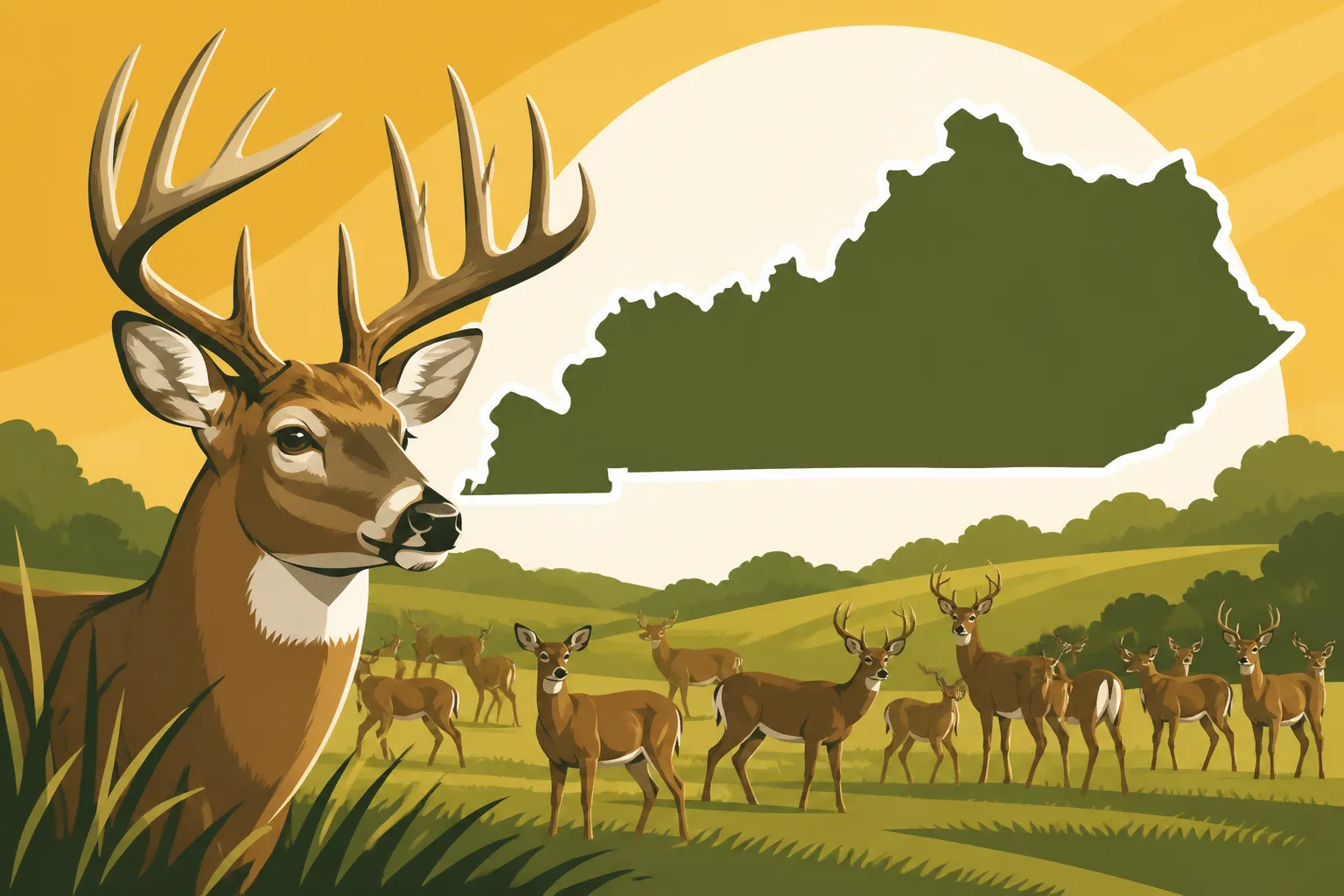
Why Kentucky Has the Largest Herd East of the Mississippi
If you're a hunter who dreams of chasing elk, your mind probably jumps straight to the rugged landscapes of Colorado, Montana, or Idaho. It's a common thought, an ingrained perception that elk are solely creatures of the American West. But what if I told you that one of the most remarkable elk hunting opportunities, home to the largest free-ranging elk herd east of the Mississippi River, lies right in the heart of Appalachia? Kentucky has pulled off an incredible wildlife restoration, and understanding why this herd has not only survived but thrived is a fascinating journey for any outdoors enthusiast.
From Ghost to Giant: The Journey of Kentucky's Elk Herd
For a long time, the idea of elk roaming the hills of Kentucky was just a distant whisper, a historical footnote from a bygone era. Yet, today, the Commonwealth boasts a robust and growing elk population that stands as a testament to ambitious conservation efforts and ideal habitat. It wasn't an overnight success, but rather a carefully orchestrated, multi-decade endeavor to bring these magnificent animals back to their ancestral lands.
The Historical Disappearance of Eastern Elk
Centuries ago, elk, specifically the Eastern elk subspecies, were widespread across much of the eastern United States, including Kentucky. Imagine vast herds moving through the old-growth forests, their bugles echoing across the Cumberland Plateau. However, as European settlers pushed westward, several factors conspired against these animals. Unregulated market hunting, driven by demand for meat, hides, and antlers, decimated populations. Simultaneously, rapidly expanding agricultural practices and logging destroyed the vast, interconnected forest habitats that elk needed to survive. By the mid-1800s, the Eastern elk was virtually extirpated from Kentucky, a tragic loss of a majestic native species. This wasn't unique to Kentucky; the Eastern elk, as a distinct subspecies, was declared extinct in 1880, vanishing from the entire eastern half of the continent. The challenge was not just reintroduction, but essentially recreating a lost piece of the ecosystem.
The Bold Vision of Kentucky's Restoration Project
Fast forward to the late 20th century, and the Kentucky Department of Fish and Wildlife Resources (KDFWR) began to dream big. They recognized that while the Eastern elk was gone, suitable habitat still existed, particularly in the rugged, sparsely populated southeastern coalfields. After years of planning, research, and securing public and private support, the ambitious Kentucky Elk Restoration Project officially kicked off in December 1997. The initial releases involved elk sourced from six Western states, primarily Kansas, Utah, Arizona, Oregon, and New Mexico. Over the next six years, more than 1,500 elk were meticulously trapped, transported, and released into a 14-county designated Elk Restoration Zone. This wasn't just about dropping animals in the woods; it involved careful health screening, extensive public outreach, and a long-term commitment. This bold vision, coupled with dedicated funding and the unwavering support of local communities, laid the groundwork for what would become one of North America's greatest conservation success stories.
The Recipe for Success: Habitat, Management, and Community Support
Kentucky's elk project didn't just succeed by accident. It thrived because of a unique combination of factors, primarily the availability of vast, suitable habitat and a progressive, science-based management approach that actively engaged the local populace. Without these critical elements, even the best intentions would have fallen short.
The Eastern Kentucky Coalfields: A Hidden Gem for Elk
The secret ingredient to Kentucky's elk success lies deep within its southeastern coalfields. While often perceived as scarred landscapes, the legacy of surface mining inadvertently created perfect elk habitat. When mining operations ceased, many areas were reclaimed and revegetated with grasses, clovers, and various forbs. These reclaimed lands, often massive in scale, created expansive open grasslands interspersed with pockets of regenerating forest, brushy draws, and mature timber on surrounding hillsides. This mosaic habitat provides everything an elk needs: nutritious forage for grazing and browsing, dense cover for bedding and calving, and abundant water sources. Unlike dense, unbroken mature forest, which can be less ideal for elk, these reclaimed areas are a smorgasbord of food and cover. They also offer a natural buffer from dense human populations, giving the elk space to roam and establish their herds. This unique situation gave Kentucky a massive advantage over other Eastern states looking to reintroduce elk into more fragmented or less suitable landscapes.
Strategic Habitat Management and Progressive Policies
The KDFWR didn't just release elk and hope for the best; they actively manage the habitat to ensure the herd's continued growth and health. This involves strategic prescribed burns to enhance forage quality, planting food plots in key areas, and working with private landowners and coal companies to maintain and improve existing habitat. The state also implemented policies that protected the burgeoning herd, such as strict anti-poaching measures and a highly controlled hunting season structure that focused on herd expansion rather than maximizing harvest in the early years. The sheer size of the Elk Restoration Zone, currently encompassing roughly 4.1 million acres across 16 counties, provided the necessary elbow room for a large herd to flourish without immediate conflicts with agriculture or urban sprawl. It truly is a vast landscape, providing ample space for these majestic animals. This continuous and proactive habitat work, combined with sensible regulations, is a cornerstone of the herd's remarkable growth.
A Model for Growth: Kentucky's Progressive Management System
A large and thriving wildlife population demands an equally robust and thoughtful management system. Kentucky's elk management is a finely tuned machine, designed to balance herd health, genetic diversity, and hunter opportunity, all while keeping a watchful eye on potential challenges. This comprehensive approach is what truly distinguishes Kentucky's program.
The Elk Restoration Zone and Its Purpose
The KDFWR initially designated a 14-county area in southeastern Kentucky as the Elk Restoration Zone. This zone was carefully chosen for its extensive reclaimed mine lands, low human population density, and high potential for habitat suitability. The idea was to create a large, contiguous area where elk could establish themselves, breed, and expand their numbers without significant dispersal into less suitable areas. Over time, as the herd grew and expanded its range, the zone was adjusted and now includes 16 counties, encompassing a massive portion of the state's eastern highlands. Concentrating the initial releases and management efforts within this zone allowed for intense monitoring, reduced conflicts, and maximized breeding success. This focused effort was absolutely crucial in those formative years, allowing the herd to gain a strong foothold before spreading naturally.
Controlled Harvest and Hunter Opportunity
Once the herd reached sustainable levels, KDFWR introduced a highly controlled quota hunting system. This isn't your typical over-the-counter tag scenario. Kentucky issues a very limited number of permits each year through a lottery draw system, making the opportunity to hunt a Kentucky elk an incredibly coveted prize. This conservative approach ensures that the herd continues to grow and maintain a healthy age structure, while still providing world-class hunting experiences. Hunters applying for a Kentucky Elk Permit face challenging odds, but the experience of Hunting Kentucky's Record Elk Herd is truly once-in-a-lifetime. Many applicants utilize specialized tools like GoHunt to research draw odds and analyze unit data before submitting their applications, giving them an edge in understanding the highly competitive process. The limited permits are divided into various types – bull firearm, cow firearm, and either-sex archery/crossbow – allowing for targeted management based on herd needs. This meticulous allocation ensures that the hunting pressure remains sustainable, contributing to the long-term health and impressive size of the herd. You can learn more about the specifics in the guide on Kentucky Elk Quota Hunt Rules.
Disease Monitoring and Prevention
With any large wildlife population, disease is a significant concern. Kentucky is highly vigilant in monitoring its elk herd for potential health issues, especially Chronic Wasting Disease (CWD). While CWD has been detected in captive cervids in Kentucky, and in wild deer in a few surveillance counties, it has not yet been detected in the wild elk herd. KDFWR conducts extensive surveillance, collecting samples from harvested animals and roadkill, particularly within the Elk Restoration Zone. They also work to educate hunters on preventing the spread of disease, including carcass movement restrictions. Maintaining a healthy herd is paramount, and these proactive measures are critical for protecting Kentucky's invaluable elk resource. Keeping such a large, valuable herd free of devastating diseases like CWD requires constant vigilance and an adaptive management strategy. You can find more details on general disease efforts in Kentucky in the article on Kentucky's Chronic Wasting Disease Surveillance Zone.
Beyond the Hunt: Economic Impact and Future Investment
The success of Kentucky's elk program extends far beyond just wildlife numbers and hunting opportunities. It has become a powerful economic engine and a source of immense pride for the communities in Eastern Kentucky, demonstrating how conservation can directly benefit people and places.
Bringing Life Back to the Mountains
The presence of a thriving elk herd has revitalized many small towns in the Eastern Kentucky coalfields. Hunters, wildlife viewers, and ecotourists flock to the region, particularly during the rut when the bugles of bull elk fill the air. This influx of visitors supports local businesses, from gas stations and restaurants to hotels and cabin rentals. Outfitters specializing in guided elk hunts or even elk viewing tours have emerged, creating new jobs and economic opportunities in an area that has historically faced economic challenges. When people come to Glassing an Elk Restoration Zone Meadow, they're not just seeing wildlife; they're investing in the local economy. The elk have become a symbol of renewal and a focal point for regional identity, fostering a strong sense of ownership and stewardship among residents.
Research and Continued Investment
The revenue generated from elk licenses, permits, and conservation stamps is directly reinvested back into the program. This funding supports ongoing research into elk behavior, population dynamics, habitat use, and disease ecology. KDFWR biologists and wildlife managers continuously study the herd to make informed decisions that ensure its long-term health and sustainability. This commitment to scientific inquiry helps optimize habitat management strategies and allows the state to adapt its harvest quotas as needed. Furthermore, funds are used for land acquisition and public access improvements within the Elk Restoration Zone, benefiting not just elk hunters but all outdoor enthusiasts. This cyclical investment ensures that the success isn't just maintained but continues to build for future generations.
How Kentucky Compares: A Leader in Eastern Elk Restoration
While Kentucky undoubtedly stands out, it's worth noting that other Eastern states have also embarked on their own elk restoration journeys. However, none have achieved the sheer scale and success seen in the Commonwealth, and understanding the nuances of these different programs highlights what makes Kentucky's approach truly exceptional.
Understanding the Unique Scale of Kentucky's Herd
Currently, Kentucky's elk herd is estimated to be over 15,000 animals, far surpassing any other Eastern state. For context, Pennsylvania, which has a long-standing elk population, hovers around 1,400 to 1,600 elk. Virginia and North Carolina have smaller, but growing, herds in the hundreds. The primary reason for Kentucky's unparalleled success, as we've discussed, lies in the vast, reclaimed mine lands that offer ideal, large-scale contiguous habitat. Other states often contend with more fragmented landscapes, higher human population densities, or smaller initial release numbers, which naturally limit the potential for exponential herd growth. The sheer acreage of quality habitat available in Kentucky's Elk Restoration Zone, coupled with KDFWR's aggressive and well-funded management, created an environment where the elk could truly explode in numbers. You can dive deeper into the impressive figures in the article, How Many Elk Live in Kentucky Today.
Challenges Other Eastern States Face
Many states, while committed to elk restoration, simply don't have the unique combination of factors that Kentucky does. States like West Virginia and Missouri have also had successful reintroductions but on a much smaller scale, often due to more limited contiguous habitat or different population growth goals. In more agriculturally intensive regions, conflicts between elk and farmers over crop damage can become a significant hurdle, sometimes leading to more conservative herd growth targets or more aggressive culling measures. Other states may also prioritize elk viewing tourism over hunting, leading to different management strategies. For instance, in some areas, the focus might be on keeping elk numbers at a level that minimizes human-wildlife conflict rather than maximizing herd size. Kentucky's blend of expansive habitat, community buy-in in an economically distressed region, and a progressive management philosophy that embraces both hunting and viewing opportunities has truly set it apart, making it the undeniable leader in Eastern elk restoration.
Preparing for Your Kentucky Elk Experience
Whether you dream of applying for an elk permit or simply want to witness these magnificent animals in their natural habitat, Kentucky offers an unparalleled experience. The sheer size and health of the herd mean that opportunities are more abundant than anywhere else in the East.
Navigating the Elk Permit Application Process
If you're serious about hunting elk in Kentucky, understanding the application process is step one. The Kentucky Elk Application Window Dates typically open early in the year, and it's crucial to apply within that timeframe. There are different permit types, including those for bull elk, cow elk, and either-sex archery/crossbow, each with varying odds. While the odds of drawing a coveted tag are low due to the immense popularity and limited permits—Kentucky issues a very limited number of permits annually—many hunters apply every year, hoping to hit the jackpot. Tools like GoHunt can provide invaluable insights into historical draw odds and unit performance, helping you make informed decisions about your application strategy. Don't forget that a Kentucky hunting license is required to apply, and non-residents are eligible for a limited percentage of the total permits. For all the details on application deadlines and requirements, check out Applying for a Kentucky Elk Permit.
Scouting and Planning Your Hunt
If you're lucky enough to draw a tag, the real work begins. Scouting the rugged terrain of the Elk Restoration Zone is critical. This region is vast, often steep, and can be challenging to navigate. Utilize mapping applications to identify potential elk hot spots, water sources, bedding areas, and access points. Speaking with KDFWR biologists or local conservation officers can also provide valuable intelligence. Consider scouting the area well in advance of your hunt, if possible, to familiarize yourself with the terrain and elk movements. For those planning an archery hunt, understanding how to effectively Calling a Southeastern Kentucky Bull Elk can be a game-changer during the rut. The success of your hunt will largely depend on thorough preparation and a deep understanding of the specific unit you're hunting within the state's Kentucky's Seven Elk Hunting Units.
Elk Viewing Opportunities
Even if hunting isn't your primary goal, Kentucky offers fantastic opportunities for elk viewing. The best times to see elk are typically early mornings and late evenings, especially during the fall rut when bulls are most active and vocal. Drive through the Elk Restoration Zone, particularly areas like the Begley Wildlife Management Area or around the towns of Hazard, Whitesburg, and Hyden. These areas often have scenic overlooks and public access points where you can safely observe elk. Remember to bring binoculars or a spotting scope for the best experience. Always maintain a respectful distance from the animals and never attempt to approach them, especially during the rut or if calves are present. The sheer number of elk means that even without a tag, witnessing these majestic creatures in their Kentucky home is an unforgettable experience.
Conclusion: A Wild Legacy Reclaimed
The story of Kentucky's elk herd is more than just a wildlife success; it's a narrative of resilience, vision, and the profound impact that dedicated conservation efforts can have. From a state where elk were completely eradicated, Kentucky has risen to become the undeniable stronghold of free-ranging elk in the eastern United States. This achievement is a testament to the unique convergence of vast, reclaimed habitat, forward-thinking management by the KDFWR, and the unwavering support of local communities. The presence of such a massive, thriving herd provides not only world-class hunting opportunities but also a powerful economic driver and a symbol of pride for the entire Commonwealth. It stands as a living example of what's possible when we commit to restoring our wild heritage.
Elk Herd Comparison: Kentucky vs. Other Eastern States
| State | Estimated Elk Population (Approx.) | Primary Habitat Type | Key Factors for Success |
|---|---|---|---|
| Kentucky | 15,000+ | Reclaimed coal mine lands, forested mountains | Vast contiguous habitat, aggressive restoration, controlled harvest, community support |
| Pennsylvania | 1,400 – 1,600 | Hardwood forests, agricultural interfaces | Long-standing herd, careful management, strong viewing interest |
| Virginia | 200 – 300 | Appalachian foothills, mixed forests | Focused restoration, habitat improvement, controlled expansion |
| North Carolina | 150 – 200 | Great Smoky Mountains National Park, surrounding forests | Natural recolonization from TN, protected areas, limited hunting |
| West Virginia | 100 – 150 | Reclaimed mine lands, forested areas | Recent reintroduction, growing herd, habitat focus |
Note: Population estimates are approximate and can fluctuate annually based on surveys and harvest data.
Disclaimer
Please be aware that hunting regulations, season dates, and license requirements are subject to change. Always consult the official Kentucky Department of Fish and Wildlife Resources (KDFWR) website or current hunting guides for the most up-to-date and accurate information before planning any hunting or outdoor activities. This guide is for informational purposes only and does not supersede official regulations.