Kentucky Bear Cub Survival Rates
There's a deep fascination and, let's be honest, a fair bit of anxiety among those of us who spend time in Kentucky's wild places when it comes to our growing black bear population. We all marvel at the sight of a sow and her cubs, but a nagging question often lingers: how many of those adorable, vulnerable little ones actually make it to adulthood? Understanding Kentucky bear cub survival rates isn't just a matter of curiosity; it's vital for appreciating the health of the overall population and the management efforts that keep it thriving. This guide will peel back the layers on the complex journey of a Kentucky bear cub, exploring the critical factors that dictate their chances of survival.
The Perilous First Year: What Cubs Face
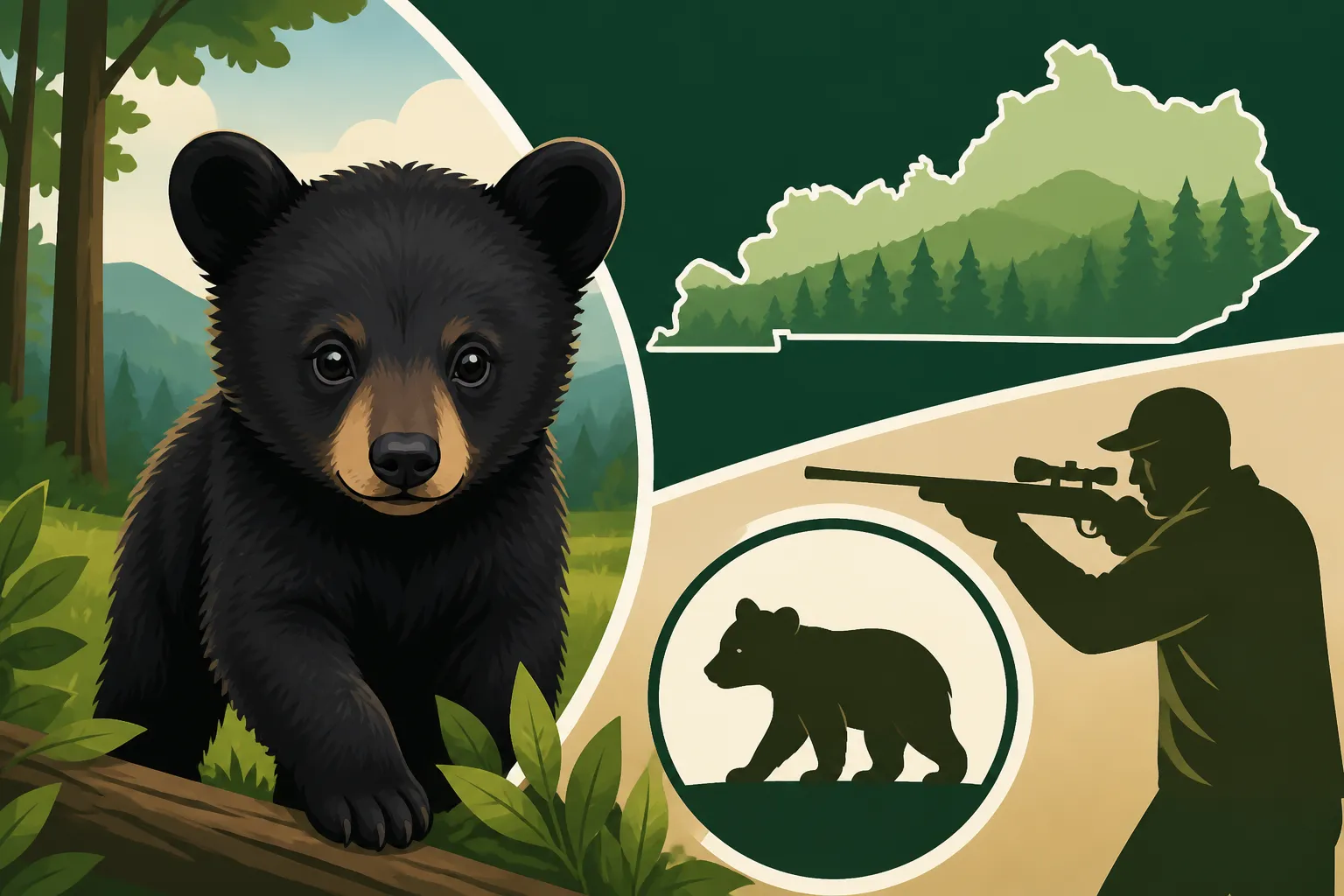
The first year of a black bear cub's life is arguably the most dangerous. Born blind, helpless, and tiny, often weighing less than a pound, these little fuzzballs depend entirely on their mother for warmth, food, and protection. It's a tough world out there, and even with a diligent sow, many challenges can arise.
Maternal Care and Denning Success
Everything starts with the mother. A healthy sow, one who was able to put on sufficient fat reserves before winter, is paramount. She'll give birth in the security of a winter den, often in a hollow tree, a rock crevice, or a dense brush pile. These dens are sanctuaries where cubs spend their first few months suckling and growing. The quality and undisturbed nature of this den are incredibly important. If a sow is stressed or repeatedly disturbed during this critical denning period, she might abandon the den, potentially exposing her vulnerable cubs to the elements or other dangers. For those of us who love exploring the backcountry, especially in the rugged terrain Where Southeastern Kentucky Bears Range, knowing about potential den sites and giving them a wide berth is a silent but crucial contribution to cub survival.
Once the family emerges from the den in spring, typically around late March or April, the cubs are still heavily reliant on their mother's milk, though they'll start exploring solid foods. Her ability to find ample forage impacts her milk production and, directly, the cubs' growth and vigor. Cubs stay with their mother for about 17 months, learning crucial survival skills like foraging, climbing, and identifying threats. A strong, experienced mother is the best defense a cub has.
Food Availability and Habitat Quality
Just like any growing youngster, bear cubs need good nutrition, and that begins with a well-fed mother. The availability of natural food sources, primarily mast crops like acorns, hickory nuts, and various berries throughout the spring, summer, and fall, directly influences a sow's health and, by extension, her litter's survival. In years with poor mast crops, sows might struggle to gain enough weight, potentially leading to smaller litters, less milk, or even a higher likelihood of cubs not making it through their first winter.
Kentucky's diverse forests and their capacity to produce these vital food sources are critical to the Kentucky's Black Bear Population. Areas with a rich variety of oak species, berry bushes, and other soft mast provide a buffer against the variability of any single food source. The overall quality of the habitat, including secure areas for foraging and travel, reduces stress on the mother and allows cubs to grow stronger. We've seen firsthand how a bumper crop of acorns can lead to healthier looking bears in the fall, which bodes well for the next generation of cubs. Tools like GoHunt can help researchers and even curious enthusiasts understand the distribution of different forest types and potential food sources across the bear's range.
Predation and Accidental Mortality
While black bears are apex predators in their ecosystem, their cubs are not immune to danger. Adult male bears, known as boars, are the most significant natural threat. Infanticide can occur if a male bear encounters a sow with cubs, especially if he's trying to bring her back into estrus to breed. The sow will fiercely defend her cubs, often leading to intense confrontations.
Other predators, though less common, could include bobcats, coyotes, or even large raptors, especially if a cub gets separated from its mother. Beyond predation, accidental deaths are a sad reality. Cubs might fall from trees, drown in swift currents if they wander too close to water, or become separated from their mother during a chaotic encounter. The rugged topography of parts of eastern Kentucky, with its steep hollows and rocky outcrops, can present challenges. Sometimes, the simplest mistake can lead to a tragic outcome for a young cub.
Human Impact and Management Efforts on Cub Survival
As the black bear population expands and reclaims more of its historic range in Kentucky, the interface between bears and humans becomes more frequent. This interaction, both intentional and unintentional, plays a significant role in cub survival rates.
Road Mortality and Human-Bear Conflicts
One of the most unfortunate consequences of an expanding bear population and increasing human development is road mortality. Young bears, especially sub-adults dispersing from their mothers, are particularly susceptible, but cubs can also be hit if their mother is attempting to cross a busy road. As bears move into new territories, even into areas bordering more populated zones, the risk increases.
Furthermore, human-bear conflicts, often driven by bears seeking readily available food sources like garbage or pet food, can lead to sows being habituated to humans. While it might seem harmless, a habituated sow can inadvertently put her cubs in harm's way, leading to situations where the KDFWR might need to intervene. Understanding and minimizing these conflicts is a crucial part of living alongside bears, and it directly contributes to the safety and survival of cubs. Information about areas with higher human-bear interactions can often be found through KDFWR resources or by using mapping applications like GoHunt to identify development near known bear habitats.
Research and Monitoring by KDFWR
The Kentucky Department of Fish and Wildlife Resources (KDFWR) works tirelessly to monitor and manage the state's black bear population. A significant part of this effort involves understanding cub survival rates. Biologists conduct den checks, often in late winter or early spring, to sedate sows, check their health, tag cubs, and gather vital data. This hands-on research provides direct insight into litter sizes, cub health, and the overall reproductive success of the population.
Beyond den checks, KDFWR monitors bear activity through various means, including trapping and collaring efforts. This long-term data collection helps them identify trends in cub survival, correlate those trends with environmental factors like mast crop failures or disease outbreaks, and adjust management strategies as needed. Their dedication ensures that decisions about hunting seasons, like those discussed in Kentucky Bear Harvest Numbers or Kentucky Bear Zone One and Two Rules, are based on sound science aimed at sustaining a healthy population. Kentucky Wildlife Disease Monitoring also plays a role, as diseases can impact cub survival.
Hunter Education and Awareness
Responsible hunting practices and a general public awareness campaign are powerful tools in supporting cub survival. Hunter education programs emphasize ethical hunting, target identification, and avoiding sows with cubs. The KDFWR's regulations are carefully crafted to protect breeding females and young bears. For instance, specific seasons and harvest quotas are designed to ensure that the breeding segment of the population remains robust, which in turn safeguards future cub production.
Beyond hunting, public education is vital. Simple actions like securing garbage, not leaving pet food outdoors, and knowing what to do if you encounter a bear significantly reduce negative interactions. When people understand bear behavior and the importance of not feeding bears, they contribute to preventing situations that could put a sow and her cubs at risk. This collective responsibility is especially important as more people recreate in areas where Kentucky's Black Bear Population is thriving, such as parts of Daniel Boone National Forest.
The Broader Picture: Why Cub Survival Matters
Looking at the survival of individual bear cubs might seem like a small detail, but it's a critical puzzle piece in the much larger picture of wildlife conservation and management in Kentucky.
Population Dynamics and Growth
The number of cubs that survive each year directly dictates the overall growth and health of the Kentucky black bear population. High cub survival rates mean more bears reaching reproductive age, leading to a robust and expanding population. Conversely, prolonged periods of low cub survival could indicate underlying issues with habitat, food availability, or increased mortality factors, potentially leading to population stagnation or decline.
Kentucky has seen remarkable success in its bear restoration efforts, going from virtually no bears to a thriving population today, famously one of the largest east of the Mississippi. This growth is a testament to effective management, but it's fundamentally built upon the reproductive success of sows and the subsequent survival of their cubs. Understanding these dynamics is essential for managing the long-term viability of species like those discussed in Kentucky's Black Bear Population.
Management Goals and Sustainable Hunting
Kentucky's black bear hunting season, while a relatively recent development, is carefully managed with sustainability in mind. The KDFWR uses data from cub survival rates, alongside other demographic information, to set harvest quotas and define zones, like those outlined in Kentucky's Bear Zone System. The goal is to allow for recreational hunting opportunities while ensuring that the bear population remains healthy and capable of reproducing and expanding. If cub survival were to dip significantly, it would likely prompt adjustments in hunting regulations to protect the breeding stock and allow the population to recover. This dynamic approach, informed by real-world data, is what allows us to enjoy our hunting heritage responsibly.
The Role of Public Land
Public lands across Kentucky, from the vast expanses of Daniel Boone National Forest to smaller Wildlife Management Areas (WMAs) in the elk restoration zone, serve as vital strongholds for black bears. These areas provide the secure, undeveloped habitat necessary for denning, foraging, and raising cubs away from excessive human disturbance. The protection and active management of these lands ensure that sows have the resources and privacy they need to successfully bring their cubs through their most vulnerable stages.
When we consider Hunting Kentucky's Elk Restoration Zone, we're also thinking about prime bear habitat. The success of both species is interwoven with the health of these public lands. Accessing these areas, perhaps with the aid of a detailed mapping platform like GoHunt to understand topography and habitat types, gives us a better appreciation for the critical role they play in the survival of wildlife, including those fragile bear cubs.
Here's a quick look at some of the key factors that influence a bear cub's journey:
| Factor | Impact on Cub Survival | Mitigation/Management Efforts |
|---|---|---|
| Maternal Health | Directly affects milk quality, protection, and learning opportunities. | Habitat preservation, diverse food sources, minimal disturbance. |
| Den Quality | Provides critical protection from elements and predators during birth. | Protecting undisturbed denning habitat. |
| Food Availability | Influences sow's health, cub growth, and ability to survive winter. | Forest management, mast crop monitoring, reducing human foods. |
| Adult Male Bears | Primary natural threat (infanticide). | Sufficient habitat, dispersal opportunities. |
| Road Mortality | Direct cause of death for cubs and sows. | Wildlife crossings, public awareness in high-traffic areas. |
| Human-Bear Conflict | Can lead to habituation, relocation, or mortality. | "Bear Aware" education, proper food storage, managing attractants. |
| Disease/Parasites | Can weaken cubs, making them vulnerable. | Kentucky Wildlife Disease Monitoring, healthy populations. |
The journey of a Kentucky bear cub from a tiny, helpless creature to a robust, independent bear is a testament to the resilience of nature and the careful stewardship of wildlife agencies like KDFWR. Their survival rates are a critical barometer for the health of our black bear population, reminding us all of our role in protecting these magnificent animals and the wild places they call home. From respectful recreation in areas like Daniel Boone National Forest to responsible choices in our own backyards, we can all contribute to ensuring that future generations of bear cubs continue to thrive across the Bluegrass State.
Disclaimer
This article is for general informational purposes only and does not constitute professional advice. Laws, prices and regulations vary by location and change over time. Consult a qualified professional for guidance on your specific situation.