Hunting Kentucky’s Elk Restoration Zone
Hunting for elk in Kentucky isn't just a pursuit; for many, it's a dream that often feels out of reach due to the incredible demand and limited permits. The challenge of drawing a tag, coupled with the rugged terrain and elusive nature of these majestic animals, can feel overwhelming. This comprehensive guide is designed to demystify the process, offering in-depth insights into everything from understanding the unique Elk Restoration Zone to executing a successful hunt, helping you turn that dream into a tangible plan.
Understanding Kentucky's Elk Restoration Zone
Kentucky holds the largest elk herd east of the Mississippi River, a truly remarkable conservation success story. For hunters, this means a unique opportunity to pursue elk in a landscape very different from the vast western mountains, presenting its own set of challenges and rewards. It's a testament to dedicated conservation efforts that this once extirpated species now thrives across a significant portion of the Commonwealth.
A Brief History of Kentucky's Elk Herd
Believe it or not, elk were native to Kentucky but were completely eliminated by the mid-1800s due to unregulated hunting and habitat loss. For over a century, the hills and hollows lay silent without their bugling calls. Then, starting in December 1997, the Kentucky Department of Fish and Wildlife Resources (KDFWR), along with numerous partners, began an ambitious restoration project. Elk were reintroduced from states like Kansas, Arizona, North Dakota, Oregon, and New Mexico into the rugged, reclaimed coal mining lands of southeastern Kentucky. This pioneering effort saw over 1,500 elk released over several years, rapidly establishing a robust and growing population. Today, the herd stands as a shining example of successful wildlife management, attracting hunters and wildlife enthusiasts from all over.
The initial skepticism from some quarters quickly turned into awe as the elk population not only survived but flourished. The mosaic of dense timber, open reclaimed mine lands, and agricultural fields provided an ideal mix of cover and forage, allowing the herd to expand rapidly. This incredible growth has allowed Kentucky to establish a hunting season, carefully managed to maintain a healthy population while providing unparalleled hunting experiences. It's truly a bucket-list hunt for many, made possible by foresight and hard work.
Geographic Scope and Unit Breakdown
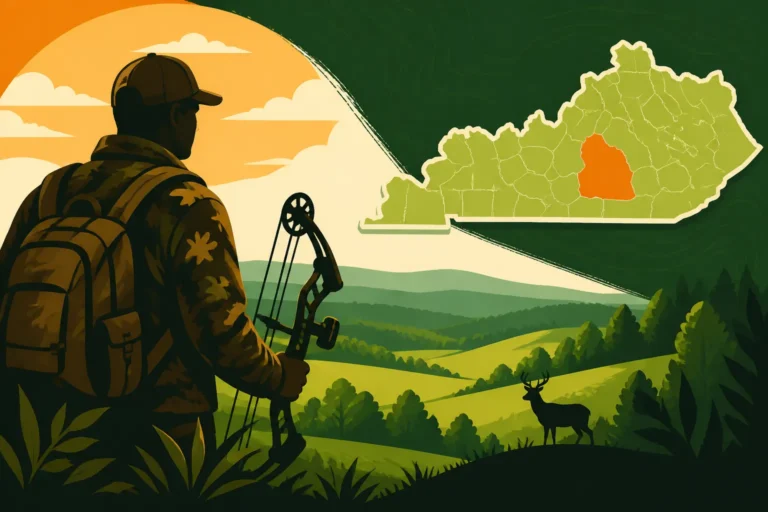
The Kentucky Elk Restoration Zone encompasses 16 counties in the southeastern part of the state, covering roughly 4.1 million acres of varied terrain. This vast area is where the elk primarily live, breed, and are managed for hunting. To better distribute hunting pressure and manage the herd, the KDFWR divides this zone into seven specific Elk Hunting Units (EHUs). These units are not just arbitrary lines on a map; they represent distinct ecological areas, each with its own characteristics in terms of habitat, terrain, and elk density. Understanding these units is absolutely critical to your application strategy and, ultimately, your hunting success.
For example, some units might be dominated by dense, mature timber and steep ridges, requiring a more physically demanding hunting approach. Others might include larger expanses of reclaimed strip mines, offering more open country and glassing opportunities. It’s vital to research the specific unit you’re applying for or drawn in, looking at factors like public land access, road systems, and terrain features. Knowing whether you'll be navigating the thick hollers of Harlan County or the rolling hills of Knott County will heavily influence your preparation. Familiarize yourself with the boundaries and characteristics of Kentucky's Seven Elk Hunting Units long before you even consider submitting an application.
Why This Zone is Unique for Hunters
Hunting elk in Kentucky is a stark contrast to the iconic western hunts often portrayed in magazines and on television. You won't find vast, treeless alpine basins or endless sagebrush flats here. Instead, you'll encounter a landscape defined by steep, timbered ridges, dense undergrowth, and surprisingly open reclaimed mine lands. This unique blend creates a truly distinctive hunting experience that demands different tactics and a good understanding of the local environment. The cover is often much thicker than out West, meaning shot opportunities can be fleeting and at closer ranges. The dense forest can make spotting elk challenging, often requiring more patience and reliance on calling techniques.
Furthermore, Kentucky's elk are largely forest-dwelling animals, moving between thick bedding cover and various food sources, including acorns, grasses, and agricultural crops. This means that hunters need to be proficient at still-hunting, glassing smaller openings, and using calls effectively in close quarters. The elk in Kentucky are wild and wary, adapting to human presence, and offering a challenging, rewarding hunt. The blend of publicly accessible land, often through the Daniel Boone National Forest or specific Wildlife Management Areas, and the patchwork of private holdings within the zone, also adds a layer of complexity to access and scouting that is distinctly Kentuckian.
Navigating the Permit and Application Process
Drawing an elk permit in Kentucky is often described as winning the lottery, and for good reason—the odds are genuinely tough. Kentucky has a world-class elk herd, and hunters from all over the country vie for a chance to pursue these magnificent animals. Understanding the application process, the different permit types, and the crucial deadlines is the first, and arguably most important, step on your Kentucky elk hunting journey. This isn't a walk-up-and-buy-a-tag kind of deal; it requires foresight, patience, and a bit of luck.
The Kentucky Elk Lottery: Odds and Expectations
The demand for Kentucky elk permits far outstrips the supply, making the annual draw incredibly competitive. Thousands of applicants enter the lottery each year for a limited number of coveted permits. This means that, for most hunters, applying year after year without drawing a tag is a common experience. It can be frustrating, especially when you see others posting their success stories, but it's crucial to manage your expectations and maintain a long-term perspective. Think of it as investing in a dream; every application is a ticket, and eventually, your number might just come up.
While the odds are challenging, persistence is key. There's no preference point system in Kentucky for elk, meaning every applicant has an equal chance each year, regardless of how many times they've applied before. This can be both a blessing and a curse, as a first-time applicant has the same shot as someone who has applied for two decades. Don't let the low odds deter you; instead, focus on making sure your application is always in on time, and that you're prepared for the hunt should that golden ticket land in your lap. For more detailed insights into the draw, check out Applying for a Kentucky Elk Quota Hunt.
Types of Permits: Bull, Cow, and Either-Sex
When you apply for a Kentucky elk permit, you'll need to choose which type of permit you're seeking. The KDFWR offers three main categories: bull firearm, cow firearm, and archery/crossbow either-sex. Each permit type comes with its own set of rules, season dates, and strategic considerations. Bull permits are, understandably, the most sought-after, offering the chance to harvest a trophy bull, but they are also the hardest to draw. Cow permits are generally easier to draw and provide an excellent opportunity for meat hunters to fill their freezers. The archery/crossbow either-sex permits offer a longer season and the flexibility to harvest either a bull or a cow, appealing to those who prefer stick and string.
Understanding the nuances of these permits is vital for your application strategy. Do you prioritize a trophy bull, even if it means many more years of applying? Or is getting into the field and putting elk meat in the freezer your primary goal? Your choice will significantly impact your odds and the kind of hunting experience you'll have. For instance, an archery permit often means hunting during the rut, offering exciting calling opportunities, while firearm seasons for bulls and cows generally occur later in the fall. Make sure you understand the specifics of Bull, Cow and Either-Sex Elk Permit Types before you apply.
Application Windows and Key Dates
Missing a deadline is arguably the worst way to end your elk hunting dream before it even begins. The Kentucky elk application process runs on a strict timeline, and it’s your responsibility to be aware of all the critical dates. Typically, the application period opens in the spring and closes in late spring or early summer, with the drawing usually held in early summer. These dates can shift slightly from year to year, so always confirm the current application window directly with the KDFWR. Mark your calendar, set reminders, and double-check everything!
Beyond the application period, once permits are drawn, there are other important dates to remember, such as permit acceptance deadlines and, of course, the actual hunting season dates for each permit type. Failing to accept a drawn permit by its deadline will result in forfeiture, and that's a mistake you absolutely do not want to make after waiting for years. Stay vigilant, visit the KDFWR website, and consider signing up for their email alerts to ensure you’re always in the loop. Knowledge of Kentucky Elk Quota Hunt Rules will serve you well here.
| Permit Type | Season Structure | Typical Draw Odds (Relative) | Primary Goal |
|---|---|---|---|
| Bull Firearm | Shorter, specific dates | Very Low | Trophy animal |
| Cow Firearm | Shorter, specific dates | Low to Moderate | Meat harvest |
| Archery/Crossbow Either-Sex | Longer, earlier dates | Moderate | Flexibility, rut hunting |
Scouting Strategies for the Elk Zone
Drawing a Kentucky elk permit is an incredible accomplishment, but it's only the first step. The real work begins with scouting. Kentucky's Elk Restoration Zone is vast, rugged, and densely covered in many areas, making effective scouting absolutely essential for success. You can't just show up on opening day and expect to stumble into elk; these animals are masters of their environment, and you'll need to put in the time and effort to locate them and understand their patterns.
Pre-Season Digital Scouting with Mapping Tools
Before you ever set foot in the Elk Zone, you can accomplish a tremendous amount of scouting from the comfort of your home using digital mapping tools. Platforms like onX Hunt are invaluable for this initial phase, allowing you to pour over satellite imagery, topographical maps, and public/private land boundaries. Start by identifying potential elk hot spots: areas with a mix of dense bedding cover (thick timber, brushy clear-cuts), water sources (creeks, ponds), and varied food sources (open fields, oak ridges for acorns, reclaimed land for grasses). Look for pinch points, saddles, and benches that might act as natural travel corridors between bedding and feeding areas.
Pay close attention to access points. Where can you park? Are there logging roads or trails that lead deep into public land? What's the elevation gain like for potential hiking routes? Mapping out potential travel routes to minimize noise and maximize efficiency is crucial. Also, use the private/public land layers to understand property boundaries, ensuring you don't inadvertently trespass or rely on an area that's inaccessible. GoHunt is another excellent resource for researching units and understanding historical harvest data, helping you narrow down your focus. This digital groundwork allows you to arrive in the Elk Zone with a solid game plan, saving precious time during your limited scouting trips.
Boots-on-the-Ground Reconnaissance
While digital scouting is powerful, nothing replaces boots-on-the-ground reconnaissance. You simply have to get into the woods and walk the terrain you've identified as promising. This is where you verify your digital findings and discover the subtle nuances that maps can't convey. Look for fresh elk sign: tracks, droppings, rubs on trees, and wallows. Elk trails are often distinct and well-used, leading you to key areas. Pay attention to the types of forage available – are there fresh browse lines, acorns on the ground, or lush grasses?
Scouting trips should ideally happen months before your hunt, giving you time to observe patterns without the pressure of a tag in your pocket. If you draw an archery tag, scouting during late summer and early fall can give you a feel for where bulls might be bugling and where cows are congregating. For a firearm tag, late summer into early fall can reveal patterns before the leaves fall and the landscape changes. Physically navigating the terrain will also give you an invaluable understanding of the effort required for your hunt, helping you plan your physical conditioning and gear needs. Consider visiting areas identified through Glassing an Elk Restoration Zone Meadow for potential spotting locations.
Understanding Elk Behavior in the Kentucky Landscape
Kentucky elk, while the same species as their western cousins, behave slightly differently due to their unique habitat. They are often more secretive, utilizing the dense cover to their advantage. Their movements are highly influenced by available food, water, and bedding cover, but also by hunting pressure. During the archery season, especially during the rut, bulls will be vocal, and understanding their bugling patterns and how they respond to calls is essential. In the firearm seasons, after early pressure, elk might become more nocturnal or move into the thickest, most remote sections of timber.
Learn to read the landscape for subtle clues. Elk often follow the contours of the ridges, using benches and saddles as travel routes. They'll frequent creek bottoms for water and often bed on north-facing slopes for cooler temperatures or south-facing slopes for warmth in colder weather. Observing how wind and thermals affect different parts of the terrain is also critical, as elk rely heavily on their sense of smell. The more time you spend in the zone, observing and learning, the better equipped you'll be to predict their movements and intercept them.
Essential Gear and Equipment for the Hunt
Kentucky elk hunting demands robust, reliable gear that can stand up to the rugged terrain and unpredictable weather of the Appalachian foothills. This isn't a casual stroll; it's a physically demanding endeavor that requires careful planning of your equipment. From the rifle in your hand to the boots on your feet, every piece of gear plays a critical role in your comfort, safety, and ultimately, your success.
Rifles, Calibers, and Ballistics for Elk
Choosing the right rifle and caliber for Kentucky elk is paramount. While shots can sometimes be at closer ranges in thick timber, you might also have opportunities across reclaimed fields or longer ridges. Therefore, a caliber capable of delivering sufficient energy and accuracy at moderate distances (up to 300-400 yards) is advisable. Popular choices like .30-06 Springfield, .300 Winchester Magnum, .308 Winchester, and 7mm Remington Magnum are all excellent options, known for their stopping power and flat trajectories. The key is to select a rifle and caliber you are proficient and comfortable shooting accurately. Practice, practice, practice!
Your rifle should be sighted in precisely for the distances you anticipate shooting. Given the variable terrain, a good zero that allows for minimal hold-over or hold-under at typical hunting ranges is ideal. Consider a bullet designed for large game, with good weight retention and controlled expansion, to ensure ethical and quick kills. Remember, this isn't deer hunting; elk are incredibly tough animals. For more specific recommendations, delve into Rifles Built for a Southeastern Elk Hunt.
Optics: Binoculars, Spotting Scopes, and Rangefinders
High-quality optics are not a luxury; they are a necessity for elk hunting in Kentucky. Good binoculars (10×42 or 10×50 are excellent general-purpose choices) will be your most used tool for picking apart distant hillsides, spotting elk movements in thick cover, and confirming targets. While spotting scopes can be heavy, they become invaluable in more open, reclaimed areas for evaluating elk at extreme distances without disturbing them. They allow you to count points, assess body size, and determine if an animal is legal.
A reliable rangefinder is also non-negotiable. Knowing the exact distance to your target is crucial for accurate shot placement, especially in undulating terrain where distances can be deceiving. Look for a rangefinder with angle compensation, which will provide the true horizontal distance for uphill or downhill shots. Invest in the best glass you can afford; clear, bright optics will make a huge difference, particularly in the low light conditions of early morning and late evening, when elk are most active.
Clothing and Footwear for Rugged Terrain and Variable Weather
The weather in southeastern Kentucky during the fall and early winter can be incredibly unpredictable, ranging from warm, sunny days to cold, driving rain or even snow. Layering is your best friend. Start with a moisture-wicking base layer, add insulating mid-layers (fleece or synthetic puffy), and top it off with a waterproof and windproof outer shell. Choose materials that are quiet, durable, and offer good camouflage if legal (always wear blaze orange or pink as required during firearm seasons).
Your footwear is equally critical. You'll be covering many miles over steep, uneven, and often muddy terrain. Invest in comfortable, waterproof, and supportive hunting boots with excellent ankle support and aggressive traction. Break them in well before your hunt to avoid blisters. Don't forget quality wool or synthetic socks to keep your feet dry and blister-free. Finally, always carry the required amount of blaze orange (or blaze pink, where legal) to ensure visibility and safety in the woods, especially during the firearm seasons.
Hunting Tactics in the Elk Restoration Zone
Once you've drawn your permit, scouted your unit, and gathered your gear, it's time to talk tactics. Kentucky's Elk Restoration Zone presents a unique hunting environment that often requires a blend of traditional western elk hunting techniques adapted to the eastern woodlands. Success hinges on being versatile, patient, and able to read the subtle cues of the forest.
Spot and Stalk in Open and Semi-Open Areas
While much of Kentucky's Elk Zone is heavily timbered, the reclaimed mine lands, powerline cuts, and agricultural fields offer prime opportunities for spot and stalk hunting. This method relies heavily on good optics and patience. Find a high vantage point before first light and use your binoculars or spotting scope to systematically glass all visible elk country. Look for subtle movements, shapes that don't quite fit, or the distinct color of an elk against the fall foliage. Often, you'll spot them feeding in the early morning or late evening.
Once an elk is spotted, the real challenge begins. You need to plan a careful approach, using terrain features (ridges, depressions, timber lines) to remain undetected by both the elk's keen eyesight and its incredible sense of smell. Always pay attention to wind direction and thermals, which are critical in hilly country. Move slowly, quietly, and be prepared to hunker down for long periods. A successful spot and stalk might involve hours of patient observation and a meticulous approach, but the reward of getting close to a magnificent animal is unparalleled. This is where Glassing an Elk Restoration Zone Meadow tactics truly shine.
Calling and Ambush Strategies in Timbered Sections
In the dense timber and thickets that dominate much of the Elk Zone, calling and ambush strategies become increasingly effective. During the archery season, particularly throughout the rut, bugling and cow calling can be incredibly exciting and productive. Learning to mimic the various elk vocalizations – challenge bugles, chuckles, cow calls, and mews – can draw bulls in or help you locate them. Often, a "call and wait" strategy works well: bugle or cow call, then remain absolutely silent and ready, listening for a response or for an elk to come investigating.
For firearm seasons, or when elk are less vocal, setting up ambushes along known travel routes is a solid tactic. Identify trails connecting bedding areas to feeding grounds, water sources, or escape cover. Funnels, saddles, and creek crossings are prime locations. Set up quietly well before elk activity begins, ensuring the wind is in your favor. Be prepared for a shot at relatively close range, as elk can materialize out of the thick timber quickly. Mastering different calls, especially Calling a Southeastern Kentucky Bull Elk, is a game-changer.
Adapting to Pressure and Public Land Challenges
One of the biggest realities of hunting in Kentucky's Elk Restoration Zone, especially on public land, is pressure from other hunters. Even with limited tags, areas with easy access can see significant activity. To consistently find elk, you often need to adapt and be willing to go where others aren't. This typically means getting off the beaten path, walking further, and hunting deeper into the timber. Many elk will quickly learn to avoid areas with high human activity and retreat to the thickest, most remote sections.
Hunting during the middle of the day, when many hunters are taking a break, can also be productive as elk might move between bedding areas. Don't be afraid to change your tactics if your initial spots aren't producing. If you're consistently bumping into other hunters, consider relocating to a different part of your unit or focusing on less accessible areas. Using mapping tools like onX Hunt to identify remote pockets of public land, far from roads and trails, can give you a significant advantage in finding less pressured elk. Patience and persistence are key to overcoming the challenges of public land hunting.
Post-Harvest Considerations and Logistics
Congratulations, you've successfully harvested an elk in Kentucky! This is a moment of immense pride and accomplishment, but the work is far from over. In fact, for many, getting a large animal like an elk out of the rugged Kentucky terrain presents its own set of significant challenges. Proper post-harvest care is crucial for ensuring the meat is handled ethically and efficiently, preserving its quality, and fulfilling all legal requirements.
Field Dressing and Meat Care in Remote Areas
An elk is a large animal, much bigger than a deer, and requires immediate and efficient field dressing to cool the meat down quickly. The clock starts ticking the moment the animal is down, especially if temperatures are mild. If you're hunting in a remote area, consider the "gutless method" of field dressing. This technique involves quartering the animal and deboning the meat in the field, leaving the gut pile intact and significantly reducing the weight and bulk you need to move. It's cleaner, often faster, and perfect for getting meat packed out on your back.
Bring plenty of game bags—breathable, clean bags are essential for protecting the meat from dirt, insects, and drying out. Having a sharp, sturdy field dressing knife and a bone saw (or a reciprocating saw with extra batteries if allowed and feasible) can make the process much smoother. Once the meat is in bags, get it cooled as quickly as possible. Hang it in a shady, airy spot if retrieving immediately, or pack it with ice in coolers for transport. This attention to detail will ensure you bring home high-quality venison.
Retrieval Challenges: Getting an Elk Out
Retrieving a downed elk in the steep, often thickly timbered terrain of Kentucky is arguably the most physically demanding part of the hunt. An adult elk can weigh anywhere from 500 to over 800 pounds, making it impossible for one person to drag. You need a plan and likely a team. Game carts can be a lifesaver if you have access to old logging roads, ATV trails, or relatively flat ground, but they are often useless in steep, broken country.
For truly remote kills, packing the meat out on your back, perhaps with the aid of a sturdy frame pack, is often the only option. This requires multiple trips and strong, conditioned individuals. Some hunters hire outfitters with pack horses or ATVs (where legal and accessible) for retrieval. Assess the terrain around your kill site immediately to determine the best method. Don't underestimate the physical exertion involved; it's a marathon, not a sprint, and proper hydration and nutrition for your retrieval team are crucial.
Legal Requirements: Telecheck and CWD Testing
Just like with deer, once you harvest an elk in Kentucky, you are legally required to report it through the Telecheck system. This must be done by midnight on the day the animal is harvested. Telecheck is a straightforward process, typically done online or over the phone, where you provide information about your permit, the harvest date, county, and sex of the animal. Failure to Telecheck your elk is a serious violation and can result in penalties. Always carry your hunting license and permit, and be familiar with the Telecheck process before you go afield.
While Chronic Wasting Disease (CWD) is primarily a concern for deer in Kentucky, all hunters, including elk hunters, should be aware of any CWD surveillance zones or mandatory testing requirements that might apply. The KDFWR implements measures to monitor and manage CWD, and these can sometimes impact how you handle and transport your harvested animal. Stay informed on current regulations, especially if the Elk Zone or your specific unit falls within a Kentucky's Chronic Wasting Disease Surveillance Zone. It's your responsibility to comply with all regulations to protect the health of Kentucky's wildlife populations.
Respecting the Resource and Ethical Hunting
Elk hunting in Kentucky is more than just drawing a tag and pulling a trigger; it's a profound experience that connects you to the wild and demands a deep sense of responsibility. As hunters, we are stewards of the land and the animals we pursue. Upholding ethical hunting practices and demonstrating respect for the resource ensures that these opportunities will continue for generations to come.
Minimizing Impact and Practicing Leave No Trace
The principles of "Leave No Trace" are particularly important in Kentucky's Elk Restoration Zone, much of which is public land within the Daniel Boone National Forest or state WMAs. This means packing out everything you pack in, including spent shell casings, food wrappers, and any trash. Avoid disturbing fragile ecosystems, stay on designated trails where possible, and minimize your impact on vegetation. When quartering an animal in the field, make an effort to scatter gut piles away from trails and water sources, allowing nature to reclaim the remains discreetly.
Tree stands, ground blinds, and trail cameras should always be used in accordance with WMA or National Forest regulations, and removed promptly after the season. Your presence in the woods should be as fleeting as possible, leaving no lasting scars on the landscape. By minimizing your impact, you help preserve the wild character of the Elk Zone for other hunters, hikers, and wildlife enthusiasts, ensuring the wilderness remains wild. For responsible hunting on public land, understanding rules around Treestand Setups in Daniel Boone National Forest or Ground Blind Rules on Kentucky WMAs is key.
Wildlife Conservation and Your Role as a Hunter
The incredible success story of Kentucky's elk herd is a direct result of dedicated wildlife conservation efforts, largely funded by hunters through license and permit fees and excise taxes on hunting equipment (the Pittman-Robertson Act). Your participation in the elk lottery and your purchase of a hunting license directly contribute to the ongoing management, research, and protection of this magnificent herd and its habitat. This is a responsibility and a privilege that comes with being a hunter.
Beyond financial contributions, your ethical conduct in the field reinforces the positive image of hunting as a conservation tool. Reporting violations, respecting property rights, and adhering to all game laws are crucial aspects of this role. By being an exemplary hunter, you not only ensure the integrity of your own hunt but also contribute to the broader perception and future of hunting in Kentucky. Understanding How Kentucky's Elk Herd Grew Past Ten Thousand illustrates the power of conservation.
Safety First: Alone or With a Partner
Hunting in the rugged and remote areas of the Elk Restoration Zone carries inherent risks. Whether you're hunting alone or with a partner, safety must always be your top priority. Always inform someone of your hunting plans, including your specific location, intended route, and expected return time. Carry a reliable communication device, like a satellite messenger or a fully charged cell phone (though cell service can be spotty in the mountains). A comprehensive first aid kit, fire-starting supplies, and navigation tools (GPS unit or a mapping app like onX Hunt downloaded with offline maps) are non-negotiable essentials.
Be aware of your physical limits and the terrain. The steep hills and thick cover can lead to falls or getting disoriented. Never take unnecessary risks, especially when dealing with a downed animal or navigating challenging terrain in low light. If hunting with a partner, establish clear communication protocols and safety boundaries. By prioritizing safety, you ensure that your Kentucky elk hunt is not only successful but also a positive and memorable experience for everyone involved.
Disclaimer
This article is for general informational purposes only and does not constitute professional advice. Laws, prices and regulations vary by location and change over time. Consult a qualified professional for guidance on your specific situation.