Applying for a Kentucky Elk Quota Hunt
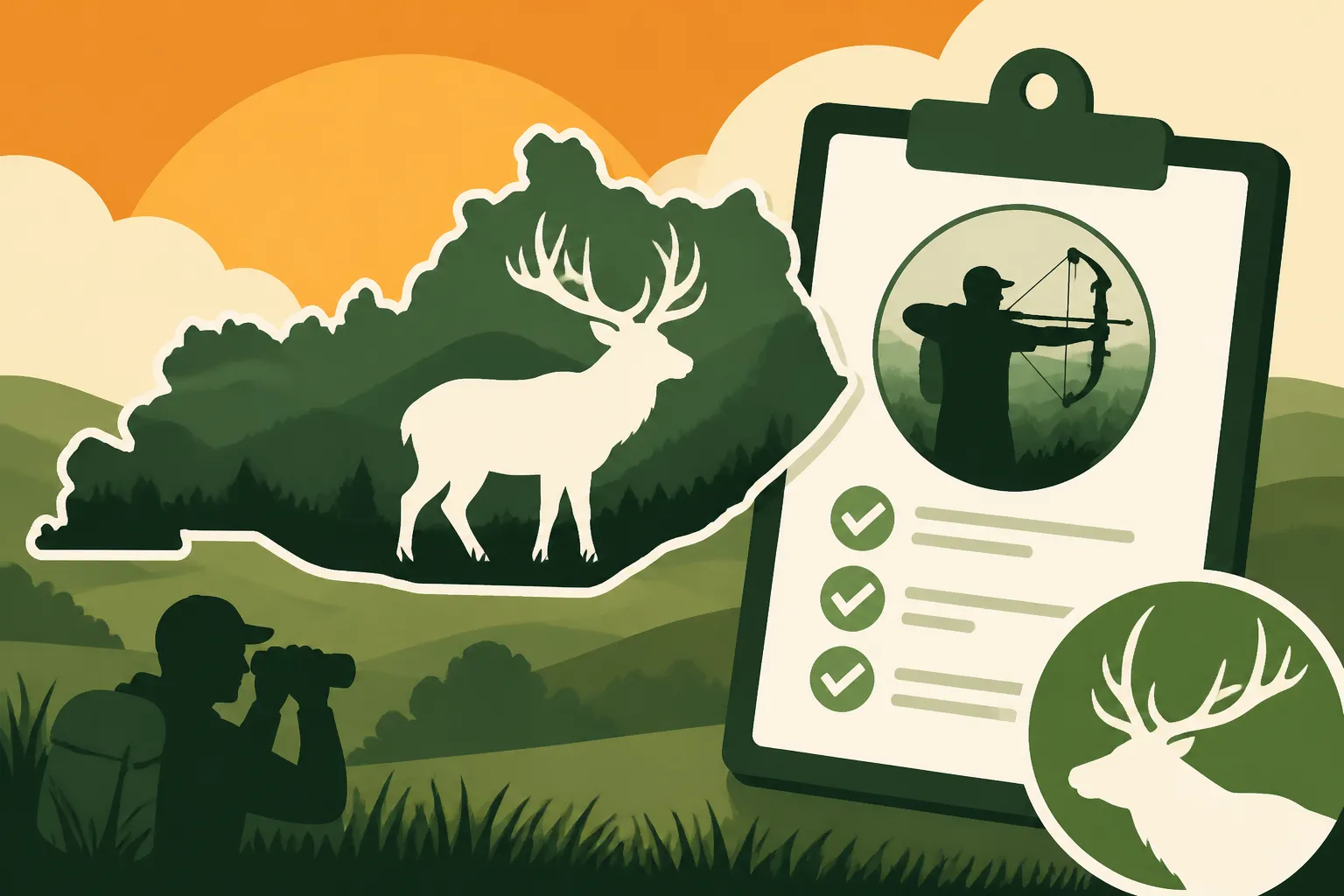
Drawing a Kentucky elk tag is often seen as a golden ticket, a dream many hunters chase for years, and the application process can feel like navigating a maze blindfolded. You've heard the stories of hunters who apply season after season with no luck, and it's easy to get discouraged before you even start. This guide is here to demystify applying for a Kentucky elk quota hunt, breaking down every step so you can submit your application with confidence and give yourself the best possible chance at that coveted tag.
Understanding Kentucky's Elk Quota System
Kentucky's elk herd is truly a conservation success story, growing from a small reintroduction effort to the largest herd east of the Mississippi River. This success means incredible hunting opportunities, but it also necessitates a carefully managed quota system to maintain the herd's health and provide fair chase. It's not just about drawing a tag; it's about understanding the nuances of how the state manages this incredible resource.
The History and Success of Kentucky's Elk Restoration
Back in the late 1990s, the Kentucky Department of Fish and Wildlife Resources (KDFWR), with the help of partners like the Rocky Mountain Elk Foundation, embarked on an ambitious project to reintroduce elk to their historical range in the Appalachian Mountains. Imagine the effort involved in capturing wild elk out west and transporting them all the way to Eastern Kentucky! The initial releases took place in the rugged coalfield counties, areas that offered ample habitat and relatively low human population density. Fast forward to today, and the herd has exploded, now numbering well over 10,000 animals. This thriving population is a testament to dedicated conservation efforts and the resilience of the elk themselves. It's truly incredible to think that a mere few decades ago, there were no wild elk in Kentucky, and now we have a thriving, huntable herd that rivals those out West in terms of quality and trophy potential. The habitat in the Elk Restoration Zone, with its mix of reclaimed mine lands, young forests, and established hardwoods, provides ideal conditions for elk to flourish, offering both abundant forage and excellent cover.
This phenomenal growth led to the establishment of regulated hunting seasons, allowing hunters the opportunity to pursue these magnificent animals while also serving as a vital management tool. Without hunting, elk populations can quickly outgrow their habitat, leading to overgrazing, disease, and increased conflicts with landowners. The KDFWR carefully monitors herd health and population numbers each year, adjusting permit allocations to ensure sustainable hunting and a healthy future for Kentucky's elk. This careful balance is what makes the Kentucky elk program so successful and so highly sought after by hunters across the country.
Quota Hunt Types: Bull, Cow, and Either-Sex Permits
When you apply for a Kentucky elk quota hunt, you're not just applying for "an elk tag." You're choosing a specific type of permit, each with its own season dates, units, and, crucially, draw odds. The KDFWR offers three main categories:
- Bull Firearm Elk Season Permits: These are arguably the most sought-after tags, giving you the chance to pursue a mature bull with a firearm during a designated season. These hunts are generally focused on trophy potential and can be incredibly challenging and rewarding. The season dates for bull firearm hunts typically fall in the fall, often overlapping with peak rut activity, which means you might be lucky enough to hear those spine-tingling bugles echoing through the hills. Securing one of these permits is a dream for many, opening the door to an unforgettable hunting experience in some of the most beautiful and rugged terrain Kentucky has to offer. The thrill of pursuing a bull elk in its native habitat, with the chance to harvest a true monarch, is what drives many hunters to apply year after year.
- Cow Firearm Elk Season Permits: Cow permits are designed to manage the herd's overall population, particularly the female segment, to ensure sustainable growth and healthy ratios. While you won't be chasing a trophy rack, cow hunts offer an excellent opportunity for high-quality meat and a fantastic hunting experience nonetheless. These permits are generally more numerous and, consequently, often have slightly better draw odds than bull permits. For hunters focused on filling the freezer or simply experiencing an elk hunt without the immense pressure of a trophy bull, a cow permit is an fantastic option. The challenge of locating and harvesting a cow elk in the vastness of the Elk Restoration Zone is still considerable, and many hunters find these hunts just as fulfilling.
- Either-Sex Archery-Crossbow Elk Season Permits: This category offers the most flexibility, allowing you to harvest either a bull or a cow elk using archery equipment or a crossbow. These seasons typically run for a longer period, often spanning several weeks in the fall. The archery-crossbow hunts appeal to traditional bowhunters and those who enjoy the extended season and the intimacy of bowhunting. While the challenge is elevated due to the close-range nature of archery, the opportunity to hunt an either-sex tag significantly increases your chances of encountering an animal. For those who enjoy the thrill of a quiet, stealthy pursuit, these archery-crossbow tags offer a truly immersive experience in the Kentucky wilderness. Remember, you'll need to be proficient with your bow or crossbow, as shot opportunities can be fleeting.
Understanding the differences and deciding which type aligns best with your hunting goals is a critical first step. It's not uncommon for hunters to apply for a cow tag for a few years to gain experience in the elk zone before trying for a bull tag, or to simply enjoy the meat hunting experience.
The Seven Elk Hunting Units Explained
Kentucky's Elk Restoration Zone is divided into seven distinct Elk Hunting Units (EHUs), each with its own characteristics, terrain, and population dynamics. You’ll need to familiarize yourself with Kentucky's Seven Elk Hunting Units to make an informed decision when applying. The KDFWR carefully allocates permits to these units based on population density, harvest objectives, and accessibility.
- EHU 1 (Pike County and surrounding areas): This unit is often considered a prime area, known for its rugged mountains, reclaimed mine lands, and strong elk numbers. It's also one of the larger units, offering plenty of room to roam, but it can be physically demanding. Hunters often find success glassing open reclaimed areas or still-hunting timbered ridges. Expect to put in some serious legwork here.
- EHU 2 (Knott, Letcher, and surrounding areas): Similar in topography to EHU 1, this unit also boasts excellent elk habitat. It features a mix of deep hollows, steep ridges, and old logging roads that can provide access to remote pockets of elk. This unit is well-known for its challenging terrain, but rewards those willing to venture off the beaten path.
- EHU 3 (Bell, Harlan, and surrounding areas): This area, encompassing parts of the Pine Mountain range, offers some truly wild and remote hunting. Access can be limited in some areas, and the terrain is incredibly steep and thick. However, for the adventurous hunter, EHU 3 can hold some impressive bulls. Remember to plan your Spot-and-Stalk Tactics for Pine Mountain Bears if you're ever in this area for bear season, as the same terrain offers similar challenges.
- EHU 4 (Leslie, Perry, and surrounding areas): Often characterized by a mosaic of forested lands, clear-cuts, and reclaimed sites, EHU 4 provides diverse habitat. It can be a fantastic unit for hunters willing to do their homework and find those hidden pockets of elk sign. Look for areas with a good mix of cover and forage.
- EHU 5 (Breathitt, Owsley, and surrounding areas): This unit is generally less rugged than the easternmost units, with more rolling hills and agricultural interfaces, though plenty of steep terrain exists. It can offer different hunting dynamics, with elk potentially moving between public and private lands. This can be a good option for those seeking a slightly less extreme physical challenge than some other units.
- EHU 6 (Clay, Jackson, and surrounding areas): EHU 6 features a blend of private lands, Daniel Boone National Forest, and some reclaimed areas. This unit can be a great choice, but understanding land ownership and gaining permission on private tracts is often key to success here. Public land within this unit still offers quality hunting, but scouting to avoid highly pressured areas is essential.
- EHU 7 (McCreary, Whitley, and surrounding areas): Located further west in the Elk Zone, this unit also contains significant portions of Daniel Boone National Forest. It presents a more classic timber-hunting experience in some areas, though reclaimed lands are still present. This unit can offer unique challenges and rewards, especially for those familiar with hunting national forest lands.
Each unit has its own character, access points, and specific hunting pressure. Researching these units thoroughly before applying is crucial. Online mapping tools, KDFWR harvest reports, and even talking to local hunters or KDFWR biologists can provide invaluable insights. Some hunters use resources like GoHunt to analyze draw data and unit characteristics, gaining a competitive edge by understanding historical success rates and terrain features. Knowing the terrain, public land access, and typical elk behavior in each unit will greatly influence your application strategy.
Navigating the Application Process
The application period for a Kentucky elk quota hunt is a critical window, and missing the deadline or making a mistake on your application can cost you a year of opportunity. While the process is designed to be straightforward, attention to detail is paramount. Let's break down the timing and steps involved so you can confidently submit your entry into the draw.
Key Dates and Deadlines You Can't Miss
The application window for Kentucky elk quota hunts typically opens in the spring and closes in late spring or early summer. For instance, the Kentucky Elk Application Window Dates usually run from late April to late May or early June. You absolutely cannot afford to miss these dates. It’s not like they extend it because you forgot; once it closes, it’s closed until next year. Mark your calendar, set phone reminders, and maybe even put a sticky note on your computer screen. I've heard too many stories of hunters who thought they had "plenty of time" only to realize the deadline passed them by.
Here’s a general timeline of what to expect:
- Application Period (April/May – early June): This is when you submit your application online. You'll specify your choices for bull, cow, or either-sex permits and your preferred EHUs. This is also when you'll pay the non-refundable application fee.
- Draw Results (Late June/Early July): The KDFWR typically conducts the drawing and announces the results a few weeks after the application period closes. You'll usually receive an email notification, and you can also check your application status on the KDFWR website. This is the moment of truth, where all those hopes and dreams either solidify or you start planning for next year.
- Permit Acceptance Period (July): If you are lucky enough to draw a tag, you will have a limited window to accept and pay for your permit. This is another crucial deadline. If you fail to accept and pay, your permit will be forfeited, and it will go to an alternate. Don't let your excitement lead to oversight!
- Mandatory Hunter Orientation (Late Summer/Early Fall): All successful applicants, regardless of experience, are required to attend a mandatory hunter orientation. These sessions provide vital information about elk biology, hunting techniques, safety, and specific unit rules. They're often held virtually or at designated locations in the Elk Zone.
Stay vigilant and check the KDFWR website for the exact dates each year, as they can shift slightly. The official KDFWR portal is your best friend for the most accurate and up-to-date information.
Step-by-Step Online Application Walkthrough
Applying for a Kentucky elk quota hunt is done entirely online through the KDFWR's official licensing portal. It's a fairly intuitive system, but here's a step-by-step guide to ensure you don't miss anything:
- Access the KDFWR Licensing System: Start by navigating to the Kentucky Department of Fish and Wildlife Resources website (fw.ky.gov) and look for the "Licenses & Permits" section. You'll need to log in or create an account if you don't already have one. This account is tied to your Social Security Number and serves as your official hunting and fishing profile with the state.
- Purchase a Hunting License: Before you can apply for an elk permit, you must possess a valid Kentucky hunting license. If you're a resident, this will be your annual hunting license. Non-residents will need to purchase a non-resident annual hunting license. This is a common pitfall – people forget the base license!
- Locate the Elk Quota Hunt Application: Once logged in, look for the "Elk Quota Hunt Application" option. It's usually clearly labeled.
- Choose Your Permit Type: You'll be prompted to select which type of permit you want to apply for: Bull Firearm, Cow Firearm, or Either-Sex Archery/Crossbow. You can apply for only one of these categories per year. This is a critical decision, as it dictates your entire hunt strategy if you draw.
- Select Your Elk Hunting Units (EHUs): This is where your research comes into play. You will typically be asked to rank your preference for specific EHUs. Some systems allow you to choose "any unit," but I highly recommend making specific choices based on your research and hunting goals. You may be able to select multiple units in order of preference.
- Review and Pay: Before submitting, carefully review all your selections. Double-check the permit type and unit preferences. The application fee, which is non-refundable, will be displayed. This fee is relatively small, but it’s what keeps your name in the hat. Once you're certain everything is correct, proceed to payment. You'll usually receive an email confirmation once your application is successfully submitted.
It’s a good idea to complete this process well before the actual deadline. Technical glitches, internet outages, or simple user errors can happen, and you don’t want to be scrambling at the last minute. Give yourself a buffer!
Understanding Preference Points and How They Work
Kentucky's elk draw operates on a lottery system, but it incorporates a preference point system that can significantly improve your odds over time. This isn't a "bonus point" system where points accumulate and are multiplied, but rather a "preference point" system designed to give loyal, long-time applicants a better chance.
Here’s the gist of how it works:
- Earning a Point: For every year you apply for a Kentucky elk quota hunt and do not draw a permit, you earn one preference point. This point is then added to your total for future draws. It's the KDFWR's way of rewarding persistence.
- How Points are Used: In the draw, all applicants are grouped by the number of preference points they have. For example, all applicants with 5 preference points are grouped together, and then a certain percentage of the available tags are drawn from that pool. Then all applicants with 4 points are grouped, and so on. This means that hunters with more preference points effectively compete against a smaller pool of applicants, giving them a statistically higher chance of drawing a tag compared to someone with zero or fewer points.
- Losing Points: If you do draw an elk permit, your preference points reset to zero. This is crucial to understand. You don't keep accumulating points indefinitely; once you get your shot, the slate is wiped clean, and you start building points again for future draws. This mechanism ensures that new applicants and those with fewer points still have a chance, preventing a scenario where only the highest-point holders ever draw.
- No Points for Not Applying: You must apply each year to gain a preference point. If you skip a year, you won't earn a point, but you also won't lose the points you've already accumulated. However, you'll effectively fall behind others who continue to apply.
This system is Why Five Hundred Elk Permits Draw So Many Applicants year after year; hunters know that even if they don't draw today, they're building equity for tomorrow. Many hunters diligently apply every season, viewing it as an investment in a future elk hunt. It’s a long game, for sure, but a worthwhile one when you consider the quality of the hunting experience in Kentucky. Tools like GoHunt can often help hunters analyze draw statistics based on preference points, giving a clearer picture of their realistic chances in various units.
Maximizing Your Chances in the Draw
While the Kentucky elk draw is ultimately a lottery, there are strategic decisions you can make during the application process that might subtly influence your odds. It's about playing the percentages and aligning your application with your realistic expectations and hunting goals.
Strategies for Choosing Hunt Units and Permit Types
This is where your research on Kentucky's Seven Elk Hunting Units really pays off. Don't just pick a unit at random or choose the one that sounds coolest. Consider these factors:
- Draw Odds History: The KDFWR often releases draw statistics from previous years. Analyzing these can show you which units and permit types have historically been harder or easier to draw. While past performance is no guarantee of future results, it gives you a baseline. For example, some units might consistently have lower applicant numbers for cow tags compared to bull tags.
- Your Physical Ability: Eastern Kentucky elk country is rugged. Some units are incredibly steep, with limited road access, requiring excellent physical conditioning and the ability to hike miles in challenging terrain. Others might offer slightly more forgiving topography or better road access. Be honest with yourself about your fitness level and choose a unit where you can realistically hunt effectively if you draw. There’s no point drawing a tag in EHU 3 if you can’t physically get to where the elk are.
- Hunting Style and Experience: Are you an experienced backcountry hunter comfortable with extended stays in remote areas, or do you prefer day hunts with easier access? Do you want to try Calling a Southeastern Kentucky Bull Elk during the rut, or are you looking for a more generalized spot-and-stalk opportunity? Some units are better suited for specific hunting styles than others.
- Elk Population and Success Rates: While the KDFWR manages for balanced populations across the zones, some units might have higher densities of elk or historically better success rates for hunters. Again, review past harvest data to inform your decision. Resources like GoHunt can compile this data, allowing you to easily compare units side-by-side based on harvest success, public land acreage, and draw difficulty.
Consider applying for a cow permit in a less popular unit if your primary goal is to simply get an elk hunting experience and some meat. These often have significantly better odds. If a trophy bull is your absolute dream, be prepared for longer odds and more years of applying to build preference points. It's a balance between desire and reality.
The Reality of Draw Odds and Setting Expectations
Let's be realistic: drawing a Kentucky elk tag is tough. There are thousands of applicants for a limited number of permits. Even with preference points, it's never a guaranteed draw. How Many Elk Permits Kentucky Issues is typically around 500-700 total permits across all categories and units, but Kentucky Elk Quota Hunt Rules dictate the specific breakdown. When you consider Why Five Hundred Elk Permits Draw So Many Applicants, you understand the sheer competition.
Here’s what you should expect:
- Long-Term Strategy: For many, drawing a bull tag, especially in a prime unit, is a multi-year endeavor. Think of it as a long-term hunting investment. You're building preference points, learning the system, and honing your skills while you wait. Don't go into it expecting to draw on your first try, though it certainly happens for some lucky folks!
- Accepting the Unpredictable: It's a lottery. Even with maximum preference points, there's always an element of chance. Someone with zero points could draw a coveted bull tag, while someone with eight points might go another year without one. It’s just how the dice roll.
- Focus on the Journey: The application process itself is part of the hunting journey. Researching units, dreaming of the hunt, and discussing strategies with friends all add to the anticipation. Embrace the waiting game and use it as an opportunity to plan for the day your number finally comes up.
Setting realistic expectations is key to avoiding disappointment. Apply each year, build your points, and keep your spirits up. If you manage to draw a tag, it will feel even more rewarding knowing the dedication it took.
Group Applications: Pros and Cons
Kentucky does allow for group applications, which can be an appealing option if you and your buddies want to hunt together. However, there are some important considerations:
Pros of Group Applications:
- Hunting with Friends: The obvious benefit is the opportunity to share the experience with a hunting partner or a small group. This can make the planning, scouting, and actual hunt much more enjoyable and often safer. Imagine Deer Drives With Three or Four Hunters but with elk – the camaraderie is half the fun.
- Shared Experience: If you and your group all draw tags in the same unit, you can pool resources, share knowledge, and help each other during the hunt, from scouting to packing out meat.
- Preference Point Pooling: In a group application, if any member has enough preference points to draw a tag for the group, all members in that group will be treated as if they have that highest number of points. This means a low-point hunter can "ride" on the points of a high-point hunter.
Cons of Group Applications:
- All or Nothing: If your group applies together, you are essentially tied to each other's fate. If the group is drawn, everyone draws. If the group is not drawn, no one draws. There are no partial draws for a group.
- Point Reset: The biggest drawback is that if any member of a group draws a tag, all members of that group have their preference points reset to zero. This means that a high-point hunter who brings along a low-point friend will also lose all their accumulated points if the group draws, even if they were the one whose points essentially facilitated the draw. This requires a frank discussion among group members about the value of their accumulated points versus the desire to hunt together.
- Maximum Group Size: Be aware of the maximum number of people allowed in a group application, which is typically four.
When considering a group application, have an honest conversation with your potential partners about point accumulation and the "all or nothing" nature of the draw. It’s a great way to hunt with friends, but it comes with a significant trade-off in terms of individual preference point value. Make sure everyone is on the same page before you commit.
What Happens After You Draw a Tag
Congratulations, you drew a Kentucky elk tag! That adrenaline rush is something else, isn't it? But the journey doesn't end there. In fact, it's just beginning. Now, the real work starts: accepting your permit, planning your hunt, and making sure you're fully compliant with all KDFWR regulations.
Permit Acceptance, Fees, and Mandatory Hunter Orientation
Drawing the tag is fantastic, but it's only the first hurdle. You still need to formalize it:
- Accepting Your Permit: When the draw results are announced (usually via email and the KDFWR portal), you'll have a specific, limited timeframe—typically a few weeks in July—to officially accept your permit and pay the permit fee. This fee is separate from the initial application fee. If you miss this deadline, your permit will be forfeited, and it will be offered to an alternate. Imagine the heartbreak of drawing the tag only to lose it by forgetting to click "accept" and pay! Set reminders, mark your calendar, and don't let this crucial step slip by.
- Permit Fees: The cost of an elk permit can vary between resident and non-resident hunters. Ensure you have the funds available when the acceptance period rolls around. These fees contribute directly to the management of Kentucky’s wildlife, including the elk herd itself.
- Mandatory Hunter Orientation: Every successful applicant, regardless of whether they drew a bull, cow, or either-sex permit, and regardless of prior elk hunting experience, must complete a mandatory hunter orientation. These orientations are typically held in late summer or early fall, often virtually or at specific locations within the Elk Restoration Zone. These sessions cover critical information:
- Safety Protocols: Emphasizing safe hunting practices in rugged terrain.
- Elk Biology and Behavior: Insights into elk habits, diet, and movement patterns specific to Kentucky.
- Regulatory Updates: Any changes to rules, boundaries, or reporting requirements.
- Ethical Hunting Practices: Promoting responsible hunting and shot placement.
- Meat Care and Game Recovery: Practical advice on field dressing, packing out, and preserving your harvest, especially important for large animals like elk.
- Unit-Specific Information: Sometimes, there are details shared that are particularly relevant to certain EHUs.
Missing this orientation can result in forfeiture of your permit, so it's not something to take lightly. Consider it a valuable last-minute classroom before your big adventure.
Planning Your Hunt: Scouting and Access
Once your permit is secured, the real planning begins. This is where the rubber meets the road, and your success often hinges on diligent preparation.
- Pre-Season Scouting: If you drew a permit, you have a specific EHU. Now is the time to dive deep into that unit. Use satellite imagery, topographic maps, and mapping apps like onX or GoHunt to identify potential travel corridors, bedding areas, feeding grounds, and water sources. Look for areas with a mix of cover and open areas, especially reclaimed mine lands or clear-cuts where elk frequently graze. Pay attention to contour lines for terrain features like saddles, benches, and creek bottoms that might funnel animal movement. If you're fortunate enough to live close or can travel, putting boots on the ground is invaluable. Nothing beats seeing the terrain firsthand, identifying actual elk sign (tracks, scat, rubs, wallows), and understanding potential access points and ingress/egress routes. Many successful hunters spend significant time learning the specific topography of their assigned unit.
- Access Challenges: Remember that much of Kentucky's Elk Restoration Zone is rugged and can be difficult to access. Many areas are old coalfield lands, and while some roads exist, they can be rough, unmaintained, or even gated. You need to identify legal and practical access points. This might involve walking long distances from designated parking areas, or even using an ATV on specific trails if allowed. Some areas are a mix of public and private land, so understanding boundaries is critical. You might even want to look into Getting Private Land Permission in Kentucky if you find a promising private tract bordering public ground in your unit, though this can be a long shot. The better you understand the access, the more efficiently you can hunt and avoid trespassing.
- Gear and Logistics: Elk are big animals, and harvesting one in steep country requires serious planning. You'll need appropriate gear, including a sturdy pack frame for packing out meat, good quality boots, sufficient water, and reliable navigation tools. Consider your weapon of choice. If you're Hunting a Bull Firearm Elk Season, ensure your rifle is sighted in and capable. If Hunting the Archery-Crossbow Either-Sex Elk Season, make sure your bow or crossbow is tuned and you're confident in your ethical shot distances. Think about where you'll camp or stay, food, first aid, and contingency plans for emergencies. Bringing a hunting partner or two, if your permit allows for assistance (not participation in the draw if they don't have a tag), can make the logistical challenge much more manageable.
Understanding Kentucky Elk Quota Hunt Rules and Regulations
The KDFWR has a comprehensive set of regulations specifically for elk quota hunts. Ignorance of the rules is not an excuse, and violating them can lead to severe penalties, including fines, loss of hunting privileges, and forfeiture of your harvest.
- Permit Specifics: Your permit will specify the exact dates you are allowed to hunt and the EHU you are assigned to. Hunting outside these dates or in the wrong unit is a serious offense.
- Legal Weapons: Ensure your weapon choice complies with Kentucky regulations for elk hunting. This typically includes specific calibers for rifles, broadhead requirements for archery, and minimum draw weights.
- Harvest Reporting: Kentucky operates under a mandatory telecheck system. If you harvest an elk, you must report it via phone or online within 24 hours of harvest. This is a crucial step for KDFWR to gather vital management data. Failure to telecheck can result in penalties.
- Carcass Movement Restrictions: Be aware of any current or potential disease management zones, such as those related to Chronic Wasting Disease (CWD). While the Elk Restoration Zone isn't currently a CWD surveillance zone, regulations can change. Always check the latest KDFWR guidance on carcass movement, especially if you plan to transport your elk out of the immediate area.
- WMA Specific Rules: If your hunting area includes Wildlife Management Areas (WMAs) or portions of Daniel Boone National Forest, there might be additional rules regarding vehicle access, camping, treestand placement, or trail camera use. Always check the specific regulations for the public land you intend to hunt. For example, some WMAs might have restricted vehicle access or specific camping rules. For more general information on how Kentucky WMAs Are Managed, you can often find detailed guides.
- Blaze Orange Requirements: Be mindful of blaze orange requirements, especially during modern gun seasons. Even if you're bowhunting, if the modern gun deer season is open, you might need to wear blaze orange.
The official KDFWR Hunting and Trapping Guide, updated annually, is your definitive source for all regulations. Read it cover to cover, and don't hesitate to contact the KDFWR directly if you have any questions. Compliance ensures a legal and ethical hunt, protecting your privilege and the integrity of Kentucky's elk program.
Beyond the Draw: Alternative Opportunities and Resources
Even if you don't draw a coveted quota tag, or if you're looking for different ways to experience Kentucky's elk, there are still avenues to explore. The state's elk program is dynamic, offering various opportunities and resources for hunters and wildlife enthusiasts alike.
Landowner Permits and Youth Opportunities
Kentucky has specific programs designed to engage landowners and introduce younger generations to elk hunting.
- Landowner Permits: Recognizing the importance of landowner cooperation in elk management, Kentucky offers a limited number of "landowner permits" to qualifying landowners within the Elk Restoration Zone. These permits are specifically for elk harvested on the landowner's property. The rules and application process for these permits are distinct from the general public quota draw. Often, these permits aim to alleviate crop damage or nuisance issues caused by elk. If you own land within the elk zone, it's worth investigating if you qualify for this program. It's a way for landowners who live with elk to also benefit from the hunting opportunities.
- Youth Opportunities: KDFWR is committed to fostering the next generation of hunters. There are often special opportunities for youth, such as dedicated youth hunting weekends or specific youth-only permits within the elk quota system. These programs are designed to provide a positive and supervised hunting experience for young people, often with mentors. If you have a youth hunter in your family, keep an eye out for these specific applications and requirements. These hunts are invaluable for passing on the hunting heritage and can be an incredible first hunting experience for a young person. Just like with Hunting the Kentucky Youth Firearms Season for deer, these youth elk hunts emphasize safety and education.
These specialized programs are important for both management and engagement, ensuring diverse participation in Kentucky's elk hunting tradition.
Utilizing Scouting Tools and Outfitters
Whether you've drawn a tag or are simply scouting for future years, modern tools and professional services can significantly enhance your planning.
- Mapping Applications: Tools like onX Hunt, GoHunt, or Basemaps are invaluable for virtual scouting. They provide detailed satellite imagery, topographic maps, public/private land boundaries, and even layers showing land features, water sources, and historical wildfire data. You can mark waypoints for potential stand sites, bedding areas, and travel routes, all from the comfort of your home. These apps are also crucial in the field for navigation, especially in areas with limited cell service. Learning Reading Aerial Photos for Eastern Kentucky Deer can give you similar skills for finding elk terrain. Being able to visualize the terrain, identify potential funnels, and understand access points before you ever step foot on the ground is a game-changer for effective scouting.
- Trail Cameras: Trail cameras, if permitted in your hunting unit (always check WMA-specific rules), can be excellent for monitoring elk movement, identifying active areas, and understanding herd dynamics. Placement is key, focusing on pinch points, water sources, or areas with fresh sign. Just be mindful of regulations regarding trail camera placement on public land.
- Professional Outfitters and Guides: For hunters who are new to elk hunting, unfamiliar with the rugged Kentucky terrain, or simply want to maximize their chances, hiring a reputable outfitter or guide can be a wise investment. Kentucky has a growing number of licensed elk outfitters who specialize in guiding hunters in the Elk Restoration Zone. They possess intimate knowledge of the area, elk behavior, and often have private land access or extensive public land experience. A good outfitter can save you years of scouting time and provide invaluable assistance with everything from calling elk to packing out your harvest. Do your due diligence, check references, and ensure they are licensed and reputable. Many outfitters utilize tools like GoHunt to analyze unit data and identify the best hunting opportunities for their clients.
These resources can dramatically improve your preparation and increase your chances of a successful and enjoyable hunt, whether you're a seasoned elk hunter or just starting your journey. The key is to leverage every available tool to your advantage.
Disclaimer
Hunting is an inherently dangerous activity. The information provided in this guide is for informational purposes only and should not be considered a substitute for official regulations, professional instruction, or personal judgment. Always consult the official Kentucky Department of Fish and Wildlife Resources (KDFWR) regulations annually for the most current and accurate rules and laws. Always prioritize safety, ethical hunting practices, and respect for wildlife and private property.