Early Goose Season Tactics in Kentucky
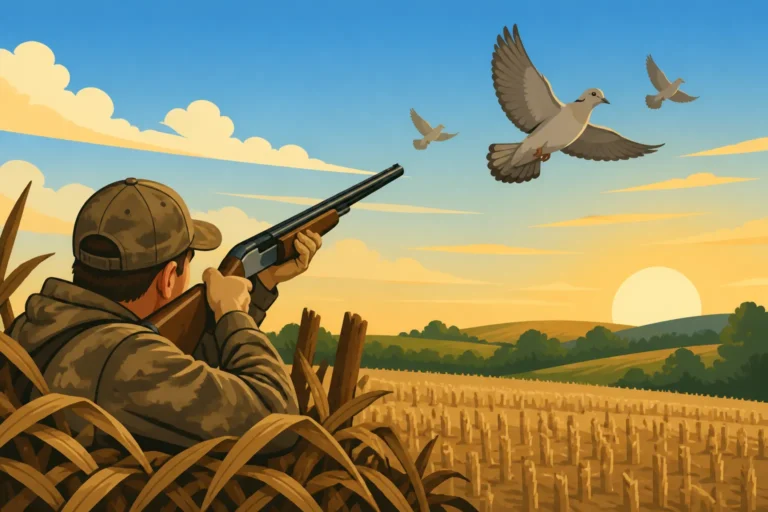
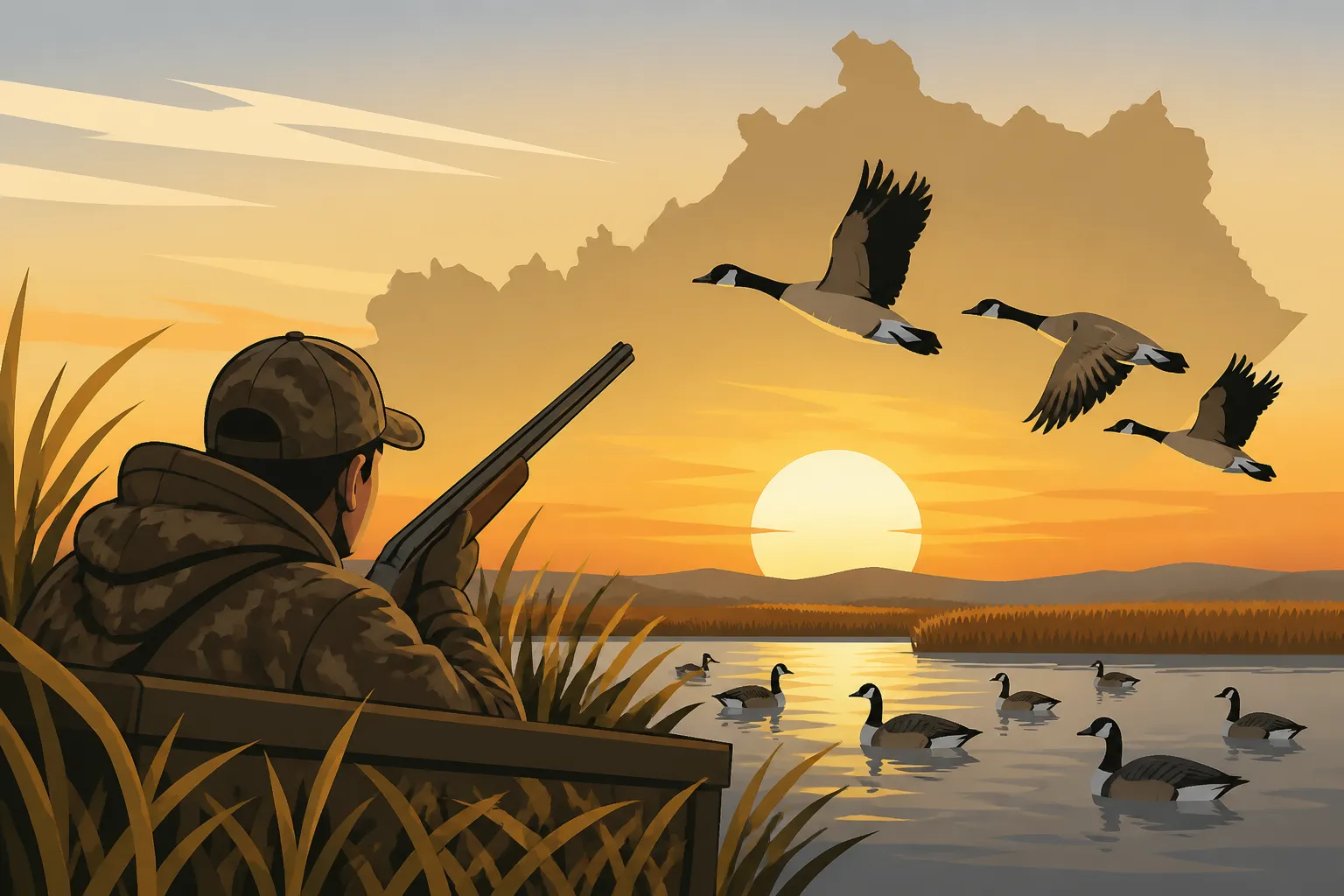
The early goose season in Kentucky can feel like a bit of a tease. You’ve been itching to get back out in the field, the air is still thick with summer humidity, and the thought of breaking out the layout blind seems almost sacrilegious. But those early September geese? They’re a whole different animal than the birds you’ll chase in the dead of winter, and if you approach them with late-season tactics, you’re likely to end up frustrated. This guide is all about giving you the edge, diving deep into how to locate, set up for, and call in those tricky early-season Canada geese across the Bluegrass State.
Understanding the Early Goose Season in Kentucky
The early goose season in Kentucky offers a fantastic opportunity to kick off your waterfowl hunting, but it’s crucial to understand its unique characteristics. Unlike the later, colder months when geese are deep into their migration patterns, early season birds are often resident populations. This means they've spent their entire summer right here in Kentucky, getting comfortable with local feeding and roosting patterns, and they're typically much more educated about hunting pressure than their northern counterparts who haven't seen a decoy spread in months.
When and Where to Hunt
Kentucky’s early goose season usually kicks off right at the beginning of September and runs for a few weeks, typically statewide. The exact dates and bag limits can shift slightly each year, so before you even think about loading up the truck, make sure you've consulted the latest regulations from the Kentucky Department of Fish and Wildlife Resources (KDFWR). Generally, you're looking at a generous bag limit of Canada geese, often around five birds per day. This statewide approach means you don't have to worry about the specific Kentucky Duck and Goose Zone Rules that come into play for other waterfowl seasons, which simplifies planning. However, every good hunter knows that "statewide" doesn't mean "geese everywhere." You still need to put in the legwork to find where these birds are concentrated.
These early birds are often focused on accessible food sources, which could be anything from fresh-cut hayfields to early harvested corn or even lush green pastures and golf courses. They’re creatures of habit, often flying short distances between a secure roosting area (like a large lake, reservoir, or even a wide river bend) and their preferred feeding grounds. Pay close attention to ponds and small lakes that might be overlooked during the busier regular season – these can be prime spots for smaller family groups of resident geese. You'll also want to be mindful of legal requirements. Beyond your basic hunting license, you'll need a Kentucky Migratory Bird/Waterfowl permit, and if you’re 16 or older, a Federal Duck Stamp. Don't forget your Kentucky HIP Certification for Bird Hunters, which is mandatory for hunting any migratory birds in the state.
The Behavior of Resident Geese
Resident geese are generally savvy birds. They’ve been living in close proximity to humans all summer, often seeing people, cars, and even some recreational activity near their feeding and roosting areas. This can make them wary of anything out of the ordinary, including a perfectly laid-out decoy spread. They haven’t been pushed by harsh weather or long migration flights, so they’re not under the same pressure to feed aggressively as later-season birds. This means they’re more likely to circle your spread multiple times, looking for any sign of danger before committing. They’re also less likely to respond to overly aggressive calling, especially if they’ve already experienced some hunting pressure in the first week or two of the season.
A common frustration for hunters is setting up in a prime field only to watch geese fly over at 100 yards, seemingly uninterested in your impeccable spread. This isn't always because your setup is bad; it’s often because these birds are content and have alternative food sources. They don't need to land in your field if something feels off. Understanding this psychological difference is key. You're not dealing with exhausted migrants; you're dealing with local royalty who know their territory inside and out. Therefore, subtlety, realism, and concealment become paramount. They're often in smaller family groups or small flocks, not the massive V-formations you'll see later in the year. Keep an eye out for these smaller groups as they can be easier to fool if you're set up correctly.
Scouting for Success: Where to Find Early Season Geese
Scouting is, without a doubt, the most critical element for early goose season success. You absolutely cannot skip this step and expect consistent results. These birds are predictable in their local movements, but only if you know their schedule and their preferred spots. Guessing leads to frustration and empty bags.
Locating Roosting and Feeding Areas
The core of early season scouting involves identifying where geese are roosting and where they’re feeding. Resident geese will typically fly from a large body of water (their roost) to a feeding area in the morning, spend a good portion of the day there, and then return to the roost in the late afternoon or evening. Your job is to intercept them somewhere along that flight path, ideally at their chosen feeding spot. Start by locating potential roosts – large lakes like Kentucky Lake or Barkley Lake, major river systems like the Ohio River, or even larger farm ponds and reservoirs in specific counties. Once you have an idea of potential roosts, you need to drive or walk the surrounding areas during the last hour of daylight. Watch for geese flying low, heading toward fields or pastures. When you see birds dropping into a field, mark that spot!
Don't be afraid to pull over and watch. Observe where they land, how they enter the field, and even what they're feeding on. Are they picking at new shoots of winter wheat? Cleaning up spilled grain from an early corn harvest? Or simply grazing on lush green grass? This information is gold. The mobile mapping technology available today, like the GoHunt app, is incredibly useful for this kind of reconnaissance. You can mark exact field locations, access points, and even potential blind locations directly on the map, making your pre-hunt planning much more efficient. You might even find success scouting areas like the reclaimed mine lands of Peabody Wildlife Management Area, where new growth and scattered water sources can attract resident birds.
Observing Flight Patterns and Field Habits
Once you’ve identified a few hot fields, it's time to refine your scouting. Don't just find a field with geese; find the exact spot in that field where they prefer to land. Often, geese will land in a particular corner, along a specific fenceline, or near a certain low spot. They also tend to fly into the wind when landing, so observing their approach routes can help you orient your blind and decoy spread correctly on hunting day. This level of detail makes all the difference. Sometimes, it’s not about the sheer number of birds, but about catching a few small family groups consistently using a certain patch of grass.
Watch how they behave once on the ground. Are they spread out and relaxed, or bunched up and wary? Are they moving quickly from one area to another, or content to graze in one spot for hours? This tells you about their comfort level and the quality of the food source. If possible, scout the day before you plan to hunt. This ensures the birds are still using that exact location and gives you the freshest information. Remember, early season birds can shift their preferred fields quickly if food sources change or they encounter pressure. A field that was hot on Monday might be cold by Wednesday, so being up-to-date is crucial. Don't discount smaller, out-of-the-way fields either; sometimes the less obvious spots hold consistent birds because they see less pressure.
Decoy Spreads and Calling Strategies
Once you've done your homework and found the geese, the next challenge is convincing them to come into range. Early season geese require a different approach to decoys and calling than the large, aggressive spreads and loud calling often used in the late season. Subtlety and realism are your best friends.
Realistic Decoy Setups
Forget the massive spreads of 100+ decoys you might deploy for a big push of migrating birds. For early season resident geese, a smaller, more realistic spread is often far more effective. Think about small family groups – 12 to 24 decoys, maybe even fewer, if you’re targeting a very specific landing zone. These birds are used to seeing small groups, not a giant congregation. Focus on realism:
- Quality over Quantity: Full-body decoys are fantastic if you have them, offering the most realistic silhouette. Shells or even high-quality silhouettes can work well too, especially if they have good movement.
- Natural Posing: Mix up feeder, sentry, and semi-active poses to mimic a relaxed flock. Don't have all your decoys looking straight up or all facing the same direction.
- The "Landing Strip": Create an open landing zone directly in front of your blind, leading into the heart of your spread. Geese like to land into the wind in a clear area. Think of your spread as a U-shape or J-shape, with the open end facing the direction you expect the birds to approach from.
- Wind Direction: Always set up with the wind at your back, so geese land facing you. This also positions them perfectly for a shot as they commit.
- Movement: Even a few "flapping wing" decoys or motion stakes can add crucial realism to your spread, especially on calm days. Geese are highly visual, and movement catches their eye.
Remember that Decoy Spreads for Kentucky Lake Divers might focus on different bird behavior, but the principle of creating a natural, inviting scene remains the same. If you're hunting a cut cornfield, placing a few decoys near any remaining stalks can look incredibly natural. For hunting in more open areas, like a cut hayfield, ensure your decoys blend into the surroundings and don't stand out as artificial.
Calling with Finesse
Just like with decoys, early season calling requires finesse, not brute force. These resident birds have likely heard it all. Blasting a hail call at every distant speck will quickly educate them or send them packing.
- Less is More: Start with soft greeting calls or clucks when birds are far off. If they show interest, you can increase volume slightly, but avoid overly aggressive or rapid calling.
- Mimic Contentment: The goal is to sound like a happy, relaxed flock on the ground. Soft clucks, moans, and murmurs are often more effective than loud honks.
- Call in Response: Let the birds dictate the conversation. If they call, call back. If they stay silent, try a few soft clucks to pique their interest without overdoing it.
- Patience: These birds will often circle multiple times. Use this to your advantage. Call to them on their initial pass, then go quiet as they circle, letting them think about what they saw. When they turn and start back towards you, offer a few soft confidence calls.
- The GoHunt Advantage: Using resources like GoHunt forums or their app's community features can sometimes give you localized insights into what calling techniques are working in specific regions of Kentucky. This kind of shared knowledge is invaluable for adapting your strategy.
For some fantastic hunting opportunities, consider Waterfowl Hunting Kentucky Lakes and Rivers. While the tactics for hunting open water might differ slightly from fields, understanding the birds' behavior around these large water bodies is key to finding their feeding grounds.
Essential Gear and Setup Considerations
Having the right gear and knowing how to use it effectively is crucial, especially when dealing with wary early season geese. Your comfort, concealment, and safety are paramount for a successful hunt.
Concealment and Blinds
Early season hunting often means warmer temperatures and less natural cover. This makes concealment even more challenging and important. Geese have incredible eyesight, and they will spot anything out of place.
- Layout Blinds: These are often your best bet for field hunting. They offer excellent concealment directly on the ground, allowing you to blend seamlessly into a stubble field or cut corn. Make sure you brush your layout blind in thoroughly with local vegetation. Don't just throw a handful of grass on it; cover every exposed surface until it looks like part of the field. Remember, if you're Layout Blind Hunting a Cut Cornfield, the goal is to disappear into the crop residue.
- A-Frame Blinds/Panel Blinds: If you're hunting along a fenceline, hedgerow, or field edge with some existing cover, A-frame or panel blinds can work. Again, heavy brushing is non-negotiable. Use whatever is naturally present: corn stalks, hay bales, natural grasses, or even tree branches.
- Natural Cover: Sometimes, the best blind is no blind at all, just excellent natural cover. A ditch, a thick hedgerow, or a stand of tall weeds can provide phenomenal concealment if positioned correctly. Always make sure you're completely hidden, even your face, which can shine in the sun.
- Decoy Blinds: While less common for early geese, some hunters use large, bulky goose shell decoys or even full-body decoys to hide within the spread itself. This can be effective for a single hunter or a small group.
Regardless of your chosen blind, avoid silhouetting yourself against the sky. Always position your blind against a darker background, like a tree line, fenceline, or even a slight rise in the terrain.
Clothing, Footwear, and Safety
Warm early September days can quickly turn into cool mornings, especially near water. Layering is always a good idea. Lightweight, breathable camouflage is key to staying comfortable.
- Layering: Start with a moisture-wicking base layer, add a light fleece or softshell, and have a waterproof/windproof outer shell handy for pop-up showers or unexpected wind.
- Footwear: Comfortable, waterproof boots are essential. You might be walking through dew-soaked fields or wading through shallow water to retrieve birds. Consider Chest Waders Versus Hip Boots for Flooded Timber if you anticipate hunting near marshy areas or shallow water bodies.
- Blaze Orange/Pink: During specific hunting seasons that overlap with deer or other big game, Kentucky has blaze orange (or blaze pink) requirements. For early goose season, this usually isn't an issue as it often precedes rifle deer seasons, but it’s always wise to check current regulations if you’re unsure about overlap.
- Nontoxic Shot: This is not optional. Where Nontoxic Shot Is Required in Kentucky includes all waterfowl hunting. Steel, bismuth, or tungsten loads are mandatory. Make sure you're patterning your shotgun with your chosen nontoxic loads before the season opens to know your effective range.
- Sun Protection: Early season means the sun is still strong. A good hunting hat, sunglasses, and sunscreen are crucial for comfort and preventing sunburn during long sits.
- Hydration: Bring plenty of water. Dehydration can creep up on you quickly in the early fall warmth.
- Blind Bags: A well-stocked Blind Bags and Cold-Weather Gear setup will include essentials like extra shells, a rangefinder, snacks, water, calls, a small first-aid kit, and perhaps a small ground pad for added comfort.
Ultimately, early goose season is a fantastic way to extend your hunting year and chase some of Kentucky's resident Canada geese. By understanding their unique behaviors, meticulous scouting, using realistic setups, and calling with finesse, you can enjoy some truly memorable hunts before the main waterfowl migration even begins.
Disclaimer
Please remember that hunting regulations, season dates, and bag limits are subject to change annually by the Kentucky Department of Fish and Wildlife Resources. Always consult the most current KDFWR hunting guide before heading into the field to ensure you are in full compliance with all state and federal laws. This information is for general guidance and educational purposes only.