Chest Waders Versus Hip Boots for Flooded Timber
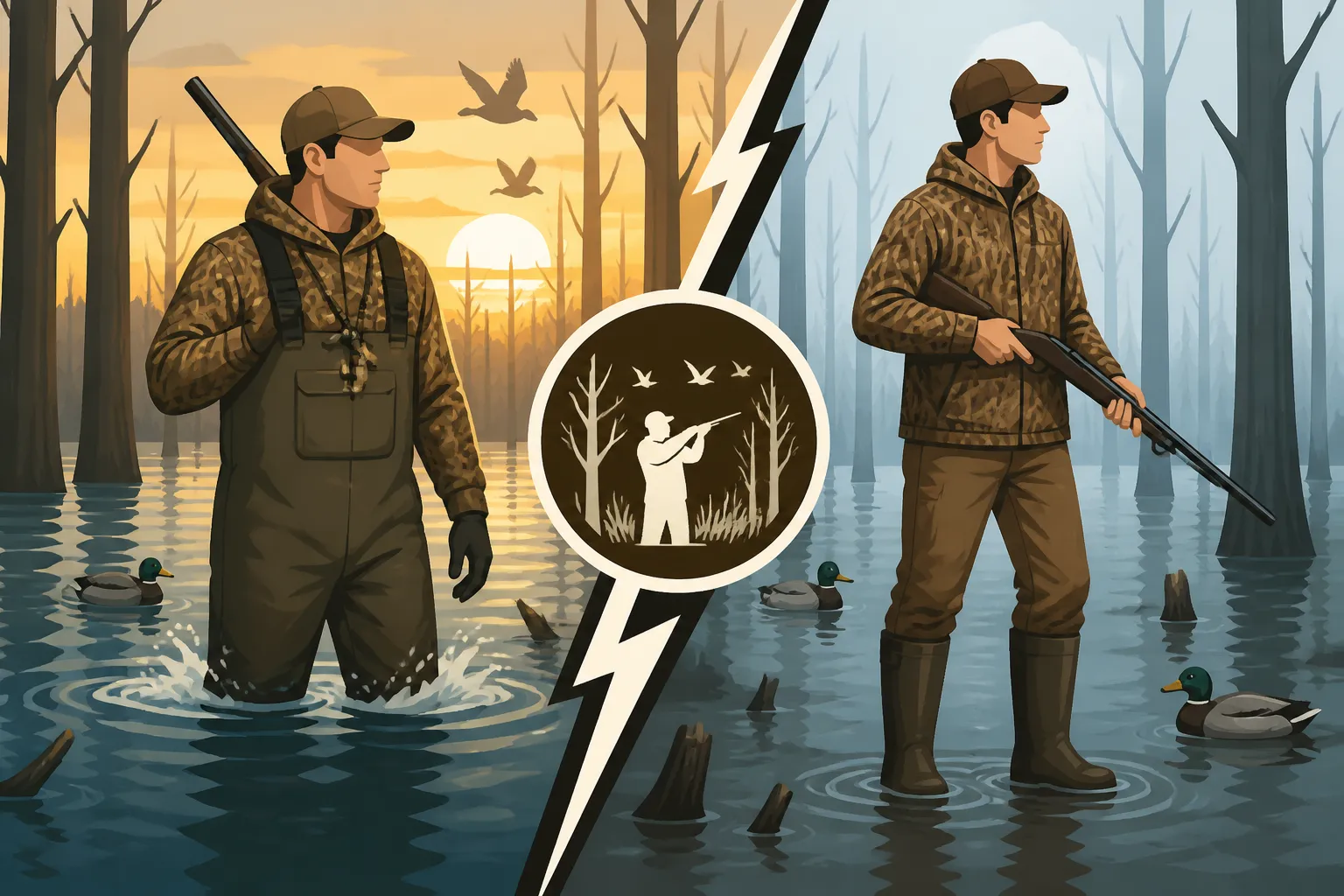
Venturing into Kentucky's flooded timber for a duck or goose hunt is an experience unlike any other, but it comes with a critical gear decision: what do you wear on your feet and legs? Many hunters grapple with whether chest waders or hip boots are the right choice, especially when water levels can be so unpredictable from one day to the next. This guide will dive deep into the pros, cons, and practical considerations for both, helping you make an informed decision to stay dry, warm, and safe in the marshy woods.
The Variable Depths of Kentucky's Waterfowl Havens
Kentucky's landscape offers diverse waterfowl habitats, from the sprawling bottomlands along the Mississippi and Ohio rivers to smaller, often overlooked creek bottoms and flooded agricultural fields. Each of these presents unique challenges, especially when it comes to navigating water. The core frustration often lies in the sheer unpredictability of water levels; what was a mere puddle yesterday could be a waist-deep channel today, leaving you literally high and dry, or more likely, cold and wet.
Understanding Kentucky's Waterfowl Habitats
When you think about Waterfowl Hunting Kentucky Lakes and Rivers, you're often picturing vast expanses, but the real action for timber ducks is in those smaller, often overlooked pockets. Western Kentucky, with its proximity to major flyways, boasts iconic flooded timber areas where cypress trees stand silent sentinels over dark water. These areas can range from gently sloping flats that hold inches of water to hidden channels that drop off unexpectedly into several feet of cold water. Further inland, you might find smaller pockets of flooded hardwoods along creek drainages, especially after heavy rains, that become temporary waterfowl magnets. The terrain here can be incredibly varied, with old logging roads, downed trees, and unseen stumps lurking beneath the surface.
The Unpredictability of Water Levels
It’s a tale as old as time for any Kentucky duck hunter: you scout a spot, mark it on your GoHunt app, and everything looks perfect. The water is just right, maybe knee-deep, ideal for sloshing around without too much effort. Then, a night of torrential rain or a sudden release from an upstream dam transforms your perfect spot into an aquatic maze. This variability is precisely why the chest wader versus hip boot debate is so crucial. A spot that was comfortably hip-boot territory last week could easily require chest waders, or even a boat, after a significant weather event. Relying on past experiences without checking current conditions is a recipe for a miserable, or even dangerous, hunt.
Chest Waders: The Unsung Heroes of Deep Timber
For many, chest waders are the default choice for flooded timber, and for good reason. They offer the most comprehensive protection against water, mud, and cold. When you're dealing with the often-unknown depths of Hunting Land Between the Lakes Flooded Timber or a deep slough in a river bottom, that extra coverage isn't just a luxury—it's a necessity.
Superior Coverage and Warmth
The most obvious advantage of chest waders is their height. They extend all the way up to your chest, sometimes even higher with bib-style designs, providing a critical barrier against deep water. This means you can confidently step into water that's knee-deep, thigh-deep, or even waist-deep without fear of water sloshing over the top. In Kentucky, where deer season often overlaps with the early parts of waterfowl season, you know how quickly the weather can turn. Later in the season, when temperatures plummet, this extensive coverage also provides significantly better insulation. Most chest waders are insulated, trapping a layer of air and warmth around your lower body, which is absolutely vital when you're standing stationary in icy water for hours waiting for the ducks to commit. Being able to wade into deeper pockets often means you can access less-pressured areas, setting up on prime spots that others might shy away from.
Enhanced Mobility and Safety in Unforeseen Depths
While hip boots might seem more agile, chest waders actually offer enhanced safety and, paradoxically, better mobility in truly variable conditions. The ability to step into a hidden hole or a deeper channel without immediately filling with water is a game-changer. Imagine walking through seemingly shallow timber, only to stumble into an old ditch or a deep beaver run. With chest waders, you might get a little splash, but you're unlikely to be completely submerged or fill up with frigid water, which can be disorienting and dangerous. Modern chest waders are designed to be relatively flexible, allowing you to walk, bend, and kneel without feeling overly restricted. Crucially, a good wader belt cinched tightly around your waist creates an air pocket below, which can prevent them from completely filling with water if you do take an unexpected plunge. This buoyancy can give you precious moments to regain your footing or safely extract yourself from a tricky situation. For hunters navigating the often-treacherous terrain of flooded timber, this peace of mind is invaluable, allowing you to focus on the hunt, not just your next step.
Practical Applications in Kentucky's Wettest Spots
Consider a morning hunt in the vast bottomland areas of Western Kentucky, where rivers frequently swell their banks. You might be walking through what appears to be a consistent depth, only for an old creek bed or a forgotten slough to drop suddenly. In these scenarios, chest waders are your best friend. They allow you to cross these deeper sections, giving you access to prime timber pockets where ducks are likely to congregate away from the main channels. Even in smaller, isolated pockets of flooded hardwoods, such as those you might find while Hunting Western Kentucky Bottomland Deer when the water is up, chest waders enable you to push further into the cover. When you're forced to leave the relative safety of a marsh boat or layout blind and walk into the timber to retrieve a downed bird or adjust decoys, that chest-high protection is absolutely critical. They're also indispensable when you're setting up a decoy spread, as you'll often need to venture into varying depths to get your decoys exactly where you want them, or to secure a layout blind in a slightly deeper pool. The confidence to move freely, even in uncertain conditions, makes chest waders the go-to for serious flooded timber hunters in Kentucky.
Hip Boots: Lightweight Agility for Shallow Water Tactics
While chest waders offer maximum protection, hip boots certainly have their place, especially for hunters prioritizing speed, comfort, and minimal bulk in specific scenarios. They aren't for every flooded timber situation, but when conditions are right, they can be a hunter's best friend.
Unmatched Agility and Ease of Movement
One of the biggest advantages of hip boots is their lightweight nature and the freedom of movement they offer. Unlike chest waders, which can feel a bit like wearing a full-body suit, hip boots stop at the upper thigh, leaving your torso completely unencumbered. This makes walking through shallow water and dry ground much easier and less fatiguing. If your hunt involves a long trek across fields or through dry woods before you even hit the water, hip boots will feel far more comfortable and less restrictive. The reduced material also means less bulk to pack in, which can be a relief on those dawn patrols where every ounce counts. They allow for a more natural stride, and for hunters who are constantly on the move, perhaps scouting new areas or jump-shooting small pockets, this agility can make a real difference in comfort and endurance throughout the day.
Ideal for Scouting and Transient Water
Hip boots truly shine in situations where you are confident the water will remain relatively shallow, or when you anticipate spending more time on dry land. They are an excellent choice for pre-season scouting trips, allowing you to quickly check water levels in various spots, investigate old sloughs, or find new access points without the cumbersome nature of chest waders. If you're simply trying to get an idea of where ducks might be Reading a Bottomland Slough for a Morning Flight and don't plan to sit in deep water, hip boots are perfect. They are also well-suited for early-season hunts when water temperatures are milder, and a quick splash over the top isn't as life-threateningly cold. Imagine hunting a recently flooded cornfield where the water is mostly ankle to knee-deep, or working a small creek that’s only just topped its banks. For these transient water situations, where you're not committing to standing in deep water for hours, hip boots offer just enough protection without being overkill. You might also find them useful if you're primarily hunting from a boat or blind that keeps you largely out of the water, and you only need to step out briefly into shallow areas.
When Hip Boots Fall Short
The biggest drawback of hip boots is their inherent limitation in water depth. Step into water that's even a few inches above the top of the boot, and you're in for a cold, wet surprise. This can happen unexpectedly, whether it's an unseen depression, a slick log, or simply misjudging the water's true depth. Once water breaches the top, it quickly fills the boot, soaking your pants and potentially chilling you to the bone. This can lead to a quick end to your hunt, or at the very least, significant discomfort. Furthermore, in colder temperatures, the limited coverage of hip boots means less overall insulation for your legs, leaving more of your body exposed to the frigid air and water. Safety is another concern; if you slip and fall in deeper water while wearing hip boots, they can quickly become heavy anchors, making it harder to recover. Unlike chest waders with a belt, there's no way to prevent them from filling completely, which can be a serious hazard. Therefore, if there's any doubt about water depth or if the temperatures are truly cold, hip boots are a risky gamble.
Making the Call: Matching Gear to Your Kentucky Hunt
Deciding between chest waders and hip boots isn't just about personal preference; it's about making a strategic choice based on the specific conditions of your hunt in Kentucky. Each piece of gear has its ideal application, and understanding those nuances can significantly impact your comfort, success, and safety.
Assessing the Depth of Your Hunting Grounds
Before every flooded timber hunt, a thorough assessment of the water depth is paramount. Don't rely on memory alone. Utilize resources like the GoHunt app or other mapping tools to study topographical maps of your chosen hunting area. Look for contour lines that indicate depressions, old creek channels, or sudden drop-offs. Pay close attention to recent weather patterns and rainfall totals, as these directly influence water levels. If heavy rains have passed through, or if a nearby river is experiencing elevated levels, assume the water will be deeper than expected. When in doubt, always err on the side of caution and opt for chest waders. It's far better to have more protection than you need than to be caught unprepared. You might also want to scout the area physically before the season, perhaps with a long stick or pole to probe the depths, giving you a real-time understanding of what to expect. For public lands, check the Kentucky Department of Fish and Wildlife Resources (KDFWR) website for specific WMA conditions or closures, as water levels can be actively managed.
Considering Weather and Water Temperature
The temperature of the air and, more importantly, the water, plays a huge role in your gear choice. Early in the Kentucky Duck and Goose Zone Rules season, say in late September or early October, when air temperatures are mild and water is still relatively warm, hip boots might be a viable option for shallower spots. However, as soon as Kentucky transitions into late fall and winter, which aligns with prime duck hunting, water temperatures drop significantly. Standing in cold water, even for a short time, can lead to hypothermia if you're not adequately insulated. This is where chest waders truly shine. Their increased coverage means more insulation for your legs and lower torso, preventing heat loss. When planning for Cold-Weather Sitting Strategy in Kentucky, remember that keeping your core warm is critical, and cold, wet legs will draw heat away quickly. If you're expecting freezing temperatures, snow, or simply a long sit in standing water, chest waders are almost always the safer and more comfortable choice. Think about the extended periods you might be stationary, waiting for birds to work into your spread; that time spent in cold water demands maximum thermal protection.
Safety First: A Non-Negotiable Consideration
Regardless of whether you choose chest waders or hip boots, safety should always be your top priority. Accidents can happen quickly in flooded timber—slipping on slick mud, tripping over submerged logs, or stepping into an unexpected hole. Always hunt with a buddy, especially in unfamiliar or treacherous terrain. If you opt for chest waders, always wear a wader belt. This seemingly simple piece of equipment can be a lifesaver, cinching the waders tightly around your waist to prevent them from completely filling with water if you fall. It creates an air pocket that can help you float and regain your footing. When wearing hip boots, be acutely aware of your surroundings and the potential for deeper water. Move slowly and deliberately, probing the water ahead of you with a stick or your foot. Understand that while hip boots offer agility, they provide zero protection against deep water breaches, making a fall potentially more dangerous. Always let someone know where you're hunting and when you expect to return, and carry a fully charged phone in a waterproof case. Whether you're navigating a simple slough or plunging into deep timber, understanding your gear's limits and prioritizing safety can mean the difference between a successful hunt and a dangerous mishap.
| Feature | Chest Waders | Hip Boots |
|---|---|---|
| Water Depth | Ideal for varied, deep, and unknown depths | Best for shallow, predictable water |
| Coverage | Extends to chest/torso | Extends to upper thigh |
| Warmth/Insulation | Superior, especially when insulated | Limited, best for mild temperatures |
| Mobility | Good for walking, bending; can feel bulky | Excellent, lightweight, agile |
| Safety | Higher protection from falls; wader belt crucial for buoyancy | Risk of filling quickly if water breaches top |
| Ideal Use Cases | Deep timber, long sits, cold weather, varied terrain, retrieving birds from deep water | Scouting, early season, very shallow water, quick movements, mostly dry ground |
| Best For | Dedicated timber duck hunters, cold weather | Opportunistic hunters, mild weather, minimal water exposure |
Disclaimer
This article is for general informational purposes only and does not constitute professional advice. Laws, prices and regulations vary by location and change over time. Consult a qualified professional for guidance on your specific situation.