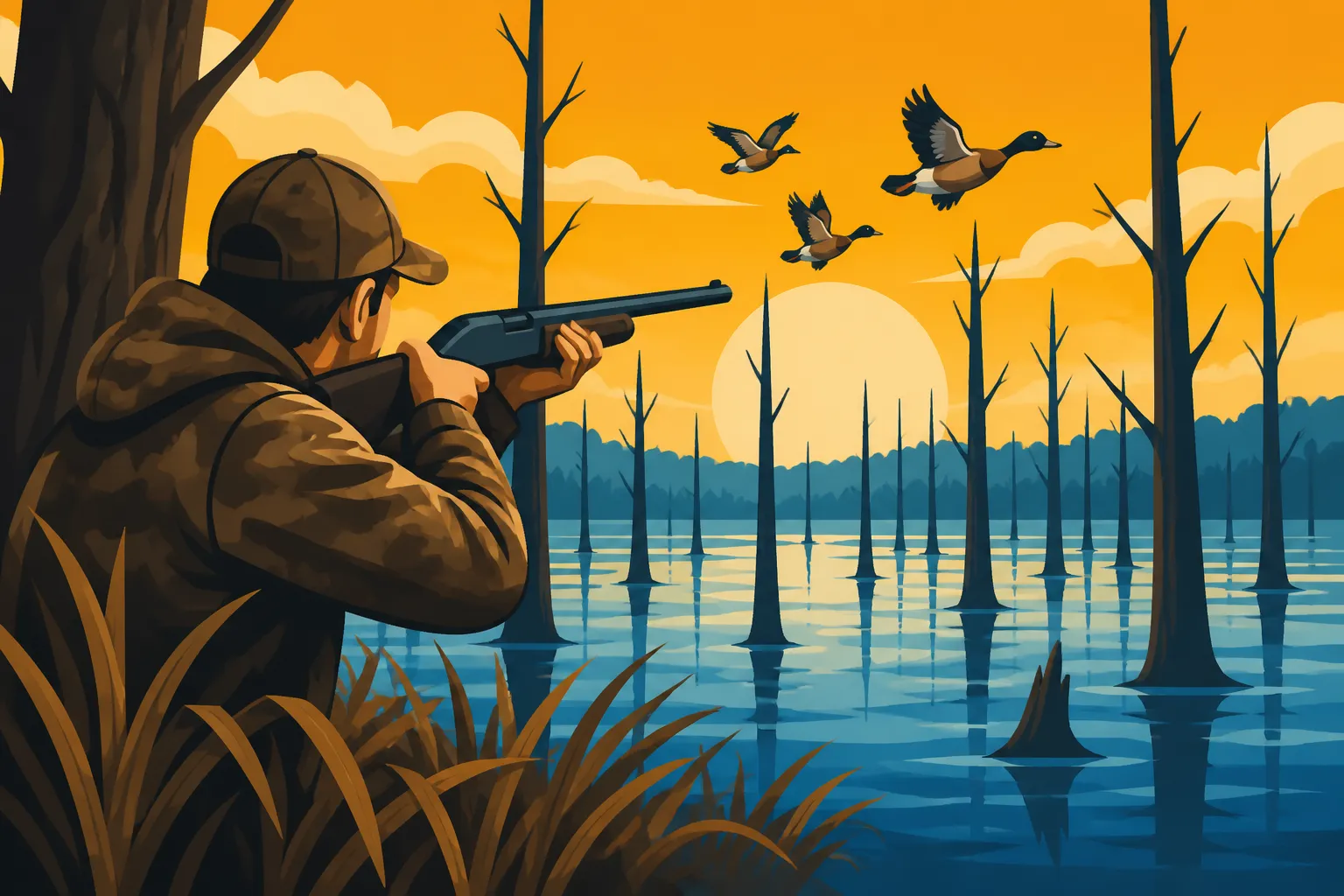
Hunting Land Between the Lakes Flooded Timber
Hunting flooded timber at Land Between the Lakes (LBL) is one of those experiences that can fill a waterfowl hunter with both immense anticipation and a healthy dose of dread. It’s a truly magical place when the ducks are working, but it can also be an incredibly frustrating labyrinth of submerged obstacles and unpredictable water levels. This guide is here to cut through some of that confusion, helping you understand the unique challenges and equip you with the knowledge to navigate LBL's flooded woods successfully, turning those challenging hunts into unforgettable memories.
Understanding Flooded Timber Dynamics at Land Between the Lakes
The flooded timber at Land Between the Lakes isn't just any old swamp; it's a unique ecosystem shaped by human intervention and natural cycles. For those of us who grew up hearing tales of ducks cupping into the trees, it embodies a specific kind of duck hunting dream – one that often comes with a steep learning curve. The LBL Recreation Area, managed by the USDA Forest Service, offers a sprawling landscape, much of which was once dry forest that became partially submerged when the Cumberland and Tennessee Rivers were impounded to create Lake Barkley and Kentucky Lake. This left vast tracts of standing timber that, when water levels rise, become prime waterfowl habitat.
The Allure and Challenge of LBL's Flooded Woods
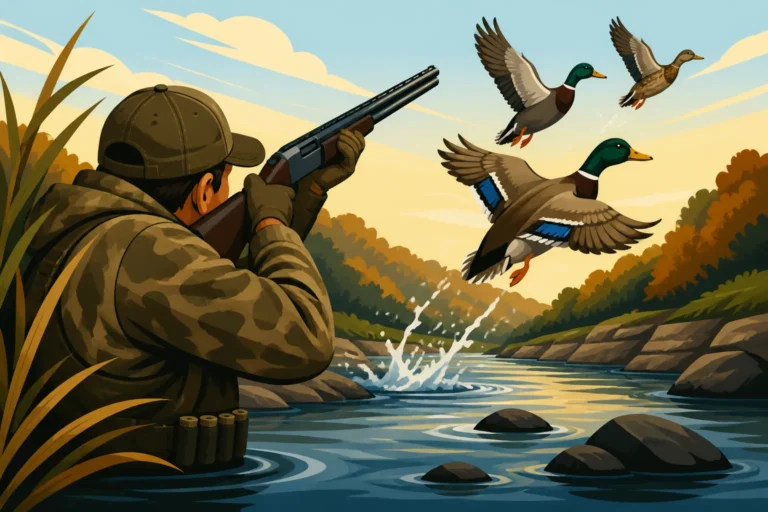
There's nothing quite like the sight and sound of a flock of mallards dropping through the canopy, wings whistling, to land among the trees in front of your decoy spread. The flooded timber provides ducks with food, shelter, and a sense of security that open water simply can't match. For hunters, it offers an intimate, close-quarters experience that feels primal and deeply satisfying. You're not just calling across a vast field; you're often engaging ducks at spitting distance, watching every move they make as they commit.
However, this unique environment also presents significant challenges. Navigation can be a nightmare, with countless submerged stumps, logs, and a confusing maze of trees that look identical after the first bend. The water levels, especially on the Kentucky side, can fluctuate dramatically based on rainfall and dam operations, turning a productive spot into a dry expanse or an impassable deluge overnight. This variability means that what worked last week might be completely useless today. It takes dedication, a good understanding of the area, and often, a little bit of luck to consistently find success. This isn't your typical layout blind hunt in a cut cornfield; it demands a different kind of expertise.
Water Levels and Their Impact on Duck Movement
Water levels are the single most critical factor when hunting flooded timber at LBL. They dictate everything from access to prime hunting areas to where ducks will choose to feed and rest. Generally, higher water levels, often seen after significant rainfall or controlled releases from the dams, will open up more timbered areas. This can be a blessing and a curse. More accessible timber means more potential hiding spots for ducks, but also more hunting pressure spread across a wider area. Conversely, lower water levels might concentrate ducks into fewer, deeper pockets, but could also make many timber holes completely inaccessible by boat or even by foot.
Monitoring the lake levels for both Kentucky Lake and Lake Barkley is absolutely essential. Many seasoned LBL timber hunters will check the Tennessee Valley Authority (TVA) or Army Corps of Engineers websites daily, sometimes even multiple times a day, to track changes. A rising or falling trend can signal whether ducks will be moving further back into the woods for fresh food sources, or pulling out to larger, more open water as conditions change. Remember, ducks are always looking for the easiest food source and the safest resting area. As water creeps into new sections of timber, it makes fresh acorns and invertebrate life suddenly available, drawing birds like a magnet.
Key Species and Their Preferred Habitats within the Timber
While LBL attracts a wide variety of waterfowl, the primary targets in the flooded timber are almost always mallards and wood ducks. These species are perfectly adapted to the timber environment and often represent the bulk of a hunter's bag.
- Mallards: The iconic greenhead is a timber duck through and through. They are primarily dabblers, meaning they feed by tipping up in shallow water to reach submerged vegetation and invertebrates. In the timber, they feast on acorns, pecans, and various aquatic insects and larvae. They prefer areas with good mast production, especially mature oak stands. When water levels are high, mallards will push far back into the woods, seeking out these food-rich areas that offer quiet seclusion.
- Wood Ducks: Beautiful and incredibly fast, wood ducks are often the first birds to show up in the timber, especially during early season hunts. They are cavity nesters and prefer areas with older, larger trees that provide suitable roosting and nesting holes. Their diet is similar to mallards, heavily relying on acorns, seeds, and insects found in shallow, calm waters. They are particularly fond of tight, brushy areas within the timber, where they feel secure.
While less common, you might also encounter gadwalls, black ducks, and even a few teal in the timber, especially in more open pockets or along the fringes. But for the serious LBL timber hunter, understanding the mallard and wood duck, their habits, and their preferred habitats is key to consistent success. Scouting for acorn crops before the season begins is invaluable, as ducks will often gravitate to areas where food is most abundant.
Essential Gear and Preparation for LBL Flooded Timber
Hunting Land Between the Lakes' flooded timber is a specialized pursuit that requires specific gear to ensure both success and safety. You can't just show up with your field spread; the unique environment demands careful planning and investment in the right tools.
Watercraft and Navigation in the Maze
Forget about your big blind boat; flooded timber demands a more nimble approach. Small, shallow-draft watercraft are absolutely essential. Think canoes, kayaks, or a lightweight jon boat (10-14 feet) powered by a quiet electric trolling motor. In many areas of LBL, internal combustion engines might be restricted or simply impractical due to the tight quarters and submerged obstacles. A good paddle or, even better, a stout push pole, is non-negotiable for silently maneuvering through dense timber and over hidden stumps where even an electric motor might snag. You'll thank yourself for having one when your prop inevitably gets tangled in submerged brush.
Navigation is another beast entirely. The timber can be incredibly disorienting, especially in low light or fog. A reliable GPS unit or a robust mapping app on your smartphone, like what you find with GoHunt, is your best friend. Download offline maps before you go, as cell service can be spotty in the deeper woods. Mark your entry point, potential hunting spots, and any known hazards. Trust me, getting lost in the LBL timber before dawn or after sunset is an experience you want to avoid. You can find detailed maps of the area through resources like the Kentucky Hunt Fish App, which is invaluable for scouting and navigation.
Staying Dry and Warm: Waders and Layering
You're going to get wet. It's not a matter of "if," but "when" and "how much." That's why high-quality, insulated chest waders are arguably the most critical piece of clothing you'll own for flooded timber hunting. Investing in good waders, perhaps even considering options discussed in Chest Waders Versus Hip Boots for Flooded Timber, that are puncture-resistant and comfortable for long periods of wading and sitting is paramount. Leaky waders in November or December are a recipe for hypothermia and a miserable hunt.
Layering is equally important. Start with a moisture-wicking base layer, add insulating layers like fleece or wool, and top it off with a waterproof and windproof outer shell in a suitable camouflage pattern. Don't forget insulated gloves, a warm hat, and waterproof boot covers (if your waders don't have integrated boots) to keep your extremities warm. The temperatures in Kentucky can swing wildly, and being prepared for cold, wet conditions will make your hunt far more enjoyable and safe. Remember, you'll be sitting still for long periods, so over-dressing slightly is often better than under-dressing. For more details on this, check out our guide on Waders for Flooded Timber Hunting.
Decoys, Calls, and Shotguns for Close Quarters
Your decoy spread for flooded timber will differ significantly from open-water setups. You don't need hundreds of blocks. A dozen to two dozen natural-looking mallard and wood duck decoys, perhaps with a few feeder butts or uprights, are usually plenty. Keep your spread tight and natural, mimicking small groups of ducks feeding in the timber. A jerk string can add vital motion to your spread, making your decoys appear more lifelike. Remember, ducks are often coming in low through the trees, so an exaggerated, massive spread can look unnatural and alarm them.
For calls, subtlety is often key. While you might use aggressive calling on open water, flooded timber calls usually benefit from a softer, more contented approach. A good mallard call for soft clucks, quacks, and feeding chatter is essential. Don't forget a wood duck whistle, as these birds are often present and highly responsive to their own unique sound. As for your shotgun, anything from a 12-gauge to a 20-gauge will work just fine. Pattern your gun with the non-toxic shot you intend to use, as lead shot is prohibited for waterfowl hunting. Federal law, and Kentucky regulations, dictate that Nontoxic Shot Is Required in Kentucky for all waterfowl. Steel shot in sizes #2, #3, or #4 is generally effective, or consider heavier-than-lead options like Bismuth or Tungsten Super Shot (TSS) for increased range and knockdown power, especially through dense tree limbs.
Tactics for Success in LBL's Flooded Timber
Hunting flooded timber at LBL requires a thoughtful approach, focusing on understanding duck behavior, effective concealment, and calling techniques tailored to the unique environment. It's a game of patience and precision.
Scouting and Identifying Key Roosting and Feeding Areas
The old adage "you can't shoot 'em if you don't find 'em" holds particularly true for flooded timber. Pre-season scouting is absolutely critical. Before the season opens, when water levels are lower, walk the timber. Look for areas with abundant mast crops like acorns and pecans. Identify old duck sign: droppings on logs, shed feathers, and "water lines" on trees indicating consistent water levels. Note potential roosting areas (often thick, quiet pockets) and feeding flats. Utilize mapping tools, like the GoHunt app or the Kentucky Department of Fish and Wildlife Resources' own mapping features, to mark these spots. Take notes on tree types, water depths, and potential access routes.
Once the water rises and the season begins, continue scouting. Spend time observing duck flight patterns at dawn and dusk. Are they flying deep into the timber, or holding closer to the main lake? Which areas are seeing the most activity? Pay attention to wind direction, as ducks will almost always land into the wind, influencing your setup. Understanding Duck Migration Timing Through Kentucky can also give you an edge, as different species arrive at different times throughout the fall and winter. The more time you spend in the woods, even without a gun, the better your chances of encountering birds when it matters. If you're near a bottomland slough, understanding how to read it for morning flights will be crucial, as covered in Reading a Bottomland Slough for a Morning Flight.
Setting Up Your Spread and Hiding Effectively
Effective concealment is paramount in flooded timber. Ducks are often flying low and slow through the trees, offering them ample opportunity to spot anything unnatural. Instead of bringing elaborate blinds, focus on using the natural environment to your advantage. Huddle up against a large tree, position yourself in a clump of brush, or even use a small, portable ground blind tucked into dense cover. The goal is to break up your silhouette completely.
Your decoy spread should be small, natural, and realistic. Think small pods of 3-6 decoys, positioned to look like ducks loafing and feeding. Leave plenty of open landing zones. Ducks in the timber don't typically want to land in the thickest part; they're looking for open water where they can easily drop in. Position your decoys where the light is best and where ducks will have a clear flight path into the hole. Consider adding a few motion decoys, like spinning wing decoys or jerk strings, if regulations allow and conditions warrant. These can be incredibly effective at grabbing attention in the broken light of the timber. Unlike Layout Blind Hunting a Cut Cornfield where visibility is key, in flooded timber, you want to melt into the surroundings.
Calling Strategies for Timber Ducks
As mentioned earlier, timber calling usually favors subtlety. Aggressive, loud calling can often flare ducks in the close confines of the woods. Start soft and gauge the birds' reaction. Use contented feeding chatter, soft greeting calls, and clucks. Mallard hens talking to each other as they feed are the sounds you want to emulate. When birds are working, use a single quack or cluck to turn their heads, then go quiet and let them come.
Wood duck whistles are highly effective for drawing in woodies. A series of soft, rapid whistles can often coax a shy flock into range. Don't be afraid to mix in some excited squeals once they commit, but always be ready to shut up if they start to get wary. The key is to sound natural and confident, but not overly aggressive. Sometimes, silence is the best call of all, especially if ducks are already heading your way. Practice your calling, but more importantly, practice listening to how real ducks communicate in the timber.
Specifics for Hunting Land Between the Lakes Waterfowl
Hunting Land Between the Lakes Waterfowl carries its own set of rules and nuances that every hunter must understand. LBL is a federally managed area, and while it's generally open to public hunting, there can be specific unit regulations, permit requirements, or restrictions on certain activities, especially for waterfowl. Always check the current year's LBL hunting guide, available on their official website, in addition to the Kentucky Department of Fish and Wildlife Resources (KDFWR) regulations.
Some areas within LBL might have "walk-in only" access, or specific restrictions on boat types or motor sizes to minimize disturbance and preserve the habitat. Pay close attention to these details, as violations can lead to hefty fines and loss of hunting privileges. The benefit of hunting LBL is the sheer scale of public access, but that also means you'll likely encounter other hunters. Being respectful, giving others space, and practicing good hunting etiquette are essential for everyone to enjoy the resource. Familiarize yourself with Kentucky's general Kentucky Waterfowl Zones and Seasons as LBL falls within these broader guidelines.
Safety Considerations and Regulations
Venturing into the flooded timber at Land Between the Lakes is an adventure, but it’s one that absolutely requires a strong focus on safety and adherence to all regulations. Overlooking these aspects can quickly turn a memorable hunt into a dangerous ordeal or a legal headache.
Navigating Hazards and Staying Safe
The very nature of flooded timber makes it inherently hazardous. The water is often shallow, murky, and filled with submerged obstacles – stumps, fallen trees, and hidden logs that can easily capsize a small boat or cause a nasty fall while wading. Always wear a life vest, regardless of how experienced a boater or wader you are. Cold water immersion is a real and deadly threat in the late season. If you fall in, hypothermia can set in quickly. Make sure your waders are in good condition, and always inform someone of your hunting plans, including your exact location and expected return time. A buddy system is highly recommended; hunting with a partner provides an extra layer of safety.
Beyond physical hazards, there's the risk of getting lost. As we discussed, the timber can be disorienting. A reliable GPS or mapping app is crucial, but also carry a compass and know how to use it as a backup. Visibility can be severely reduced by fog, heavy rain, or even just the dense canopy. Always carry a waterproof bag with emergency supplies: a first-aid kit, a headlamp with extra batteries, a whistle, and a fully charged cell phone (though don't rely on it for navigation or emergency calls in remote areas). Remember, you're often far from immediate help when you're deep in the LBL timber.
Understanding LBL-Specific Waterfowl Regulations
While LBL is in Kentucky, it’s a federally managed area, meaning you need to be aware of both federal and state waterfowl regulations. On the Kentucky side, you'll need a valid Kentucky hunting license, a Kentucky migratory bird-waterfowl permit, and a federal duck stamp. You also need to be HIP certified, which is explained further in our guide on Kentucky HIP Certification for Bird Hunters. These are baseline requirements for waterfowl hunting anywhere in the state. Don't forget, you can learn more about license costs in our comprehensive article on Kentucky Hunting Licenses and What They Cost.
Beyond these, LBL might have specific regulations regarding hunting hours, motor size restrictions in certain areas, or even designated hunting zones. Always consult the most current LBL hunting regulations brochure, which you can usually find online or at local ranger stations. Be mindful of the Kentucky Duck Zone Boundaries as well, which impact season dates and bag limits. If you cross into the Tennessee side of LBL, you'll need a Tennessee hunting license and waterfowl permits, plus a federal duck stamp. Never assume regulations are the same across state lines, even within the same federal recreation area. Finally, remember that Waterfowl Hunting Kentucky Lakes and Rivers will have general rules that apply here.
Respecting the Resource and Other Hunters
LBL is a shared resource, and ethical hunting practices are paramount. Always adhere to bag limits and shooting hours. If you harvest a bird, retrieve it promptly and ethically. Leave no trace behind; pack out all your trash, including spent shotgun shells, and any broken decoys. Be mindful of your noise level, especially when approaching or leaving a hunting area, to avoid disturbing other hunters.
Hunting pressure can be a factor in popular areas of LBL. If you arrive at a spot and see another hunter already set up, respect their space and move on. There's plenty of timber to go around if you're willing to explore. Building good relationships with fellow hunters, sharing information (within reason), and fostering a sense of community ultimately benefits everyone and helps preserve the quality of the hunting experience for years to come.
| Item | Purpose | Key Considerations |
|---|---|---|
| Watercraft | Access and mobility | Canoe, kayak, or small jon boat; electric motor, push pole |
| Waders | Staying dry and warm | Insulated chest waders, puncture-resistant, good fit |
| Layering | Thermal regulation | Moisture-wicking base, insulating mid-layers, waterproof outer |
| GPS/Mapping App | Navigation and scouting | Offline maps, marked waypoints, reliable battery life |
| Decoys | Attracting ducks | 1-2 dozen natural mallard/wood duck, tight spread, motion optional |
| Calls | Communicating with ducks | Mallard call (soft), wood duck whistle, subtle approach |
| Shotgun | Effective harvest | 12- or 20-gauge, patterned with non-toxic shot (#2, #3, #4 steel) |
| Life Vest | Personal safety | USCG approved, worn at all times on water |
| Emergency Kit | Preparedness | First-aid, headlamp, whistle, waterproof bag |
| KDFWR Licenses | Legal compliance | KY hunting license, KY waterfowl permit, federal duck stamp, HIP cert |
Disclaimer
The information provided in this guide is for general informational purposes only and is not intended to be legal advice or a substitute for official hunting regulations. Hunting laws and regulations in Kentucky and at Land Between the Lakes can change frequently. It is the responsibility of every hunter to consult the most current Kentucky Department of Fish and Wildlife Resources regulations and any specific Land Between the Lakes directives before heading afield. Always prioritize safety and ethical hunting practices.