Waders for Flooded Timber Hunting
Few things will suck the joy out of a Kentucky duck hunt faster than cold, wet feet and soaking clothes when you're wading into icy flooded timber before dawn. It's a miserable experience that turns a thrilling morning into a test of endurance, and it’s a problem many waterfowlers face. This guide is all about helping you understand the world of waders, ensuring you stay warm, dry, and focused on the birds, not your discomfort, when you're deep in those bottomland woods.
The Imperative of Waders in Kentucky's Flooded Timber
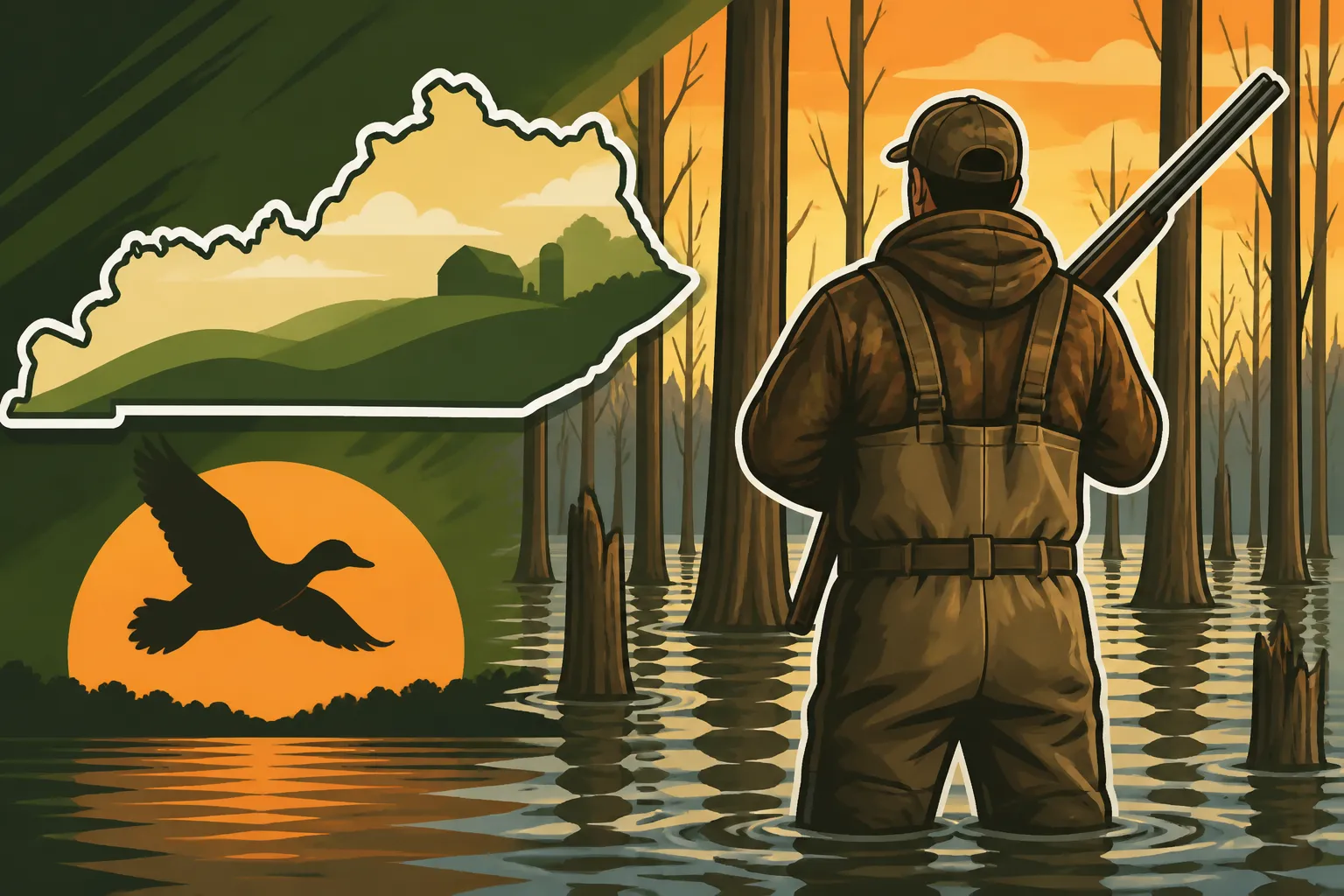
Hunting flooded timber in Kentucky is an iconic experience, but it’s far from a dry affair. From the vast expanses of the Mississippi River bottomlands to the smaller, more secluded creek bottoms, hunters are often navigating water that can range from ankle-deep puddles to waist-deep sloughs. Without the right gear, specifically a reliable pair of waders, you’re not just risking discomfort – you’re risking your safety and the success of your hunt.
Why Dry Feet Are More Than Just Comfort
Let's be honest: no one wants to be cold and wet. But in the demanding environment of flooded timber, staying dry goes far beyond simple comfort. Imagine sloshing through frigid water, the kind that numbs your toes in minutes, long before the first hint of daylight. If your waders fail, or if you skimp on quality, that momentary chill can quickly escalate into a serious threat. Hypothermia isn't just a concern for extreme mountaineers; it can strike in surprisingly mild conditions, especially when you're stationary for hours in cold water. Your core body temperature drops, your muscles start to shiver uncontrollably, and your ability to make sound decisions diminishes.
Beyond the serious health risks, discomfort directly impacts your hunting performance. It's hard to stay still, quiet, and focused on incoming mallards when your teeth are chattering and your feet feel like blocks of ice. You'll be more prone to fidgeting, making noise, and ultimately, spooking birds. A good pair of waders allows you to forget about the cold and wet, freeing your mind to concentrate on the flight, the calls, and the shot placement, which is exactly what you want when you've invested time and effort into scouting and setting up.
The Unique Challenges of Kentucky's Flooded Woods
Kentucky's flooded timber presents its own particular set of obstacles that demand robust wader protection. First, the water levels can be incredibly unpredictable. What might be shallow, knee-deep water one day could be waist-deep the next, thanks to heavy rains or river fluctuations. You need waders that offer ample coverage for those unexpected deep pockets. Navigating through submerged trees, stumps, and thick underbrush means constantly brushing against abrasive surfaces and potentially sharp branches. Inferior wader materials will quickly succumb to punctures and tears, turning your hunting paradise into a cold, leaky misery.
Then there's the mud. Oh, the glorious, soul-sucking mud of Kentucky's bottomlands! It's thick, sticky, and can suction onto your boots with surprising force. Good waders need boots that can handle this, providing stability without bogging you down. Furthermore, you're not just dealing with cold water; you're often setting decoys, placing marsh seats, or retrieving birds, which means bending, kneeling, and constant movement. Your waders need to be flexible enough to allow for all these actions without restricting your mobility or causing premature wear in stress points. Whether you're hunting the expansive backwaters of the Ohio River or smaller sloughs, the terrain is unforgiving, and your waders must be up to the task. If you're planning a trip to Hunting Land Between the Lakes Flooded Timber, for instance, be prepared for some serious slogging.
Deciphering Wader Types for Waterfowlers
When you start looking at waders, you'll quickly realize there's a whole world of options. Understanding the basic types is the first step in narrowing down what will work best for your Kentucky flooded timber adventures. Each style has its pros and cons, designed for different depths, temperatures, and activities.
Chest Waders: The Go-To for Most Scenarios
For the vast majority of Kentucky waterfowlers tackling flooded timber, chest waders are the undisputed champion. They offer the most comprehensive protection, extending up to your chest, ensuring you stay dry even when navigating unexpectedly deep channels or retrieving a downed bird from a hidden pothole. This full coverage is critical when you consider the fluctuating water levels common in river bottoms and agricultural fields during the hunting season. You might start in ankle-deep water, but after a short walk or a shift in the river current, you could find yourself wading much deeper.
Chest waders provide essential insulation for colder hunts. The extra material covering your torso acts as an additional barrier against the biting wind and frigid water, helping to maintain your core body temperature. They're also versatile enough for almost any waterfowling scenario, from setting decoys in a shallow marsh to navigating a flooded cornfield or hunkering down in a blind. The confidence that comes from knowing you're fully protected allows you to hunt more aggressively and effectively. While perhaps a bit bulkier than other options, the peace of mind and superior protection they offer make them the absolute standard for serious timber hunters. We've even discussed the specifics of Chest Waders Versus Hip Boots for Flooded Timber in another piece, highlighting just how much ground chest waders cover.
Hip Boots vs. Pant Waders: Niche Uses
While chest waders dominate, there are specific, more niche situations where hip boots or pant waders might come into play. Hip boots, which extend only to the top of your thighs, are lightweight and incredibly easy to get on and off. They're excellent for very shallow water scenarios, like crossing a small creek to access a field, or for quick retrieves in areas where you know the water won't exceed knee-height. If you're primarily hunting from a boat or blind and only need to step out for a few quick tasks in minimal water, hip boots can be a convenient choice. However, their limited coverage is their main drawback. One misstep, one slightly deeper hole, or a quick current, and you'll find yourself soaked, which can be disastrous on a cold morning. They offer very little in the way of insulation for your core, making them less suitable for prolonged exposure to cold temperatures.
Pant waders, sometimes called waist waders, strike a middle ground, covering you up to your waist. They offer more protection than hip boots but less than chest waders, providing a little more flexibility and less bulk around your upper body. They can be a decent option for early-season hunts when water is consistently shallow and temperatures are milder, or for hunters who find chest waders too restrictive. But similar to hip boots, they carry the risk of overtopping if you encounter deeper water. For the truly variable and often deep conditions of Kentucky's flooded timber, both hip boots and pant waders often fall short of providing the necessary confidence and protection. They simply don't have the margin for error that chest waders provide when you're pushing through unpredictable environments.
Bootfoot vs. Stockingfoot: The Footwear Dilemma
Once you decide on chest waders, your next big choice is how the "foot" part is constructed: bootfoot or stockingfoot. Each design has distinct advantages and disadvantages that will impact your comfort, stability, and overall hunting experience.
Bootfoot waders have the boots permanently attached to the wader legs. This means there's no need for separate wading boots, simplifying your gear list. They are incredibly easy to slip on and off, which is a huge plus when you're trying to get dressed in the pre-dawn darkness. The integrated boot often provides a fair amount of insulation, and because there are fewer seams and connection points, there's less chance of leakage at the ankle. For hunters who do a lot of static hunting from a blind or who don't have to walk long distances to their spot, bootfoots are often preferred for their convenience and warmth. However, a major drawback is that you're stuck with whatever boot the wader comes with. If the fit isn't perfect, or the tread isn't ideal for the slick, muddy bottoms of Kentucky's timber, you're out of luck. They can also be bulkier and heavier for longer walks.
Stockingfoot waders, on the other hand, have neoprene "socks" or booties at the end of the wader legs, and you wear separate wading boots over them. This system offers superior customization and comfort. You can choose wading boots that perfectly fit your feet, provide the specific ankle support you need for uneven terrain, and have the best traction for navigating slippery logs and deep mud. This modularity means that if your wading boots wear out, you can replace them without replacing the entire wader. It also often allows for a more athletic, less bulky feel, which can be a huge advantage for hunters who have to cover significant distances on foot to reach their hunting spots. The downside is the added cost and hassle of purchasing and carrying separate wading boots. There's also a potential for more cold spots if your wading boots aren't insulated well, and a minor risk of debris getting between the bootie and the boot. For serious timber hunters who prioritize comfort, fit, and specialized traction for long, demanding walks into the swamp, stockingfoot waders paired with high-quality wading boots are often the preferred choice.
| Wader Type | Pros | Cons | Ideal Use Case |
|---|---|---|---|
| Bootfoot Chest Wader | Easy on/off, integrated insulation, less leak points | Less customizable boot fit, can be bulky, heavier for walks | Stationary hunting, short walks, extreme cold |
| Stockingfoot Chest Wader | Customizable boot fit, better ankle support/traction, less bulky | Requires separate wading boots, potential for more cold spots | Long walks, active hunting, varied terrain, warm weather layering |
| Hip Boots | Lightweight, very easy on/off, good for quick retrieves | Limited coverage, little core insulation, high overtop risk | Very shallow water, quick retrieves from boat/blind |
| Pant Waders | More coverage than hip boots, less bulky than chest | Still risk of overtop in deeper water, less core insulation | Milder temps, consistently shallow water, highly active |
Essential Features for Optimal Performance
Beyond the basic type, the devil is truly in the details when it comes to waders for flooded timber. Specific features can make or break your experience, impacting everything from your warmth and dryness to your ability to carry essential gear. Skimping on these can lead to frustration and a shortened lifespan for your waders.
Material Matters: Durability and Warmth
The material your waders are made from is perhaps the most critical factor after the overall design. You're looking for a delicate balance of durability, warmth, and breathability, all while considering the rough conditions of Kentucky's timber.
Neoprene has long been the traditional choice for cold-weather waterfowl hunting. It's essentially a type of rubber foam, and its primary benefit is its excellent insulating properties. Neoprene traps a layer of warm water against your skin, even if the wader itself gets wet, helping to prevent heat loss. It's also incredibly durable and resistant to punctures, making it a good choice for pushing through thick brush and navigating around submerged stumps. The thicker the neoprene (typically measured in millimeters, like 3.5mm or 5mm), the warmer it will be. However, neoprene has its downsides: it's bulky, heavy, and does not breathe well. This means on warmer days or during strenuous activity, you can quickly overheat and sweat profusely, leading to clamminess inside.
Breathable laminates, such as GORE-TEX, Toray, or various proprietary fabrics, have revolutionized wader technology. These materials are designed with microscopic pores that are large enough to allow water vapor (sweat) to escape but small enough to prevent liquid water from coming in. This breathability is a game-changer for active hunters or those hunting in milder temperatures, as it helps to manage internal condensation and keep you dry from the inside out. Breathable waders are typically much lighter and less bulky than neoprene, offering greater mobility. The warmth comes entirely from your layering underneath, making them highly versatile for different temperatures. The trade-off is often in inherent durability against punctures compared to thick neoprene, though advancements in fabric technology are constantly improving this. Many top-tier brands now offer specialized rip-stop or reinforced breathable fabrics designed specifically for the abuses of hunting.
For Kentucky's variable weather and rugged timber, you might find yourself choosing between these two or even looking for a hybrid. If you're almost exclusively hunting late-season, bitter cold, stationary days, neoprene is hard to beat for warmth. If you're covering a lot of ground, hunting in early fall, or just prone to sweating, breathable waders with appropriate layering are the superior choice.
Seam Construction and Waterproofing
A wader is only as good as its seams. This might sound obvious, but it's where most wader failures occur. No matter how tough the fabric, if the seams aren't meticulously constructed, you'll end up with leaks. When you're wading through freezing water, a leaking seam can turn your hunt into pure misery.
Look for waders that feature welded seams or stitched and taped seams. Welded seams, often used in breathable waders, fuse the fabric layers together, creating a virtually impenetrable barrier. This eliminates the need for needle holes that can compromise waterproofing. For stitched seams, the process typically involves double or even triple stitching, followed by a waterproof tape applied to the inside of the seam. This tape seals off the tiny holes made by the stitching needle, providing a robust, watertight barrier. The quality of this taping and the adhesive used are paramount. It's not uncommon for cheaper waders to develop leaks at the seams as the tape degrades or peels over time.
Before buying, pay close attention to stress points like the crotch, knees, and ankle areas. These are the zones that experience the most movement, stretching, and abrasion. Reputable brands will often reinforce these areas with extra layers of fabric or more robust seam construction. Don't underestimate the importance of quality seam construction; it's the invisible hero of any good wader and directly determines how long your waders will keep you dry.
Storage and Convenience Features
While core waterproofing and durability are non-negotiable, thoughtful storage and convenience features can significantly enhance your hunting experience in the timber. These are the small touches that make a big difference when you're bundled up and focused on the hunt.
Handwarmer pockets are an absolute must. Cold hands lose dexterity quickly, making it tough to handle calls, load shells, or even operate your firearm safely. Fleece-lined, waterproof handwarmer pockets positioned at chest height provide a quick refuge for chilly fingers. Often, these pockets will have a pass-through design, allowing you to warm both hands simultaneously without fumbling.
Shell loops or secure shell pockets keep your ammunition readily accessible and organized. Fumbling for shells in a deep backpack pocket when a flock is cupping in is a frustrating and often missed opportunity. Similarly, D-rings or accessory attachment points are invaluable for clipping on calls, lanyards, or other small tools you want to keep within easy reach. An internal zippered pocket is great for storing your phone, license, or truck keys, keeping them dry and secure from accidental drops in the water.
Some waders even incorporate features like knee pads, which are a godsend when you're kneeling in the mud or on submerged logs to stay hidden. Others have chest pockets with magnetic closures for quick, silent access. When you're considering a brand like GoHunt for gear reviews, pay attention to how these practical features are highlighted. These aren't just luxuries; they're features that contribute to comfort, efficiency, and safety, making your time in Kentucky's flooded timber much more enjoyable and productive.
Material Deep Dive: Matching Waders to Your Hunt
Let's dig a bit deeper into the materials themselves, as truly understanding their properties will help you make the best decision for your specific hunting style and the conditions you expect to face in Kentucky.
Neoprene: The Traditional Warmth Provider
Neoprene waders are the old reliable choice, and for good reason. Their inherent insulation comes from the tiny closed cells within the foam rubber, which trap air and prevent heat transfer. This is why even if you get water inside a small leak, the neoprene still provides some warmth. They are available in various thicknesses, with 3.5mm being a good all-around choice for moderate to cold weather, and 5mm neoprene offering maximum warmth for the coldest, late-season hunts when temperatures plummet and you're mostly static.
The durability of neoprene is also a significant selling point. It's quite puncture-resistant, able to withstand thorns, briars, and abrasive contact with submerged timber far better than thinner, breathable fabrics. This robust nature makes them a favorite for hunters who are constantly pushing through dense cover. However, this toughness comes with a cost: bulk and weight. Moving through the timber can feel like a workout, and long walks can be exhausting. The lack of breathability also means that on warmer days or during periods of high exertion, sweat can accumulate inside, leaving you feeling clammy and, paradoxically, cold once you stop moving. If you're committed to hunting through January's bitter cold, and your walk to the blind is short, 5mm neoprene could be your best friend. But for early season or if you're Still-Hunting Eastern Kentucky Ridges before wading, it might be overkill.
Breathable Waders: For Active Hunters and Milder Days
Breathable waders represent the cutting edge of wader technology. Fabrics like GORE-TEX, Toray, and various other proprietary materials use advanced membrane technology to allow water vapor (sweat) to escape while preventing liquid water from entering. This keeps you drier from the inside out, drastically reducing that clammy feeling associated with neoprene. The real beauty of breathable waders lies in their versatility. Their lightweight and less bulky construction makes them incredibly comfortable for long walks to your hunting spot, for actively setting decoys, or for run-and-gun tactics.
Since breathable waders offer very little inherent insulation, you control your warmth entirely through layering. This means you can adjust your insulation based on the temperature, your activity level, and the specific day's conditions. On a mild early-season hunt, you might wear only a light base layer. For a frigid late-season hunt, you'd layer up with heavy fleece pants and thermal underwear. This adaptability makes breathable waders a popular choice for hunters who experience a wide range of temperatures throughout the season or who prioritize mobility and comfort during strenuous activity. While modern breathable fabrics are increasingly durable, they generally don't offer the same level of puncture resistance as thick neoprene, so care is still needed when navigating truly thorny terrain. Brands like Sitka, LaCrosse, and Drake offer excellent breathable wader options built for the rigors of waterfowl hunting.
Hybrid Designs: Blending the Best of Both Worlds
Recognizing the strengths and weaknesses of both neoprene and breathable materials, many manufacturers have started to offer hybrid wader designs. These waders attempt to combine the best features of both worlds, often by using a more durable, insulating material in high-wear or cold-sensitive areas, and a breathable material where ventilation is most critical.
A common hybrid approach is to use a breathable fabric for the upper body and upper legs, where mobility and sweat management are key, but reinforce the lower legs, seat, and knee areas with a tougher, more insulated material like neoprene or a heavy-duty, abrasion-resistant fabric. This provides warmth and protection where it's most needed, especially when sitting or kneeling in cold water, while still offering the comfort and breathability of lighter materials for active movement. Some designs might use thicker, more durable fabric on the shins and knees to resist punctures from submerged sticks and sharp objects. These hybrid waders are becoming increasingly popular for Kentucky waterfowlers who need a versatile solution that can handle both the cold, stationary waits and the active, slogging walks through diverse flooded timber conditions, offering a balanced approach to comfort, durability, and performance.
Wader Care and Longevity: Protecting Your Investment
Waders are a significant investment, and like any other piece of critical hunting gear, they require proper care to ensure they last. Neglecting your waders can lead to premature leaks, material degradation, and ultimately, having to replace them sooner than necessary.
Cleaning and Drying: Preventing Mildew and Leaks
The most crucial aspect of wader care is proper cleaning and, especially, thorough drying. After every hunt, especially if you've been in muddy or murky water, take the time to rinse your waders off, both inside and out. Use a gentle stream of water to remove all mud, grit, and debris. Pay particular attention to the boots, getting into all the crevices of the tread. Allowing mud and grime to dry on the fabric can accelerate wear and tear, and it can harbor bacteria that lead to odors and mildew.
Once rinsed, the real work begins: drying. This is where most waders are unknowingly damaged. Never store waders wet or even damp. Mildew and mold will quickly grow, especially on neoprene or in the linings of breathable waders, causing an awful smell and, more importantly, breaking down the fabric and seam tape over time. Hang your waders upside down to allow water to drain from the boots, then turn them right side out. Use a wide hanger to allow air circulation. You might need to turn them inside out to ensure the interior dries completely, which can take longer. Avoid direct heat sources like radiators or direct sunlight, as excessive heat can damage the waterproof membranes and glues, leading to seam failure. A cool, dry, well-ventilated area is ideal. It might take a day or two for them to fully dry, but this patience will pay dividends in wader longevity.
Repairing Minor Damage: DIY Fixes
Even with the best care, accidents happen. A sharp stick, a forgotten piece of barbed wire, or an abrasive rock can lead to a minor puncture or tear. Don't despair! Many minor wader leaks can be effectively repaired at home, saving you the cost of a new pair.
For small punctures in breathable waders, a specialized wader repair kit is your best friend. These kits typically include patches (often a self-adhesive, flexible material like Tenacious Tape) and a tube of seam sealant or aqua seal. To find a leak, you can turn the wader inside out, spray the suspected area with rubbing alcohol (which will darken at the leak point), or fill the wader with air and spray the outside with soapy water – bubbles will form at the leak. Once located, clean the area thoroughly, apply the patch according to instructions, and often, a dab of seam sealant over the patch will provide extra security. For neoprene waders, a neoprene cement or patch kit designed for wetsuits works similarly, bonding to the rubber material to create a watertight seal.
It's important to differentiate between minor repairs and major blowouts. A small puncture is fixable; a large tear along a seam or a completely separated boot might be beyond reasonable DIY repair. Knowing when to patch and when to call it quits is part of being a seasoned waterfowler.
Storage Strategies for the Off-Season
When the season winds down, proper off-season storage is essential for preserving your waders. Don't just toss them in a pile in the corner of your garage. This can lead to creases that become weak points, attraction for rodents, and general degradation of the materials.
First and foremost, ensure your waders are absolutely, unequivocally dry and clean, both inside and out. Any lingering moisture or dirt will cause problems. Next, hang them properly. A wide, sturdy hanger designed for waders or heavy garments will prevent creases and keep the material from folding tightly, which can stress seams and membranes. Some hunters even use specialized wader trees that allow them to hang upright, preventing creasing in the boot area. Store them in a cool, dry place away from direct sunlight, extreme temperature fluctuations, and any chemical fumes that could degrade the materials. Keeping them in a rodent-proof container or bag can also prevent unwelcome surprises when you pull them out next season. By treating your waders with respect during the off-season, you're ensuring they'll be ready to perform when those first cold fronts of fall start pushing ducks into Kentucky's timber.
Beyond Waders: Complementary Gear for Flooded Timber
While waders are undoubtedly the cornerstone of your flooded timber attire, they're part of a larger system. To truly maximize your comfort, safety, and effectiveness, you need to think about the gear that complements your waders, enhancing your overall setup.
Boots for Stockingfoot Waders: Traction and Support
If you've opted for stockingfoot waders, your choice of wading boots is just as critical as the waders themselves. These aren't just any old boots; they need to provide exceptional traction and ankle support to navigate the treacherous, uneven terrain of flooded timber. Imagine trying to walk over slick, moss-covered logs or through deep, sticky mud with inadequate footwear – it’s a recipe for a twisted ankle or a faceplant in frigid water.
Look for wading boots specifically designed for hunting or heavy-duty outdoor use. They should have aggressive, self-cleaning rubber outsoles that shed mud easily and provide purchase on slippery surfaces. Some boots feature felt soles, which are excellent on wet rocks but can be slick on mud and are often prohibited in some states due to the risk of transferring invasive species (always check Kentucky's current regulations). For timber, a robust rubber lug sole is typically the best bet. Ankle support is paramount, as you'll be stepping over submerged obstacles and sinking into uneven ground. Consider boots that lace up high and offer a snug fit without being too tight. Good drainage is also a plus, allowing water to escape quickly when you step out of the deepest sections. Brands like Simms, Orvis, and Chota make dedicated wading boots that are often adopted by waterfowlers for their superior performance in demanding water conditions.
Layering Underneath: The Key to Staying Warm
Even the warmest waders won't keep you truly comfortable if you're not layering correctly underneath. This is especially true for breathable waders, which rely entirely on your internal insulation. The golden rule for layering in cold, wet environments is to avoid cotton at all costs. Cotton absorbs moisture (sweat) and holds it against your skin, rapidly drawing away body heat and making you feel cold, even when it's not exposed to the outside elements.
Start with a moisture-wicking base layer made from synthetic materials or Merino wool. This layer sits directly against your skin and is designed to pull sweat away from your body, moving it to outer layers where it can evaporate. Next, add an insulating layer, such as fleece pants or heavier wool thermals. This layer traps warm air, providing the bulk of your warmth. On truly frigid days, you might even consider a second, thicker insulating layer. The beauty of layering is its adaptability: you can shed or add layers as the temperature changes or as your activity level fluctuates. For example, you might wear fewer layers during a long walk to your spot to avoid sweating, then add a layer once you’re stationary in the blind. Remember, staying dry from the inside is just as important as staying dry from the outside.
Decoy Bags, Marsh Seats, and Other Necessities
Once you're geared up in your waders and layers, there are a few other items that are absolutely essential for a successful and comfortable flooded timber hunt.
A good decoy bag is invaluable. Carrying a dozen or more decoys through thick, flooded timber can be a nightmare without one. Look for a large, mesh or quick-draining bag with comfortable shoulder straps that distributes the weight evenly. Some bags are designed to be worn like a backpack, leaving your hands free to navigate. When it comes to setting up in the timber, a marsh seat or specialized hunting stool is a game-changer. There's nothing worse than standing for hours in freezing water, or trying to squat uncomfortably behind a tree. A sturdy, portable seat allows you to rest, remain still, and stay concealed, making you a much more patient and effective hunter.
Other vital items include a reliable headlamp with a red light option (to preserve night vision and avoid spooking birds), a waterproof blind bag for calls, shells, snacks, and a thermos of hot coffee. Consider a strong game strap or a Dog Vests for Cold Water Retrieves if you're hunting with a canine companion. For those really hard-to-reach spots or for getting across deeper sloughs, a Marsh Boats and Push Poles might even be on your gear list. When researching these items, using resources like GoHunt can help you find reviews and comparisons that match your specific needs for Kentucky's diverse waterfowl habitat. Thinking holistically about your gear, from your waders down to the smallest accessory, will ensure you're fully prepared for whatever those flooded timber woods throw your way.
Disclaimer
This article is for general informational purposes only and does not constitute professional advice. Laws, prices and regulations vary by location and change over time. Consult a qualified professional for guidance on your specific situation.