Trail Cameras on Kentucky Public Land
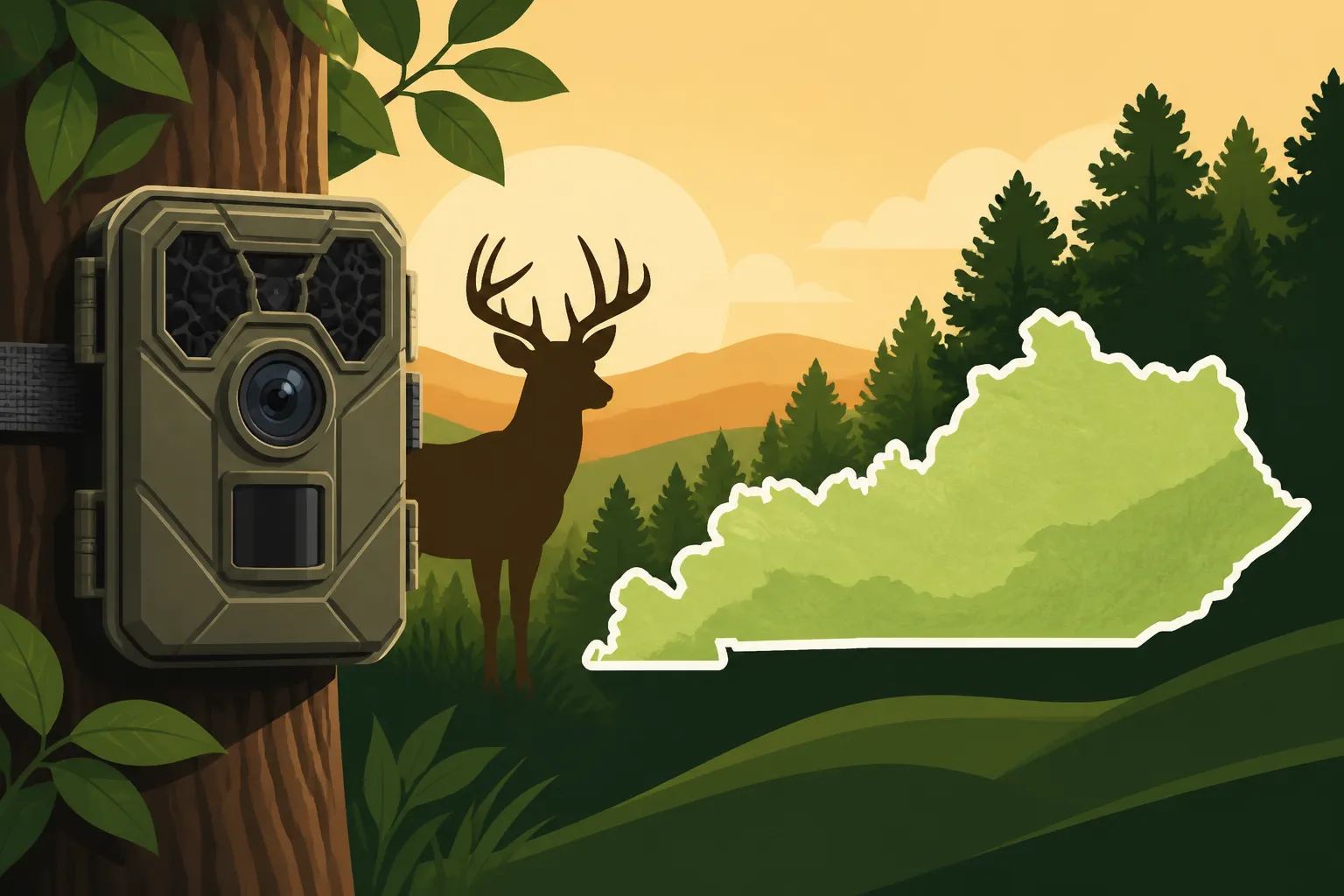
We all want that edge, don't we? That little bit of extra intel that tells us when and where deer are moving on public land. Trail cameras offer a fantastic glimpse into the secret lives of whitetails, but the thought of hanging one on public ground can be daunting, filled with worries about theft, rules, and impacting other hunters. This guide is here to walk you through the ins and outs of using trail cameras legally, ethically, and effectively on Kentucky's public hunting lands.
Understanding Kentucky's Rules on Trail Cameras
Navigating the regulations for trail cameras on public land in Kentucky can feel a bit like trying to find a hidden spring in the middle of Daniel Boone National Forest – you know it's there, but finding the exact spot and understanding its flow can be tricky. It's not always a clear-cut "yes" or "no," but rather a landscape of guidelines designed to ensure fair chase, public access, and minimize impact. You really need to know the official stance before you even think about screwing a camera to a tree.
General Regulations for Public Land
The Kentucky Department of Fish and Wildlife Resources (KDFWR) has specific regulations regarding what you can and cannot do on public lands, including Wildlife Management Areas (WMAs) and state forests. When it comes to trail cameras, the general consensus is that they are often permitted, but with important caveats. The biggest one typically revolves around property modification and leaving unattended personal property. You can’t just clear-cut a shooting lane or nail a feeder to a tree, for instance. A trail camera, in essence, is considered personal property. This means you need to be mindful of how long it stays out, whether it interferes with other users, and if it's causing any damage to the natural environment. While the KDFWR generally allows cameras, they usually stress that the property is left at the owner's risk. If it's stolen or damaged, there's little recourse. It’s always a smart move to double-check the specific rules for the WMA or public tract you plan to hunt, as some areas might have stricter local ordinances or specific permits required for certain activities.
Respecting Other Hunters and Ethical Considerations
Beyond the letter of the law, there's the unspoken code of conduct among hunters, especially on shared public land. Putting up a trail camera isn't just about what's legal; it's also about what's respectful and ethical. Imagine walking into your hard-earned honey hole only to find a camera staring back at you. It can feel like an invasion of privacy, even if it's just for deer. For this reason, many hunters choose to place cameras in less obvious spots, avoiding well-used trails or known bedding areas that others might also be targeting. Consider the impact your camera might have on another hunter's experience. If you're scouting for a particular buck, remember that others might be doing the same. It's about finding that balance between gathering your own intel and maintaining a sense of camaraderie in the woods. Plus, actively monitoring a specific spot for an extended period could be seen as "claiming" a spot, which generally isn't in the spirit of public land hunting. Hunting Pressure on Kentucky Public Land is a real factor, and adding a camera can sometimes exacerbate feelings of encroachment.
Placement Strategies for Public Land Cameras
So, you've decided to put a camera out. Now comes the strategic part: where to put it? On public land, this isn't just about finding a good deer trail; it's about balancing optimal scouting with minimizing the risk of theft and respecting the shared resource. This requires a different mindset than setting up on your own private ground.
Choosing Secure and Discreet Locations
The unfortunate reality of public land is that anything left unattended is at risk. This means your camera placement needs to be as much about security as it is about capturing deer movement. Think about spots that are off the beaten path, away from main hiking trails, logging roads, or easily accessible parking areas. Deep hollows, obscure bench cuts, or thick regrowth stands that require a bit of a hike to reach are often better bets than the edge of a food plot right off a gravel road. You want a location that a casual hiker or less dedicated hunter isn't likely to stumble upon. Sometimes, positioning a camera high up on a tree, angled down, can make it less noticeable to passersby and harder to reach without specialized equipment. Camouflage is your friend here too; make sure the camera blends in with the bark or surrounding foliage. If you're going deep into the woods, tools like GoHunt can help you identify remote pockets of public land that might see less foot traffic, giving your camera a better chance of going unnoticed.
Maximizing Scouting Potential While Minimizing Impact
Once you've factored in security, you can focus on maximizing the scouting potential. On public land, you're often looking for those subtle clues that reveal where deer are traveling, feeding, and bedding, especially in areas with significant pressure. Instead of just placing a camera on a well-worn trail (which might also be a human trail), look for pinch points, subtle funnels between two hollows, or secondary trails that lead to less obvious food sources. A camera placed near a water source in a dry spell or a secluded white oak dropping acorns can provide invaluable data. Where to Hang a Camera on a Logging Road is a good read, but remember that main logging roads see more human traffic. Consider how far into a clear-cut or thicket you're willing to venture. The deeper you go, the less likely human interference, but also the more effort to retrieve cards. It's a trade-off. By focusing on less obvious deer patterns and utilizing mapping tools like those offered by GoHunt to identify natural travel corridors and habitat changes, you can gather crucial information without overtly marking a high-traffic area.
Camera Types and Security Measures for Public Use
Investing in a trail camera for public land scouting means thinking differently about your gear. It’s not just about picture quality; it’s about durability, discretion, and defense against potential theft. You’re essentially deploying a small piece of surveillance equipment in an uncontrolled environment.
Features to Look for in a Public Land Camera
When selecting a camera for public ground, prioritize a few key features. No-glow infrared flash is almost a must. Cameras that emit a visible red glow when taking pictures at night are easily spotted in the dark, signaling their presence to anyone walking by. A true "blackout" or "no-glow" flash will be invisible to the human eye, making the camera much harder to detect. Robust housing is also important. While no camera is theft-proof, a heavier, sturdier build can deter opportunistic thieves who might otherwise easily snap a cheaper plastic model off a tree. Look for models that have a reinforced casing or those specifically designed to be used with security boxes. Long battery life is another critical factor. The less you have to visit your camera to change batteries or retrieve an SD card, the less you disturb the area and the less chance you have of being seen tending to it. Cameras that can operate for weeks or even months on a single set of batteries or an external power source are ideal for remote public land sets. Crossbow Versus Vertical Bow in Kentucky has different gear considerations, but the principle of choosing durable, reliable equipment is the same.
Physical Security and Theft Prevention
Once you have your camera, securing it is paramount. A security box made of steel or heavy-duty plastic, combined with a Python lock cable, is your best defense. These cables can cinch tight around a tree and through the camera's security box, making it much more difficult for someone to simply unstrap and walk away with your valuable equipment. While a determined thief with bolt cutters could still get it, these measures will deter most casual opportunists. Another trick is to use a bear box or an even more robust metal enclosure if you're in an area with a known black bear population; bears are curious and can destroy cameras quickly. Consider a desensitized camera color, meaning one that blends seamlessly with tree bark or shadows, rather than a bright green or camo pattern that stands out. Marking your camera with your contact information (name and phone number) can also be a good idea. While it won't prevent theft, it might aid in recovery if it's found by an honest person. Remember, the goal isn't just to catch deer on camera, but to ensure your camera stays put to continue doing its job.
Ethical Usage and Minimizing Your Footprint
Hunting public land is about sharing the resource, and that extends to how we manage our scouting tools. Being a responsible trail camera user goes beyond following the rules; it’s about leaving the woods as undisturbed as possible for everyone, including the wildlife.
Minimizing Disturbance and Leaving No Trace
Every time you visit your camera, you're leaving a scent, making noise, and creating a path. On public land, this disturbance can be magnified, potentially alerting deer to your presence and even alerting other hunters to a spot you're trying to keep quiet. Plan your camera checks strategically. Group multiple camera checks into one trip if possible. Try to approach your camera from a different direction each time, or use a less direct route, especially if you're checking a camera close to a bedding area or a prime rutting funnel. Wear clean clothes and scent-control sprays, just as you would when hunting. Retrieve your SD cards and change batteries as quickly and quietly as possible. The goal is to be a ghost in the woods. When the season is over, or if you decide to move a camera, take everything with you. No broken straps, no zip ties, no trash. Leaving anything behind pollutes the environment and disrespects the land and future users. Think about Shed Hunting on Kentucky Public Land – the goal there is to find what nature has left behind, not add to it.
Cellular Versus Standard Cameras on Public Land
The choice between a standard SD card camera and a cellular camera brings up different sets of ethical considerations and practicalities for public land.
Standard SD Card Cameras:
These are the traditional trail cameras that store images and videos on an SD card, requiring you to physically visit the camera to retrieve the data.
- Pros: Generally less expensive up front, no monthly service fees, and often simpler to operate. They don't require cellular service to function, making them viable in remote areas where signals are weak. Because you have to visit them, they force you to become intimately familiar with the terrain and subtle changes.
- Cons: Requires physical visits, which increases human presence and disturbance in your hunting area. If your camera is deep in the Daniel Boone National Forest Hunting area, those visits can be quite a hike. Retrieval trips risk leaving scent, making noise, and increasing the chance of another hunter discovering your spot. They are also more susceptible to theft, as the thief knows they will gain access to your intel, not just the camera itself.
- Ethical Considerations: The main ethical concern is the frequency of visits and the disturbance you cause. If you're checking a camera every few days, you might be doing more harm than good by pushing deer out of the area or making them nocturnal.
Cellular Cameras:
These cameras transmit images directly to your phone or computer via a cellular network, allowing for remote monitoring.
- Pros: Significantly reduces human presence at the camera site, as you don't need to visit to retrieve photos. This means less disturbance to deer and less chance of revealing your spot to other hunters. They offer real-time intel, allowing you to react quickly to deer movement patterns. If you're in an Elk Restoration Zone scouting for a highly sought-after permit, real-time data can be a game-changer.
- Cons: Higher upfront cost, ongoing monthly service fees, and dependent on cellular signal, which can be spotty in many remote public land areas across Kentucky's hills and hollows. If the signal drops, your camera effectively becomes a standard SD card camera. They are also just as susceptible to theft, and potentially more attractive to thieves due to their higher value.
- Ethical Considerations: While they reduce physical disturbance, some argue that real-time monitoring can give an unfair advantage, especially when it comes to patterning specific animals or reacting to immediate movement during the season. There's also the risk of becoming detached from the actual scouting process, relying solely on digital feeds rather than boots-on-the-ground observation. Furthermore, if a cellular camera is stolen, you're not just losing the camera, but potentially an active subscription plan, adding to the financial sting.
The choice ultimately depends on your budget, the remoteness of your chosen hunting area, and your personal approach to scouting and ethics. No matter which you choose, vigilance and respect for the land and fellow hunters are paramount.
Disclaimer
This article is for general informational purposes only and does not constitute professional advice. Laws, prices and regulations vary by location and change over time. Consult a qualified professional for guidance on your specific situation.