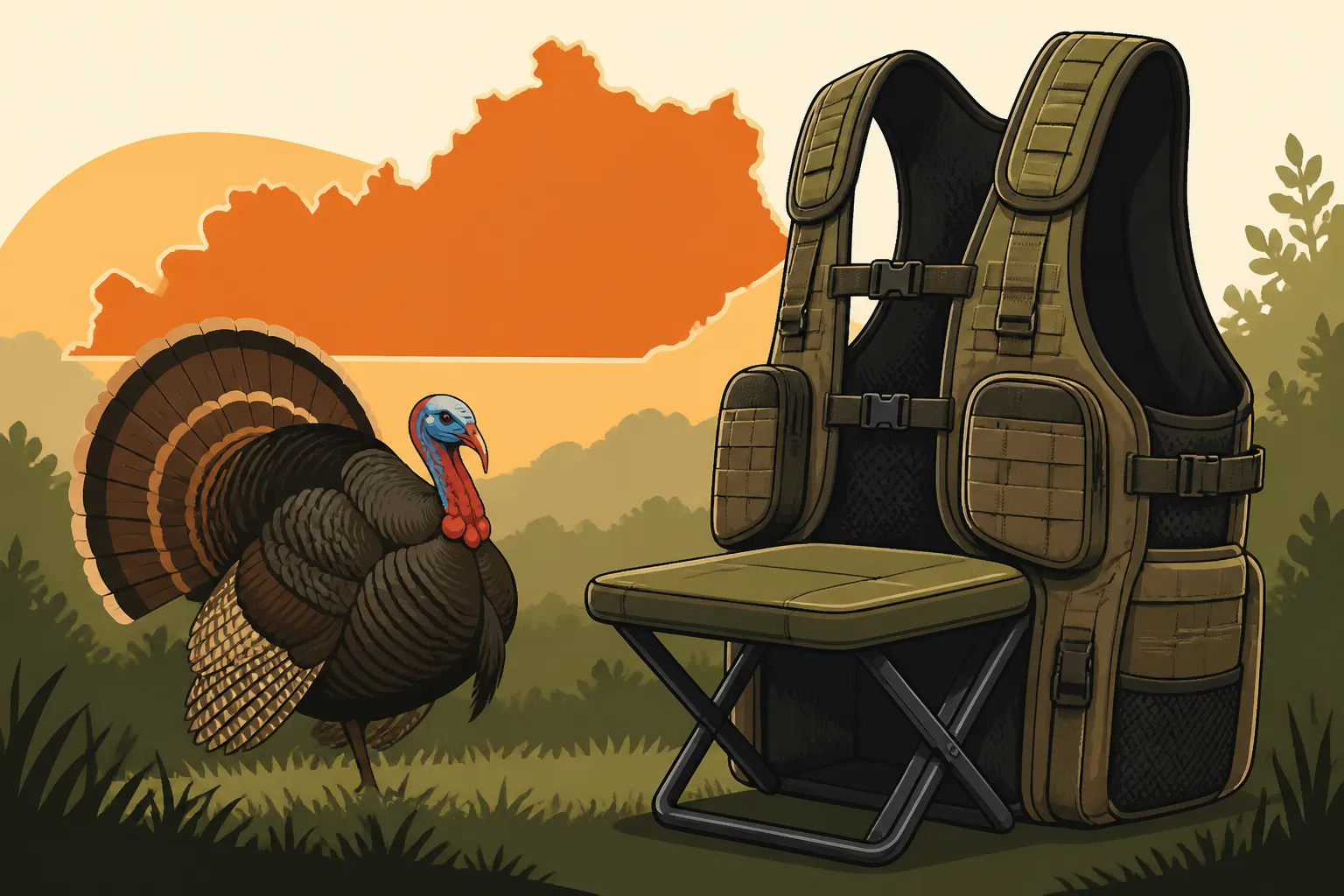
Turkey Vests With a Kickstand Seat
Nothing puts a damper on a spring turkey hunt quite like trying to sit still and silent for hours, only to realize your back is screaming and your rear end is numb from sitting directly on cold, damp ground or an uncomfortable, flimsy seat. It makes focusing on that faint gobble or tracking a strutting tom nearly impossible. This guide is all about equipping you with the knowledge to choose the perfect turkey vest with a kickstand seat, ensuring you stay comfortable, concealed, and ready for action in the Kentucky woods.
Why a Kickstand Seat is a Game-Changer for Kentucky Turkey Hunters
Let's be honest, Kentucky's turkey hunting often means long sits, whether you're calling from a field edge in the Bluegrass or tucked into thick timber in the mountains. The traditional turkey vest with just a thin foam pad just doesn't cut it when you're trying to outlast a wary gobbler. That's where the kickstand seat comes into its own, transforming your hunting experience from a painful endurance test into a genuinely comfortable wait.
Comfort for Extended Sits in Diverse Terrain
Imagine this: you've set up perfectly on a ridge overlooking a beautiful Kentucky hollow. You've heard a gobbler fire up, and you know he's working his way in. But as the minutes tick by, your lower back starts aching, your knees feel stiff, and you're constantly shifting, risking spooking that incoming tom. A kickstand seat eliminates this constant discomfort. It provides genuine back support and elevates you off the ground, which is a massive relief, especially when you're trying to hold still for what feels like an eternity. Whether you're leaning against a big oak or trying to disappear into some thick brush, the added support allows you to maintain focus on the hunt, not on your aching body. This kind of comfort means you can sit longer, be more patient, and ultimately, be more effective.
Stealth and Stability for the Shot
When that gobbler finally steps into view, the last thing you want is to be fumbling to get into shooting position or to have your entire setup wobble. Kickstand vests are designed to offer a stable platform. The rigid frame and adjustable legs create a firm base, allowing you to settle in, shoulder your shotgun, and make a steady, confident shot. Think about those tricky situations on uneven ground or a slight incline – a regular vest offers little stability, leading to awkward positions. A kickstand vest, however, helps you plant yourself securely, providing a consistent anchor point. This stability is crucial for ensuring accuracy, particularly when adrenaline is pumping, and the moment of truth arrives. It also minimizes unnecessary movement, which is critical when a gobbler has spotted your general vicinity and is looking for anything out of place. This applies whether you're working a bird aggressively with Run-and-Gun Turkey Tactics on Public Land or patiently waiting it out.
Staying Dry and Concealed
Kentucky's spring weather can be unpredictable. One minute it's sunny, the next a pop-up shower rolls through, leaving the ground damp, if not outright muddy. Sitting directly on wet ground is not only uncomfortable but can lead to being cold and miserable, shortening your hunt. A kickstand seat elevates you, keeping your backside dry and insulated from the cold, wet earth. This small detail makes a huge difference in maintaining your comfort and body temperature throughout the day. Furthermore, the built-in frame of many kickstand vests can help create a more consistent profile, allowing you to blend more effectively into your surroundings. By staying slightly elevated and supported, you avoid slouching or fidgeting, presenting a more natural and less detectable silhouette to sharp-eyed turkeys. It's a key part of your overall strategy, especially when perfecting your setup like Setting Up Against a Big Oak.
Key Features to Look For in a Kickstand Turkey Vest
Not all kickstand vests are created equal, and knowing what features truly matter can save you a lot of buyer's remorse. When you're investing in a piece of gear that's going to be with you for countless hours in the woods, you want it to perform. Pay attention to the details, because those small differences can make a huge impact on your hunting comfort and success.
Frame Construction and Adjustability
The heart of any kickstand vest is its frame. You're looking for a robust, lightweight frame that can withstand the rigors of the woods. Aluminum or composite materials are common, striking a good balance between durability and portability. A flimsy frame will quickly become a liability, bending or breaking when you need it most. Beyond strength, consider adjustability. Can the legs be easily extended or retracted to accommodate uneven ground? Are there locking mechanisms that secure the legs firmly in place without slippage? Some vests offer independent leg adjustments, which is a blessing when trying to level yourself on a steep hillside or over roots. The ability to quickly and quietly deploy and retract the kickstand is paramount. You don't want to be wrestling with a noisy mechanism when a gobbler is within earshot. When researching models, platforms like GoHunt can be invaluable for comparing different frame designs and reading user reviews on their practical performance in the field.
Seating Comfort and Material
Just because it has a kickstand doesn't mean the seat itself will be comfortable. Look for a generous, well-padded seat that offers sufficient cushioning. Memory foam or multi-density foam inserts are often superior to basic foam pads, providing better support and reducing pressure points during long waits. The material covering the seat also matters. It should be durable, quiet, and water-resistant. Many vests use tough Cordura or similar fabrics that can stand up to abrasion from rough ground and shed light rain. A seat that is too small or too thin will negate many of the benefits of the kickstand. Think about your body size and how much real estate you need to be truly comfortable for hours.
Storage and Organization
A turkey vest is more than just a seat; it's your mobile command center. Ample and intelligently designed storage is non-negotiable. You'll be carrying a lot of specialized gear: calls, strikers, locator calls, snacks, water, gloves, facemask, decoy, and more. Look for a variety of pockets—zippered, magnetic, and open-top—for different items. Dedicated pockets for slate calls, box calls, and strikers are a huge plus, often lined to prevent noise and damage. A large game bag on the back is essential for carrying out your gobbler, ensuring it's properly ventilated. Hydration pockets for a water bladder are also a smart addition for those warmer spring days. Consider how easily you can access items without making unnecessary noise or movement. Magnetic closures are often preferred for quick, silent access to calls. A well-organized vest means you're not fumbling around when that crucial moment arrives. Think about what's in your current Turkey Gear for a Kentucky Spring setup and ensure the vest can accommodate it all efficiently.
Weight and Portability
While a kickstand vest offers great comfort, it does come with a trade-off in weight compared to a minimalist vest. However, advancements in materials mean many models are surprisingly light for the features they offer. You'll be walking, sometimes significant distances, especially if you're exploring Scouting Kentucky Public Land Before Season or accessing remote areas. Pay attention to the overall weight of the vest when empty. Also, consider how it carries when loaded. Padded shoulder straps and a waist belt can significantly distribute the load, making it feel lighter and more comfortable over long treks. The vest should fit snugly without restricting movement, allowing you to quickly navigate dense cover. Test how easily it packs down or compresses if you need to stash it in a larger pack for a deep woods hike.
| Feature Area | Ideal Characteristics | Benefits for Kentucky Hunting |
|---|---|---|
| Frame Construction | Lightweight aluminum/composite, robust, independent leg adjustment, quick/quiet deployment | Durability, stability on uneven terrain (e.g., Eastern KY ridges), silent setup |
| Seating Comfort | Generous size, multi-density foam, durable/quiet/water-resistant fabric | Reduces fatigue on long sits, keeps hunter dry, enhances stealth |
| Storage & Organization | Dedicated call pockets (lined), zippered/magnetic closures, large game bag, hydration pouch | Quick, silent access to calls, secure gear transport, ample capacity for harvest |
| Weight & Portability | Under 8 lbs (empty), padded shoulder/waist straps, ergonomic design | Less fatigue on long walks to remote spots, comfortable carry when loaded |
| Noise Reduction | Silent fabrics, magnetic closures, quiet zippers, minimal loose components | Prevents spooking wary gobblers, critical in close quarters |
Choosing the Right Kickstand Vest for Your Hunting Style
Every turkey hunter has a unique approach, influenced by the terrain they hunt, their preferred tactics, and even their physical build. What works for one person might not be the best fit for another. When it comes to kickstand vests, understanding your personal hunting style is key to making the right choice.
Run-and-Gun vs. Static Setup
Are you the type of hunter who loves to cover ground, Calling a Kentucky Gobbler Off the Roost and then quickly relocating if he doesn't respond? Or do you prefer to find a hot spot, set up, and patiently wait for a bird to commit? Your primary hunting style will heavily influence your ideal kickstand vest.
-
Run-and-Gun Hunters: If you're constantly on the move, covering miles in a single day, weight and quick deployability are paramount. You'll want a vest with a lighter frame that doesn't feel cumbersome. Look for kickstands that deploy and retract almost instantaneously with minimal effort and noise. Simpler storage layouts that allow for fast access to your most-used calls are also beneficial. You might sacrifice a bit of plush cushioning for overall agility. Consider how easily you can shed or put on the vest if you need to cross a fence or navigate dense briars. GoHunt's user reviews can be particularly helpful here, as mobile hunters often share insights on specific vest models' agility and ease of use in dynamic situations.
-
Static/Patient Hunters: For those who prefer to settle into a prime location and wait, perhaps after Roost Hunting Kentucky Gobblers or patterning a flock, comfort becomes the absolute priority. You can afford a slightly heavier vest if it means superior padding, more elaborate back support, and a broader, more comfortable seat. Look for vests with advanced lumbar support systems and extra-thick cushioning. Storage, while still important, might lean more towards organization for a wider array of calls and accessories that you'll have time to access methodically. Stability on uneven ground and robust, long-lasting construction will also be key.
Terrain and Accessibility Considerations
Kentucky offers an incredible diversity of landscapes, from the rolling hills of the Bluegrass to the rugged, steep terrain of the Daniel Boone National Forest and the flat river bottoms of Western Kentucky. Your hunting grounds should dictate some aspects of your vest choice.
-
Mountainous/Hilly Terrain: If you're often climbing steep grades or setting up on uneven slopes, a vest with independently adjustable kickstand legs is a godsend. This allows you to level your seat even when the ground isn't cooperating, providing much-needed stability and comfort. Durability is also critical here, as the frame will undoubtedly encounter rocks, roots, and abrasive surfaces. Reading a Ridge for Cumberland Deer can be tough enough; you don't need your gear fighting you too.
-
Flatlands/Bottomlands: In flatter areas, such as the river bottoms or open fields, the independent leg adjustment might be less critical, but overall seat height could be. If you're setting up along a fencerow or Setting Up on a Western Kentucky Field Edge, a slightly higher seat might give you a better line of sight or allow you to blend more effectively into standing cover. Water resistance becomes even more important here, as these areas tend to be wetter and muddier, especially in spring.
Your Personal Build and Preference
Finally, remember that gear is personal. What feels comfortable to one hunter might not to another.
-
Body Size and Weight: Ensure the vest's frame and seat are appropriately sized for your build. A vest that's too small will be uncomfortable and ineffective, while one that's too large could be cumbersome. Pay attention to weight ratings if the manufacturer provides them.
-
Preferred Call Type: While most vests have general pockets, some are designed with specific call types in mind. If you're a devout box call user, ensure there's a quiet, secure pocket for it. If you prefer multiple slate calls, look for dedicated, lined slots. Turkey Calls Worth Carrying in Kentucky are varied, so your vest should accommodate your favorites.
-
Trial and Error: If possible, try on different vests, even if it's just in a store. Load it up with your typical gear to get a feel for the weight and balance. Simulate sitting in it. This hands-on approach can often reveal comfort issues or practical inconveniences that you wouldn't discover by just looking at pictures online. Don't be afraid to read online reviews from fellow hunters, especially those who share similar hunting styles or hunt in similar environments to get their candid thoughts before making a decision.
Maintenance and Care for Your Kickstand Vest
A quality kickstand turkey vest is an investment, and like any good piece of hunting gear, it needs proper care to ensure it lasts season after season. Neglecting your vest can lead to premature wear, malfunctions, and unexpected issues in the field that could derail a hunt. A little bit of attention goes a long way in keeping your vest in prime condition for every Spring Turkey Hunting in Kentucky adventure.
Post-Hunt Cleaning and Inspection
After each hunt, especially those wet or muddy ones, don't just toss your vest in the corner. Take a few minutes to clean and inspect it.
-
Cleaning Fabrics: Use a damp cloth to wipe down any mud, dirt, or debris from the fabric. For stubborn stains, a mild soap and water solution can be used, but always check the manufacturer's care instructions first to avoid damaging any waterproofing or scent-masking treatments. Let it air dry completely in a well-ventilated area, away from direct sunlight, to prevent mildew growth. Never put your vest in a washing machine or dryer unless explicitly stated by the manufacturer.
-
Frame and Hardware: Pay close attention to the kickstand frame and any buckles, zippers, or other hardware. Wipe down the metal or composite frame to remove dirt and moisture. Check for any signs of rust on metal components, and if you find any, treat it with a light application of rust preventative. Ensure all buckles snap securely, and zippers operate smoothly. If a zipper is stiff, a tiny bit of graphite or specialized zipper lubricant can help, but again, be cautious not to get it on the fabric where it might leave a scent.
-
Padding and Seat: Inspect the seat and back padding for any tears, compressions, or excessive wear. If the padding is removable, take it out and clean it separately if needed. Ensuring the padding is in good shape is crucial for continued comfort.
Storage Between Seasons
How you store your vest during the off-season is just as important as post-hunt cleaning. Improper storage can lead to material degradation, rust, or pest damage.
-
Clean and Dry: Before long-term storage, ensure your vest is absolutely clean and bone dry. Any residual moisture is an invitation for mildew, which not only smells terrible but can ruin the fabric.
-
Pest Protection: Store your vest in a secure location where it's protected from rodents and insects. A sturdy plastic tote with a lid, or a dedicated gear locker, is ideal. Adding a few cedar blocks or scent-free desiccants can help absorb moisture and deter pests.
-
Avoid Extreme Temperatures: Don't store your vest in an attic where temperatures can soar in summer, or in a shed where it might freeze solid in winter. Extreme temperature fluctuations can degrade materials over time. A climate-controlled closet or basement is usually best.
-
Hang or Lay Flat: If possible, hang the vest on a wide, sturdy hanger to maintain its shape, especially if it has a rigid frame. If hanging isn't feasible, lay it flat to avoid creasing or compressing the padding in awkward ways.
Addressing Common Issues
Even with the best care, sometimes issues pop up. Knowing how to troubleshoot can save you from having to replace your vest prematurely.
-
Sticking Kickstand Legs: If the kickstand legs become difficult to extend or retract, first ensure they are clean and free of debris. A small amount of silicone spray (choose an outdoor/hunting-safe, scent-free variety) applied sparingly to the sliding mechanisms can often resolve the issue. Avoid oil-based lubricants, as they can attract dirt.
-
Fading or Weakening Fabric: Over time, exposure to UV light and the elements can cause fabric to fade or weaken. While not entirely preventable, proper storage away from direct sunlight helps. For minor tears, a fabric repair kit designed for outdoor gear can patch holes and extend the vest's life.
-
Squeaks and Noises: A squeaky frame or hardware can be a nightmare in the turkey woods. Identify the source of the noise. Sometimes, it's a loose bolt that needs tightening (check all frame connections). Other times, it might be friction between two parts. A small piece of scent-free felt tape or athletic tape strategically placed can often silence bothersome squeaks without impacting functionality.
By following these simple care and maintenance steps, your kickstand turkey vest will be a reliable companion for many Kentucky turkey seasons to come, ready for whatever those cunning gobblers throw your way.
Disclaimer
This article is for general informational purposes only and does not constitute professional advice. Laws, prices and regulations vary by location and change over time. Consult a qualified professional for guidance on your specific situation.