Hunting a Green Field Planted for Deer
Kentucky deer hunting strategies for green fields explain seasonal movement, forage types, and daylight patterns to improve success.
Close the distance.
Archery, muzzleloader, and firearm techniques — calling, stand placement, still-hunting, spot-and-stalk, and the weapon rules that change at the state line.
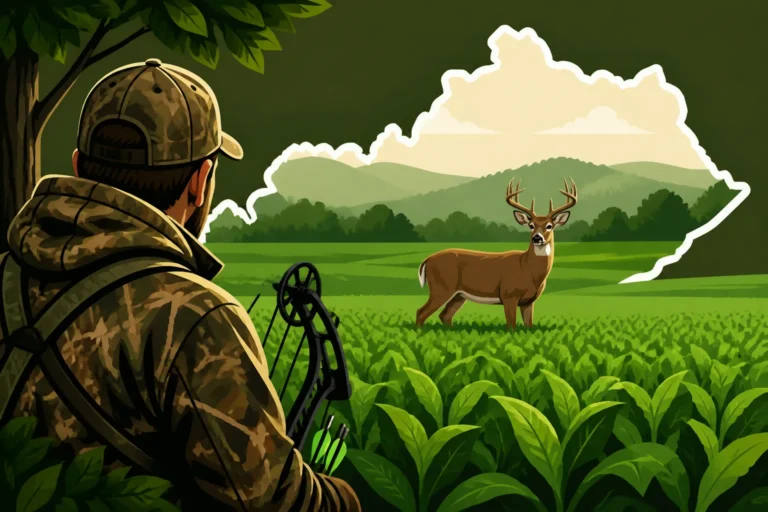
Kentucky deer hunting strategies for green fields explain seasonal movement, forage types, and daylight patterns to improve success.
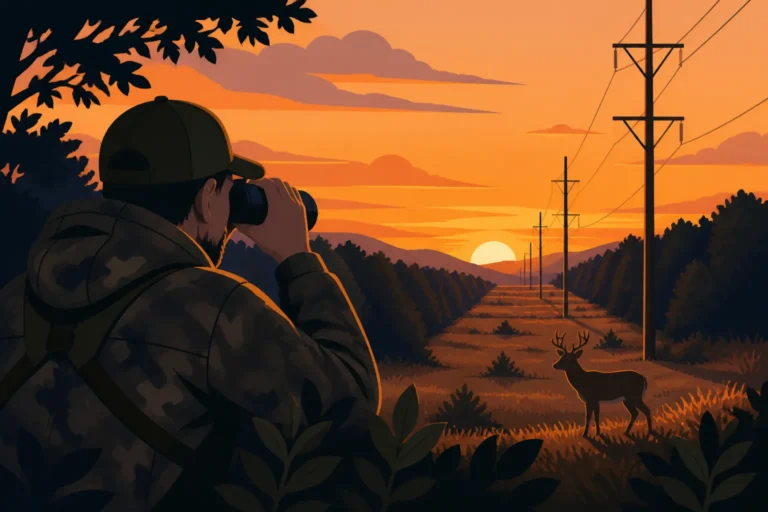
Kentucky powerline cuts act as deer magnets during the last hour of daylight, offering travel corridors and food sources.
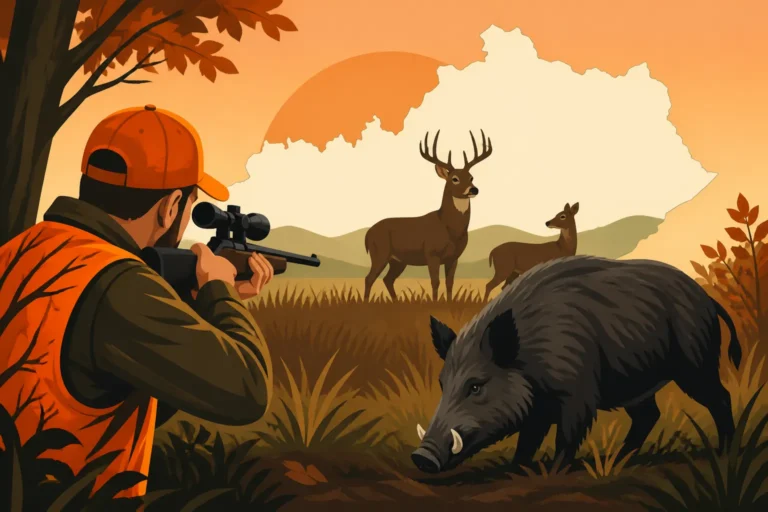
Kentucky wild hog regulations, bag limits, and unprotected species rules for deer hunters encountering feral swine.
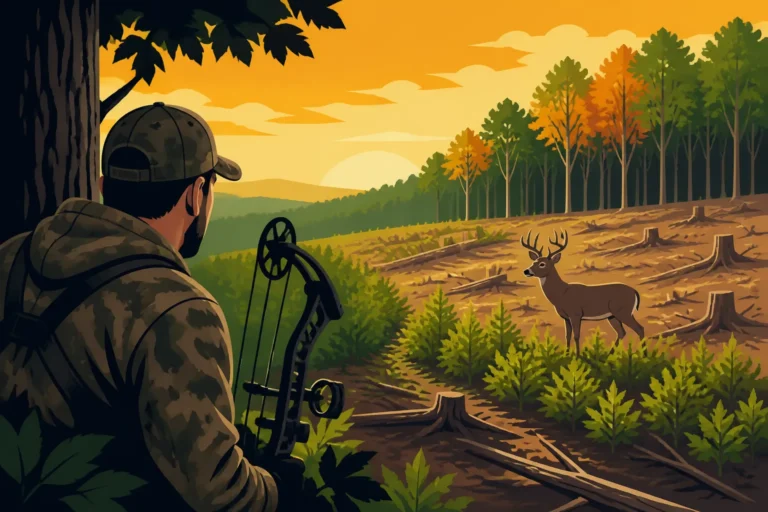
Kentucky clear-cut regrowth edges provide whitetail deer food and cover, offering hunters strategies to scout and locate trophy bucks.
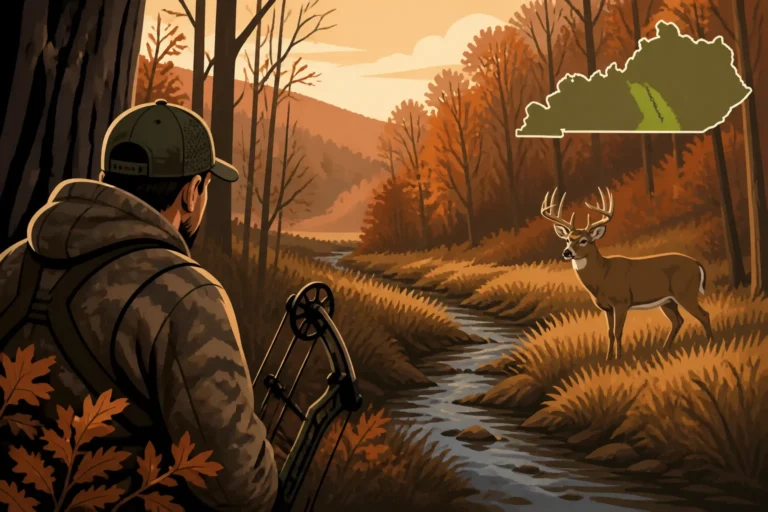
Late-season deer in Kentucky can seem to vanish after the rut, yet creek bottoms are overlooked and consistently productive when temperatures drop.
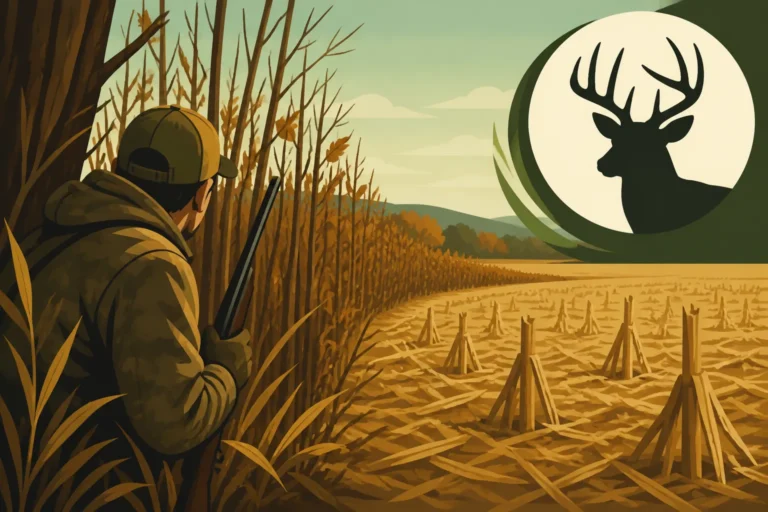
Hunting standing cover after the Kentucky harvest explains why whitetails use leftover crops for security and thermal shelter.
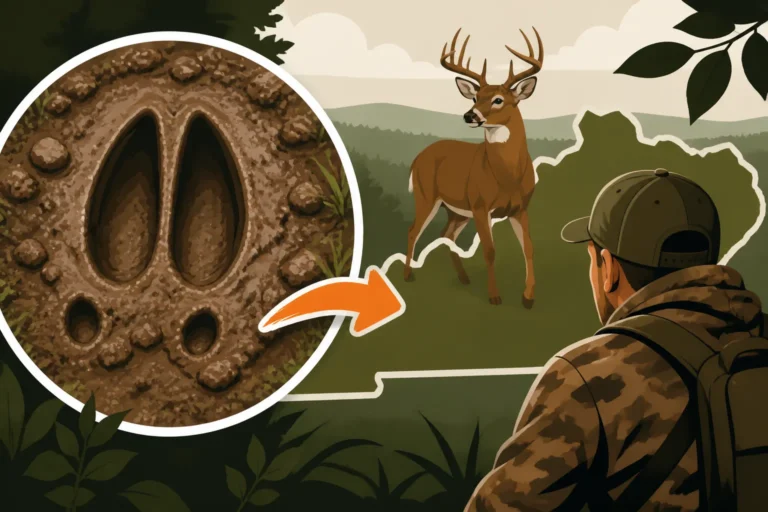
Kentucky deer hunters learn how to read muddy terrain, distinguish fresh tracks, and accurately track active deer movement.
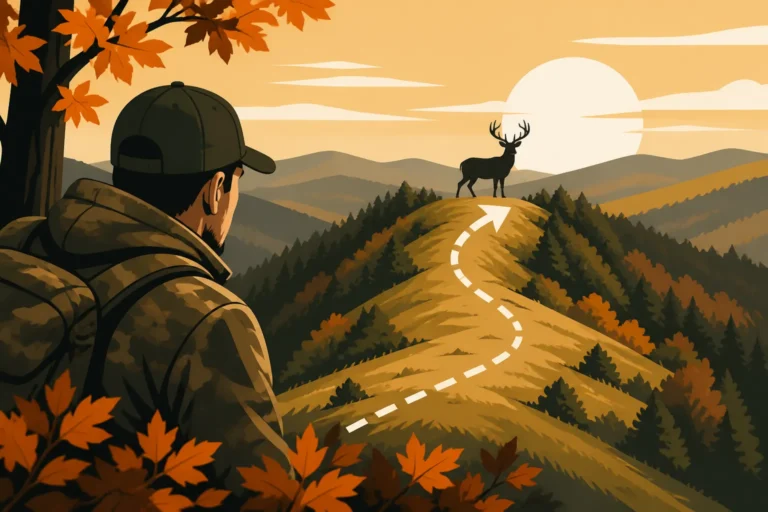
Kentucky ridge-top saddles function as natural funnels and staging areas that concentrate rutting bucks for hunters tracking deer.
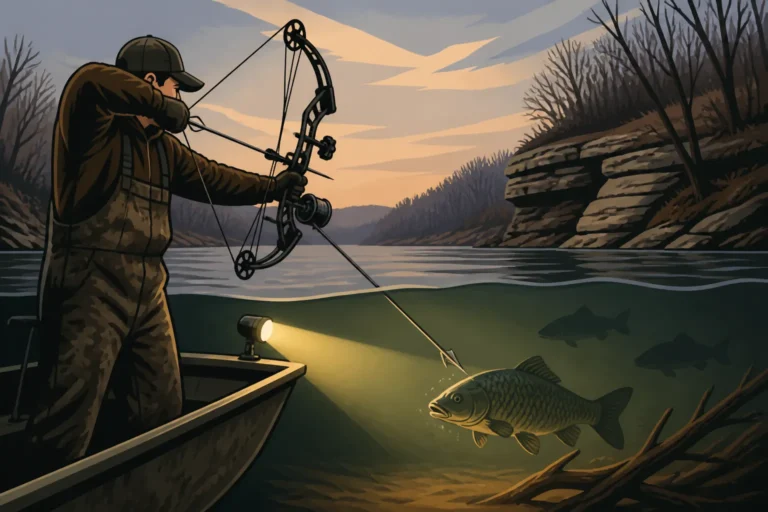
Bowfishing Kentucky rivers during the off-season offers hunters an active way to stay sharp and fill freezers with protein.
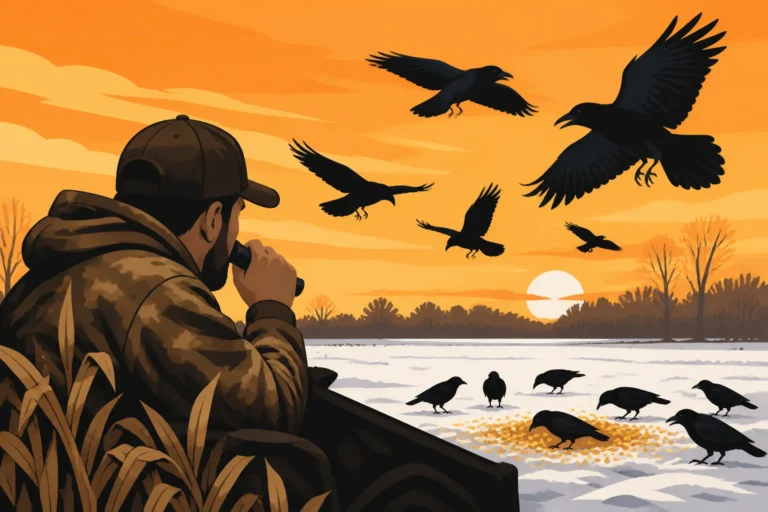
Winter crow calling over agricultural feed sites in Kentucky offers farmers pest control and hunters a productive winter hunt.