Hunting Wild Hogs Alongside Deer Season
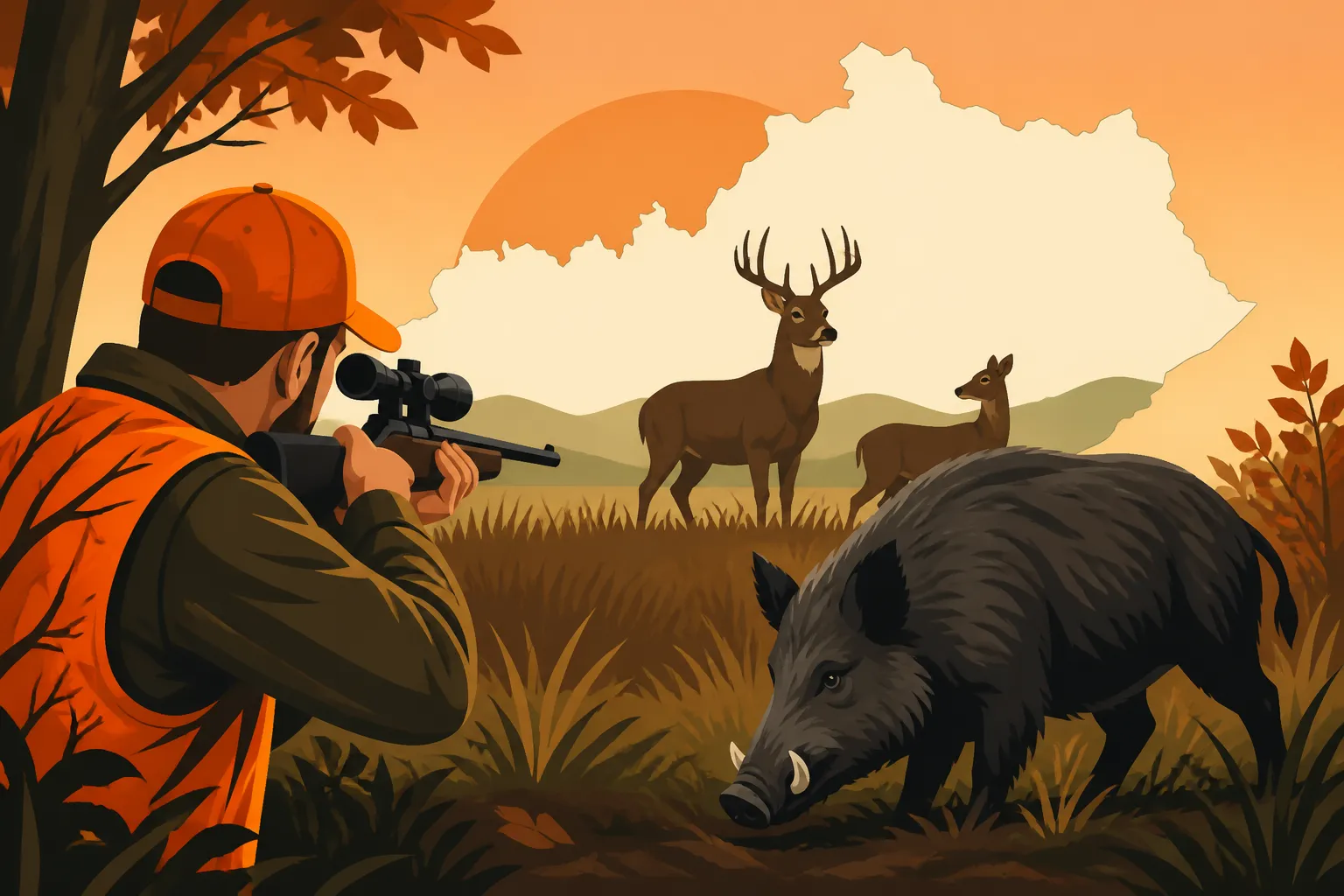
It's happened to almost every Kentucky deer hunter: you're sitting patiently, hoping for that big buck, when suddenly the woods come alive with the unmistakable sounds of rooting and grunting. A group of wild hogs, or feral swine as they’re often called, has just crashed your deer hunt. It’s a frustrating dilemma, leaving you wondering if you should try to take one, if it’s even legal, and how it might impact your chances at a deer. This comprehensive guide will walk you through everything you need to know about hunting wild hogs in Kentucky, especially when you encounter them during deer season.
Understanding Kentucky's Wild Hog Situation
Wild hogs are a growing concern across many parts of the country, and Kentucky is certainly no exception. These aren't native animals, and their presence causes significant ecological and agricultural damage. For hunters, they present both a nuisance and a unique opportunity.
The Problem with Feral Swine in Kentucky
Let's be blunt: feral swine are a menace. They are an invasive species, meaning they don't belong here and they wreak havoc on our natural ecosystems and agricultural lands. They root up fields, destroy crops, compete with native wildlife like deer and turkeys for food sources such as acorns, and can even spread diseases that pose a threat to livestock and native wildlife populations. Diseases like pseudorabies and brucellosis are serious concerns, and their ability to reproduce rapidly means their numbers can explode if left unchecked.
Because of this extensive damage and their non-native status, the Kentucky Department of Fish and Wildlife Resources (KDFWR) has designated wild hogs as an unprotected species. This is a crucial distinction from game animals. There's no closed season, no bag limit, and you don't even need a specific permit beyond your general Kentucky hunting license to pursue them. The goal is simple: reduce their population by any legal means possible. Hunting them is actually encouraged as a form of population control. This means when you encounter them, you're not just getting some wild pork for the freezer; you're also doing your part for Kentucky's wildlife and farmers.
Where Wild Hogs are Found in Kentucky
While wild hogs are incredibly adaptable and can show up almost anywhere, their populations tend to be more concentrated in specific regions of Kentucky. Traditionally, the rugged, forested terrain of Eastern Kentucky, particularly areas near the Big South Fork National River and Recreation Area and the Daniel Boone National Forest, has been a hotspot. These dense, often remote areas provide ideal cover and food sources. Counties along the Tennessee border, for instance, often report significant hog activity due to cross-border movement.
However, over the years, feral swine have expanded their range. We're now seeing them increasingly in parts of Central and Western Kentucky, often in river bottoms, around agricultural fields, and even spreading into the Green River Lake region. They're opportunistic and will follow food and cover, which includes agricultural areas like standing cornfields or tracts with abundant mast crops. Their expansion is often aided by their intelligence and their ability to travel surprising distances. If you're using an app like GoHunt to scout areas, looking for historical reports or user-submitted sightings can give you an edge in determining potential hog presence, even if it's not a traditionally known hog zone.
Legalities and Regulations for Hunting Hogs in Kentucky
Understanding the rules is paramount, especially when you're out hunting deer and might suddenly switch gears to target a hog. The biggest takeaway is that hogs are treated very differently from every other animal you're likely to pursue in Kentucky.
Wild Hog Status as an Unprotected Species
As mentioned, wild hogs are considered an unprotected species in Kentucky. This means that unlike deer, turkey, or even small game, there are no specific hunting seasons, no daily or annual bag limits, and no time-of-day restrictions other than those that might apply to other species you're concurrently hunting. For example, if you're hunting deer during legal deer hunting hours, you can shoot a hog during those same hours. If you're simply hunting hogs, you can hunt them 24/7 if you have the proper licenses and permissions.
You still need a valid Kentucky hunting license to harvest a wild hog. It's not a free-for-all for anyone without a license. This standard license covers you for pursuing these animals. You also don't need to Telecheck a hog after you've harvested it, which is a major difference from deer or turkey. This lack of strict regulation reflects the KDFWR's aggressive stance on controlling their numbers. You're basically given free rein to remove them whenever and wherever you find them, provided you adhere to general hunting ethics, safety, and specific rules that might apply to the land you're on (e.g., WMA regulations, private land permission).
Carrying the Right Gear During Deer Season
When you're out chasing whitetails, your gear is typically set up for deer. The good news is, in many cases, that same gear will work perfectly fine for wild hogs.
If you're carrying a rifle during Kentucky's Statewide Modern Gun Season, chances are it's perfectly adequate for a hog. Most common deer calibers, from a .243 up to a .30-06 or .308, will easily dispatch a hog with proper shot placement. Hogs are tough, but they're not bulletproof. If you're carrying a straight-wall cartridge rifle or a shotgun with slugs, those are also entirely suitable. Just be mindful of your ammunition choice; a bullet designed for deep penetration on deer will perform well on a hog.
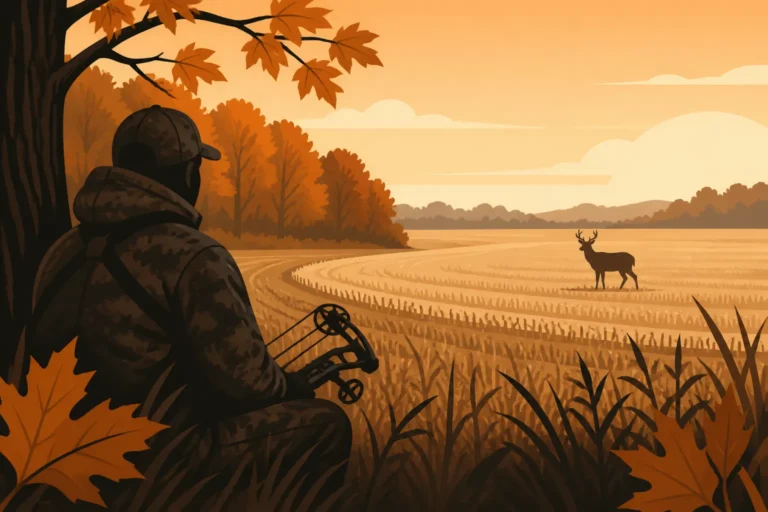
For archers, whether you're using a vertical bow or a crossbow during Bowhunting Kentucky's Long Archery Season, your setup is also generally fine. Ensure your broadheads are sharp and your shot placement is precise. Hogs have a thick "shield" of cartilage and hide around their shoulders, especially mature boars, so aiming behind the shoulder, slightly lower than you might on a deer, is often recommended to hit the vitals.
One critical safety consideration, especially during modern gun season, is blaze orange. If you're hunting deer during a period when blaze orange is required, you must still wear it even if your primary intention at that moment shifts to a hog. Remember, the blaze orange requirement is about visibility and safety for all hunters in the field, regardless of what species they are pursuing. Consult the regulations for Kentucky Blaze Orange Requirements to ensure you're always compliant. Always be prepared for the possibility of a hog encounter, but never let it override safety rules.
Strategies for Encountering Hogs While Deer Hunting
So, you're on stand, it's deer season, and a sounder of hogs comes through. What do you do? This is where a little preparation and understanding of hog behavior can make all the difference.
Recognizing Hog Sign and Behavior
Hogs leave some pretty distinct calling cards. If you're already Scouting Kentucky Public Land Before Season for deer, keep an eye out for these signs. Their most obvious tell is rooting. They use their strong snouts to dig up the ground, turning over soil, leaves, and rocks in search of tubers, insects, and acorns. This rooting can cover large areas and looks like a tractor has plowed through the woods. You'll also find wallows, which are muddy depressions where they cool off and cover themselves in mud. These are often near water sources.
Tracks are another clear indicator: hog tracks are typically rounder and wider than deer tracks, and their dew claws often register, especially in soft ground. They also leave rubs on trees, though these are generally lower to the ground than deer rubs and often have mud from their wallowing. Understanding these signs can help you identify areas with consistent hog activity, even if you don't see the animals themselves.
Unlike deer, which are often crepuscular (most active at dawn and dusk), hogs can be active at any time of day, though they may become more nocturnal in areas with high human pressure or during hot weather. They travel in groups called "sounders," which can range from a few animals to dozens. When a sounder moves through, they can be quite noisy, grunting and snorting. This noise can be both a blessing and a curse. It alerts you to their presence, but it also alerts every deer in the vicinity to theirs.
Their presence can absolutely impact deer movement. Deer are intelligent creatures and tend to avoid areas with heavy hog activity, especially if the hogs are aggressively rooting up prime feeding areas. So, if you're consistently seeing hog sign, it might indicate that particular area isn't currently ideal for deer.
Shot Opportunity and Ethical Considerations
This is the moment of truth. A sounder of hogs walks into your shooting lane during deer season. What's your priority? For most hunters, the deer remains the primary target. However, if a legal deer isn't present or the opportunity for a hog is perfect, many will take the shot.
If you decide to shoot a hog, remember that their anatomy is a bit different from a deer. The vitals (heart and lungs) are located further forward and lower in the chest, partly due to that "shield" mentioned earlier. Aiming for a spot directly behind the front leg and about one-third of the way up the body is generally a good bet for a clean kill. Avoid shoulder shots on large boars unless you have a high-powered rifle and confidence in your bullet's penetration. A well-placed shot is always ethical.
Consider the disturbance. Shooting a hog will inevitably make a lot of noise and send any deer in the area running. If you're committed to deer hunting in that specific spot, you might choose to let the hogs pass, especially if it's early in your hunt. However, if your deer hunt isn't going well, or if you're near the end of the day, taking out a nuisance hog can be a rewarding experience in itself. It's a personal call, but always prioritize a clean, ethical shot, regardless of the species.
Hunting Hogs on Public vs. Private Land
The rules for hunting wild hogs don't change whether you're on public or private land, but the practicalities certainly do.
On public lands like Daniel Boone National Forest or Kentucky Wildlife Management Areas (WMAs), you have the same access to hogs as you do to deer, provided you follow all WMA-specific rules that might exist (e.g., no baiting, vehicle restrictions, camping regulations). The challenge here is often finding areas with hogs that aren't also heavily pressured by deer hunters. Hogs are smart and will quickly learn to avoid areas with high human activity. Using mapping tools like GoHunt can help you identify remote pockets or overlooked areas where hogs might feel more secure, giving you a better chance of an encounter. Look for areas with dense cover and proximity to water, which hogs love.
Private land is where you often have the most flexibility. If you have permission to hunt deer on a farmer's property, chances are they'll be thrilled if you also take out some hogs. Farmers often view hogs as a significant threat to their livelihood, so offering to help control their population can be a great way to secure or maintain Getting Private Land Permission in Kentucky. On private land, you might also have the option to implement strategies not allowed on public land, such as trapping (if you have the right permits and knowledge) or even night hunting for hogs with proper landowner permission, which can be highly effective given their nocturnal tendencies. Always clarify with the landowner exactly what they're comfortable with before you pursue hogs with non-standard methods.
Post-Harvest Considerations for Wild Hogs
Once you've successfully harvested a wild hog, the job isn't quite done. Handling the animal properly is essential, both for food safety and for minimizing any negative impacts.
Handling and Processing Hog Meat
Wild hog meat can be absolutely delicious, but it requires careful handling. The biggest concern is trichinosis, a parasitic disease that can be transmitted if meat is not cooked thoroughly. While the risk of contracting it from wild hogs is relatively low, it's not zero. The good news is that cooking the meat to an internal temperature of 160°F (71°C) or higher will kill any potential parasites. Always use a meat thermometer!
Field dressing a hog is similar to deer. You'll want to get the guts out as quickly as possible, especially on warmer days, to start the cooling process. Hogs tend to have thicker hides and more fat than deer, so be prepared for a bit more work. If you plan to keep the meat, bring plenty of ice and get it on ice quickly. Consider taking the hide off in the field if it's hot, as the hide and fat can trap heat.
When you're ready to butcher, you'll find that hog meat has a richer, sometimes darker color than domestic pork. The flavor can vary greatly depending on the hog's diet and age, with older boars often having a stronger, gamier taste. Younger hogs tend to be milder and more tender. You can process it into roasts, chops, sausage, or ground meat. If you're used to processing deer, many of the same techniques apply when Butchering a Deer at Camp, but remember the trichinosis risk and cook thoroughly!
Disposal and Reporting
Since wild hogs are not a game species, you are not required to Telecheck them. However, proper carcass disposal is still important. You can't just leave a hog carcass anywhere. If you're on private land, discuss disposal options with the landowner. Often, they might prefer you take the carcass away, or they might have a specific area for disposal. On public land, you should pack out what you can and bury or otherwise properly dispose of the remains away from trails, water sources, and camping areas to avoid attracting other animals or creating a public nuisance.
While not mandatory, if you harvest a hog, especially in an area not traditionally known for them, consider letting KDFWR know. They are actively monitoring hog populations and their spread. Information on sightings or harvests can help them track movement patterns and assess population control efforts. This falls under the broader umbrella of Kentucky Wildlife Disease Monitoring; reporting sightings can help officials keep tabs on potential disease vectors. Every piece of information helps the state manage this invasive species.
Comparison: Deer vs. Wild Hog Hunting During Deer Season
Here’s a quick rundown of how hunting deer and wild hogs simultaneously stacks up in Kentucky:
| Feature | White-Tailed Deer | Wild Hog (Feral Swine) |
|---|---|---|
| Species Status | Game Animal | Unprotected, Invasive Species |
| Hunting Season | Specific open/closed dates per weapon/zone | No closed season, hunt year-round |
| Bag Limit | Strict limits (e.g., 1 antlered, antlerless per zone) | No bag limit |
| License Required | Annual hunting license + statewide deer permit | Annual hunting license only |
| Telecheck Required? | Yes, mandatory within specific timeframe | No |
| Blaze Orange Req. | Mandatory during modern gun, some muzzleloader seasons | Applies if also hunting deer (or other species requiring it) |
| Impact on Ecosystem | Native, vital part of ecosystem | Destructive, invasive, ecological threat |
| Shot Placement | Behind shoulder, mid-body | Behind shoulder, lower in chest (mind the shield) |
| Meat Handling | Standard processing, cook thoroughly | Cook to 160°F (71°C) to prevent trichinosis |
| Damage to Property | Minimal (some browsing) | Severe (rooting, crop destruction) |
Disclaimer
This guide is intended for informational purposes only and does not supersede or replace official regulations from the Kentucky Department of Fish and Wildlife Resources. Always consult the most current KDFWR hunting guide and local regulations before hunting. Regulations can change, and it is the hunter's responsibility to be fully aware of and comply with all applicable laws.