Sitting a Field Edge in Late Season
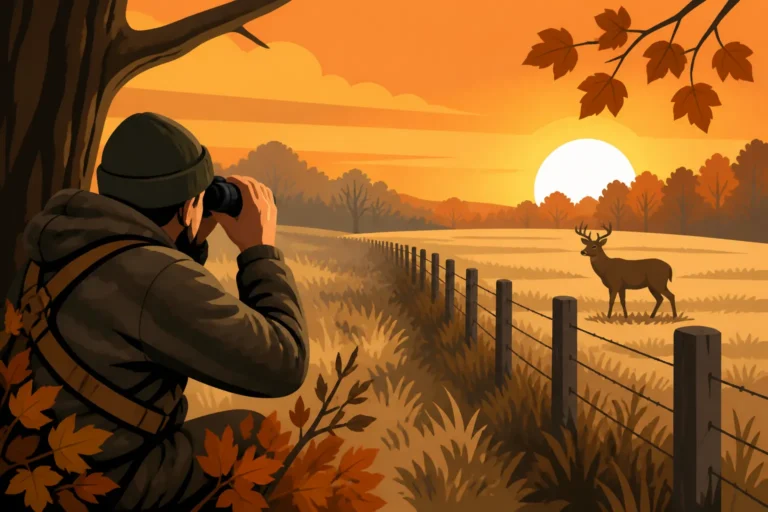
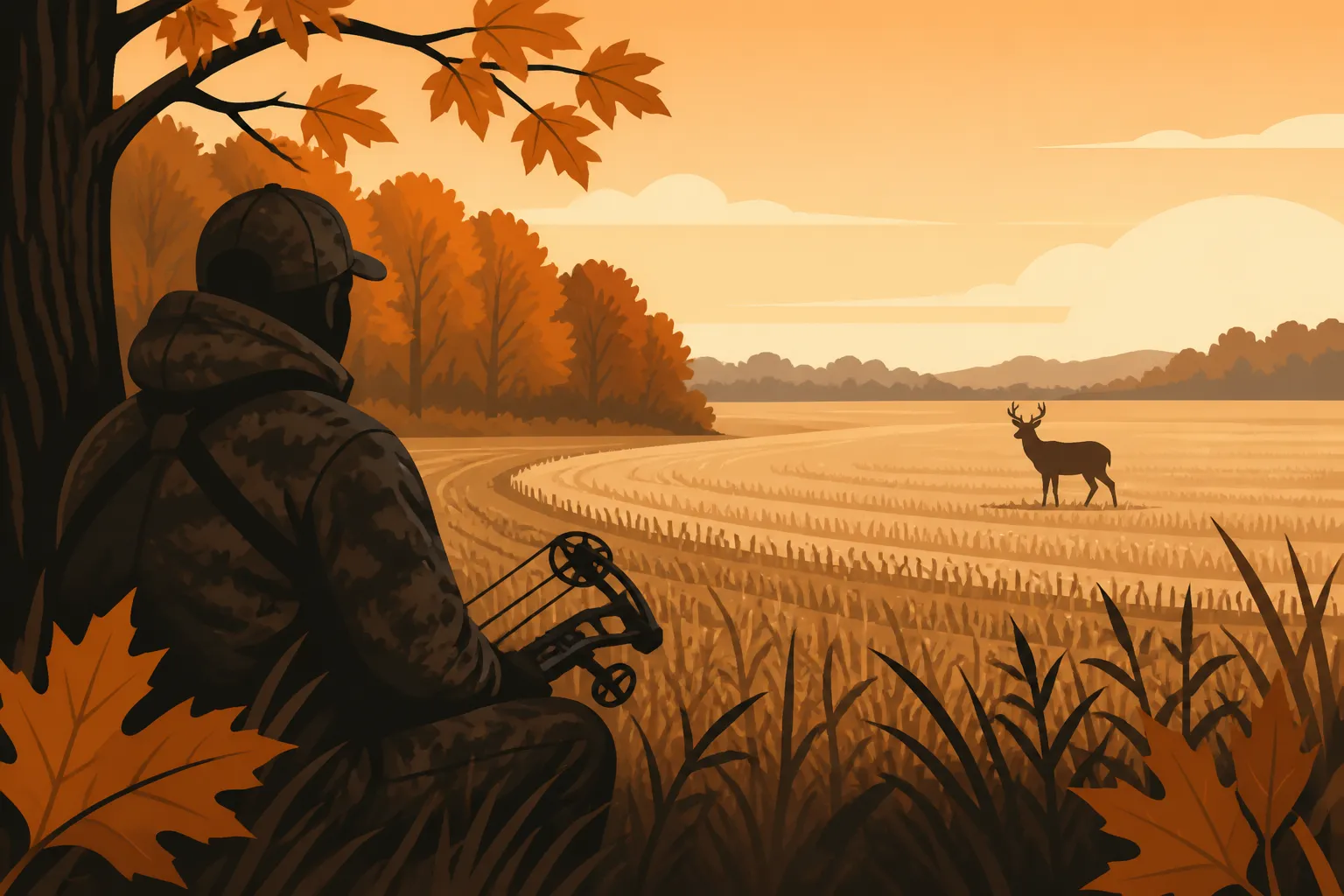
When those late-season cold fronts hit Kentucky, and the woods feel stripped bare, it can be incredibly frustrating to find consistent deer movement. The bucks that were visible during the rut seem to vanish, and the deer that are left become masters of elusion. This guide is all about tackling that challenge head-on, focusing specifically on how to effectively hunt those vital field edges where deer often concentrate when other food sources dry up, giving you a real shot at success when the mercury drops.
Understanding Late-Season Deer Behavior on Field Edges
Hunting the late season in Kentucky means playing a different game entirely. The rules change because deer priorities shift dramatically. Gone are the days of chasing lovesick bucks through the timber; now, it's all about survival, and that means food, glorious food. Field edges become veritable magnets, drawing deer in from miles around, but they're not always easy to hunt. You've got to understand why they're there and how they're using these areas to stand a chance.
The Winter Food Source Draw
Once the acorns are gone and the tender green browse has withered, deer in Kentucky turn their attention to more reliable, high-calorie food sources. This is where agricultural fields truly shine. Imagine being a deer in January; your body is burning through energy just to stay warm, and you need a serious caloric intake to survive until spring. Those remaining crops – especially standing corn, soybean stubble, or even winter wheat and brassica plots – become indispensable.
For example, in the rich agricultural areas of Western Kentucky bottomlands, you'll often find deer hammering cut cornfields or picking through bean stubble long after the combines have left. Even in the more mountainous regions of Eastern Kentucky, where larger ag fields might be less common, smaller food plots planted with winter rye or clover become crucial. Deer will literally dig through snow to get to these nutritional powerhouses. This intense focus on food, driven by the harsh realities of winter, means that if you can find the right late-season food source, you've found the deer. Understanding this critical shift is the first step to figuring out your strategy. If you're wondering what kinds of provisions are still available, our article on Late-Season Food Sources for Kentucky Whitetails can give you a deeper dive.
Increased Pressure and Nocturnal Tendencies
It's no secret that Kentucky deer have seen their fair share of orange vests and camo patterns by the time late season rolls around. All that prior hunting pressure, especially during the modern gun season, makes them incredibly wary. What might have been a daylight feeding frenzy in October could easily become an exclusively nocturnal affair by December or January. Deer learn quickly; they associate daylight movement in open areas with danger.
This means that while the field edge is still the draw, the timing of their appearance can be challenging. You might see fresh tracks crisscrossing a soybean field every morning, but the deer themselves only step out under the cover of darkness. This can be incredibly frustrating, leaving you feeling like you're always one step behind. It's why minimizing your own disturbance, having impeccable scent control, and finding the quietest entry and exit routes are paramount. You're trying to fool an animal that's already been fooled (or at least spooked) multiple times. For more insights on this widespread issue, check out our piece on Hunting Pressure on Kentucky Public Land.
The Impact of Cold Fronts and Snow
Few things can concentrate deer on a field edge like a significant cold front or a blanket of fresh snow. These weather events, while making human comfort a challenge, often trigger increased deer movement. When temperatures plummet, deer need to consume more calories to maintain their body heat, making them more willing to venture out, even during daylight hours, to access high-energy food sources.
A fresh snowfall, particularly one that covers natural browse, will also push deer into fields where food is more easily uncovered. You'll often see distinct trails punched through the snow leading directly from bedding cover to the edges of corn or bean fields. These are the golden opportunities! These periods can create windows of peak activity where deer, driven by necessity, might throw caution to the wind for a short period. Conversely, during extremely severe weather, deer might hunker down to conserve energy, only moving short distances. It's a delicate balance to observe, but generally, cold weather is your friend in the late season.
Strategic Setup for Late-Season Field Edge Hunting
You've done your homework, you understand why deer are hitting the fields, and you know they're warier than ever. Now it's time to put that knowledge into action by crafting a strategic setup. This isn't just about throwing up a stand; it's about meticulous planning, considering every detail from which field you choose to how you get in and out without being detected.
Choosing the Right Field and Edge
Not all field edges are created equal, especially in the late season. The key is finding the fields that offer the most reliable food source and then identifying the specific sections of that field edge where deer feel safest approaching. This often means scouting for fresh sign – plentiful tracks, droppings, and well-worn trails leading directly into the field.
Think about the bigger picture: where is the bedding cover relative to the field? Deer prefer to travel the path of least resistance from their bedding areas to their food. Look for bottlenecks, pinch points, or areas where thick cover extends closest to the field edge. These are often the spots where deer will stage up before entering the open. Utilize mapping tools like GoHunt to pore over aerial photos and identify these transition zones. A creek bottom, a fencerow, or a strip of dense brush running parallel to the field can act as a natural travel corridor, providing concealment until the last possible moment. For instance, if you're Hunting a Standing Cornfield in Farm Country, look for the edge closest to a woodlot.
Stand Placement and Ground Blind Tactics
Once you've identified a promising section of the field edge, your next critical decision is where and how to set up your ambush. Both treestands and ground blinds have their advantages and disadvantages in the late season, and the right choice often depends on the specific terrain, cover available, and your hunting style.
If you opt for a treestand, focus on trees that provide excellent cover against the often-barren late-season backdrop. Evergreens, if available, are fantastic. Otherwise, choose a deciduous tree with a dense branch structure or set up against a double-trunked tree to break up your silhouette. Your main goal is to be invisible against the sky and the woods. For ground blinds, brush them in extensively. You want it to look like a natural part of the landscape. Remember that deer are already on high alert, so anything that looks out of place will stick out like a sore thumb. Consider your shooting lanes carefully, especially if you anticipate deer approaching from different directions or staging in specific areas before committing to the open field. Knowing how to properly set up can make all the difference, particularly when you're considering Using a Ground Blind on Kentucky Public Land.
Here's a quick comparison to help you decide:
| Feature | Treestand (Late Season Field Edge) | Ground Blind (Late Season Field Edge) |
|---|---|---|
| Visibility | Elevated view, can see deer approaching from afar. | Limited ground-level view, better concealment in sparse cover. |
| Concealment | Relies on tree cover and height to break silhouette. | Excellent concealment when brushed in properly, hides movement. |
| Comfort | Exposed to elements, less warmth. | More protection from wind, snow, and cold. |
| Setup Time | Can be quick with climbers/sticks, but moving is noisy. | Takes time to brush in effectively, but can be set up ahead. |
| Shot Angle | Downward angle, good for vitals but can hit far shoulder. | Horizontal shot, familiar and often easier to judge distance. |
| Scent Dispersal | Scent is disbursed higher, can be carried further by wind. | Scent stays closer to the ground, requires strict control. |
| Mobility | Less mobile once set, but some systems allow flexibility. | Can be moved if needed, but brushing in must be repeated. |
| Suitability | Good where tall, dense trees provide cover and view. | Excellent in open areas, fencerows, or sparse timber edges. |
Entry and Exit Routes
This might be the most overlooked, yet most critical, aspect of late-season field edge hunting. It doesn't matter how perfect your stand is or how many deer are using the field if you spook them every time you walk in or out. Deer are hyper-aware in the late season. Your entry and exit routes must be meticulously planned to avoid detection.
Always use terrain features or thick cover to your advantage. Walk in creek beds, deep ditches, or along fencerows with dense vegetation. The goal is to get to your stand unseen and unheard. Pay close attention to the wind, not just when you're hunting, but also on your way in and out. You absolutely do not want your scent blowing across the field or through a bedding area you're trying to hunt. This might mean taking a much longer, circuitous route to get to your spot, but it's worth every extra step. A blown entrance or exit can ruin a hunt for days, especially when you're hunting the wary deer of the late season. If you're tackling fields with tall crops, understanding Entry Routes Through Standing Beans can be a game-changer.
Tactics for Success on a Late-Season Field Edge
Once you're in your carefully chosen and discreetly set stand, the real work begins. Late-season hunting demands patience, vigilance, and adherence to specific tactical considerations. It's not always action-packed, but when a deer finally makes an appearance, you need to be ready.
Timing Your Hunt for Peak Activity
In the late season, daylight movement, particularly around open fields, is often limited to specific windows. While you might be tempted to sit all day, especially if you're a hardcore hunter, the most productive times often revolve around the late afternoon, leading into dusk. Deer are typically bedded in thick cover during the day, conserving energy. As the sun begins to dip, and temperatures might even slightly moderate, their internal clock tells them it's time to feed.
This makes the last two to three hours of daylight absolutely critical. Plan your hunt to arrive well before this window, quietly settle in, and be prepared to sit until legal shooting light is completely gone. In some cases, a particularly cold morning might also trigger early movement as deer rush to feed after a brutal night, but afternoons are generally more reliable for field edge hunting. Our guide to Kentucky Public Land Hunting Hours can help you perfectly time your sits.
The Role of Scent Control and Quiet Movement
I cannot stress this enough: scent control is paramount in the late season. With less foliage on the trees and fields often barren, your scent will travel farther and linger longer. Deer in December and January have encountered human scent countless times, and they know exactly what it means. Everything from your clothing to your boots needs to be as scent-free as possible.
Use scent-eliminating sprays, wash your clothes in scent-free detergent, and store them in airtight containers. Avoid filling up your gas tank or grabbing a coffee in your hunting clothes before heading out. And once you're in the woods, move like a ghost. Every rustle, every misplaced step, every cough, can send a wary deer bolting. This focus on stealth extends to your gear, too; ensure zippers are quiet, clothing doesn't make swishing noises, and anything that can clink or bang is secured. Deer rely heavily on their sense of smell and hearing, and in the quiet, crisp air of late season, any disturbance is magnified.
Patience and Persistence
Late-season hunting can be a test of mental fortitude. The weather is often brutal, and deer movement can be sporadic. You might sit for hours, shivering, seeing nothing but squirrels and crows, and start to question why you're even out there. This is where patience and persistence become your greatest allies. The deer you're after might only step into the field for a brief, 10-minute window, and if you're not alert and ready, you'll miss your opportunity.
Embrace the quiet. Enjoy the solitude. Dress in layers to stay warm, pack a thermos of hot coffee or tea, and keep your focus sharp. Even if you don't see deer on a particular sit, you're learning. You're observing how the wind moves, how the light changes, and perhaps catching a glimpse of a distant deer that gives you a clue for your next hunt. The reward of tagging a hard-earned late-season buck from a field edge is immensely satisfying, a true testament to your dedication when others have hung up their gear. For tips on staying comfortable and vigilant, check out Cold-Weather Sitting Strategy in Kentucky.
Disclaimer
The information provided in this guide is for general educational purposes only. Hunting regulations and conditions can change rapidly. Always consult the most current Kentucky Department of Fish and Wildlife Resources regulations before heading afield. Ensure you have all required licenses and permits, and prioritize safety above all else.