Late-Season Food Sources for Kentucky Whitetails
As the Kentucky deer seasons wind down, many hunters start to feel that familiar frustration of empty stands and ghosting deer. It often feels like the whitetails just vanish, making those last weeks of the season incredibly challenging. But the truth is, they haven't disappeared; they've simply shifted their focus. This comprehensive guide will dive deep into understanding what makes Kentucky whitetails tick when the temperatures plummet and the natural buffet of early season forage is long gone, helping you pinpoint those crucial late-season food sources and put yourself back in the game.
The Late Season Reality: A Battle Against the Elements
By the time late season rolls around in Kentucky, usually from mid-December through January, the landscape has changed dramatically. The lush green foliage of summer and fall has withered, the majority of acorns have been gobbled up or rotted away, and the once-abundant soft mast like persimmons are a distant memory. Deer, especially bucks that have expended massive amounts of energy during the rut, are in survival mode. Their primary driver is finding enough high-energy food to simply survive the cold, replenish their fat reserves, and prepare for the rigors of the upcoming breeding season.
Why Traditional Food Sources Disappear
It’s easy to overlook how much the environment impacts a deer's diet until you're staring at bare branches and frozen ground. Early fall, with its abundance of acorns, apples, and agricultural crops, offers a smorgasbord that deer readily exploit. They're busy putting on weight, and food is relatively easy to come by. But as winter sets in, those readily available, high-calorie options diminish rapidly. Think about a typical Kentucky woodlot: by December, most of the white oak acorns are gone, the red oaks are often frozen solid or buried under leaf litter, and persimmons are a distant memory. Even standing agricultural fields might be harvested, leaving behind only sparse waste grain. This creates a critical "hunger gap" where deer must work harder and travel further to find sustenance.
The colder temperatures themselves also play a significant role. Deer need more calories just to maintain their body temperature. This increased caloric demand, coupled with dwindling natural food, forces them to be incredibly efficient with their energy and seek out the most nutrient-dense options available. This shift in priorities is exactly what late-season hunters need to understand and exploit. If you're still hunting the same trails you did in October, you're likely going to be disappointed.
The Physiological Needs of a Late-Season Deer
A deer’s body is a marvel of adaptation, but even they have limits. During the late season, their metabolic rate slows down slightly, and their diet needs to shift to more fibrous, digestible browse. Bucks, in particular, are often run down after the rut. They might have lost 20-30% of their body weight, and their immune systems can be compromised. Does, on the other hand, are starting to develop fetuses and need to sustain themselves through winter to ensure successful fawning in the spring. Both sexes are driven by a desperate need for energy, making food a powerful magnet.
The food sources they seek will generally be higher in carbohydrates and protein to fuel their internal furnaces and rebuild lost body mass. They're not just looking for any food; they're looking for the best food they can find. This makes finding these limited, high-value food sources paramount for any hunter hoping to fill a tag in December or January. Understanding this deep-seated drive is the first step to unlocking success when Hunting the Late-Season January Lull.
Prime Agricultural Food Sources for Winter Whitetails
In much of Kentucky, especially in the central and western regions, agriculture plays a massive role in deer survival, particularly when natural food supplies dry up. Whitetails become heavily reliant on what farmers leave behind or intentionally plant. These agricultural havens can be absolute deer magnets in the late season, often drawing deer from miles around.
Standing or Leftover Crops
One of the most powerful magnets for late-season deer is any field with standing or leftover crops. We're talking about corn, soybeans, and even specialty crops like brassicas that often resist freezing and provide valuable nutrition.
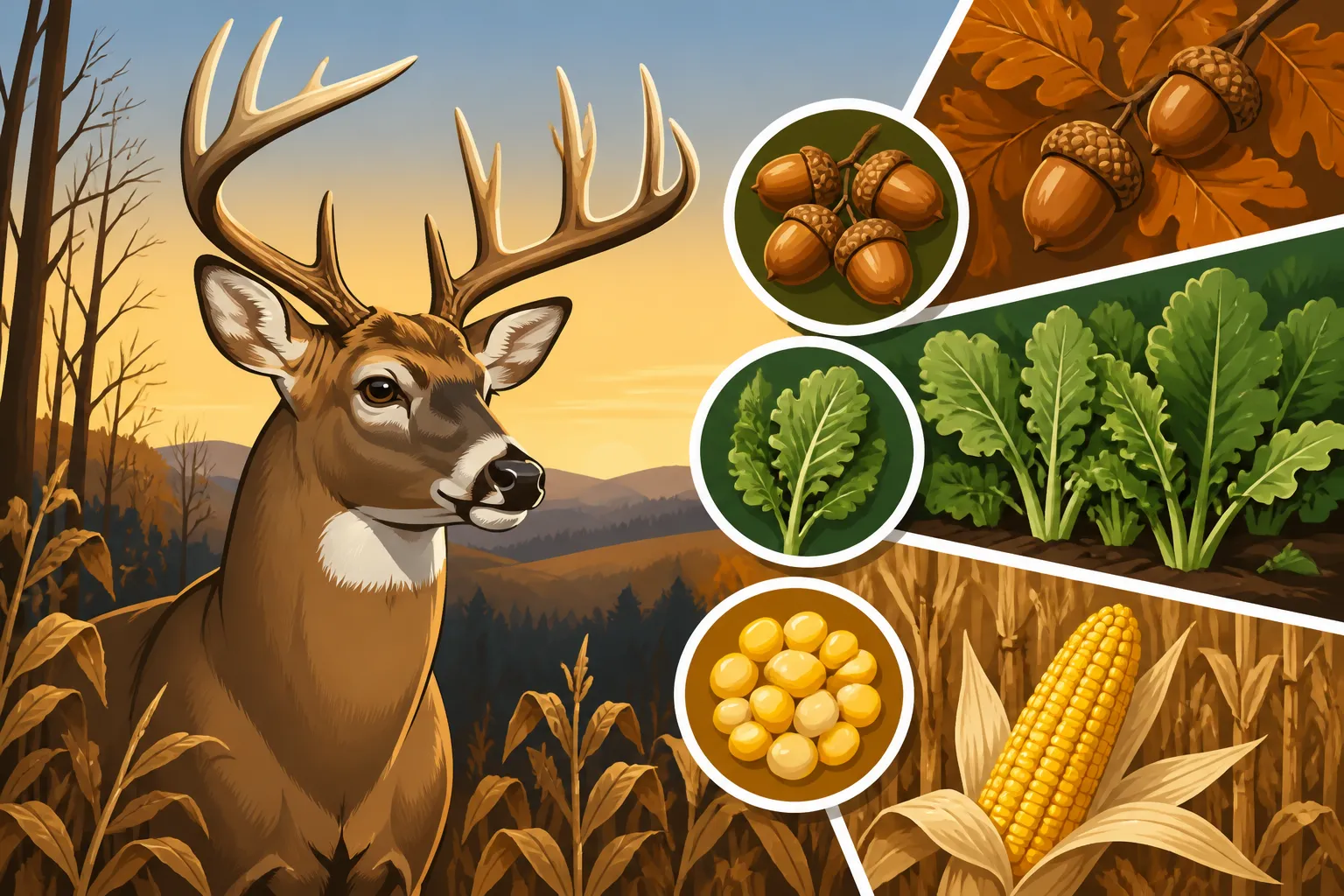
- Standing Corn: If you're lucky enough to find a standing cornfield that hasn't been harvested yet, you've hit the jackpot. Corn is a high-energy carbohydrate bomb, exactly what deer need to pack on fat and stay warm. They will gorge themselves on corn, often bedding right in the field itself if it's large enough to offer security. Even fields that have been harvested often leave behind enough waste grain to be highly attractive. You might think a harvested field is "done," but spend some time walking the rows, and you'll often find a surprising amount of kernels on the ground. Deer will methodically work these fields, especially in the evenings and early mornings. Using tools like the GoHunt app to analyze aerial photos can help you identify unharvested fields or those with good cover nearby, giving you a serious advantage when Hunting a Standing Cornfield in Farm Country.
- Soybeans: While not as energy-dense as corn, leftover soybeans are still a critical protein source. Many farmers harvest soybeans early, but if a field still has pods, or if a significant amount of beans were dropped during harvest, deer will absolutely key in on them. They provide essential protein for muscle repair and general health, which is crucial for does carrying fawns and bucks recovering from the rut. A standing soybean field, particularly if it's slightly overgrown with weeds, can also offer security cover, making deer feel safer feeding there during daylight hours.
- Brassicas (Turnips, Radishes, Kale): These "food plot staples" are intentionally planted by hunters and landowners, but their late-season value is unmatched. Brassicas actually become more palatable after a few hard frosts, as the cold converts their starches into sugars, making them incredibly attractive and digestible for deer. Fields of turnips, radishes, or kale can draw deer like a magnet, and they will dig through snow to get to them. If you're hunting private land, or if a WMA has specific food plots, these are places you absolutely need to check out.
Winter Wheat and Other Green Fields
Beyond the row crops, green fields planted with winter wheat, clover, or even tender ryegrass can be vital late-season food. These cool-season annuals and perennials provide highly digestible green forage when everything else is brown and dormant.
- Winter Wheat: Planted in the fall, winter wheat sprouts quickly and provides a green carpet through the colder months. Deer will browse on the tender shoots, getting essential vitamins and minerals. It's not as high in calories as corn, but it's readily available and provides much-needed moisture and green matter. These fields are particularly effective as transitional feeding areas – deer might hit a wheat field on their way to or from a more calorie-dense food source like standing corn.
- Clover and Alfalfa: While not as universally available as winter wheat, fields of clover or alfalfa can provide protein-rich forage throughout the winter if they haven't been completely grazed down or are protected from extreme cold. Perennial clovers are particularly hardy and will often hold some green growth even under a light snow. Look for these in agricultural areas or on managed public lands.
- Ryegrass and Other Tender Greens: Sometimes, even a well-managed pasture or an old hayfield that still has some ryegrass or other robust forage can be a draw. These aren't typically as high-value as dedicated food plots or winter wheat, but they provide a fallback option. The key is finding areas where new, tender growth is still accessible. When Hunting a Green Field Planted for Deer, remember that these areas are often exposed, requiring careful entry and exit routes to avoid spooking the animals.
Critical Natural Food Sources in the Woods
While agricultural fields are undeniably attractive, not every hunter has access to them. For those hunting the more rugged, timbered parts of Kentucky, especially in areas like Daniel Boone National Forest or other public lands, natural browse becomes the primary late-season food source. These areas might require more effort to scout, but the deer are there, and they're hungry.
Woody Browse and Evergreen Forage
When the acorns are gone and agricultural fields are distant, deer turn to browse – the leaves, twigs, and buds of woody plants. While lower in energy than corn, browse is often abundant and provides necessary sustenance.
- Maple, Oak, and Dogwood Shoots: Deer will nip off the tender ends of twigs from a variety of trees and shrubs. Young maples, oaks (especially red oaks), and dogwood are common browse targets. Look for "browse lines" where the ends of branches are neatly clipped off at a height deer can reach. These areas often appear after timber harvests, where sunlight hits the forest floor and new growth explodes. A recent clear-cut or even a selective timber thinning can turn into a late-season deer buffet, as it provides a ton of new, palatable browse. When Hunting After a Poor Acorn Year, these browse-heavy areas become even more critical as primary food sources.
- Honeysuckle: This invasive, but highly sought-after, plant is a lifesaver for Kentucky deer in the late season. Japanese honeysuckle often stays green and palatable through much of the winter, providing a vital source of green forage and protein. It forms dense mats, especially on south-facing slopes or along forest edges, making it a favorite bedding and feeding location. If you find a patch of honeysuckle that's been heavily browsed, you've found a late-season hotspot.
- Greenbriar (Smilax): Another robust, thorny vine, greenbriar also retains its leaves and stems into the winter. Deer will avidly browse the tender shoots and leaves, even with its formidable thorns. It's not as high-quality as honeysuckle, but it's a dependable food source when pickings are slim. Look for it along creek bottoms, power lines, and dense thickets.
- Evergreen Forage (Cedar, Hemlock): In desperate times, deer will even browse on certain evergreens like Eastern red cedar or hemlock. These aren't their preferred foods, but they provide some nutrition and, importantly, bulk. Cedar thickets are also fantastic bedding cover, and deer might browse the edges while seeking shelter from the cold winds.
Leftover Hard Mast and Persistent Fruits
While most hard mast is gone, sometimes pockets remain, and certain persistent fruits can offer a surprise snack.
- Red Oak Acorns: White oak acorns sprout and rot quickly, but red oak acorns are more bitter and durable, often persisting on the forest floor well into winter, especially if buried under leaf litter or snow. Deer will meticulously root through the duff to find these. Look for signs of digging or disturbed leaf litter, particularly on benches or flats where red oaks are abundant.
- Honeylocust Pods: These long, leathery pods, filled with sweet pulp, can remain on the ground after falling from honeylocust trees. They are a high-sugar treat for deer and can be found scattered in pastures, along field edges, or in open timber. The pods often survive freezing temperatures, providing an energy boost.
- Crabapples and Persimmons (if any remain): While rare in late season, some crabapple varieties or very late-ripening persimmons might still cling to trees or be found on the ground. These are incredibly high in sugar and will be immediately consumed by any deer that finds them. It’s a long shot, but if you know of a specific tree that drops late, it’s worth checking.
The Underestimated Importance of Water and Cover
In the late season, food is primary, but water and thermal cover become equally critical. Deer need water to digest their food and regulate their body temperature, even in freezing conditions. And staying warm is paramount, which means dense cover. Often, the best late-season hunting spots combine all three elements.
Water Sources in Cold Weather
You might think water is abundant in winter with rain and snow, but natural unfrozen sources can be scarce during prolonged cold snaps.
- Spring-Fed Creeks and Seeps: These are gold mines. Natural springs and underground seeps often don't freeze solid, providing a consistent water source when ponds and shallow creeks are locked up. Deer will gravitate to these areas not only for water but often for the lush green vegetation that grows around them. Working a Creek Bottom for Late-Season Deer can be incredibly productive, as deer will travel these sheltered corridors to access both food and water.
- Unfrozen Ponds and Puddles: Larger, deeper ponds or even depressions that collect significant amounts of water may not freeze completely, offering vital access points. Look for tracks along the edges, especially where ice has formed but an open patch remains.
- Snow and Ice: While deer can get some moisture from eating snow, it's energetically costly for them to melt it in their digestive system. They much prefer liquid water if available. This makes finding those unfrozen water sources even more critical during severe cold.
Thermal Cover for Winter Survival
Beyond food and water, deer need to escape the biting wind and cold. Thermal cover helps them conserve energy, making dense bedding areas adjacent to food sources incredibly attractive.
- Thick Conifer Stands: Pine, cedar, or hemlock thickets provide excellent thermal cover. The dense canopy traps heat and blocks wind, making these areas significantly warmer than open hardwoods. Deer will bed in these thickets during the day, emerging only to feed.
- Brushy Draws and South-Facing Slopes: Dense brush in a sheltered draw, especially on a south-facing slope that gets direct sunlight, can be a late-season bedding haven. The sun helps warm the ground, and the brush breaks the wind.
- Overgrown Clear-cuts: Young clear-cuts with dense regrowth of saplings and briars offer incredible security and thermal cover. Deer can disappear into these tangles, feeling safe while being close to the browse that flourishes there.
Scouting and Hunting Strategies for Late Season Success
Now that we know what deer are looking for, the challenge shifts to where to find it and how to hunt it effectively. The late season demands a different approach than the early season or rut. Patience, precision, and an almost obsessive focus on sign are key.
Intensive Scouting for Feeding Patterns
Your binoculars and scouting skills become your most valuable assets. Forget about randomly still-hunting; late season is about surgical strikes on known food sources.
- Glassing: Spend hours glassing fields and openings from a distance, especially during the last hour of daylight. This is the best way to confirm deer are using a particular food source and to observe their entry and exit points. A spotting scope paired with a tripod can reveal incredible detail about deer movements without disturbing them.
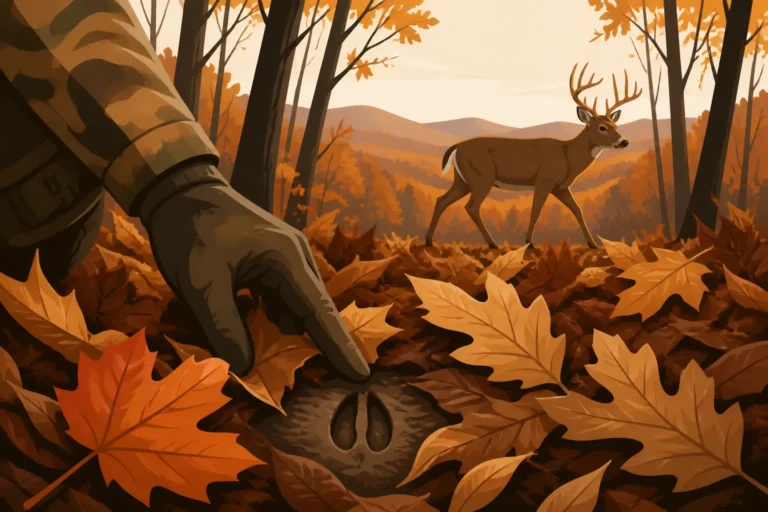
- Track Patterns: Fresh tracks in snow or mud around a food source are undeniable proof of recent activity. Pay attention to the volume of tracks, their direction, and whether they indicate a consistent travel corridor. Look for where deer enter a field from the woods or where they might be staging before entering.
- Trail Cameras: Deploy trail cameras strategically on suspected travel routes leading to and from prime food sources. Place them where you expect deer to funnel, or even directly overlooking a food plot or cornfield edge (where legal and ethical). They can reveal specific times of activity and even help you pattern individual deer. The data from your cameras, combined with mapping tools like GoHunt, can create a powerful scouting advantage, showing you patterns over time.
- Topographic and Aerial Maps: Use mapping apps like the Kentucky Hunt Fish App or GoHunt to identify potential late-season hotspots. Look for areas where dense cover (conifers, clear-cuts, thick draws) is adjacent to known food sources (agricultural fields, food plots, honeysuckle thickets). Pay attention to terrain features like saddles, benches, and creek bottoms that might serve as natural funnels between bedding and feeding areas. Reading Aerial Photos for Eastern Kentucky Deer can reveal subtle changes in vegetation that indicate browse potential or cover density.
Strategic Stand Placement for Different Food Types
Once you've identified a promising late-season food source, your stand placement needs to be precise. Deer are often more nocturnal in the late season due to hunting pressure, so getting as close as possible without spooking them is crucial.
- Field Edges: When Sitting a Field Edge in Late Season, focus on points where deer typically enter. Look for funnels created by terrain, fence lines, or timber changes. Set up for evening hunts, anticipating deer will move from bedding cover to the field. Ensure your entry and exit routes are stealthy and won't cross paths with deer activity. Consider using a ground blind if you need extra concealment, especially in open country, but make sure it's brushed in well.
- Transition Zones: Deer will often "stage" in thick cover just off a major food source before entering the open. This transition zone, where they feel secure but can still survey the feeding area, is an excellent place for a stand. Look for rubs or scrapes (though less active in late season) or simply heavily used trails within 50-100 yards of the primary food source.
- Inside the Timber: For natural browse like honeysuckle or red oak pockets, you'll need to get into the timber. Identify the specific patches of browse deer are hitting, and set up downwind of their likely approach. This often means finding a relatively open area within the thicket or on its edge where you can get a clear shot. Remember, in dense cover, shot distances will be short, so be prepared for quick action.
- Leveraging Terrain and Wind: Always, always, always factor in the wind. Deer in late season are incredibly wary. A shifting wind can ruin a hunt. Use terrain features like ridges, hollows, or creek banks to your advantage for both approach and scent control. On colder days, deer often bed on south-facing slopes, so consider positioning yourself to intercept them as they move off these slopes towards food. Cold-Weather Sitting Strategy in Kentucky often involves being patient and hunkering down in the perfect, well-scouted location.
- Considering Hunting Pressure: Public lands, especially those near larger towns, will see significant hunting pressure, particularly during Kentucky Modern Gun Season Dates and the Kentucky Late Muzzleloader Tactics week. This pressure will push deer into the thickest, most secluded areas available, often closer to prime late-season food sources that offer both calories and security. Don't be afraid to walk further or hunt tougher terrain than others are willing to tackle.
Table: Key Late-Season Food Sources and Hunting Notes
| Food Source Type | Examples | Peak Availability | Deer Attraction | Hunting Considerations |
|---|---|---|---|---|
| Agricultural | Standing Corn, Leftover Soybeans | Dec – Jan | High | Evening hunts, secure entry/exit, field edges, thermal cover nearby |
| Winter Wheat, Brassica Plots | Dec – Jan | Moderate-High | Day & evening hunts, check for fresh browse, use ground blinds | |
| Natural Browse | Honeysuckle, Greenbriar, Maple/Oak Shoots | Dec – Jan | Moderate-High | Scout for browse lines/heavy use, inside timber, close shots |
| Eastern Red Cedar (desperation) | Dec – Jan | Low-Moderate | Often combined with thermal cover, check edges | |
| Hard Mast/Fruit | Red Oak Acorns (leftover) | Dec – Jan | Moderate | Digging sign, in timber, can be spotty |
| Honeylocust Pods | Dec – Jan | Moderate | Along field edges, open timber, check under trees | |
| Water | Spring-fed Creeks, Unfrozen Ponds | Dec – Jan | Critical | Travel corridors, sheltered areas, often combined with browse |
Final Thoughts on Late Season
The late season in Kentucky is a test of will and strategy. It's often cold, the days are short, and the deer are at their wariest. But for those who take the time to truly understand the critical role food plays in a whitetail's winter survival, it can be an incredibly rewarding time. By focusing your efforts on prime agricultural fields, robust natural browse, and those ever-important water sources, you can increase your odds of success. Remember to use your scouting tools, respect the deer's need for security, and dress for the cold when implementing your Muzzleloaders for a Kentucky December plan. Don't give up on those last weeks; the biggest bucks are often still out there, driven by the primal need to eat.
Disclaimer
Hunting is an inherently dangerous activity. Always follow all local, state, and federal hunting regulations. Ensure you have the proper licenses and permits before hunting. Practice safe firearm and archery handling. Hunt ethically and humanely. This guide is for informational purposes only and does not replace official hunting education or professional advice.