Cold-Weather Sitting Strategy in Kentucky
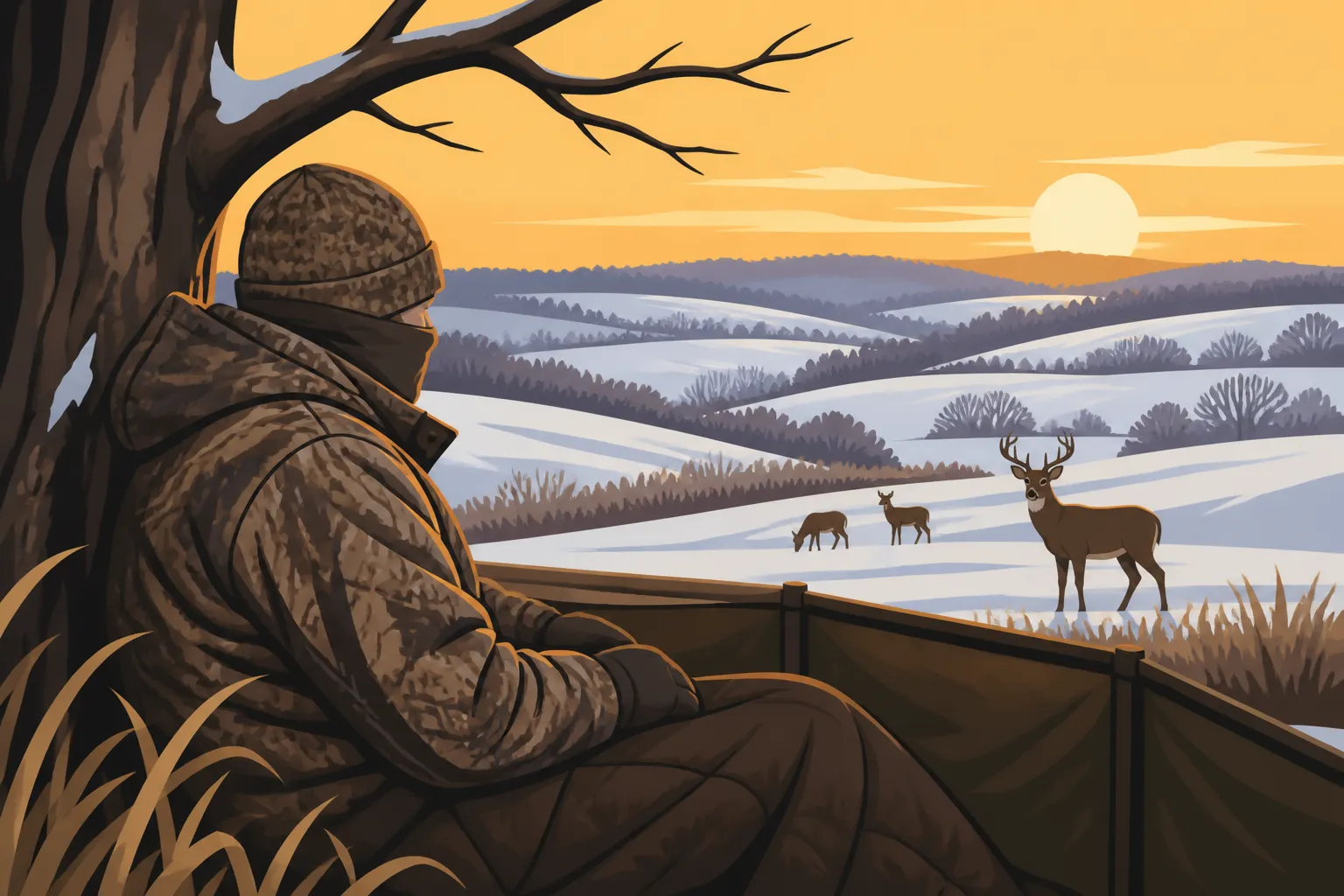
There's nothing quite like the crisp, silent beauty of a Kentucky winter woods, but let's be honest, that beauty quickly fades when the cold starts to seep into your bones. Many hunters find themselves cutting their sits short, shivering their way back to the truck, and ultimately missing out on prime opportunities because they just can't hack the biting cold. This guide is all about equipping you with the knowledge and strategies to not just tolerate, but truly thrive during those frigid Kentucky sits, keeping you comfortable and alert for when that late-season buck finally steps out.
Embracing Kentucky's Winter Chill: Understanding the Conditions
Hunting in Kentucky during the colder months isn't just about bundling up; it's about understanding how the dramatic drop in temperature, coupled with other weather elements, fundamentally alters deer behavior and, by extension, your hunting strategy. This isn't your early archery season where deer are just cruising; winter brings a new set of rules to the game.
The January Lull and Post-Front Activity
For many Kentucky hunters, the late season, especially as we push into the new year, can feel like hitting a brick wall. This period, often called the "January Lull," can be incredibly frustrating. The rut is long over, bucks are recovering, and deer often move less during daylight hours, preferring to conserve energy. You might sit for hours without seeing a single deer, feeling like you're wasting your time. But here's the kicker: this lull isn't absolute. It's often punctuated by significant weather events, especially cold fronts, that can suddenly kick deer activity into high gear.
Imagine a week of relatively mild winter weather, and then BAM! A strong arctic front blows through, dropping temperatures by 20-30 degrees overnight and bringing a bitter wind. While the immediate onset of the front might slow things down even more as deer hunker down, the days following that initial deep freeze can be golden. Deer, needing to replenish calories burned just staying warm, become far more predictable and motivated to feed. This is when your strategy needs to shift. Instead of randomly hoping for movement, you're targeting specific periods when deer have to move. You'll often find that understanding these dynamics is key to Hunting the Late-Season January Lull successfully, as well as being prepared for intense, short windows of opportunity when Hunting Deer After a January Cold Front.
Impact of Snow, Ice, and Bitter Winds
Kentucky winters can be a mixed bag. One day it's merely cold, the next you're dealing with a blanket of snow, a glaze of ice, or relentless, soul-sucking winds. Each of these conditions presents its own set of challenges, both for the deer and for you on stand. Snowfall, especially fresh snow, can actually be a huge benefit. It quiets the woods, making it easier to hear approaching deer, and it reveals fresh tracks, giving you invaluable intel on deer movement patterns. However, heavy, wet snow can weigh down limbs, making walking difficult and stand placement tricky.
Ice, on the other hand, is universally hated by hunters for good reason. It makes walking treacherous, can cause unexpected noise, and typically puts deer movement at a standstill as they conserve energy and avoid slipping. The most insidious, however, is the wind. A stiff 15-20 mph wind on a 20-degree day can drop the "feels like" temperature into single digits, making an otherwise manageable sit utterly miserable. It slices through clothing, makes scent control a nightmare, and often keeps deer bedded down in thick cover, out of the direct blast. You need to acknowledge these conditions are going to happen and plan for them, rather than hoping for clear, calm days every time you step into the woods.
Fortifying Your Core: Essential Cold-Weather Gear
There's a common saying that "there's no bad weather, only bad gear." And when you're facing down a Kentucky winter, that rings truer than a gobbler on an April morning. Skimping on your cold-weather gear is a surefire way to have a miserable, unproductive hunt. This isn't about looking good for Instagram; it's about warmth, survival, and comfort in challenging conditions.
The Art of Layering: Staying Warm Without Bulk
Forget wearing one giant, bulky coat. The real secret to staying warm in extreme cold is layering, and it's truly an art form. Each layer has a specific job, working in concert to trap body heat and manage moisture. The basic principle involves three main layers:
- Base Layer (Wicking): This is your first line of defense, worn directly against your skin. Its primary job is to wick moisture (sweat) away from your body. Even in cold weather, hiking to your stand can make you sweat, and if that moisture stays on your skin, you'll quickly get cold once you stop moving. Merino wool is a fantastic option here because it insulates even when damp and doesn't get stinky. Synthetics like polyester also work well, are often more affordable, and dry quickly. Avoid cotton at all costs; it absorbs moisture and will make you colder.
- Mid Layer (Insulation): This is your main warmth provider. Its job is to trap air, which your body heats, creating a thermal barrier. Fleece, down, and synthetic puffy jackets are excellent choices. You might wear one thick mid-layer or several thinner ones, depending on the temperature and how active you plan to be. Think about a good quality fleece jacket or a lightweight down vest for this.
- Outer Layer (Protection): This layer shields you from the elements – wind, rain, and snow. It should be waterproof, windproof, and durable. Many hunting-specific outer layers also have insulation built in, especially for colder conditions. Look for something quiet that won't rustle when you move. This layer might be a heavy insulated parka or a shell over a very warm mid-layer.
A crucial part of layering is being able to adjust. As you walk in, you might strip down to your base and mid-layer to avoid sweating. Once you get to your stand, you can quickly add your outer layer, trapping that body heat before you cool down. Knowing the difference between Wool Versus Synthetics in Wet Cold can also be a game-changer when making these choices.
Here’s a quick guide to layering based on typical Kentucky winter temperatures:
| Temperature Range | Base Layer | Mid Layer(s) | Outer Layer | Notes |
|---|---|---|---|---|
| 30-40°F (Mild Cold) | Lightweight Merino/Synthetic | Light fleece jacket/vest | Softshell/Light Insulated Jacket | Focus on wicking and wind protection. May only need one mid-layer. |
| 20-30°F (Moderate Cold) | Midweight Merino/Synthetic | Thick fleece, synthetic puffy jacket | Insulated, wind/waterproof jacket | Good balance of insulation and mobility. Add or subtract mid-layers based on wind chill. |
| <20°F (Bitter Cold) | Expedition-weight Merino/Synthetic | Down or heavy synthetic puffy jacket (or multiple mid-layers) | Heavy insulated parka/Bibs (windproof) | Maximum insulation. Bibs are excellent for retaining core heat. Consider a wind barrier mid-layer. |
| Wind Chill <10°F | Expedition-weight Merino/Synthetic | Multiple heavy mid-layers (down, synthetic) | Heavily insulated, windproof parka/Bibs | Every layer counts. Focus on minimizing exposed skin. May need an additional fleece layer under outer shell. |
Head, Hands, and Feet: Critical Extremities
These are the body parts most susceptible to frostbite and where you lose the most heat. Protecting them is non-negotiable for a comfortable cold-weather sit.
- Head: A good insulated hat is paramount. Trapping heat on your head can make your entire body feel warmer. A balaclava or neck gaiter is also a must for cutting down on wind exposure to your face and neck. Think about how much a cold gust on your neck can make you shiver; blocking that makes a huge difference.
- Hands: This is tricky because you need warmth but also dexterity for shooting. Many hunters opt for a layered approach here too: thin, wicking gloves for light protection, covered by heavy insulated mittens or "shooting mittens" that allow you to quickly free your trigger finger. Look for hand warmers and slip them into your mittens or a hand muff to keep blood flowing. A good pair of waterproof, insulated gloves is an investment worth making, and don't forget Hand Warmers That Last a Full Sit to really take the edge off.
- Feet: Wet, cold feet are a one-way ticket to misery and can end your hunt prematurely. Start with quality wool or synthetic socks (never cotton!). Then, invest in serious insulated, waterproof hunting boots. Brands like Lacrosse, Muck Boot, or Kenetrek offer models specifically designed for extreme cold. Ensure your boots are a little roomy to allow for thick socks and good circulation – boots that are too tight will actually make your feet colder. Many seasoned hunters swear by Insulated Boots for All-Day Sits for obvious reasons; it’s one of the best investments you can make.
Supplemental Heat and Comfort Items
Beyond clothing, a few extra items can drastically improve your comfort and extend your sit.
- Portable Heaters: Small, safe propane heaters designed for blinds (like Mr. Heater's Buddy series) can transform a frigid ground blind into a tolerable oasis. Just be sure to ensure proper ventilation.
- Hot Drinks and Snacks: A thermos full of coffee, hot chocolate, or even just hot water can be a huge morale booster. High-calorie snacks like nuts, trail mix, or chocolate provide your body with fuel to generate its own heat. Pack more than you think you’ll need; burning calories keeps you warm.
- Insulated Seat Pads: A simple foam or insulated seat pad can prevent heat loss to a cold tree stand platform or frozen ground. Even a small barrier can make a world of difference for your backside.
- A Good Book or Podcast: While not directly for warmth, staying mentally engaged can help you endure long, quiet stretches. Just make sure it doesn't distract you from the hunt!
Strategic Positioning for Winter Success
You can have all the best gear in the world, but if you're not where the deer are, it's all for naught. Cold weather shifts deer priorities dramatically, and your stand placement needs to reflect that. It’s no longer about finding scrapes and rubs from the rut; it’s about food, cover, and energy conservation.
Locating Late-Season Food and Thermal Cover
In the dead of winter, a deer's primary goal is survival. They need to find readily available food sources that provide high energy, and then they need to conserve that energy by seeking out the warmest, most protected bedding areas. This means your focus should shift away from open fields unless they contain a highly attractive food source.
- Food Sources: What's left when everything else is gone? Acorns are king if they're still available, especially white oak acorns. However, by late season, many will be gone. Look for overlooked food plots planted with brassicas or winter wheat, cut cornfields, or even unpicked soybean fields. Deer will often hit these fields right at first and last light. You'll want to dive deep into Late-Season Food Sources for Kentucky Whitetails to understand what’s available in your specific area.
- Thermal Cover: Deer will abandon less-dense cover for thick, impenetrable areas that block wind and trap what little warmth the sun offers. Think dense cedar thickets, thick regenerating clear-cuts, or extremely steep, south-facing slopes with heavy timber. These south-facing slopes get the most direct sunlight throughout the day, providing precious warmth. They also act as natural windbreaks. I often use my GoHunt app to pinpoint these kinds of spots on aerial maps, looking for dark green patches on south-facing contours long before I ever set foot in the woods.
Wind, Sun, and Topography: Using Nature to Your Advantage
Understanding how these elements affect a deer's comfort and movement, and how they affect your comfort on stand, is crucial for successful cold-weather hunting.
- Wind: Deer absolutely hate the wind. It makes them feel exposed, scrambles their scent-checking abilities, and makes them cold. When the wind howls, deer will seek out terrain features that offer a break, such as the leeward side of a ridge, the bottom of a deep hollow, or thick pine/cedar stands. You should too! Always try to position your stand out of the direct wind. If the wind is blowing hard from the west, set up on the east side of a ridge.
- Sun: The sun, even on a cold winter day, can be a deer's best friend. South-facing slopes that catch the most sun will often be preferred bedding and feeding areas during daylight hours. Early morning sun can also draw deer out to warm up after a frigid night. When choosing your stand, consider where the morning sun will hit and whether you can benefit from it. Sometimes, just having the sun on your back can make a world of difference for your comfort.
- Topography: Kentucky's varied terrain offers countless opportunities to use topography to your advantage. Creek bottoms and river bottoms, especially those with dense cover, can be travel corridors where deer seek shelter from the wind. Setting up along a bench on a hillside can offer a great vantage point while still providing some protection. I spend a lot of time on GoHunt studying contour lines, trying to predict how deer will navigate the landscape to stay warm and get to food. Identifying pinch points or saddles where deer are forced to travel can be especially effective. Working a Creek Bottom for Late-Season Deer is a perfect example of how these subtle terrain features can become major deer highways when the mercury drops.
Mental Toughness and Practical Considerations
Even with the best gear and scouting, cold-weather hunting demands a certain level of mental fortitude. It’s a marathon, not a sprint, and there are crucial practical steps you need to take to ensure safety and success.
Preparing for the Long Haul
Sitting motionless in freezing temperatures for hours tests even the most dedicated hunter. But going in unprepared will lead to an early exit.
- Hydration and Nutrition: This might sound counterintuitive, but staying hydrated is just as important in cold weather as in warm. Dehydration can exacerbate the effects of cold. Carry water in an insulated bottle to prevent freezing. As mentioned, high-calorie snacks are your fuel. Your body burns more calories just staying warm, so you need to constantly replenish.
- Managing Bodily Functions: Seriously, don't overlook this. If you have to use the restroom, doing so while bundled up in a tree stand is a logistical nightmare and can compromise your scent. Plan accordingly. Portable urinal devices for men and women can be lifesavers, allowing you to stay on stand longer without excessive movement or scent contamination.
- Mental Fortitude: The cold can play tricks on your mind, making you feel like there are no deer moving or that you're just wasting your time. Combat this by visualizing success, reminding yourself why you're out there, and staying present. Use your GoHunt app on low brightness to review maps, check wind conditions, and visualize travel routes, helping you stay engaged without making noise or excessive movement. Sometimes, the only thing separating a successful hunter from a cold, frustrated one is the willingness to endure and believe.
Safety First in Freezing Conditions
The woods are beautiful in winter, but they can also be unforgiving. Prioritizing safety is paramount.
- Hypothermia Recognition and Prevention: Understand the signs of hypothermia: shivering, confusion, slurred speech, clumsy movements. If you or a hunting partner starts exhibiting these, it's time to get warm immediately. Dress in layers, stay dry, and keep moving periodically if possible to maintain circulation. Carry emergency supplies to build a small fire if needed.
- Communication: Always let someone know where you're hunting and when you expect to be back. Carry a fully charged phone, and if hunting in remote areas where cell service is spotty (like parts of Daniel Boone National Forest), consider a satellite communication device like a Garmin InReach.
- Emergency Kit: Beyond your basic hunting gear, pack a small emergency kit that includes a fire starter, a space blanket, extra high-energy snacks, a flashlight, and a whistle.
- Dealing with a Harvest: Congratulations, you got one! But the work isn't over. Field Dressing a Deer in Cold Weather has its own considerations. While the cold helps preserve the meat, handling a deer, especially a large buck, in freezing temperatures requires careful planning. If you're deep in rugged terrain, consider quartering the deer to make extraction easier. Having a good Deer Sleds for Ridge Country or a game cart can turn a grueling drag into a manageable task, especially over snow or frozen ground.
Staying warm and effective during Kentucky's cold hunting season is totally achievable. It just requires careful planning, the right gear, and a deep understanding of how deer behave when the mercury drops. Embrace the challenge, enjoy the solitude of the winter woods, and you might just find that your most memorable hunts happen when others are heading for the warmth of their homes.
Disclaimer
The information provided in this guide is for general informational purposes only and does not constitute legal advice. Hunting regulations and conditions can change rapidly. Always consult the official Kentucky Department of Fish and Wildlife Resources (KDFWR) regulations and local laws before planning any hunting trip. Hunter safety is paramount; always follow safe hunting practices.