Making the Most of a One-Bird-Per-WMA Rule
It’s a familiar scenario for many Kentucky turkey hunters: you’ve meticulously planned your spring hunt, pouring over maps and dreaming of that gobbler, only to discover that your favorite Wildlife Management Area (WMA) has a strict "one-bird-per-WMA" rule. This can feel incredibly limiting, especially when you have a statewide tag with more potential. But don't despair! This guide is all about navigating that rule and making sure you still have a successful, rewarding turkey season in the Bluegrass State.
Understanding the "One-Bird-Per-WMA" Rule in Kentucky
When you first encounter a WMA with a "one-bird" limit, it can feel like a punch to the gut. We've all been there, staring at the regulations, wondering how on earth we're supposed to make a single bird count when our passion burns for more. But understanding why this rule exists and where it applies is the first step in turning a perceived limitation into a strategic advantage.
Why the Rule Exists for Turkey Management
The Kentucky Department of Fish and Wildlife Resources (KDFWR) doesn't implement these rules to frustrate hunters; quite the opposite, in fact. These regulations are carefully crafted conservation tools designed to manage hunting pressure and ensure the long-term health of local turkey populations. Think about it: certain WMAs, especially those close to major population centers or with exceptionally good habitat, naturally attract a lot more hunters. Without limits, these areas could quickly become over-pressured, leading to fewer successful hunts for everyone and potentially stressing the local turkey population to unsustainable levels.
The "one-bird-per-WMA" rule helps to spread out hunting effort. It encourages hunters to explore different areas once they’ve harvested a bird from a specific WMA, rather than concentrating all their efforts on one highly desirable spot for multiple birds. This not only gives individual birds a better chance to reproduce and mature but also enhances the quality of the hunting experience across the board by reducing crowding. It’s a classic balancing act: providing opportunity while safeguarding the resource for future generations.
Identifying Affected WMAs and Their Regulations
It’s crucial to know which WMAs operate under this specific rule before you even tie on your boots. Most of the time, these will be clearly indicated in the KDFWR hunting guide or on the WMA’s specific regulations page online. Typically, you'll find these restrictions on smaller, more accessible WMAs or those with a history of high hunting pressure. For instance, areas like portions of Daniel Boone National Forest might have specific regulations depending on the district, while many standalone WMAs will have their own distinct rules.
The best way to stay informed is to check the official KDFWR website or use the excellent Kentucky Hunt Fish App. This app is a game-changer, providing up-to-date regulations, maps, and often specific WMA details right on your phone. Never assume. Always double-check the rules for each individual WMA you plan to hunt. A quick check can save you a ton of heartache and a potential citation, ensuring you adhere to the Kentucky Spring Turkey Season Rules.
The Nuances of the Rule: Spring, Fall, and Youth Hunts
The "one-bird-per-WMA" rule typically applies per species, per season, on the designated WMA. For spring turkey hunting, this means once you tag a gobbler on a particular WMA with this restriction, you cannot harvest another turkey from that specific WMA for the remainder of the spring season, regardless of how many statewide tags you still possess. Your statewide bag limit remains unaffected, but your ability to hunt that specific piece of public land for turkey is done until next season.
However, these rules can sometimes have nuances. For example, some youth hunting weekends or specific fall turkey seasons might operate under different parameters, or the rule might only apply to spring gobblers. Always check the specific wording. It's rare for the rule to apply differently based on weapon type (e.g., archery vs. shotgun), but it’s always worth confirming. The general principle is that these rules are in place to limit total harvest from that specific area, so it's unlikely a different weapon would grant you an extra bird. Understanding these details will help you plan your season, especially if you also participate in the Kentucky Fall Turkey Season Structure.
Strategic Approaches to Maximize Your Limited Opportunity
Okay, so you know the rule. Now what? This isn’t the time to throw your hands up. It’s the time to get smarter, more strategic, and more efficient in your approach. When you only have one shot at a bird on a specific piece of ground, every decision matters. This means becoming a meticulous planner and a highly adaptable hunter.
Pre-Season Scouting and Intelligence Gathering
When you’re limited to one bird per WMA, your pre-season scouting becomes less of a luxury and more of an absolute necessity. You simply cannot afford to go in blind. This isn't just about finding a turkey; it's about finding the right turkey in the right spot at the right time to maximize your chances.
Start with digital tools. Platforms like GoHunt, onX Hunt, or even Google Earth, combined with the KDFWR mapping tools, are your best friends. Look for key topographical features:
- Ridge lines and saddles: These are natural travel corridors for turkeys, especially in the rugged terrain of Eastern Kentucky.
- Water sources: Creeks, ponds, and even seep springs are magnets for wildlife.
- Hardwood bottoms: Look for mature oak stands, as acorns are a prime food source.
- Clear-cuts or timber operations: These areas often provide thick cover for hens to nest and abundant insects for poults.
- Isolated fields or openings: Turkeys love to strut and feed in open areas, but highly visible ones will also be highly pressured. Look for smaller, tucked-away openings.
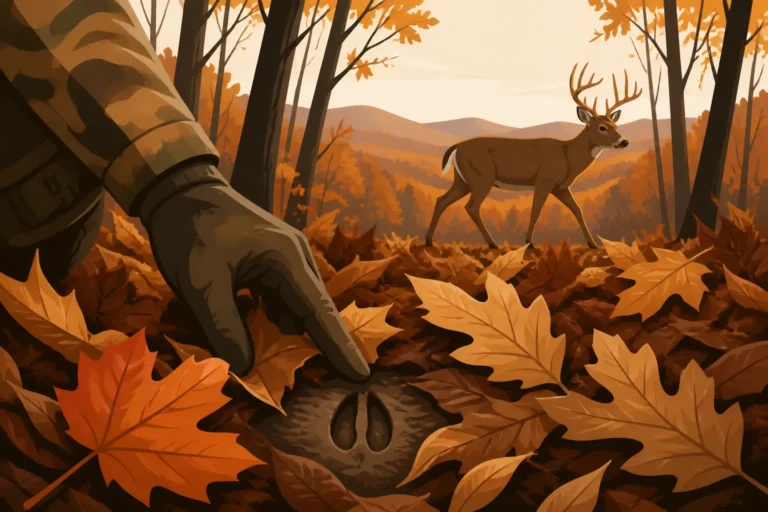
Once you’ve identified potential areas on a map, it’s time for boots on the ground. Visit the WMA before the season opens. Look for fresh turkey sign: tracks, droppings, dusting bowls, and especially strut marks. Pay close attention to potential roosting areas – large, mature trees along ridges or near water are classic spots where Kentucky gobblers roost. The goal is to identify several spots that consistently hold birds and, crucially, to find routes to access these spots quietly and efficiently without bumping birds or running into other hunters. Identifying these less-pressured areas is key to Finding ground others walk past.
Timing Your Hunts for Success
The timing of your hunt can dramatically impact your success, especially on pressured public land. Most hunters flock to WMAs on opening day and weekends. While the excitement is palpable, this also means more competition and more pressured birds. If you're looking to capitalize on that single-bird opportunity, consider these timing strategies:
- Weekdays: If your schedule allows, hunting on weekdays, especially mid-week, can significantly reduce pressure. Birds that have been "educated" by weekend hunters may be more receptive when the woods quiet down.
- Late Season: Many hunters burn out or fill their tags early. The late season, particularly in May when Kentucky gobblers go quiet in May and hens are on nests, can offer opportunities for a determined hunter. While gobblers may be less vocal, they are still searching for receptive hens and might respond to subtle calling.
- Mid-day Lulls: Most hunters are out early and then head in for lunch. Turkeys, however, don’t punch a clock. The mid-day period, especially after 9:00 AM once the morning fly-down chaos has subsided, can be surprisingly productive. Often, a gobbler that was henned up early will start looking for company again.
Adapting Your Tactics to Pressured Birds
Turkey hunting on a WMA with a one-bird limit often means dealing with educated, call-shy birds. Forget aggressive calling and flashy setups – subtle often wins the day.
- Go Light and Mobile: Embrace a "run-and-gun" approach, especially if you're covering a lot of ground. This means a vest with essentials, minimal decoys, and the ability to move quickly and quietly to different setups. Being mobile allows you to react to what the birds are doing and move away from pressure. Read more about Run-and-gun turkey tactics on public land for more insight.
- Subtle Calling: Forget the loud, aggressive hen yelps that work on unpressured birds. Instead, opt for soft clucks, purrs, and occasional subtle yelps. Mimic the sound of a contented hen, not one desperately seeking a mate. Gobblers on pressured ground hear a lot of calling; stand out by being understated.
- Focus on Overlooked Pockets: This goes back to scouting. While everyone is hammering the ridge tops, check thick creek bottoms, dense stands of pines, or remote hollows that are a pain to get into. Turkeys will often seek refuge in these less-accessible areas. Pay attention to how the wind and thermals affect sound and turkey movement on a ridge.
- Strategic Decoy Placement: If you use a decoy, consider a single hen or jake decoy rather than a full strut gobbler. Place it slightly off to the side, perhaps partially concealed, to add realism without being too aggressive. Sometimes, no decoy at all is the best decoy, especially for Decoy placement for pressured Kentucky birds.
- Patience and Stealth: On these WMAs, sitting silently and observing can be incredibly effective. Find a good setup against a large oak or in dense cover and let the woods come alive around you. If you need to move, do so slowly and deliberately, using terrain features to break up your silhouette.
Expanding Your Options Beyond a Single WMA
While you're working within the confines of the one-bird rule for a specific WMA, remember that Kentucky offers a wealth of other opportunities. Don't put all your eggs in one basket – or all your gobblers in one WMA, as it were! Thinking broadly about your hunting season can lead to a more successful and satisfying experience overall.
Exploring Multiple WMAs
One of the best ways to navigate the "one-bird-per-WMA" rule is to have a robust list of alternative public hunting grounds. After you've successfully harvested your bird from a restricted WMA, or if the pressure there is just too intense, you can simply move on to your next planned location.
- Create a Tiered List: Categorize WMAs by their rules, pressure levels, and your scouting intelligence.
- Tier 1 (Restricted WMAs): These are your "one-bird" spots where you'll apply maximum effort for that single, hard-earned bird.
- Tier 2 (General Rule WMAs): These WMAs operate under the general statewide bag limit (typically two gobblers in Kentucky spring season). These are great for follow-up hunts or if your first WMA isn't panning out.
- Tier 3 (Explore & Scout): These are WMAs you might not know well, but are worth Scouting Kentucky public land before season for future seasons.
- Understand Different Management Styles: Not all WMAs are managed the same way. Some are intensively managed for specific game, others are more remote and wild. Learning about these differences can help you tailor your expectations and tactics. You can find more details on Kentucky Wildlife Management Areas through the KDFWR.
Kentucky has a diverse array of public lands, from the vast expanses of Daniel Boone National Forest to smaller, regionally specific WMAs. Spreading your effort across several of these areas not only increases your chances of tagging out but also broadens your hunting experience.
| WMA Type | Typical Turkey Bag Limit | Common Pressure Level | Key Strategy Considerations |
|---|---|---|---|
| "One-Bird" WMAs | 1 gobbler per spring season | High | Meticulous scouting, subtle calling, off-peak timing |
| General Rule WMAs | Statewide limit (e.g., 2 gobblers) | Moderate to High | Varied tactics, can revisit if successful, good for follow-up |
| Quota Hunt WMAs | Specific to quota (often 1 or 2) | Varies (draw dependent) | Application dependent, often higher quality, less pressure |
| National Forest Land | Statewide limit | Varies (remote areas less) | Mobility, extensive scouting, finding remote pockets |
Utilizing the Full Season Structure
Kentucky’s spring turkey season is not just one monolithic block of time; it has distinct phases. Don't limit yourself to just opening week.
- Youth Weekend: If you have a young hunter in your family, take advantage of the special Kentucky Youth Turkey Weekend Dates. These early opportunities can be excellent ways to get a bird before general season pressure hits, and some WMA rules might even be slightly different for youth.
- Early Season (April): Often characterized by vocal birds and aggressive breeding behavior. This is when gobblers are most likely to respond to calls.
- Mid-Season (Late April/Early May): Hens begin to nest, and gobblers might become harder to locate as they "hen up" with fewer receptive females. This is when patience and strategic calling become crucial.
- Late Season (Mid-May): As mentioned, the woods can quiet down, but frustrated gobblers may be more willing to come to a call if they haven't bred many hens. This is a time for persistence and covering ground.
By understanding these phases, you can better allocate your time across different WMAs, ensuring you're hitting each one during its prime or when conditions align best with your preferred tactics.
Considering Private Land Opportunities
While the focus here is on public land strategies, it’s worth a quick mention that supplementing your public land efforts with private land access can greatly enhance your overall season. If you've filled your WMA tag and are struggling on general rule public lands, a bit of legwork to gain private land permission can pay huge dividends.
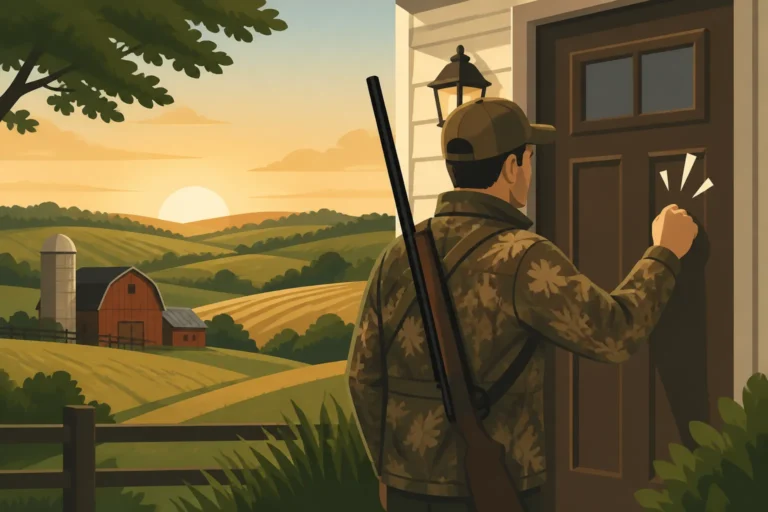
This doesn't always mean leasing expensive ground. Sometimes, a friendly knock on a farmer's door, offering to help with chores, or simply asking politely for permission to hunt a woodlot can open up new opportunities. Farmers often welcome hunters to help manage turkey populations that might be impacting crops. Learning about Getting private land permission in Kentucky can add significant flexibility to your spring turkey season and increase your chances of filling your Kentucky Turkey Bag Limit Rules.
The "one-bird-per-WMA" rule might initially seem like a barrier, but with careful planning, smart scouting, and adaptable tactics, it can actually push you to become a more well-rounded and successful turkey hunter. Embrace the challenge, enjoy the journey, and make every public land gobbler count!
Disclaimer
Hunting is an inherently dangerous activity. Always prioritize safety, follow all local, state, and federal regulations, and obtain proper licenses and permits. The information provided in this guide is for informational purposes only and should not be considered legal advice. Consult the Kentucky Department of Fish and Wildlife Resources for the most current and accurate regulations before heading afield.