Decoy Placement for Pressured Kentucky Birds
There's nothing quite as frustrating as doing everything right – scouting, finding birds, setting up perfectly – only to have that big tom hang up at 70 yards, strutting his heart out but refusing to commit. You've placed your decoys, made your calls, and he just stares, suspicious, before melting back into the timber. It’s a common scenario when you're hunting those seasoned Kentucky gobblers, the ones that have seen it all and are wise to our tricks. This guide is all about how to beat that wary behavior, focusing on decoy placement strategies designed specifically for these pressured birds.
Understanding Pressure and Its Impact
When we talk about "pressured birds" in Kentucky, we're really talking about turkeys that have had multiple encounters with hunters. These aren't your naive first-season poults; these are birds that have learned caution through experience, whether on heavily trafficked public lands or private tracts where they're targeted consistently.
How Kentucky Birds Learn Caution
Kentucky's long hunting traditions mean that many of our gobblers, especially on readily accessible public land or even small, privately leased properties, become incredibly wary very quickly. Imagine a gobbler that has encountered a static, unnatural-looking decoy setup multiple times. He might have seen a hunter jump out of a blind, or heard a call that just didn't sound quite right. These experiences teach them to associate certain sights and sounds with danger. They become experts at identifying anomalies in their environment.
This learning curve can manifest in various frustrating ways. An otherwise hot gobbler might suddenly go silent when he spots your setup, circling wide through dense cover, or "hanging up" just out of range, unwilling to step into the open. It's enough to make you pull your hair out! This isn't just a late-season phenomenon; even early-season birds can be pressured if they've been roosted over repeatedly or had close calls on opening day. They start to approach silently, using terrain and heavy foliage as cover, making a direct line to your setup feel like a deadly trap to them. It’s like they have an internal radar for anything that feels "off."
Identifying Pressured Turkey Behaviors
So, how do you know if you're dealing with a truly pressured bird versus one that's just a little shy? There are several tell-tale signs. First and foremost, a significant reduction in gobbling. While they might still gobble on the roost, they'll often go silent once on the ground, making it incredibly difficult to pinpoint their exact location. When they do respond to a call, it's often a soft, infrequent gobble, and they'll rarely commit quickly. They'll also exhibit extreme wariness, often using every bit of available cover to approach your setup, sometimes appearing from an entirely unexpected direction.
You'll see them "hang up" consistently, meaning they'll approach to a certain distance – often 60-80 yards – and then stop, strutting and drumming, but refusing to close the final distance. They're trying to coax the "hen" (your decoy) to come to them. If you've been working a bird hard and he constantly circles out of sight or stays just out of range, chances are he's been educated. Before you even set up, taking time for Scouting Kentucky Public Land Before Season and really observing how birds move and react in that specific area can give you a huge advantage. Pay close attention to subtle cues like how they enter fields, where they cross fences, and what paths they choose when moving between woodlots. Apps like GoHunt can be invaluable here, helping you pinpoint less accessible areas where birds might feel safer, allowing you to anticipate their evasive maneuvers.
Choosing the Right Decoys for Wary Birds
When gobblers are acting like they've got advanced degrees in evading hunters, your decoy strategy needs to shift from "more is better" to "realism is everything." Forget the cheap, shiny plastic decoys you picked up on sale; these birds have seen those before, and they know the difference.
Realism Over Quantity
For pressured Kentucky gobblers, one highly realistic decoy often outperforms a dozen less convincing ones. These birds are looking for subtle cues that tell them whether a situation is safe or not. A decoy with lifelike feather detail, natural coloration, and a realistic posture can make all the difference. Many of the older, cheaper decoys on the market have an unnatural sheen, making them glow in certain light conditions, which immediately screams "fake" to a wary tom.
Instead, invest in decoys from brands like Avian-X, Dave Smith Decoys, or Higdon Decoys, known for their exceptional realism and flocking to reduce shine. Think about the posture: a submissive hen, head down, feeding, often conveys safety and comfort. An alert hen, head up, might signal caution, which could make a pressured gobbler even more hesitant. The goal is to present a scene that looks so natural, so mundane, that the gobbler's guard drops. A single feeding hen, positioned correctly, can do more to calm a wary bird and draw him into range than an entire flock of cheap, stiff-looking plastics. Remember, quality over quantity is the mantra when you’re dealing with birds that have been poked and prodded all season.
Hen Only vs. Breeding Pair vs. Jakes
The type of decoy setup you choose can dramatically influence a pressured gobbler's willingness to commit. Each configuration tells a different story, and the trick is to match that story to the current mood and experience of the birds you're hunting.
A single submissive hen is often your safest bet for pressured birds, especially later in the Kentucky General Spring Turkey Season. This setup signals a calm, available hen and presents very little threat to an approaching tom. It’s less aggressive and therefore less likely to spook a gobbler that's already on high alert. If you’re trying to coax in a bird that's been consistently hanging up, a lone feeding or breeding hen can offer just enough temptation without raising red flags.
Introducing a breeding pair, typically a strutting tom decoy with a hen, creates a more aggressive scenario. This can work wonders on dominant gobblers that are feeling feisty and ready to challenge an intruder. However, for pressured birds, it can be a double-edged sword. A wary tom might see the strutting decoy as competition and skirt around it, or he might view the entire setup as unnatural and simply move on. If you're encountering birds that seem particularly hesitant or are holding tight to cover, the aggressive nature of a breeding pair might deter them rather than draw them in. Early in the season, when gobblers are still establishing their pecking order and haven't encountered many hunters, this could be effective, but later on, especially if the birds have heard plenty of locator calls, it's a riskier play.
Jake or reaping decoys are the most aggressive option. These are designed to trigger an immediate, often furious response from a dominant tom who can't stand the sight of a subordinate male in his territory. While incredibly exciting when it works, it's usually best reserved for private land hunts or specific scenarios where you know the dominant gobbler's temperament and hunting pressure is low. For pressured birds, a jake decoy can easily send them packing. They've learned that confrontation often means danger, and they're more likely to avoid conflict than engage, particularly if they've already had a close call. Furthermore, reaping requires you to be highly mobile and often exposed, which is difficult on public lands that see a lot of traffic.
Here's a quick comparison of popular decoy types and their suitability for pressured birds:
| Decoy Type | Scenario/Story | Pros for Pressured Birds | Cons for Pressured Birds | Best Use Case |
|---|---|---|---|---|
| Single Hen | Calm, feeding, or receptive hen | Less intimidating, promotes security, highly realistic. | Less aggressive lure, might not trigger dominant tom. | Shy, wary gobblers; late season; heavy pressure. |
| Strutter/Breeder | Dominant tom with receptive hen | Can trigger aggressive dominant toms if not too wary. | Highly aggressive, can intimidate wary birds, looks fake if unrealistic. | Early season, less pressured areas, known dominant tom. |
| Jake | Young, subordinate male challenging a dominant. | Triggers territorial aggression from dominant toms. | High risk of spooking very wary birds, especially when not reaping. | Specific aggressive tom scenarios, private land, reaping. |
| Poults/Fakes | Young turkeys | Can add realism to a hen setup, shows a family group. | Can clutter the setup, not a primary draw. | Enhancing a hen setup, adding depth. |
Ultimately, for pressured Kentucky birds, leaning towards realistic hen setups that convey safety and availability, rather than aggression, will generally yield better results.
Strategic Decoy Placement: It's All About the Story
This is where the rubber meets the road. Choosing the right decoy is one thing, but how you place it can be the make-or-break factor in drawing in a wary gobbler. You're not just putting plastic in a field; you're telling a silent story that needs to be utterly convincing.
Creating a Realistic Scene
When setting your decoys for pressured birds, every detail matters. Think about how real turkeys behave. They don't just stand stiffly in the middle of a field. They feed, preen, and move naturally. Your decoy placement should reflect this. Position decoys in natural-looking groups, not in a perfectly straight line or too bunched up. If you're using multiple hens, have one feeding, another slightly alert but calm. A single hen with her head down, picking through grass, conveys absolute peace – something a pressured gobbler might find irresistible.
Consider your surroundings. Are there natural travel corridors, logging roads, or subtle rises in the terrain? Use these to your advantage. Placing a feeding hen on a slight rise can make her more visible and give the impression of a relaxed bird enjoying a good meal. Always be mindful of the sun's position. You want the sun at your back, if possible, shining on your decoys to illuminate them naturally and make it harder for the gobbler to see into your shadowed blind or position. Avoid placing decoys in direct, harsh sunlight if they have any unnatural sheen, as this will highlight their artificiality. Similarly, consider the wind. Turkeys often face into the wind or have it at their back when strutting, so mimicking natural behavior is key. Placing your decoy slightly off the direct line of approach, compelling the gobbler to walk past it and into your shooting lane, can be incredibly effective.
Funneling and Presentation Angles
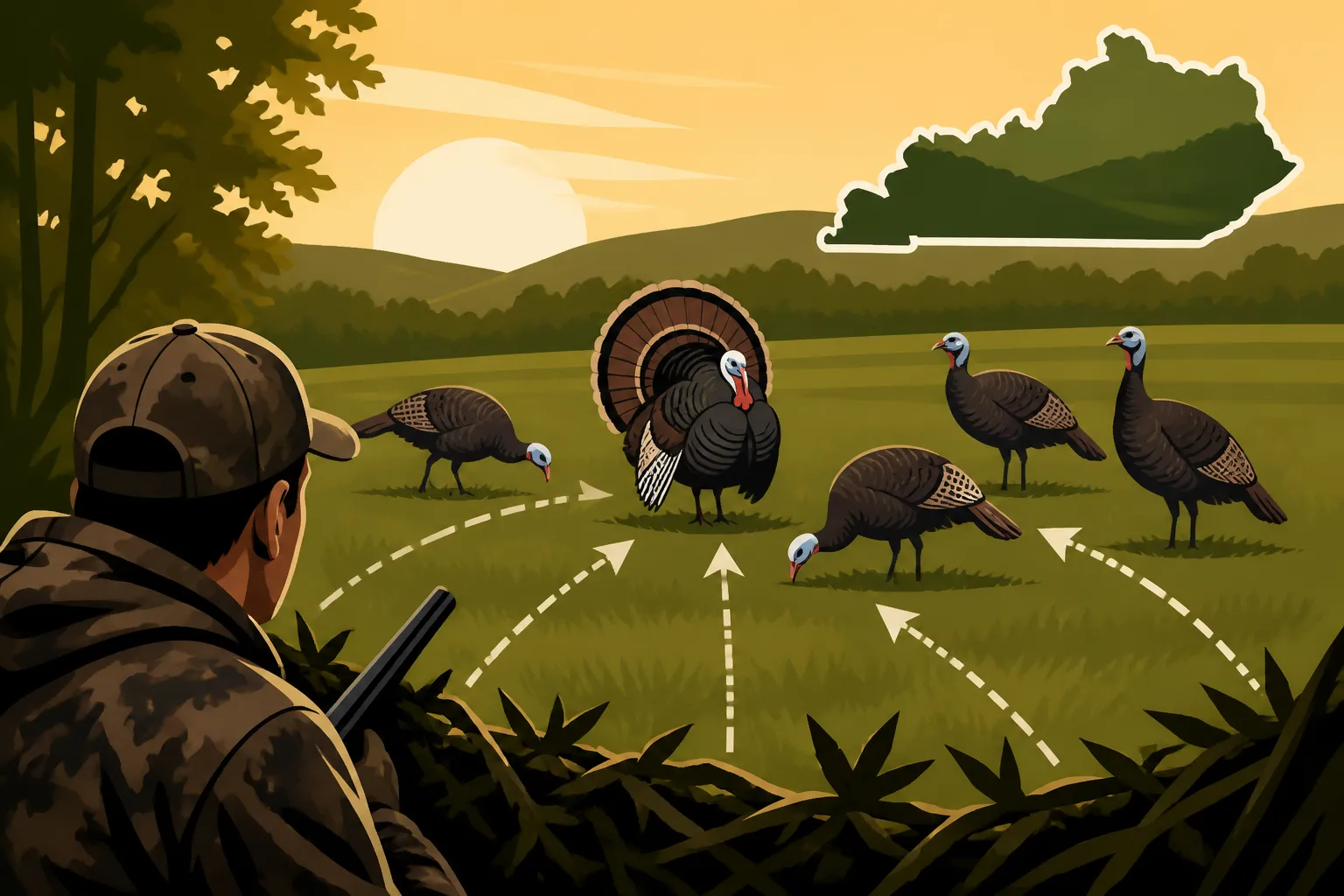
The true art of decoy placement for pressured birds lies in using them to dictate the gobbler's approach and turn it into a high-percentage shot opportunity. You want to funnel that bird exactly where you want him, without him ever realizing it. One of the most critical aspects is the angle at which your decoys face. Never have your primary hen decoy facing directly at the gobbler's most likely approach. Instead, position your hen decoy so that she is facing away from your shooting position, slightly quartering away from the expected approach of the gobbler.
Why is this so important? Because when a gobbler comes in to breed or investigate, he will almost always circle to get in front of the hen. He wants her to see his magnificent strut, and he wants to be able to "face" her. By placing your decoy facing away from you, you encourage him to walk past your decoy and circle around it to face her, ideally bringing him broadside or slightly quartering away, precisely into your shooting lane. This can put him at the perfect Turkey Shotgun Gauge Choice distance, usually 15-25 yards for a shotgun or 30-40 yards for an archery setup.
It's about creating a "sweet spot" at your optimal shooting distance. If the decoys are too close to you, the bird might get too close to your setup, potentially spotting you or a blind edge. If they're too far, he might still hang up outside your effective range. Use terrain features, like a small dip or a log, to create a natural "lane" that the gobbler follows. Remember, these birds are conditioned to approach with caution, so making their path feel natural and unobstructed is crucial. Even on public lands with heavy pressure, paying attention to these micro-funnels and presentation angles can make all the difference in turning a hung-up gobbler into a success story.
Adapting to Conditions and Post-Setup Adjustments
Even with the perfect decoys and a well-thought-out initial placement, pressured birds often demand flexibility. What works one day might not work the next, and what works for one gobbler might not work for another. Being able to read the bird and adapt your strategy is paramount.
Reading the Bird's Approach
Once you've made your calls and a gobbler starts responding, pay close attention to his body language and how he approaches your setup. Is he gobbling aggressively and coming in fast, or is he quiet, tentative, and taking his sweet time? If he's strutting hard and closing distance, your setup might be working perfectly. If he's hanging up, pacing, or circling wide, he's likely feeling cautious. Notice his head position – if it's high and constantly scanning, he's alert. If it's lowered slightly, focused on the decoy, he might be more comfortable.
If a gobbler hangs up at 70 yards and just stands there strutting, don't immediately crank up the volume on your calls. Often, less is more with pressured birds. A soft, contented cluck or purr might be all it takes to convince him that the "hen" is safe and inviting. Too much calling can sometimes reaffirm his suspicion. Sometimes, the decoy itself is doing its job, and the bird just needs time to convince himself it's safe. Patience is a virtue, especially when dealing with these wary, experienced Toms. This is where your knowledge of Kentucky Turkey Population Trends and general bird behavior really pays off.
When to Adjust or Abandon Decoys
There will be times, even with the most realistic decoys and perfect placement, when a pressured gobbler simply refuses to commit. He might circle out of range repeatedly, constantly hanging up, or even completely ignore your setup despite your best calling efforts. In these frustrating scenarios, it's time to consider adjusting or even abandoning your decoy strategy.
If a bird consistently hangs up at the same distance, slightly out of range, you might need to adjust your decoy placement to bring that "sweet spot" closer to your position. This could mean moving the decoy 10-15 yards closer to you, or slightly changing its angle to encourage a tighter circle. However, if the bird is truly spooked or showing no interest in the decoys whatsoever, sometimes the best move is to go "decoy-less." This might involve a tactical retreat and repositioning, focusing instead on stealth, superb camouflage, and highly realistic calling from a concealed position. This strategy is often used in situations where hunters employ Run-and-Gun Turkey Tactics on Public Land, where mobility and concealment are prioritized over a static decoy setup.
On days when gobblers seem completely locked up or uninterested, especially later in the season When Kentucky Gobblers Go Quiet in May, a minimalist approach can be surprisingly effective. Relying solely on your calling ability and excellent concealment, perhaps by Setting Up Against a Big Oak, can sometimes trick a bird that has learned to associate decoys with danger. Don't be afraid to change your game plan mid-hunt. A willingness to adapt is often the key to success with Kentucky's pressured gobblers.
Disclaimer
Hunting involves inherent risks. Always prioritize safety, understand and follow all Kentucky Department of Fish and Wildlife Resources regulations, and obtain appropriate licenses and permits. This guide is for informational purposes only and does not guarantee hunting success.