Layout Blind Hunting Western Kentucky Fields
There’s nothing quite like the sight of a perfect V-formation of geese silhouetted against a crisp Western Kentucky sunrise, or the whistle of mallard wings cutting through the pre-dawn silence. But getting those birds into range in open fields can feel like an impossible puzzle, especially when they've been shot at a few times. This guide is all about helping you master the art of layout blind hunting in Western Kentucky's vast agricultural landscapes, turning those frustrating fly-bys into memorable hunts.
Why Western Kentucky Fields are a Waterfowler's Paradise
Western Kentucky isn't just known for its beautiful lakes; it's a critical stopover and wintering ground for countless waterfowl navigating the Mississippi Flyway. When the birds push south, they often find sanctuary and crucial feed in the expansive agricultural fields that dominate the landscape here. For hunters willing to put in the effort, these fields offer some of the most consistent and exciting opportunities for ducks and geese alike.
The Landscape and Its Draw for Waterfowl
Imagine endless acres of cut corn, soybean stubble, or even winter wheat. This isn't your typical flooded timber or big-water hunt. These are vast, open areas, often flat, that provide an all-you-can-eat buffet for weary migratory birds. Ducks and geese, especially Canada geese and mallards, will pile into these fields to feed, refuel, and rest, making them prime locations for hunters. The sheer scale of these fields means that birds can be spread out, but it also means there's a lot of undisturbed territory for them to utilize. Understanding the importance of these agricultural zones for waterfowl is the first step to truly appreciating why layout blinds are so essential here. It's not just about a pretty view; it's about intercepting birds where they feel safe to feed.
Kentucky's geography in this region, with its proximity to major water bodies like Kentucky Lake and Lake Barkley, means birds are constantly moving between water and fields. They'll roost on the large open water or in sheltered sloughs, then fly out to the fields to feed, often multiple times a day. This pattern creates predictable flight lines and makes hunting these fields incredibly effective if you can get under them. The birds are simply doing what comes naturally, and our job as hunters is to use that to our advantage.
Understanding Local Migration Patterns
The success of any waterfowl hunt, especially in open fields, hinges on being in tune with the birds' movements. In Western Kentucky, understanding the nuances of the duck migration timing through Kentucky and goose migrations is absolutely critical. Early in the season, you might find more local birds or those that haven't traveled far. As the weather turns colder up north, waves of new birds will push through, often bringing more cautious, "educated" waterfowl with them.
For geese, especially giant Canadas, local populations will often be supplemented by migrants that come down from Canada and the northern states. These birds are looking for reliable food sources and undisturbed areas, and Western Kentucky's agricultural heartland fits the bill perfectly. Monitoring weather patterns, both locally and hundreds of miles to your north, can give you a significant edge. A strong cold front pushing through the Dakotas or the Great Lakes region often means new birds will be arriving in Kentucky within a few days, bringing fresh opportunities. Websites like GoHunt and local scouting reports can be invaluable for tracking these movements and understanding the pressure birds are facing further north.
Essential Gear for Layout Blind Success
Hunting open fields demands specialized gear. You can't just throw on some camo and stand behind a tree here; there are no trees! Layout blinds are the obvious hero of this type of hunting, but equally important are your decoys, your shotgun setup, and the clothing that keeps you comfortable and hidden. Don't skimp on any of these elements, as each plays a vital role in fooling wary birds.
Choosing the Right Layout Blind
A good layout blind is your mobile hideout, your fortress of solitude in the middle of a vast field. It needs to be comfortable for hours, effectively conceal you, and be easy to deploy and pack up. There's a wide range of options out there, from simple low-profile coffin blinds to more elaborate designs with extra storage. The key is finding one that truly disappears into the environment you're hunting.
Consider the dimensions: can you easily get in and out? Is there enough room for your shotgun, calls, and perhaps a small bag? The back support is also crucial; you'll be lying down for extended periods, and comfort prevents fidgeting, which can easily flare birds. Look for brands like Avery, Final Approach, or Rogers Sporting Goods for reliable options. They've been in the game for a long time and understand what hunters need.
When it comes to color and pattern, match your blind to the specific field conditions. Most layout blinds come in various stubble camo patterns that mimic dry grass, cornstalks, or dirt. However, the real trick is to "brush in" your blind effectively, making it look like a natural part of the field. We'll dive deeper into that in the setup section, but remember, the blind itself is just the starting point; how you integrate it into the landscape is what truly matters.
Decoy Spreads for Western Kentucky Ducks and Geese
Decoys are your silent partners in the field, drawing birds in and giving them the confidence to commit. For Western Kentucky field hunting, you'll typically be running large spreads of both duck and goose decoys, sometimes mixed. The goal is to create a realistic, inviting scene that mimics resting and feeding birds.
For geese, full-body decoys are often the most effective, as they offer incredible realism. You can mix in a few sentry positions with feeders to create a natural-looking flock. Motion decoys, such as fliers or spinners, can also add crucial realism on calm days, but be mindful of their use if birds are particularly shy. If you're hunting Canada geese on Kentucky farmland, large spreads of a few dozen to over a hundred can be extremely effective, especially when targeting mature, flocking birds.
For ducks, especially mallards on Kentucky Lake and surrounding fields, a combination of full-body decoys and some shell decoys can work well. Again, adding motion with spinner wing decoys can enhance visibility from a distance, but always observe how the birds react. Sometimes, less is more, especially with highly pressured birds. The pattern you create with your decoys is also important. A common layout is a "U" or "J" shape, with the open end facing into the wind where you expect the birds to land, creating a safe landing zone directly in front of your blinds.
Here's a quick look at common field decoy types:
| Decoy Type | Description | Pros | Cons | Best Use |
|---|---|---|---|---|
| Full-Body Goose | Life-sized, three-dimensional goose decoys, often with flocked exteriors. | Highly realistic, visible from afar. | Bulky to transport, more expensive, can be heavy. | Dominant choice for goose field hunting. |
| Shell Goose | Two-dimensional, hollow plastic "shells" that sit on stakes. | Lighter, easier to transport, more affordable. | Less realistic profile from certain angles, can blow over in wind. | Filling out large spreads, adding bulk to full-body spreads. |
| Full-Body Duck | Life-sized, three-dimensional duck decoys. | Excellent realism up close. | More expensive, takes up more space than bags of shells. | Closer range duck field hunting, adding detail to spreads. |
| Duck Silhouettes | Two-dimensional flat decoys, typically plastic or metal, on stakes. | Very lightweight, packable, affordable, great for large numbers. | Less realistic from broadside, prone to blowing in strong winds. | Creating large, visible duck spreads quickly. |
| Motion Decoys | Spinners, flappers, or other battery-operated decoys. | Adds crucial movement, highly visible, great for calm days. | Can flare educated birds, requires batteries, mechanical issues. | Grabbing attention from a distance, adding realism on still days. |
Clothing and Comfort in the Field
Being comfortable in a layout blind isn't a luxury; it's a necessity for staying focused and still. Western Kentucky weather can be incredibly unpredictable, especially during migratory bird seasons. You might start a morning hunt in freezing temperatures, only for it to warm up considerably by midday. Layering is absolutely key.
Start with good base layers that wick moisture away from your body. Merino wool or quality synthetics are excellent choices. Over that, add insulating layers, like fleece or a puff jacket. Your outermost layer should be a waterproof and windproof shell in a camouflage pattern that blends with the field. Think about the specific colors of dried cornstalks or soybean stubble. You’ll also need a warm hat, gloves, and perhaps a neck gaiter or face mask.
Don't forget the importance of proper footwear. While you won't be doing a lot of walking once in the blind, getting to and from your spot, especially through muddy fields, requires sturdy, waterproof boots. Rubber boots are often preferred for their warmth and impermeability to mud and shallow water. A pair of warm, dry socks is a small luxury that makes a huge difference. Remember, the colder and wetter you get, the more likely you are to shift, fidget, and ultimately scare off birds. Investing in quality gear for a cold-weather sitting strategy in Kentucky is always money well spent.
Scouting and Setup Strategies
You can have the best gear in the world, but without proper scouting and a well-executed setup, you're just a lump in a field. This is where the real "hunting" happens – long before opening day or even the morning of the hunt. It's about knowing the birds, knowing the land, and disappearing into it.
Locating Hot Fields and Feed Sites
The absolute foundation of successful layout blind hunting is finding where the birds want to be. This means scouting, scouting, and more scouting. Before the season, or even weekly during the season, you need to be out there glassing fields from a distance. Look for concentrations of ducks or geese. Pay attention to their flight paths as they leave water and head to feed.
Often, birds will hit the same fields repeatedly, especially if they are undisturbed and offer abundant food. Cut cornfields are perennial favorites for geese, while ducks often prefer fields with residual water or those closer to their roosting areas. Don't just look for birds in the air; look for birds on the ground. Use binoculars or a spotting scope to identify fields where large numbers are feeding or loafing. This is where tools like GoHunt can really shine, allowing you to identify land ownership and potential access points from your couch, saving valuable time on the ground.
Once you've identified a promising field, observe it over several days if possible. Do the birds use it every morning, every evening, or both? What are their entry and exit points? How much pressure are they getting elsewhere? These observations are gold. Be stealthy in your scouting; you don't want to spook the birds off their preferred feeding grounds before you even get a chance to hunt them.
Concealment and Blending Your Blind
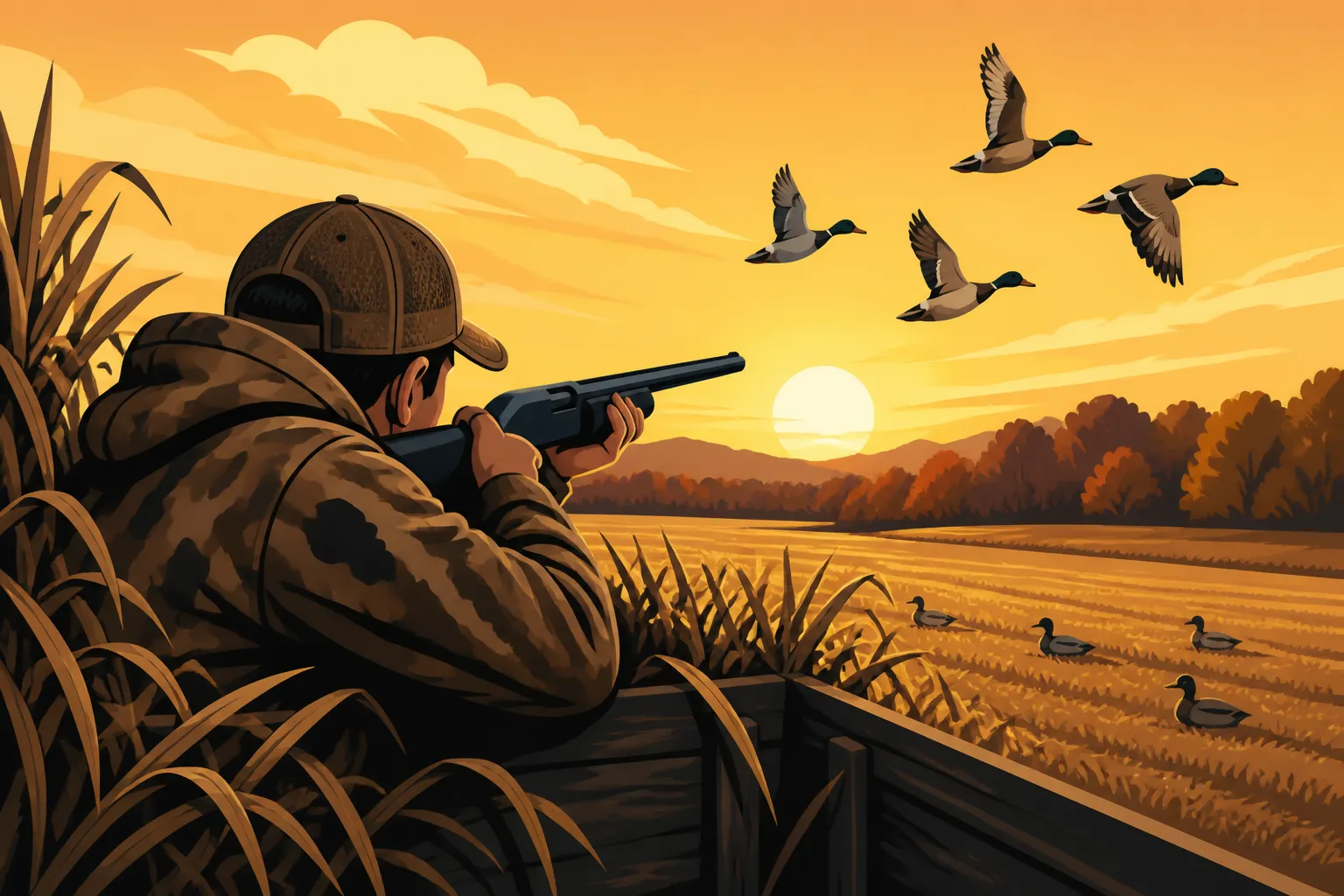
This is arguably the most critical aspect of layout blind hunting: making your blind disappear. Birds, especially geese, have incredible eyesight, and a foreign lump in the middle of their feeding grounds will send them veering off every time. The goal is not just to be camouflaged, but to truly integrate your blind into the natural contours and cover of the field.
After you've placed your blinds in your chosen spot, it's time to "brush them in." This means collecting natural vegetation from the field itself – cornstalks, soybean stubble, natural weeds, or cut grass – and weaving it into the stubble straps and loops on your blind. Don't be shy; load it up! The more natural material you can add, the better. Break up the hard edges of the blind. Even better, find a natural depression, a slight rise, or a fencerow where you can tuck your blind to further break up its outline.
Think about the sun's angle throughout the morning. Will your blind cast a long, unnatural shadow? Position your blinds with this in mind. It's a lot of work, often in the dark before first light, but it's the difference between birds cupping their wings for a landing and flaring at 200 yards. Don't forget to blend yourself as well; wear a face mask and gloves that match your blind's brushing. Every little detail matters when you're trying to fool a bird with a brain the size of a walnut.
Wind, Sun, and Bird Approach
Understanding the elements is crucial for setting up your layout blinds for success. Waterfowl almost always land into the wind, much like an airplane. This means you want your decoy spread and your blinds positioned so that the birds will approach into the wind, putting them directly in front of and over your blinds for the shot.
Before setting up, check the wind forecast. If it changes, be prepared to adjust your setup. Ideally, you want the wind at your back, pushing the birds towards you. However, you also need to consider the sun. Early morning birds can be incredibly hard to decoy if they're looking directly into the sun and seeing silhouettes or glare from your blind or face. Try to position your blinds so that the sun is either at your back or directly overhead when the main flight is expected.
Another factor is the typical approach path. Birds will often come from their roosting water. Pay attention to how they enter the field – do they swing wide, follow a tree line, or come straight in? Set up your blinds and decoys along these natural flight paths. Using a ground blind on Kentucky public land means you also need to be mindful of other hunters. Position yourself to minimize interference and maximize safety for everyone.
Field Hunting Tactics in Action
Once you're hidden and the birds are flying, the real fun begins. But it's not just about lying there and waiting; active calling, strategic shooting, and working as a team can dramatically increase your success rate. These tactics turn a waiting game into an engaging interaction with the birds.
Calling Strategies for Ducks and Geese
Calling is an art form, not just a noise-making exercise. For field hunting in Western Kentucky, you'll need a different approach than calling over water. Geese often require loud, persistent calling to grab their attention from a distance, then a more contented feeding chatter as they approach. Your goose calls should mimic the excited honks and murmurs of a large feeding flock. Brands like Zink, Foiles Migrators, or Echo make excellent goose calls that can cut through the wind and reach distant birds.
For ducks, especially mallards, a feed call can be incredibly effective in fields. A soft, contented "cluck and quack" signifies a safe, feeding environment. Only use loud hail calls if the birds are distant and not responding to softer calls. As they get closer, switch to more subtle quacks and feed calls. Always watch the birds' reactions. Are they turning? Are they looking? If your calling is flaring them, ease off or change your cadence. The goal is to reassure them, not scare them. Learning to read the birds and adapt your calling accordingly is a skill that comes with practice, but it's essential for consistent success.
Working the Edges and Fencerows
While the wide-open expanse of a cut cornfield is tempting, sometimes the best spots for layout blinds aren't smack dab in the middle. Birds, particularly geese, often utilize the edges of fields, especially those adjacent to fencerows, tree lines, or sloughs. These areas can offer a sense of security and a natural break in the landscape, making your blind easier to conceal.
Fencerows, in particular, can be golden. The vegetation and slight elevation changes can help break up the outline of your blind, and birds often follow these natural contours as they enter or exit a field. Setting up on a western Kentucky field edge can also put you closer to where birds might be traveling between fields or heading back to water. This strategy can be especially effective when birds are pressured and less willing to commit to a wide-open landing zone.
It’s also crucial to identify any standing cover left after harvest. A strip of standing corn, a patch of thick weeds, or even a deep ditch can offer ideal concealment opportunities. Don't just pick the most convenient spot; pick the spot that offers the best blend of cover, wind advantage, and bird approach. Thinking like a bird is a crucial part of this game.
Maximizing Success with a Hunting Party
Waterfowl hunting, especially with layout blinds, is often a team sport, and a well-coordinated hunting party can dramatically increase your odds. Communication is paramount. Before the hunt, discuss roles: who will be calling, who will be "flagging" (using a goose flag to simulate movement), and who will be watching for incoming birds from different directions.
When birds are approaching, clear communication helps avoid confusion and ensures everyone is ready at the right moment. Designate a shot caller who will give the command to sit up and shoot. This prevents multiple hunters from jumping up at different times, which almost always results in flared birds. Ensure everyone knows their shooting lanes and prioritizes safety.
Working together to brush in blinds, set decoys, and carry gear also makes the entire experience more efficient and enjoyable. More hands mean you can deploy a larger, more realistic decoy spread and spend more time perfecting your concealment. It's also just more fun to share the experience with friends. Just remember, more hunters mean more potential for movement or noise, so strict discipline in the blinds is even more critical with a larger group.
Overcoming Common Challenges
Layout blind hunting in Western Kentucky fields is incredibly rewarding, but it’s not without its challenges. Wary birds, shifting weather, and navigating public land considerations can all throw a wrench in your plans. A successful hunter isn't just skilled; they're adaptable.
Dealing with Educated Birds
After a few weeks of hunting pressure, ducks and geese can become incredibly "educated." They’ve seen it all: bad calling, poor concealment, and blown shots. These birds will often circle higher, wider, and observe your spread with intense scrutiny. This is when attention to detail really pays off.
When facing educated birds, consider scaling back your calling. Sometimes, subtle clucks and murmurs are more effective than aggressive hail calls. Focus on realism in your decoy spread – ensure full-body decoys are spaced naturally and facing different directions. Minimize motion if birds seem wary of spinners. Most importantly, become absolutely motionless in your blind. Even a slight movement of your head can be picked up by a high-flying goose.
Another tactic is to try a different field or area if possible. Sometimes, the birds just need a break from intense pressure in a particular spot. Being patient and letting birds work your spread thoroughly, even if it means passing on marginal shots, can lead to better opportunities when they finally commit. Remember, it's better to go home empty-handed than to educate birds even further by shooting at out-of-range birds.
Weather Woes and Adaptations
Kentucky weather is a fickle beast. One day it's mild and sunny, the next it's a driving rain or a biting cold front. These changes can significantly impact waterfowl behavior and your hunting experience.
In strong winds, ensure your decoys are anchored securely and your blinds are weighted down to prevent them from blowing around. Strong winds can also make it harder for birds to land, causing them to approach differently. Use the wind to your advantage, knowing they'll land into it. On calm days, when birds can spot anything, motion decoys become more crucial, but so does impeccable concealment. A glassy field on a calm, sunny day is a tough hunt, so you'll need every advantage you can get.
Rain, sleet, or snow can make for miserable hunting conditions, but often, these are the best days for waterfowl. Birds tend to fly lower and are less wary in inclement weather. Invest in top-tier waterproof gear, including Waders for flooded timber hunting if you transition to slightly wetter fields, and make sure your shotgun is protected. Your comfort directly impacts your ability to stay still and focused. Don't let a little discomfort ruin a potentially fantastic hunt.
Public Land Considerations
While many Western Kentucky fields are privately owned, there are still public land opportunities, especially on Wildlife Management Areas (WMAs) or federal lands like Land Between the Lakes. However, hunting public land comes with its own set of challenges, primarily increased hunting pressure.
When hunting public ground, scouting is even more critical. You need to find those hidden pockets or fields that other hunters might overlook. Get there early to secure your spot, especially on opening days or during peak migration. Be prepared for company, and always be courteous and safe around other hunters. Understand the specific rules for public land, which might include restrictions on ATVs, specific access points, or WMA permit requirements. Using the Kentucky Hunt Fish App or online mapping tools like GoHunt can help you understand public land boundaries and find less-pressured areas.
Hunting pressure on Kentucky public land can teach birds to avoid obvious spots. This is where those nuanced scouting skills come into play. Look for small, overlooked fields, or areas that require a longer walk to access. Often, the effort of a longer hike will lead you to birds that haven't been shot at all week.
Legalities and Best Practices
As with any hunting, understanding and adhering to the law is non-negotiable. Beyond the letter of the law, practicing ethical hunting and showing respect for landowners and the game itself ensures the future of our sport.
Understanding Kentucky Waterfowl Regulations
Kentucky has specific rules and regulations for waterfowl hunting, and ignorance is no excuse. Before you even step foot in a field, make sure you understand the Kentucky Waterfowl Zones and Seasons. This includes bag limits, shooting hours, and federal requirements like the Federal Duck Stamp and Kentucky Migratory Bird Certification (HIP).
Pay close attention to specific species limits. Mallards, for instance, might have a different daily bag limit or hen restrictions compared to gadwalls or pintails. Goose limits can also vary by species and zone. Always use non-toxic shot for waterfowl hunting; lead shot is strictly prohibited for these birds. Keep your hunting license, state and federal duck stamps, and HIP certification easily accessible – ideally, on your phone using the Kentucky Department of Fish and Wildlife Resources app. Checking Kentucky's official regulations annually is a must, as rules can change from season to season.
Respecting Private Land and Landowners
The vast majority of prime agricultural fields in Western Kentucky are privately owned. Gaining access to these fields is a privilege, not a right, and it absolutely requires permission from the landowner. Never assume you can hunt a field just because it's adjacent to public land or looks unkempt.
When seeking permission, be polite, respectful, and willing to work around the farmer's schedule or operations. Offer to help with chores, pick up trash, or simply be a good steward of their property. Clearly communicate your intentions, including where you'll be hunting, what time you'll arrive and leave, and how many people will be in your party. Get explicit permission, and if possible, carry a written note. Always close gates, avoid driving on wet fields, and leave no trace behind – pick up all your empty shells, decoy stakes, and any other trash.
Building a good relationship with landowners is the single most important factor for consistent access to prime field hunting. A reputation for respect and responsibility goes a long way. If you have any doubt about property lines, use a reliable mapping app that shows land ownership, such as GoHunt or onX Hunt.
Disclaimer
Hunting is an inherently dangerous activity. Always prioritize safety, understand and follow all local, state, and federal hunting regulations, and complete a hunter education course. The information provided in this guide is for informational purposes only and should not be considered legal advice. Always verify current regulations with the Kentucky Department of Fish and Wildlife Resources before hunting.