Trapping Kentucky Furbearers
There’s something uniquely satisfying, almost primal, about running a trapline. For many Kentucky hunters, it’s a natural extension of our time in the woods, offering a deeper connection to the land and its wild inhabitants. But let's be real, stepping into the world of furbearer trapping can feel like navigating a maze of regulations, choosing the right gear, and understanding animal behavior, all while battling Mother Nature. This guide is here to untangle that complexity, providing a comprehensive look at how to approach trapping Kentucky furbearers responsibly and effectively, whether you're a seasoned veteran looking for updated info or a curious newcomer eager to learn the ropes.
Understanding Kentucky's Furbearer Landscape
Kentucky is a state blessed with diverse habitats, from the rugged mountains of the east to the sprawling agricultural lands of the west. This variety supports a healthy population of furbearers, offering ample opportunity for trappers. Understanding which species call Kentucky home, where they prefer to live, and how they behave is the first step to a successful and ethical trapline.
Common Furbearer Species and Their Habits
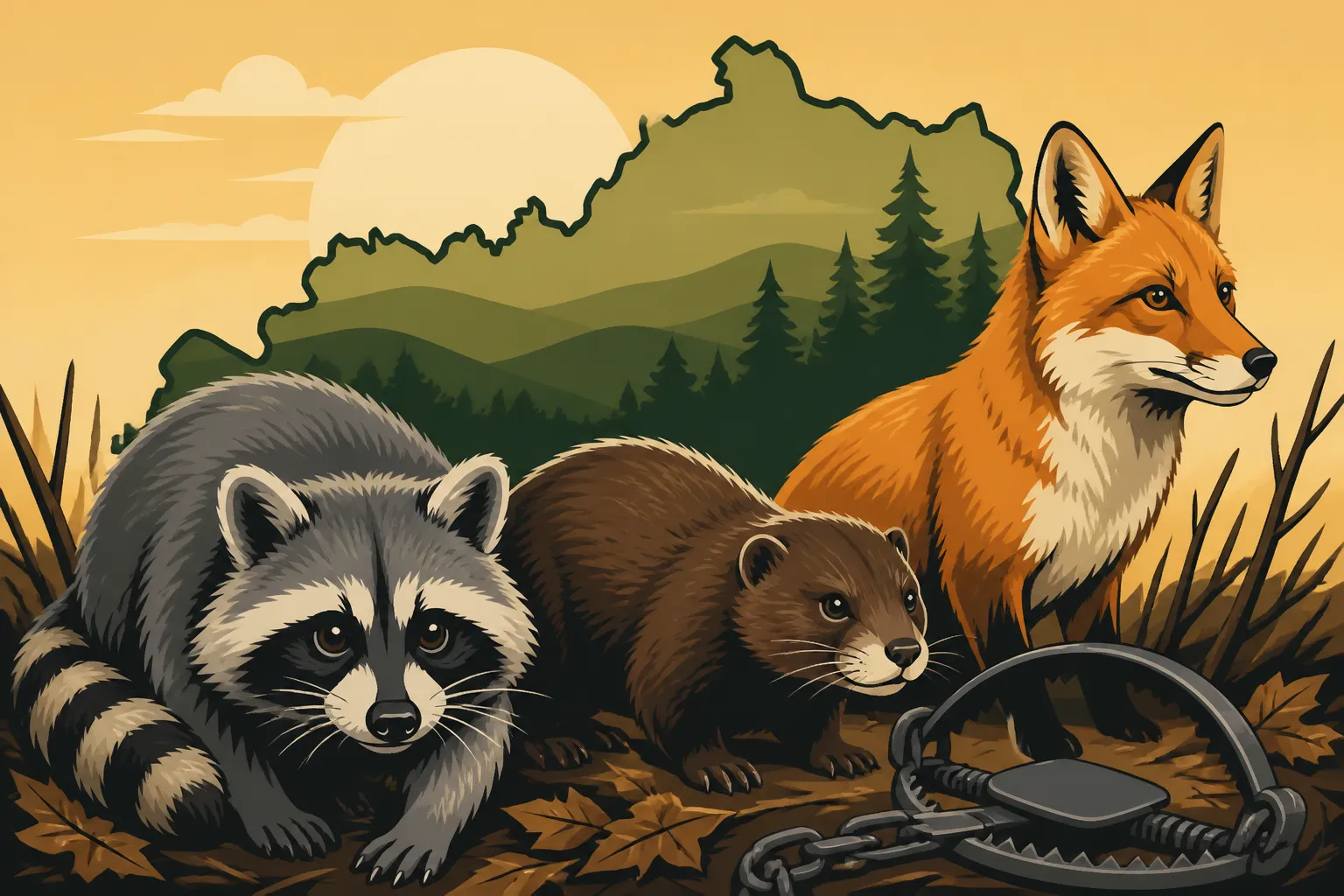
When you think of furbearers in Kentucky, a few key species probably come to mind. Raccoons, opossums, and skunks are abundant, often found close to human habitation as well as deep in the woods. Raccoons, with their masked faces and dexterous paws, are incredibly intelligent and adaptable, frequently foraging along creek bottoms, around old barns, and in cornfields. Opossums, North America's only marsupial, are less particular about habitat, often found wherever food is plentiful, moving slowly and deliberately. Skunks, while known for their potent defense, are also common, usually sticking to more secluded areas but still adaptable.
Then there are the canids and felids: foxes and bobcats. Both red and gray foxes inhabit Kentucky, with gray foxes often preferring more dense, brushy cover and timber, while red foxes are more at home in open fields and farmland edges. Bobcats, once rare, have made an impressive comeback across the state, thriving in the rugged, forested terrain of Eastern Kentucky, but they are increasingly encountered in other regions too. These secretive predators require a different level of scouting and trap placement due to their more cautious nature.
Lastly, we have the aquatic furbearers: beaver, muskrat, and mink. Beavers, nature's engineers, are prevalent in most of Kentucky's waterways, from small creeks to large rivers and farm ponds, identifiable by their dams, lodges, and characteristic chewed trees. Muskrats, smaller cousins of the beaver, are also widespread in aquatic environments, often found in marshy areas, ditches, and ponds where vegetation is lush. Mink, sleek and predatory, are almost exclusively found near water, preying on muskrats, fish, and other small animals, and their presence often indicates a healthy aquatic ecosystem. Knowing these habits is crucial; for instance, you'd never set a coyote trap in a beaver run!
Why Furbearer Management Matters in Kentucky
Furbearers play a vital role in Kentucky's ecosystems, but their populations need careful management. Too many beavers can cause significant flooding and timber damage, impacting agriculture and infrastructure. An overabundance of coyotes can put pressure on deer fawns and small game populations, affecting other species that hunters and wildlife enthusiasts value. Conversely, some species, like the bobcat, have required careful monitoring and conservation efforts to ensure their rebound.
Trapping is a time-honored tradition and a critical tool for wildlife agencies like the Kentucky Department of Fish and Wildlife Resources (KDFWR) to maintain healthy, balanced furbearer populations. It provides sustainable harvest opportunities, helps control nuisance animals, and offers a way to monitor population health through harvest data. For folks living in rural areas, managing these animals can be a real issue. Ever had beavers flood your culvert or coyotes raiding your chicken coop? Trappers provide a valuable service, often dealing with these issues locally.
Kentucky Trapping Regulations and Ethics
Navigating the legalities of trapping can be daunting, but it's essential for ethical and sustainable participation. Kentucky has specific rules designed to ensure furbearer populations remain healthy and that trapping is conducted humanely. Ignorance of the law is never an excuse, so let’s dive into what you need to know to stay on the right side of the regulations.
Licensing, Seasons, and Legal Equipment
First things first: if you plan to trap in Kentucky, you'll need a valid hunting license and a furbearer trapping license. You can purchase these through the KDFWR online portal or at various vendors across the state. It's really no different than getting your deer or turkey tags; just make sure it's current. If you're wondering about the specific costs and options, you can find detailed information on Kentucky Trapping License Requirements. Always keep proof of your license on your person while trapping.
Seasons for furbearers vary by species and can change, so always consult the most current Kentucky Hunting and Trapping Guide. Generally, the furbearer season opens in late fall, usually around the third Saturday of November, and runs through the end of February for most species like raccoon, opossum, and fox. However, some species, such as coyote, have year-round trapping opportunities, though specific methods might be restricted during certain periods. For example, When Kentucky's Raccoon Season Opens is a key date for many trappers. Always check the KDFWR website or the physical guide for precise dates before you set a single trap.
Kentucky also has strict rules on legal equipment. For land sets, footholds and snares are generally permitted, with specific size and jaw spread restrictions for footholds to ensure humane capture. Killer-type traps (like conibears) have even stricter regulations, typically restricted to water sets or in specific elevated situations to prevent unintended captures of non-target species or domestic animals. There are also requirements for trap tags, which must include your KDFWR ID number or name and address. You can't just throw out any old trap and expect to be legal; understanding these nuances is critical.
Ethical Trapping Practices and Animal Welfare
Responsible trapping goes beyond just following the law; it embodies a commitment to ethical practices and animal welfare. The core principle is checking your traps frequently. Kentucky law mandates that all traps must be checked at least once every 24 hours. This minimizes the animal's stress and exposure to the elements, and ensures you can dispatch or release animals humanely. Neglecting your traps is not only illegal but deeply unethical and can lead to unnecessary suffering.
Proper trap placement is another ethical consideration. You want to set traps where your target furbearer is likely to travel, but in a way that minimizes the chance of catching non-target animals like domestic pets or protected wildlife. This means avoiding public walking trails, residential areas, and places where pets are commonly exercised, unless you have explicit permission and take extra precautions. For instance, blind sets for coyotes on a remote ridge might be perfectly acceptable, but a baited foothold near a farmer's house where their dog roams? That's a recipe for trouble. Using deterrents or modifying sets (like placing a cage around a conibear) can further enhance selectivity.
Finally, dispatching animals humanely is paramount. Trappers should be proficient in quick, humane dispatch methods, usually a small-caliber firearm or a blunt trauma to the head, ensuring the animal does not suffer. If you catch a non-target animal, you must be prepared to release it unharmed, which often requires specific tools and knowledge. Organizations like the National Trappers Association and Kentucky Trappers Association offer invaluable resources, training, and best practices for ethical trapping. If you are ever unsure, consulting their guides or attending a workshop is a smart move.
Zone-Specific Rules and Reporting Requirements
While many trapping regulations are statewide, there can be zone-specific rules that affect your activities, especially concerning certain species or public lands. For example, some Wildlife Management Areas (WMAs) might have specific restrictions on trap types, locations, or even require special permits for trapping. Always check the individual WMA regulations before setting traps there. Similarly, urban or suburban areas might have local ordinances that further restrict trapping, even if state law allows it. For example, Kentucky Coyote Hunting Season Rules might not cover specific urban trapping restrictions.
Reporting requirements are relatively straightforward for most furbearers in Kentucky; typically, there's no mandatory telecheck system like there is for deer or turkey. However, KDFWR does conduct periodic trapper surveys to gather harvest data. Participating in these surveys is crucial for sound wildlife management, helping the agency understand population trends and set future regulations. You might also encounter special reporting requirements if you're trapping in a Kentucky Chronic Wasting Disease Surveillance Zone if CWD is detected in furbearers, though currently, this is more focused on deer.
It's also worth noting that Kentucky has strict laws against poaching and illegal trapping. Violating trapping regulations can lead to significant Kentucky Wildlife Violation Penalties, including fines, loss of hunting/trapping privileges, and even confiscation of equipment. Always err on the side of caution and ensure you understand all applicable rules. This is where tools like GoHunt can really shine, providing access to public land boundaries and sometimes even WMA-specific rules, helping trappers ensure they are operating legally and ethically in their chosen areas.
Essential Trapping Gear and Setup Strategies
Getting started in trapping can feel like a big investment, but it doesn't have to be. Smart gear choices and well-thought-out strategies will save you money and headaches in the long run. The key is to select the right tools for the job and understand how to deploy them effectively in Kentucky's varied terrain.
Choosing the Right Traps for Kentucky Conditions
The type of trap you choose is largely dictated by your target species and the environment. For many land furbearers like raccoon, opossum, and fox, foothold traps are a staple. Duke, Victor, and Bridger are common brands you’ll see. You'll want sturdy traps that can hold an animal without causing undue harm. Coil spring traps are popular for their quick action and compact size, while long spring traps offer a more traditional, robust design. For raccoons, a coon cuff or dog-proof trap is incredibly effective and selective, as it only allows animals with dexterity (like a raccoon) to reach the bait. These are fantastic for minimizing non-target catches.
For more powerful animals like coyotes, you'll need larger, heavier-duty footholds, often with laminated or offset jaws to reduce injury. These traps are designed to hold the animal securely without bone breakage, allowing for humane dispatch or release. For water sets targeting beaver and muskrat, body-gripping traps (like Conibear 330s for beaver or 110s/160s for muskrat) are highly effective and provide a quick, humane kill. These are usually set submerged or in dive-under configurations. Snares are also a versatile option for various furbearers, particularly coyote and fox, often used in trails or pinch points. The gauge of the snare cable and the presence of a deer stop (to prevent accidental capture of deer) are important considerations.
It’s not just about the trap itself; you'll also need supporting gear. Trap setters, specialized tools for compressing springs, are a must-have, especially for larger body-gripping traps. Drag chains, rebar stakes, and earth anchors are essential for securing your traps, ensuring an animal can't pull free and escape, potentially carrying off your valuable trap. When you're scouting with a tool like GoHunt, understanding the terrain – whether it's soft dirt for earth anchors or rocky ground requiring heavy rebar – will help you decide which anchoring system to carry.
Setting Up Effective Traplines and Baits
Setting an effective trapline is more art than science, honed by experience and observation. It starts with meticulous scouting. Look for travel corridors, pinch points, feeding areas, and signs of furbearer activity. Fresh tracks, scat, chewed corn cobs, or disturbed mud along a creek bank are all clues. For raccoons and opossums, think food sources: cornfields, fruit trees, and garbage cans (if on private land with permission) are magnets. A good bait for them might be fish-flavored cat food, sweet treats, or even commercial paste baits.
For canids like coyotes and foxes, lure and scent are crucial. Dirt hole sets, where a trap is buried near a small hole containing bait and lure, mimicking a cached meal, are highly effective. Post sets, where a lure is applied to an elevated object (a clump of grass, a log) that naturally draws attention, are another go-to. The bait can be anything from tainted meat to commercial glandular lures designed to trigger curiosity or territorial responses. When Running a Trapline in Rural Kentucky, remember that careful concealment of your trap and scent control are paramount for these wary animals.
Water sets for beaver and muskrat are a different beast entirely. Beavers respond well to castor mound sets (using their own scent gland secretions), fresh cuttings of aspen or willow, or even commercial beaver lure placed strategically near their runs or dams. Muskrats are often caught in drowning sets, where a body-gripping trap is placed in a narrow channel or dive-under, ensuring a quick, humane death. For mink, blind sets along creek banks or under root wads, or cubby sets baited with muskrat or fish, work well. The common thread for all effective sets is placing the trap where the animal will naturally interact with it without suspicion.
Water Trapping vs. Land Trapping Techniques
The choice between water and land trapping techniques is fundamental and often depends on the species you're targeting and the available habitat. Water trapping primarily focuses on beaver, muskrat, and mink, taking advantage of their aquatic nature. Body-gripping traps are often used here, typically set in drowning configurations to ensure a quick and humane dispatch. These sets are often less susceptible to non-target catches of domestic animals, which makes them appealing in areas closer to human activity or with high pet traffic, provided you have permission.
For example, when targeting beaver, you might set a large Conibear 330 in a main run where they regularly travel, or at a slide where they enter or exit the water. For muskrats, smaller Conibear 110s or 160s might be placed at den entrances, feed beds, or narrow channels. Mink sets often involve placing traps under overhanging banks, in hollow logs near the water's edge, or in cubbies baited with fish or muskrat carcass. The advantage of water sets is often the swift, humane nature of the catch and the reduced chance of non-target animals, but they require a detailed understanding of aquatic furbearer behavior and water currents.
Land trapping, conversely, targets animals like raccoon, opossum, fox, and coyote. Foothold traps, snares, and dog-proof traps are the tools of choice here. Land sets require more attention to scent control and camouflage, as these animals rely heavily on their sense of smell and sight. Dirt hole sets, flat sets, and cubby sets are common techniques. For raccoons, dog-proof traps are a game-changer, incredibly efficient and selective. For coyotes, sets should be subtle and blended seamlessly into the environment. Knowing How Many Coyotes Kentucky Has can inspire confidence in setting up for these intelligent canids. Land trapping demands a keen eye for sign, an understanding of wind and weather, and the patience to perfect your concealment.
Targeting Specific Furbearers in Kentucky
Each furbearer species presents unique challenges and rewards for the trapper. Understanding their specific behaviors, preferred habitats, and weaknesses is key to consistent success. Let’s break down how to target some of Kentucky’s most common furbearers.
Raccoon and Opossum: The Opportunistic Duo
Raccoons are perhaps the most popular furbearer for new and experienced trappers alike in Kentucky. They are abundant, widespread, and relatively easy to catch once you understand their habits. Raccoons are highly opportunistic omnivores, meaning they'll eat just about anything, and they are masters of manipulation with their agile paws. You'll find them along nearly every creek, river, and pond, especially those bordered by woods and agricultural fields. They love corn, persimmons, and any kind of fish or meat. Opossums are almost equally widespread and opportunistic, often caught incidentally in raccoon sets.
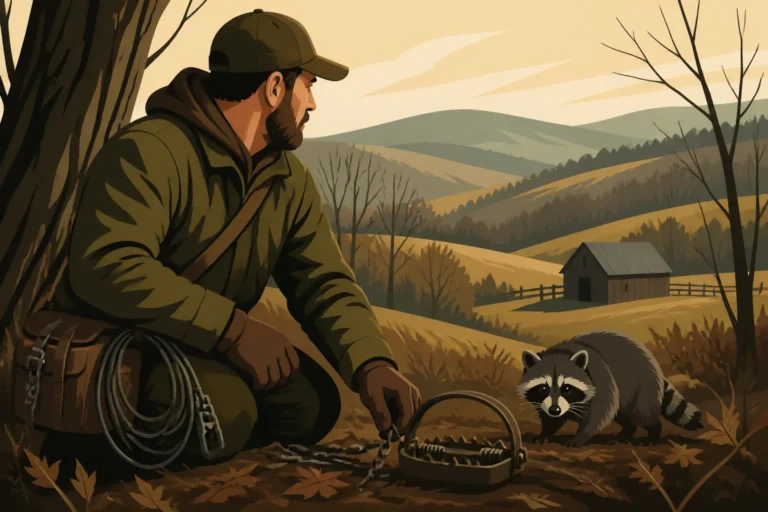
For raccoons, the dog-proof (DP) trap is revolutionary. Brands like Duke, Coon Dagger, and Z-Trap offer excellent DP traps. These traps are designed with an enclosed trigger mechanism, only allowing an animal with small, dexterous paws to reach inside and pull the bait, setting off the trap. This dramatically reduces catches of non-target animals like dogs or even larger birds. Place DPs along creek banks, field edges, near culverts, or around old farm structures. Bait them with sweet-smelling items like marshmallows, sardines, commercial paste baits, or even cheap cat food. You can learn more about specific timing in relation to When Kentucky's Raccoon Season Opens to maximize your efforts.
Traditional footholds can also be effective, set as pocket sets (a hole dug into a bank with bait inside) or dirthole sets, but DPs offer superior selectivity. For opossums, they’ll pretty much wander into anything meant for raccoons, so no special tactics are usually needed. They aren't as wary as other furbearers, so simple sets with strong-smelling bait often work. The key to consistent raccoon and opossum trapping is targeting areas with obvious sign – tracks in the mud, overturned rocks, or partially eaten crops.
Fox and Bobcat: Challenging but Rewarding Pursuits
Foxes, both red and gray, and bobcats represent a step up in trapping difficulty. These animals are more wary, have keener senses, and require more precise trap placement and meticulous scent control. Gray foxes tend to stick to dense cover, logging roads, and rugged, brushy hillsides, while red foxes prefer open farmlands, field edges, and mixed woodlands. Bobcats, while increasingly common, remain elusive, often favoring remote, forested areas with thick undergrowth and rock outcroppings. The impressive rebound of Where Kentucky Bobcats Are Rebounding is a testament to sound management and the adaptability of these beautiful cats.
For foxes, dirt hole sets and flat sets are mainstays. The dirt hole simulates a cached meal, using bait (like a chunk of meat or commercial fox bait) and a lure (often a glandular lure or urine) placed in a small hole, with the trap carefully bedded and blended nearby. Flat sets are similar but involve bait/lure placed on the surface with the trap camouflaged. Scent control is paramount; wear clean gloves, and consider using earth-based scents to mask human odor. Foxes are very sensitive to foreign smells, so any unnatural odor can cause them to avoid a set.
Bobcat trapping is a true challenge. They often respond well to visual attractors like flagging (a feather or piece of fur tied to a branch) in conjunction with scent and bait, mimicking a bird or small animal. Cage traps can also be effective in certain bobcat scenarios, especially near heavy cover or pinch points. Walk-through sets, using cubbies or natural brush piles to funnel a bobcat over a well-camouflaged foothold, are also popular. Always place bobcat sets in areas of natural travel, like saddles on ridges or along game trails. Success with bobcats comes from patience, keen observation, and an almost obsessive attention to detail.
Beaver and Muskrat: Mastering the Water Set
Trapping beaver and muskrat requires a different skill set, focusing on aquatic environments. Beavers can be incredibly destructive, flooding timber, roads, and fields with their dam-building prowess. Muskrats, while less destructive, can undermine pond banks with their burrowing. Both offer valuable furs and provide an important service to landowners. You can also explore Kentucky Muskrat and Mink Trapping Trends for more insights.
For beaver, large body-gripping traps (Conibear 330s) are the go-to, typically set in drowning situations in their runs, dam breaks, or lodge entrances. Castor mound sets, mimicking another beaver's scent post, are also highly effective. These involve creating a small mound of mud and placing beaver castor lure on it, with a submerged trap nearby. Submerged snares in runs are also a legal and effective method. Understanding beaver habits – where they enter and exit the water, where they haul out to chew trees, and their main travel routes – is fundamental. Identifying fresh cuttings or muddy slides is a dead giveaway of recent activity.
Muskrats, being smaller, are usually targeted with smaller body-gripping traps (Conibear 110s or 160s) or footholds. These are often set at feed beds, den entrances (which are usually submerged), or in narrow channels. Drowning sets are highly recommended for muskrats to ensure a quick, humane death. Bait can include carrots, apples, or even sweet corn. Sometimes, simply placing a trap in a natural pinch point they use to access a feed bed is enough. Mink are typically caught in similar water-edge sets, often near logs, root wads, or in cubbies with fish or muskrat meat as bait. They are sleek predators that follow waterways, so look for their tracks along muddy banks.
Processing and Marketing Your Furs
Catching a furbearer is only half the battle. To truly make the most of your harvest, you need to properly process the fur and understand how to market it. This involves a bit of skill, a little patience, and knowing where to sell your hard-earned pelts.
Skinning, Fleshing, and Drying Techniques
Once an animal is humanely dispatched, the work begins. Skinning is the first step, and it requires a sharp knife and a steady hand. Most furbearers, especially fox, coyote, bobcat, and raccoon, are skinned 'cased' – meaning the skin is pulled off like a sock, leaving the fur side out initially. Opossums can also be cased. Beavers are an exception; they are usually 'open' skinned, laid flat. There are plenty of online tutorials and videos demonstrating proper skinning techniques for each species; taking the time to learn these will significantly increase the value of your fur.
After skinning, the pelt needs to be fleshed. This is the process of removing all fat, muscle, and membrane from the hide side of the pelt. This is critical because any remaining fat will rot the fur, ruining its quality and value. Fleshing can be done with a fleshing knife on a fleshing beam – essentially a rounded, often tapered, wooden beam. It's a skill that takes practice to master, ensuring you remove all unwanted material without cutting through the hide. For animals like raccoons, which can have a lot of fat, this step is particularly important and can be quite a workout!
Finally, the pelt needs to be dried and stretched. For cased pelts, they are usually placed fur-side in on a wire or wooden stretcher, then later turned fur-side out after initial drying. Each species has a specific stretcher size and shape designed to present the pelt in the most marketable way. Once on the stretcher, the pelt needs to air dry in a cool, well-ventilated area, away from direct sunlight or heat, which can damage the fur. Drying typically takes several days to a couple of weeks, depending on humidity and ventilation. A well-skinned, fleshed, and stretched pelt is what buyers are looking for, reflecting the care and effort you put into it.
Finding Buyers and Understanding Fur Markets
Once your furs are dried and ready, the next step is finding a buyer. The fur market fluctuates based on fashion trends, international demand, and even global politics, so staying informed is crucial. There are a few main avenues for selling your furs in Kentucky. The most common is through a local fur buyer. These individuals or small businesses travel the state or operate out of a specific location, purchasing raw furs from trappers. They'll grade your furs based on size, quality, and species, and pay you on the spot. Building a good relationship with a reputable local buyer can be invaluable, as they can also offer advice on current market trends and fur preparation.
Another option is to sell directly to a fur auction house. Larger regional or national auctions (like those held by Groenewold Fur & Wool Co. or North American Fur Auctions) consolidate furs from many trappers and sell them to a wider network of manufacturers and buyers. This can sometimes yield higher prices, but it often involves shipping your furs and waiting for payment. Some trappers also participate in local fur sales or even sell directly to craftspeople or individuals looking for specific pelts.
Understanding what makes a fur valuable is key to maximizing your return. Prime winter furs, with thick, dense underfur and guard hairs, always fetch the best prices. Furs with damage from improper handling, bullet holes, or poor fleshing will be graded down. The specific species also plays a role; Kentucky Fox and Bobcat Trapping Season harvests can be quite valuable. Market values for different species fluctuate; sometimes coyote is hot, other times raccoon. Keep an eye on market reports from organizations like the National Trappers Association or reputable fur buyers to understand current demand and pricing. While GoHunt might not track fur prices, it helps you find the prime locations where you can harvest the highest quality pelts, directly impacting your fur check.
Disclaimer
The information provided in this guide is for informational purposes only and is not a substitute for official regulations. Always consult the current Kentucky Hunting and Trapping Guide and the Kentucky Department of Fish and Wildlife Resources website for the most up-to-date and complete regulations. Trapping laws and seasons can change, and it is the individual trapper's responsibility to know and follow all applicable state and local laws.