Kentucky Muskrat and Mink Trapping Trends
Many Kentucky trappers often find themselves grappling with the subtle, yet impactful, shifts in furbearer populations and the ever-changing market values for pelts, sometimes leaving them to wonder if their dedicated efforts will truly pay off. This comprehensive guide aims to cut through that uncertainty, delving deep into the current landscape of muskrat and mink trapping across the Bluegrass State, exploring the complex factors that influence their numbers, and offering time-tested strategies to boost your success on the trapline.
Understanding Kentucky's Muskrat and Mink Populations
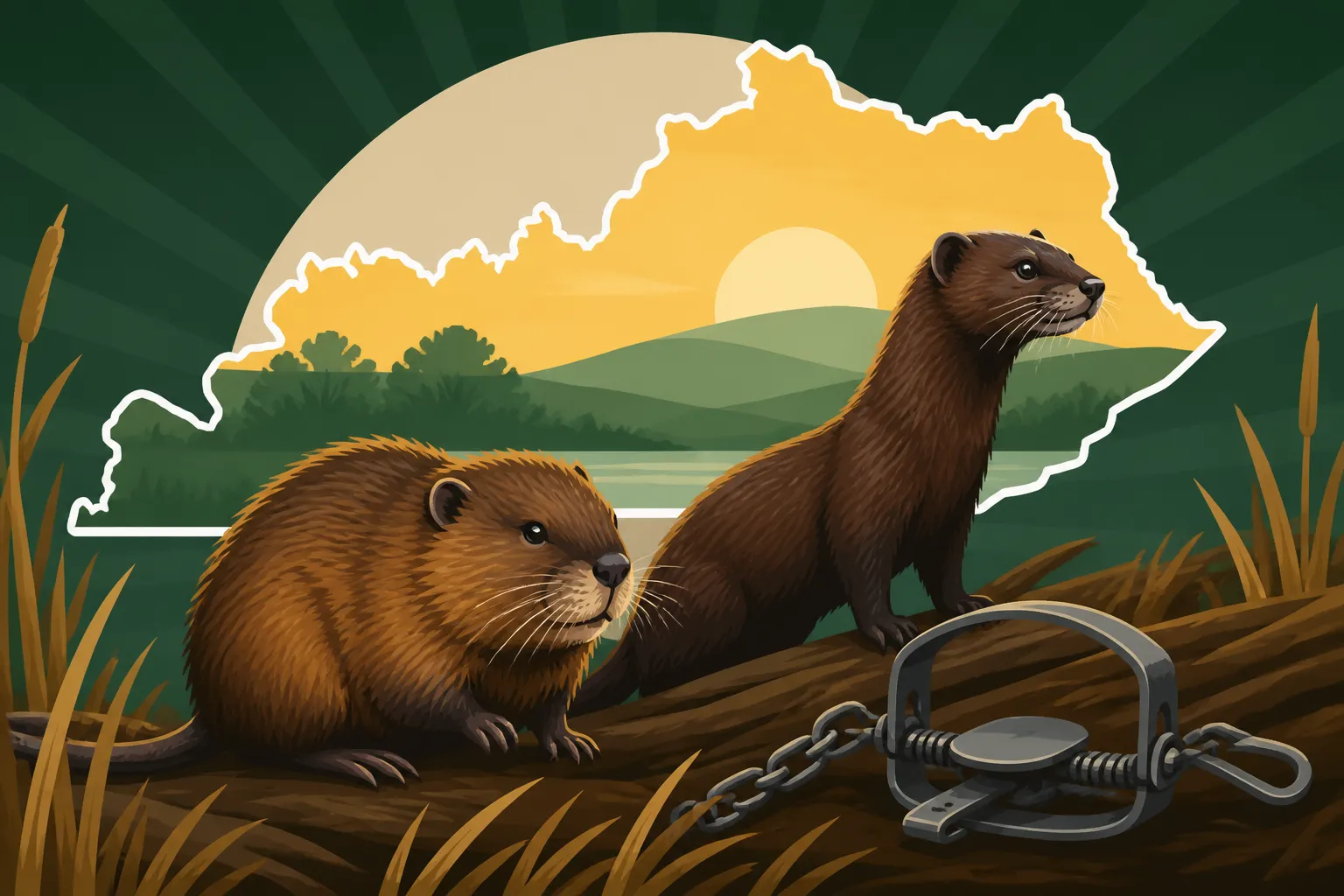
Before you even think about setting steel, it’s crucial to understand the animals you're pursuing. Muskrats and mink are both semi-aquatic furbearers, but they occupy distinct niches within Kentucky's diverse waterways. Their populations are dynamic, influenced by a myriad of environmental factors, and a successful trapper is first and foremost a student of their habits and habitats.
The Ecological Niche of Muskrats in Kentucky Waterways
Muskrats are the quiet architects of many a Kentucky pond, marsh, and slow-moving creek. They're often found in abundance wherever there's plenty of emergent vegetation and soft, muddy banks suitable for burrowing. Think cattails, bulrushes, and dense sedges – these are their supermarkets and building materials all in one. Muskrats are primarily vegetarians, munching on roots, stems, and leaves of aquatic plants, though they won't pass up a clam or crayfish if the opportunity arises.
Their industrious nature means they build "push-ups" in shallow water, domes of vegetation that serve as feeding platforms and breathing holes under ice, and elaborate burrow systems in banks. You'll often see their tell-tale V-shaped wakes gliding across calm water, or find small piles of chewed vegetation along a bank. These signs are like flashing neon lights for a trapper, indicating active feeding areas. Understanding their preferred food sources and how they utilize their aquatic homes is fundamental to finding success. A healthy muskrat population usually points to a healthy wetland or riparian zone, as they are often a key indicator species for water quality and habitat availability. They reproduce prolifically under good conditions, often having multiple litters a year, which means their numbers can rebound quickly if habitat remains stable.
Mink: Elusive Predators of Kentucky's Aquatic Edges
Mink, on the other hand, are the sleek, fierce hunters of Kentucky's waterways. While muskrats are content to graze, mink are constantly on the prowl, their lithe bodies perfectly adapted for slipping through dense cover along stream banks, river edges, and pond margins. They are opportunistic carnivores, preying on muskrats, voles, mice, shrews, frogs, fish, and even small birds. If you've got muskrats, you likely have mink in the vicinity, as muskrats are a primary food source for these voracious little predators.
You'll find mink near any water body that offers ample cover – fallen logs, rock piles, culverts, brushy tangles, and undercut banks. They're solitary creatures with a keen sense of smell and incredible stealth. Tracking them often comes down to looking for their distinctive tracks in soft mud or snow, finding scat on prominent rocks, or spotting their dens, which are often repurposed muskrat burrows or natural crevices. Their elusive nature makes them a prized catch for any trapper, demanding patience and a deep understanding of their travel patterns and hunting habits. A trapper truly masters their craft when they consistently connect with mink, as it speaks to an intimate knowledge of the land and its subtle animal inhabitants. They generally have one litter a year, typically in spring, and their kits grow quickly, becoming independent by late summer.
Factors Influencing Furbearer Numbers
Muskrat and mink populations, like all wildlife, are sensitive to environmental shifts. Habitat loss and degradation are arguably the biggest threats. As development encroaches, wetlands are drained, and stream banks are cleared, the prime real estate these furbearers rely on vanishes. Water quality is another critical factor; pollution can directly harm aquatic life, which in turn impacts the food chain for mink, and can also degrade the vegetation muskrats depend on.
Disease outbreaks, though less common for these species than for some others, can also cause localized population dips. For instance, a severe drought might reduce water levels, concentrating animals and making them more vulnerable to predation or stress, or it might wipe out crucial food sources. Conversely, exceptionally wet years could lead to widespread flooding, temporarily displacing populations but also potentially creating new habitat as water recedes. Predator populations, such as coyotes, bobcats, or even large raptors, can also influence local numbers, especially for mink kits. Smart trappers pay attention to long-term weather patterns and local land use changes, using tools like the Kentucky Hunt Fish Map Tool to observe changes over time, as these factors offer clues to where populations might be thriving or struggling.
Current Trapping Trends and Market Dynamics
The world of furbearer trapping is not static; it ebbs and flows with both ecological and economic currents. Understanding these trends is key to gauging your potential success and appreciating the role trappers play in wildlife management.
Shifting Demands in the Fur Market
The fur market has seen significant fluctuations over the decades, moving from being a primary driver of frontier exploration to a niche industry influenced by fashion, conservation ethics, and global economics. In Kentucky, the demand for muskrat and mink pelts is largely tied to international markets and designer trends. While these pelts might not fetch the sky-high prices of certain specialty furs, they remain a steady, albeit modest, component of the furbearer trade.
What does this mean for the Kentucky trapper? It means that consistent effort is often more valuable than chasing a fleeting high-value species. Muskrat, in particular, often provides consistent volume, which can add up even with lower per-pelt prices. Mink, while offering higher individual value, are less numerous and more challenging to catch. The overall trend often dictates how much effort trappers are willing to put in, especially those who rely on trapping for supplementary income. Historically, trapping spikes often followed strong market demand, creating a cyclical relationship between trapper effort and pelt value.
Participation Rates Among Kentucky Trappers
Trapping is a skill passed down through generations, but like many traditional outdoor pursuits, participation rates can fluctuate. Factors like the general aging of the trapping community, the increased time commitment required, and, yes, those fluctuating fur prices, all play a role. There's a certain dedication needed to run a trapline – the early mornings, the sometimes brutal weather, the meticulous skill involved. It’s not a casual hobby for most.
However, there's a strong core of dedicated trappers in Kentucky who uphold the tradition, driven by a love for the outdoors, a desire to be self-sufficient, and an appreciation for the conservation aspects of trapping. While the sheer numbers might not compare to deer or turkey hunters, those who do trap are often intensely passionate and knowledgeable. These dedicated individuals contribute valuable data to the Kentucky Department of Fish and Wildlife Resources (KDFWR) through harvest reports, which helps wildlife biologists monitor populations and set Kentucky Small Game Season Rules and trapping seasons. New trappers are often drawn in by mentors who share their knowledge, ensuring the tradition continues.
Economic Realities of the Modern Trapline
Let's be real: setting a modern trapline isn't a get-rich-quick scheme. The days of making a fortune solely from furs are largely a thing of the past for most recreational or part-time trappers. There's an initial investment in traps, tools, lures, and waders. Then there's the ongoing cost of fuel for scouting and checking the line, time spent skinning and preparing pelts, and the unpredictable nature of market prices.
Many trappers participate for the experience itself – the challenge, the connection to nature, the satisfaction of a well-executed set. Any income from pelts is often seen as a bonus, helping to offset costs or fund future trapping adventures. However, for those looking to maximize their returns, efficiency is key. This means understanding where to concentrate effort, utilizing the right gear, and processing pelts correctly to achieve the best possible grade. Focusing on higher-value species like mink when possible, or maximizing volume on muskrats in productive areas, becomes a tactical decision that can tip the scales toward profitability, even if modest.
Effective Strategies and Gear for Kentucky Trappers
Success on the trapline isn't just about knowing where the animals might be; it's about knowing where they will be, understanding their behaviors intimately, and employing the right tools and techniques to humanely and efficiently capture them. This means meticulous scouting, smart set placement, and having the right gear.
Muskrat Trapping Techniques and Set Locations
Muskrats are creatures of habit and often follow well-defined travel lanes. For muskrats, body-grip traps, like the 110 or 150 size, are incredibly effective when placed in their runs (trails they create in shallow water) or at the entrances to their burrows or push-ups. Foothold traps, such as a #1 or #1.5 coilspring, can also be used effectively in drowning sets. The key with muskrats is often to target their natural activity.
Consider these set locations:
- Runs: Identify the underwater trails muskrats use. Place a body-grip trap squarely in the run, ensuring it's fully submerged.
- Feed Beds/Push-ups: Muskrats often have favorite spots to eat or rest. A trap placed near these areas, particularly on the underwater approach, can be very productive.
- Bank Burrows: Entrances to their dens are excellent spots. Ensure the trap is secured and drowned if possible.
- Scent Posts: Muskrats, especially males, will leave scent on small mounds of mud or vegetation. A blind set here can work wonders.
For bait, a slice of apple or carrot can be effective, though many trappers rely on blind sets in active runs. Scouting is paramount – look for fresh sign like droppings, chewed vegetation, and clear travel paths. Using an app like GoHunt for mapping potential hotspots or identifying different types of aquatic vegetation can give you a real edge in pinpointing these productive areas before you even step foot on the ground. When Hunting Western Kentucky Bottomland or Hunting a Green Field Planted for Deer, pay attention to any associated ditches or small ponds, as these can be muskrat havens.
Mastering Mink Trapping in Diverse Habitats
Mink are more challenging, demanding a higher level of skill and patience. They are less numerous than muskrats and more wary. Body-grip traps (like the 120 or 160 size) are popular, as are #1 or #1.5 foothold traps, often in cubby sets or natural blind sets. Snares can also be effective in very specific situations where allowed.
Here are some go-to mink sets:
- Cubby Sets: This is a classic. Build a small, natural-looking box or den out of logs, rocks, or sod, opening towards a mink travel route. Place a body-grip trap or foothold trap inside, often with a lure or a piece of bait (like fish or muskrat meat) at the back.
- Blind Sets in Funnels: Mink love to travel along natural funnels – under culverts, through dense brush along a creek, or along the base of an undercut bank. A trap placed precisely in these constricted travel lanes, where the mink has no choice but to pass through, can be deadly.
- Pocket Sets: Dig a small hole (about 6-8 inches deep) at the waterline on a bank, creating a small "cave." Place a foothold trap at the entrance and put a lure or bait deep inside.
- Bridge/Culvert Sets: Always check under bridges and inside culverts. These are prime mink travel routes, especially during high water. A body-grip trap secured within the culvert can be very effective.
Lure choice is important for mink. Many trappers swear by fish oil, castor-based lures, or gland lures, which appeal to their predatory nature and territorial instincts. When Hunting a Funnel Between Two Hollows for deer, remember that those same funnels can be mink highways if water is present. Patience and attention to detail are paramount when targeting mink; one misplaced branch or a noisy approach can ruin a set.
Essential Gear for a Successful Trapline
Beyond the traps themselves, a successful trapper relies on a suite of essential gear to make the process efficient, humane, and enjoyable.
Traps:
- Body-Grip Traps: Sizes 110-160 are common for muskrat and mink. Ensure they are clean, rust-free, and firing smoothly.
- Foothold Traps: #1 to #1.5 coilsprings or longsprings are standard.
Tools & Accessories:
- Trap Setters: For safely compressing body-grip traps.
- Trowel/Shovel: For digging pocket sets or creating cubbies.
- Wire/Stakes: To secure traps and prevent loss.
- Drowning Rigs: Essential for quick, humane dispatch in water sets. This could be a specialized drowning wire or simply a heavy weight attached to the trap chain that slides down a wire into deep water.
- Gloves: Rubber gloves are crucial not just for hygiene, but also to minimize human scent on traps, especially for wary mink.
- Lures/Baits: High-quality lures tailored for muskrat or mink.
- Packs: A comfortable pack to carry all your gear, especially when Scouting Kentucky Public Land Before Season where you might be covering significant ground.
Personal Gear:
- Waders: Absolutely indispensable for navigating shallow water and muddy banks. Good quality chest waders will keep you dry and warm. Check out options that hold up well when Waders for Flooded Timber Hunting.
- Waterproof Boots: Even if not using waders, waterproof boots are a must for traversing wet terrain. Consider robust options like those designed for Boots for Kentucky Hollows and Creek Bottoms.
- Navigation Tools: A GPS unit or a reliable phone app with mapping capabilities (like GoHunt, which can show you property lines and topographical features) is vital for marking set locations and navigating public lands like Kentucky Wildlife Management Areas.
- Headlamp: For early morning starts or late evening checks.
Regulations and the Future of Furbearer Trapping in Kentucky
Trapping is a highly regulated activity, and for good reason. Regulations ensure ethical practices, promote conservation, and manage furbearer populations sustainably. As a responsible trapper, staying informed is not just good practice, it’s a legal necessity.
Navigating Kentucky's Trapping Regulations
The Kentucky Department of Fish and Wildlife Resources (KDFWR) sets the rules for trapping in the state. These regulations cover everything from season dates and bag limits to legal trap types and checking requirements. It’s absolutely critical to obtain a current copy of the Kentucky Hunting and Trapping Guide annually, as rules can change.
Key areas to pay attention to include:
- License Requirements: You'll need a valid Kentucky hunting and trapping license. Understand Kentucky Trapping License Requirements before you head out.
- Season Dates: Muskrat and mink seasons typically open in late fall and extend into winter, often overlapping with the Kentucky Fox and Bobcat Trapping Season and How Kentucky's Raccoon Season Opens. Knowing these dates precisely is paramount.
- Legal Trap Types: Kentucky specifies what types of traps are legal (e.g., certain body-grip sizes, foothold sizes, snares in specific situations).
- Checking Requirements: Traps usually must be checked within a certain timeframe, often every 24 hours, to ensure humane treatment of captured animals.
- Landowner Permission: Always have explicit permission when trapping on private land. Even on public land, know the specific regulations for that WMA or forest.
Ignorance of the law is never an excuse, and violations can carry significant penalties. Always confirm the most up-to-date regulations directly from KDFWR.
Conservation Efforts and Sustainable Trapping
Modern trapping is deeply intertwined with wildlife conservation. Far from being a relic of the past, today's trappers are often active participants in responsible wildlife management. They provide valuable services, often helping to manage populations, prevent nuisance wildlife issues, and even assist in disease monitoring. For instance, in areas where muskrat populations might explode due to ideal habitat, trapping can help keep their numbers in check, preventing overgrazing of vegetation or excessive burrowing that can damage infrastructure.
KDFWR relies on trapper harvest data to assess population health. By accurately reporting catches and observing trends in the field, trappers offer boots-on-the-ground intelligence that aids biologists in making informed management decisions. Ethical trapping practices, emphasizing humane traps and quick checks, are not just about compliance but reflect a deep respect for the animals being pursued. Many trapper associations actively promote education and best practices, ensuring that the trapping heritage is one of responsibility and stewardship.
The Outlook for Kentucky's Furbearers and Trapping Heritage
The future of muskrat and mink trapping in Kentucky, and indeed its furbearer populations, faces both challenges and opportunities. Habitat loss remains a perennial concern, as does the fluctuating demand in the fur market. However, there's a growing appreciation for healthy ecosystems and the role furbearers play within them. Programs aimed at wetland restoration and improving water quality indirectly benefit these species.
For the trapping heritage itself, the biggest opportunity lies in recruitment and education. Introducing new generations to the art and science of trapping, emphasizing its ethical and conservation aspects, is vital. Trapping isn't just about catching animals; it's about learning the land, understanding animal behavior, and connecting with a deeply rooted outdoor tradition. The knowledge passed down by veteran trappers, combined with modern tools and conservation ethics, ensures that Kentucky's furbearers will continue to thrive, and the trapline will remain a part of the state's rich outdoor fabric. GoHunt, for example, can be an invaluable tool for new trappers to learn about different types of terrain, identify potential trapping locations, and understand land ownership to gain permission, making the entry barrier a little less daunting.
Disclaimer
This article is for general informational purposes only and does not constitute professional advice. Laws, prices and regulations vary by location and change over time. Consult a qualified professional for guidance on your specific situation.