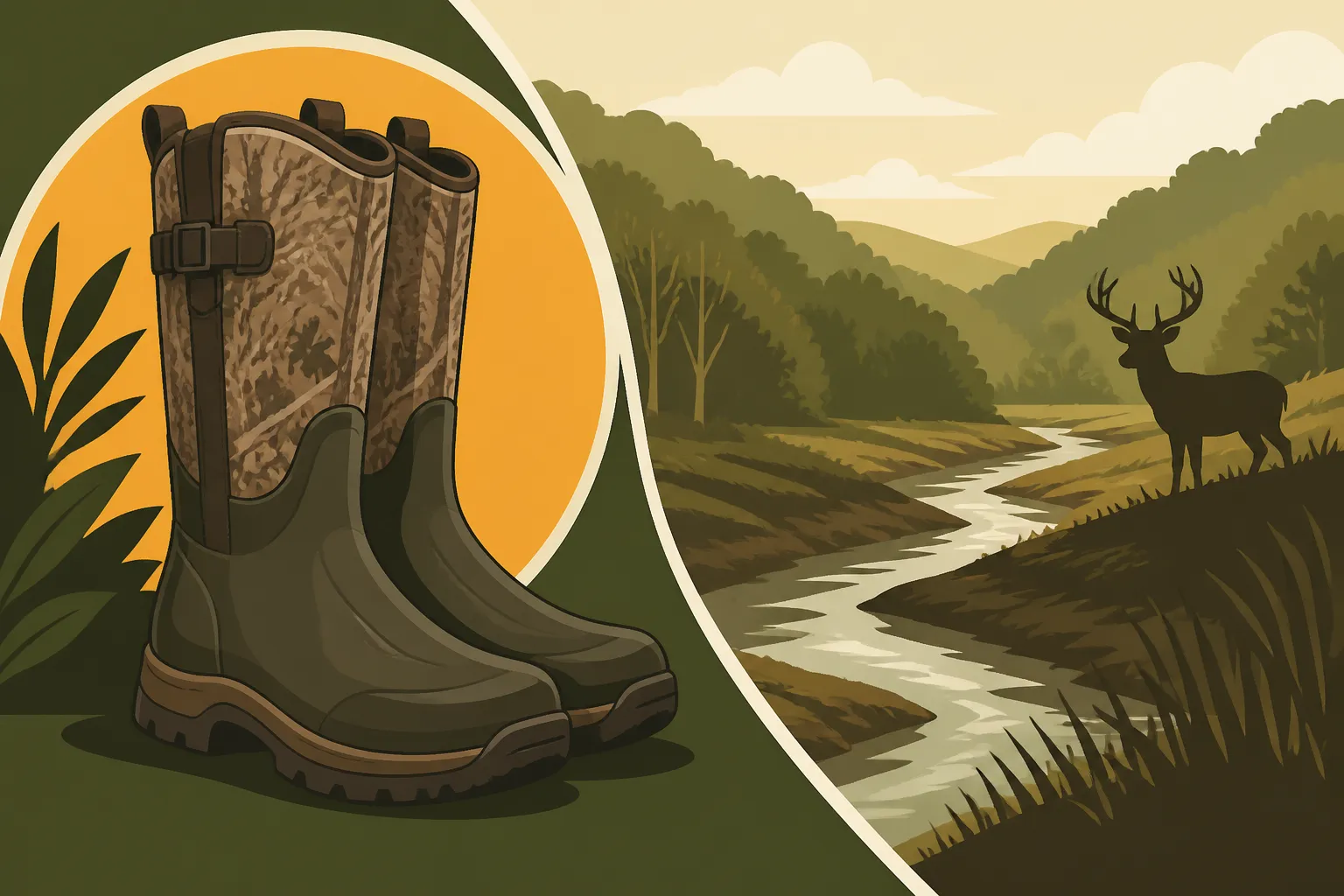
Boots for Kentucky Hollows and Creek Bottoms
There's nothing quite like the experience of hunting in Kentucky, is there? The rolling hills, the dense timber, those beautiful, winding creek bottoms… but let's be real, those same features that make our state so stunning for game also make it incredibly tough on your feet. From calf-deep mud in a hidden hollow to slick, moss-covered rocks in a creek bed, finding the right pair of boots can make or break your hunt, turning a challenging day into a miserable, cold, wet ordeal, or a comfortable, productive adventure. This guide is all about helping you pick the perfect footwear to conquer whatever Kentucky's diverse terrain throws your way, ensuring your feet stay dry, warm, and ready for the long haul.
The Unforgiving Nature of Kentucky's Terrain on Your Feet
Kentucky is a state of incredible contrasts, and nowhere is that more evident than in its hunting grounds. What might start as a crisp, dry morning walk on a ridgeline can quickly descend into a squishy, water-logged trek through a hidden drainage. Understanding these unique challenges is the first step to choosing boots that won't leave you regretting your decision miles from the truck.
Navigating Soggy Creek Bottoms and Swamps
Ah, creek bottoms. They're often game highways, funneling deer, turkeys, and even bears through predictable travel corridors. But they're also notorious for being perpetually wet. We're not just talking about a little dew; we're talking about thick, sucking mud that tries to pull your boots off with every step, hidden springs that create miniature bogs, and stretches of standing water that seem to appear out of nowhere. The frustration of cold, wet feet in these conditions is something every Kentucky hunter knows intimately. It saps your morale, makes you hesitant to push deeper, and can even cut a hunt short. When you're trying to sneak along a quiet stream, listening for that distant gobble or the crunch of leaves from a deer, the last thing you want is a boot full of icy water sloshing with every step. These are the places where a truly waterproof barrier isn't just a luxury; it's an absolute necessity. Whether you're Hunting Western Kentucky River Bottoms or exploring those small drainages in the Daniel Boone, you'll encounter plenty of this.
Tackling Steep Ridges and Uneven Forest Floors
While the lowlands are often wet, the uplands present their own set of challenges. Kentucky is full of steep, unforgiving ridges, especially as you move into the eastern part of the state. These aren't always neat, orderly slopes; they're often a chaotic mix of loose rock, slippery shale, wet leaves piled foot-deep, and countless downed limbs and logs hidden beneath the forest litter. A single misstep can lead to a twisted ankle, a painful fall, or at the very least, a jarring loss of balance that sends your heart rate soaring. The terrain demands boots with exceptional grip and rigid ankle support to keep you stable as you traverse a treacherous sidehill or climb a steep incline. Think about those long walks back to the truck after a successful hunt; every step on uneven ground with a pack full of gear is magnified. This is where researching your hunting area, perhaps with a tool like GoHunt, can help you anticipate the kind of ground you'll be covering, allowing you to choose boots with appropriate soles for Reading Aerial Photos for Eastern Kentucky Deer.
Dealing with Kentucky's Volatile Weather Shifts
If you've spent any time hunting Kentucky, you know our weather is anything but predictable. We can have a warm, sunny autumn morning turn into a blustery, freezing rain event by noon. Early season hunts might start with temperatures in the 70s, making insulated boots a sweat lodge, only for a late-season cold front to drop temperatures into the teens, turning uninsulated boots into ice boxes. The constant oscillation between dampness and cold, or even a sudden thaw that turns frozen ground into a muddy mess, means your boots need to be adaptable. A good pair needs to manage moisture, both from external sources like rain and internal sources like foot sweat, to keep you comfortable through these shifts. No one wants to be caught off guard, shivering in a treestand with soaked socks because their boots couldn't handle the sudden change. This unpredictable nature means your boots need to be as versatile as your layering system when you're preparing for a Cold-Weather Sitting Strategy in Kentucky.
Essential Boot Features for Kentucky Hunters
Now that we've grimaced our way through the challenges, let's talk solutions. The right boots aren't just about brand names; they're about specific features designed to combat the very problems we just discussed. Paying close attention to these details will help you choose a boot that truly performs when it matters most.
Waterproofing That Actually Works
This isn't a suggestion; it's a commandment for Kentucky hunters. Your boots must be truly waterproof. There's nothing worse than that slow, insidious seep of cold water into your socks, especially when you're miles from the warmth of your vehicle. Look for boots that feature proven waterproof membranes, like Gore-Tex or similar proprietary technologies. These membranes are designed to let sweat vapor escape while preventing external water from entering, offering that crucial balance of dryness and breathability. However, remember that "waterproof" has limits. A boot that's 6 inches tall, no matter how waterproof its membrane, won't keep your feet dry if you step into a 10-inch deep creek. Consider the shaft height of the boot as well, especially if you anticipate deep mud or creek crossings. For those really wet areas, a taller rubber boot might be the only true solution. Ensure the stitching and seams are also sealed, as these are common failure points for lesser quality footwear.
Aggressive Traction for Slippery Situations
Kentucky terrain is a master of disguise. That seemingly solid patch of dirt can hide slick clay, that innocent-looking rock can be covered in algae, and those beautiful fall leaves can become a treacherous, ankle-twisting hazard when wet. This is where an aggressive outsole pattern becomes your best friend. Look for deep, multi-directional lugs that can bite into mud, grip slippery roots, and stabilize you on loose shale. The rubber compound itself also matters; some are designed to be stickier in cold weather, offering better purchase on slick surfaces. Avoid boots with shallow or smooth tread patterns, as these are fine for a paved trail but utterly inadequate for the demands of the Kentucky backcountry. When you're Dragging a Deer Out of a Steep Hollow or just navigating a wet hillside, good traction can literally save your hunt, and your body.
Support, Comfort, and Fit for Long Days
A boot can be waterproof and have great traction, but if it's uncomfortable, you won't wear it. And if it doesn't support your foot and ankle, you're just asking for trouble.
- Ankle Support: This is paramount in uneven terrain. Boots with a higher cut and a stiff, supportive collar help prevent your ankle from rolling when you step on an unseen root or rock. This support isn't just about preventing injuries; it reduces fatigue over a long day of walking, especially when carrying a pack.
- Cushioning and Arch Support: Hunting means spending hours on your feet, often covering significant distances. A well-cushioned midsole absorbs shock, reducing impact on your knees and back. Good arch support, either built into the boot or through aftermarket insoles, helps prevent plantar fasciitis and general foot fatigue. Everyone's foot is different, so what feels comfortable for one hunter might not for another.
- Proper Fit: This is perhaps the most critical aspect. A boot that's too loose will cause blisters and friction; one that's too tight will restrict circulation and cause pain. Always try boots on with the type of socks you'll be wearing while hunting. Walk around, go up and down stairs if possible, and pay attention to any pressure points or slipping. Your toes shouldn't touch the end of the boot when you kick forward. A proper fit ensures comfort and prevents injuries, and it's definitely something you want to get right before heading out for Hunting the Rut in Early November when you'll be covering a lot of ground.
Choosing the Right Boot Style for Your Hunt
With all those features in mind, how do you translate that into a specific style of boot? Kentucky's varied hunting scenarios often call for different tools in the footwear arsenal. There's no single "best" boot for every situation, so understanding the strengths of each type will serve you well.
Rubber Boots: The Unsung Heroes of Wet Hunts
Let's face it, rubber boots sometimes get a bad rap. They can be bulky, less breathable, and some models lack aggressive ankle support. However, for sheer waterproof capability in truly nasty conditions, they are unmatched. When you're wading through Hunting Western Kentucky River Bottoms, crossing small creeks, or pushing through a flooded timber area, a good pair of knee-high or even hip-high rubber boots will keep your feet bone dry. They also excel at scent control, as rubber is far less porous than fabric or leather, which can absorb human scent.
- Pros: Absolutely waterproof, excellent scent control, easy to clean. Perfect for deep mud, standing water, and boggy terrain.
- Cons: Can be less breathable, leading to sweaty feet in warmer weather. May lack the rigid ankle support of a hiking boot. Can be heavy and less flexible for long, mountainous treks.
- Ideal Scenarios: Waterfowl hunting, still-hunting creek bottoms, early season deer hunting in wet areas, setting up food plots in soggy fields. If your hunt involves a lot of mud and water, especially if you're scouting Reading Kentucky Mud for Fresh Deer Movement, these are often your first choice. Make sure to check out Rubber Boots for Bottomland Walking.
Traditional Leather/Synthetic Hybrid Boots: Versatility for Mixed Terrain
These are what many hunters picture when they think of a "hunting boot." They combine the durability and classic feel of leather with the lightweight, quick-drying properties of synthetic materials. Often featuring a waterproof membrane, these boots offer a fantastic balance of support, breathability, and traction, making them incredibly versatile for many Kentucky hunting situations.
- Pros: Excellent ankle support, good breathability (compared to rubber), strong traction, durable, and comfortable for long walks once broken in. Very versatile for varied terrain like the Daniel Boone National Forest.
- Cons: Not as waterproof as rubber boots in deep standing water. Can require a break-in period. Leather components need regular conditioning.
- Ideal Scenarios: Upland bird hunting, deer hunting in rolling hills and mountains, early to late season hunting when temperatures fluctuate but don't involve extreme standing water. They're great for hunts that combine steep climbs, varied forest floors, and occasional dampness, where you might be Hunting a Ridge-Top Saddle for Rutting Bucks.
Insulated Boots: Staying Warm When It Counts
When the mercury drops and the ground freezes, insulation becomes paramount. Insulated boots are designed to keep your feet warm during long sits in freezing temperatures, a common scenario during Kentucky's late deer and turkey seasons. Insulation is typically measured in grams (e.g., 400g, 800g, 1200g).
- Pros: Superior warmth for cold weather hunting. Often combine waterproofing and good traction.
- Cons: Can be too warm for early season or active hunting. Bulkier and heavier than uninsulated options. Less breathable, increasing sweat in warmer temps.
- Ideal Scenarios: Late season deer hunting, Hunting the Late-Season January Lull, ice fishing, or any activity where you're sitting for extended periods in freezing conditions. Choose insulation levels based on your activity level and the expected temperatures. If you're generally moving, you'll need less insulation; if you're treestand sitting for hours, you'll need more. Consider what's appropriate for Layering for a Kentucky Deer Stand to ensure overall comfort.
| Boot Type | Best For | Key Advantages | Considerations |
|---|---|---|---|
| Rubber Boots | Deep mud, standing water, creek crossings, scent control | 100% waterproof, easy clean, low scent | Less breathable, less ankle support, can be heavy |
| Leather/Synthetic Hybrid | Rolling hills, varied forest, moderate wetness, active hunts | Versatile, good support/traction, breathable | Not ideal for deep water, requires break-in |
| Insulated Boots | Cold weather, stationary sits, late season | Superior warmth, often waterproof | Too warm for early season, bulkier, heavier |
Maximizing the Life of Your Hunting Boots
Investing in a good pair of hunting boots is just that—an investment. To make sure they serve you well for many seasons to come, proper care and maintenance are absolutely crucial. Neglecting your boots is a surefire way to send them to an early grave, leaving you with cold, wet feet and an empty wallet.
Post-Hunt Cleaning and Drying Rituals
After a long day in the Kentucky woods, it's tempting to just kick off your muddy boots and forget about them until the next hunt. Don't do it! This simple step, often overlooked, is vital for longevity.
First, clean off the exterior. Use a stiff brush or even a pressure washer (carefully, not too close to seams) to remove mud, dirt, and debris from the uppers and especially the outsoles. Mud, if left on, can dry and crack leather or wear down synthetic materials. More importantly, it can hold moisture against the boot, fostering mildew and odors. For rubber boots, a simple rinse often suffices.
Second, dry them properly. This is critical. Never, ever dry your boots by a direct heat source like a campfire, radiator, or space heater. Excessive heat can damage waterproof membranes, crack leather, and delaminate glues, effectively ruining your boots. Instead, remove the insoles and open the boots up as much as possible. Stuff them with newspaper or specialized boot dryers that use gentle, circulating air. Place them in a well-ventilated area indoors. This process can take 24-48 hours, so if you're hunting multiple days, consider having a second pair or drying them diligently overnight. Making sure your boots are completely dry inside prevents bacterial growth, which causes unpleasant odors and can degrade internal materials. This is especially important if you've been Hunting After a Poor Acorn Year where you've been slogging through mud in search of those scattered mast crops.
Conditioning Materials for Extended Life
Just like your skin, the materials of your boots need to be cared for. For leather boots, regular conditioning is essential. Leather dries out, cracks, and loses its water resistance if not moisturized. Use a quality leather conditioner, wax, or proprietary treatment specifically designed for hunting boots. Apply it generously to clean, dry leather, paying extra attention to seams and flex points. This helps maintain flexibility, prevents cracking, and reinforces water repellency.
For synthetic boots, conditioning isn't usually necessary, but treating them with a Durable Water Repellent (DWR) spray can refresh their ability to shed water, which often wears off over time. For all boots, periodically check seams and glue points for any signs of separation or wear. A small dab of seam sealer or shoe glue applied early can prevent a major failure down the road. If you're a serious hunter who spends a lot of time outdoors, tools like those offered by GoHunt, which help track conditions and plan routes, can indirectly help you identify areas where your boots will take a beating, prompting more vigilant maintenance.
Proper Storage Between Seasons
When the season winds down, don't just toss your boots into a dusty corner of the garage. Proper off-season storage is just as important as in-season cleaning. Ensure your boots are thoroughly cleaned and completely dry inside and out. Apply any necessary conditioners or DWR treatments. Store them in a cool, dry, well-ventilated area, away from direct sunlight or extreme temperature fluctuations. You can stuff them with newspaper or boot trees to help them maintain their shape, especially for leather boots, which can slouch and crease over time. Keeping them in good shape through the off-season ensures they're ready to go when Scouting Kentucky Public Land Before Season starts calling your name again.
Avoiding Common Footwear Fails in the Kentucky Woods
Even with the best intentions and the highest quality boots, a few common mistakes can still lead to a miserable experience. Being aware of these pitfalls can save you a lot of discomfort and ensure your feet stay happy in the field.
The Critical Importance of Proper Sizing and Fit
I touched on this earlier, but it really can't be overstated: do not skimp on getting the right size and fit. It's not just about heel-to-toe length; it's about width, arch support, and how your foot interacts with the boot's last. A common mistake is buying boots that are too big, thinking it allows for thicker socks. While you should account for your hunting socks, excessively large boots cause your foot to slide around, leading to friction, blisters, and instability on uneven ground. Conversely, boots that are too small will pinch, restrict blood flow, and make your toes feel like they're being crushed, especially on downhill sections.
To ensure a proper fit:
- Try them on in the afternoon or evening: Your feet swell throughout the day.
- Wear your actual hunting socks: Don't use thin dress socks.
- Walk around vigorously: Up and down stairs, on inclines if possible. Notice any pressure points or heel slip.
- Ensure toe room: You should have about a thumb's width of space between your longest toe and the end of the boot when standing. Your toes should not touch the front when you kick your foot forward.
- Consider aftermarket insoles: Sometimes a boot fits well everywhere but the arch. A quality insole can bridge that gap.
Remember, a perfect fit means your feet feel secure without being cramped, and there are no hot spots developing. This is a personal quest, so take your time, and don't be afraid to try on many different brands and models.
The Unskippable Break-In Period
Another critical mistake hunters make is buying new boots right before opening day and expecting them to perform flawlessly. New boots, especially those made with stiffer leather or robust synthetics, need a break-in period. This allows the materials to soften, conform to the unique shape of your foot, and develop the flexibility needed for comfortable movement. Skipping this step is a recipe for blisters, foot pain, and a generally miserable hunt.
- Start slow: Wear your new boots for short periods around the house or on casual walks.
- Gradually increase time and distance: Move to longer walks, then short hikes.
- Wear them on scouting trips: This is an ideal way to break them in under realistic conditions without the pressure of a full hunting day. GoHunt's mapping features can help you plan various scouting routes, giving you plenty of opportunities to get those boots field-ready.
- Address hot spots early: If you feel a rubbing or pressure point, stop and adjust. It might be a sock, a lacing issue, or something else. Don't push through it.
Think of it as training for your boots. They need to get used to your feet, and you need to get used to them. This pre-season ritual will pay dividends when you're deep in the timber.
Matching Your Boots to the Specific Hunt and Season
Kentucky offers a long, diverse hunting season, and the conditions you face in early September are vastly different from those in late January. One pair of boots rarely excels in every single scenario.
- Early Archery Season (September): Often warm, possibly humid. You'll want breathable, uninsulated boots with good ankle support. Rubber boots might be appropriate for wet creek bottoms, but an insulated pair would be overkill and lead to sweaty, blistered feet.
- Modern Gun Season (November): Can be cool to cold, often with wet leaves and potential for snow or freezing rain. This is prime time for waterproof, moderately insulated hybrid boots or even lighter insulated rubber boots.
- Late Season (December-January): Freezing temperatures, snow, ice, and persistent cold are common. Heavily insulated, waterproof boots are essential for staying warm during long, stationary periods. Hunting the Late-Season January Lull demands serious cold-weather gear, including your boots.
The key is to evaluate your hunting plans for each trip. Are you treestand hunting or spot-and-stalk? Is it going to be wet or dry? What's the temperature forecast? Having a couple of different boot options in your gear closet allows you to adapt to the conditions, ensuring you always have the right tool for the job. Don't bring a knife to a gunfight, and don't bring uninsulated hikers to a late-season deer drive through a frozen swamp.
Disclaimer
This article is for general informational purposes only and does not constitute professional advice. Laws, prices and regulations vary by location and change over time. Consult a qualified professional for guidance on your specific situation.