Wool Versus Synthetics in Wet Cold
There’s nothing quite like that bone-chilling cold that seeps into your core when you’re out in the Kentucky woods, especially when a damp, persistent drizzle or an unexpected downpour turns a crisp hunt into a miserable, hypothermia-inviting experience. One of the biggest frustrations for any hunter, seasoned or new, is being caught unprepared by the elements, feeling that icy dampness penetrate every layer. This guide is here to unravel the age-old debate between wool and synthetic clothing, helping you understand which material will truly keep you warm and dry when Kentucky’s notoriously unpredictable weather throws its worst at you.
The Core Problem: Staying Warm and Dry in Kentucky's Wet Cold
We've all been there. You wake up, it's clear and frosty, and you dress for a beautiful, cold morning. You get settled in your stand, the sun starts to peek, and then, without warning, the skies open up. Maybe it's a light, insistent mist that clings to everything, or perhaps it's a full-blown December downpour that soaks you to the bone in minutes. This isn't just about comfort; it's about staying safe and effective in the field. When your body works overtime to stay warm because your clothes are failing, your focus dwindles, your dexterity decreases, and your overall hunting experience goes from enjoyable to downright dangerous.
The Misery of Being Underdressed
Imagine sitting on a deer stand in Hunting the Late-Season January Lull, the wind picking up, and that light snow you thought was pretty turns into a freezing rain. If you chose the wrong layers, you’re not just cold; you’re utterly miserable. Your teeth are chattering, your fingers are stiff, and every movement feels like a chore. That trophy buck you’ve been waiting for could walk by, and you might be too preoccupied with shivering to even raise your rifle steadily. It’s not just the physical discomfort; it’s the mental toll. The drive to stay out longer, to make that last-ditch effort, completely evaporates when you’re soaked and shivering. You quickly decide the best "hunt" is the one back to the warmth of your truck.
This isn't just a hypothetical. Many of us have cut hunts short because our outer layers failed, or our insulating layers became saturated and useless. The frustration is real when you’ve put in the scouting, spent the money on tags, and invested the time, only to be defeated by your clothing choices. A truly miserable hunt can sour your perspective, making you dread the next trip out rather than eagerly anticipate it. It’s why understanding what you wear before you head out is so incredibly important for enjoying your time in the beautiful but sometimes brutal Kentucky outdoors.
Why Kentucky's Weather is So Tricky
Kentucky weather is a unique beast. We rarely get sustained, dry cold like some northern states. Instead, we experience a constant push and pull between warm, moist air from the Gulf and cold, dry air from the north. This clash often results in unpredictable fronts, sudden temperature drops, and, most notably, plenty of precipitation. A sunny, crisp morning can quickly turn into a foggy, damp afternoon, or a mild day can end with a freezing rain advisory. Wind and Thermals on a Kentucky Ridge play a huge role, too, often making it feel much colder and wetter than the thermometer might suggest.
This volatile environment means your hunting clothing needs to be versatile and capable of performing under a wide range of conditions, especially when moisture is involved. What works perfectly on a dry, frosty morning might be a disaster when a wet snow starts to fall or when you're wading through a creek bottom in Hunting Western Kentucky River Bottoms. The choice between wool and synthetics, therefore, isn't just about personal preference; it's about choosing materials that can adapt to Kentucky's wild mood swings, ensuring you stay protected even when conditions shift rapidly from chilly to downright damp and cold.
Understanding Wool: Nature's Original Performance Fabric
When we talk about hunting clothing, wool isn't just a classic choice; for many, it's the gold standard, especially for its unique properties in cold, wet conditions. From the traditional heavy wool coats of our grandfathers to the incredibly fine Merino layers available today, wool has a long and storied history of keeping outdoorsmen warm. It might feel a little old-school to some, but its natural performance characteristics are hard to beat, making it a staple for anyone serious about spending time in the wilderness, particularly here in Kentucky.
Merino Wool: The Gold Standard for Hunters
Forget the itchy, bulky wool sweaters of yesteryear. Modern Merino wool is a completely different animal. Sourced from Merino sheep, these fibers are incredibly fine, soft against the skin, and surprisingly lightweight. This means you get all the benefits of traditional wool without the discomfort. For hunters, Merino is especially prized as a base layer or mid-layer because of its exceptional warmth-to-weight ratio and its ability to manage moisture and odor. You can wear a Merino base layer for days on end, like during a multi-day hunt in Treestand Setups in Daniel Boone National Forest, and it won't stink like many synthetics will after a few hours of exertion.
The comfort factor of Merino cannot be overstated. When you're sitting still for hours, every little bit of comfort counts, and Merino's soft, non-itchy texture is a huge plus. Brands like KUIU, Sitka Gear, and First Lite (you can find reviews and comparisons on sites like GoHunt) have truly revolutionized hunting apparel by integrating high-quality Merino into their layering systems, demonstrating that this ancient fiber is still at the cutting edge of outdoor performance. It's a significant investment, but one that often pays dividends in comfort and longevity.
Wool's Unique Insulation Properties (Even When Wet)
This is where wool really shines, and it’s arguably its most famous trait. Wool fibers are naturally crimped, creating millions of tiny air pockets that trap body heat. What’s even more impressive is that these fibers are also hydrophobic on the outside, meaning they repel water droplets, but hydrophilic on the inside, meaning they can absorb a significant amount of moisture vapor (up to 30% of their weight!) without feeling wet to the touch. This unique structure allows wool to continue insulating even when it's damp or outright wet. Think about that for a second: you get caught in a sudden Kentucky drizzle, and while your cotton shirt would immediately cling to you and leach heat, your wool layer will still be working to keep you warm.
This property is a game-changer for hunters. Whether you’re sweating on a strenuous walk to your stand or get caught in a freezing rain shower, wool's ability to retain its insulating properties means you have a much greater margin of safety and comfort. It helps regulate your body temperature, wicking moisture away from your skin when you're active and then releasing that moisture to keep you dry and warm when you're static. This makes it an ideal choice for Cold-Weather Sitting Strategy in Kentucky where conditions can change rapidly and you need consistent performance.
Downsides and Care Considerations for Wool
While wool is fantastic, it's not without its drawbacks. The primary one for many hunters is cost. High-quality Merino wool can be significantly more expensive than synthetic alternatives. Durability can also be a concern; wool fibers, especially the fine Merino ones, can be more susceptible to tears, snags, and abrasion than some tougher synthetics, particularly in rough brush or when carrying heavy gear. You need to be mindful of how you're moving through dense cover like that found in Grouse Hunting the Cumberland Mountains.
Care is another consideration. While many modern Merino garments are machine washable, they often require specific detergents and gentle cycles to maintain their integrity and avoid shrinking or damaging the fibers. Drying typically involves laying flat or tumble drying on low, which can take longer than synthetics. Lastly, wool, when it does eventually get completely saturated, becomes quite heavy and can take a good while to dry out fully. So, while it insulates when wet, it’s not an impenetrable barrier to moisture, and a truly heavy downpour will eventually overcome its natural defenses.
Diving into Synthetics: Modern Marvels of Manufacturing
On the other side of the spectrum, we have synthetics, the product of modern textile engineering. These fabrics have come a long way from the scratchy, clammy materials of decades past. Today's synthetics offer incredible performance, often at a more accessible price point than their wool counterparts, making them a popular choice for hunters across Kentucky and beyond. They are designed with specific performance characteristics in mind, offering a different set of advantages, particularly concerning moisture management and durability.
Common Synthetic Fabrics (Polyester, Fleece, Nylon)
The world of synthetic fabrics for hunting is vast, encompassing materials like polyester, fleece, and nylon, often blended or treated for specific purposes. Polyester is a workhorse, frequently used in base layers for its excellent moisture-wicking properties and quick-drying nature. Fleece, often made from polyester, is incredibly warm for its weight and is a staple for mid-layers, providing loft and trapping heat efficiently. Nylon is known for its exceptional durability and abrasion resistance, making it a common choice for outer shells and pants that need to stand up to tough conditions and Hunting Small Woodlots Near Suburban Louisville.
Each of these materials, and their countless variations, brings something different to the table. Modern blends often combine the best attributes, like a quick-drying polyester base layer with a touch of spandex for stretch and mobility. These fabrics are engineered to excel in specific roles within a layering system, from moving sweat away from your skin to providing a protective outer shell. Sites like GoHunt often break down these fabric technologies, helping hunters choose the right synthetic gear for their specific needs.
The Science Behind Synthetic Warmth
Synthetics generate warmth primarily through their structure, which is designed to trap air, much like wool. However, their fibers are non-absorbent (hydrophobic), meaning they repel water and don’t absorb moisture into the fiber itself. Instead, they’re designed to wick moisture away from the body to the fabric's surface, where it can evaporate. This is why a good synthetic base layer feels dry against your skin even when you’re sweating profusely during an uphill climb.
Because synthetics don’t absorb water, they retain their loft and insulating power even when wet to a degree. If a synthetic fleece gets wet, the individual fibers themselves don’t become saturated and heavy like cotton would. The water sits between the fibers, which are still trapping air. This allows them to continue providing some insulation, though not quite with the same consistency as wool. Crucially, their hydrophobic nature means they dry incredibly fast once the source of moisture is removed, which can be a huge advantage when you need to dry gear overnight at camp after a full day of hunting in Rain Gear for a Kentucky Downpour.
Advantages and Limitations of Synthetics
Synthetics boast several compelling advantages. They are generally more affordable than wool, making it easier to build out a comprehensive layering system without breaking the bank. Their durability, especially in fabrics like nylon, is often superior, standing up to thorns, abrasive rocks, and the general wear and tear of hard hunting. They also dry incredibly fast, which is a massive benefit if you get soaked or need to wash gear on a multi-day trip. Their resistance to shrinking and easier care instructions (many can be thrown in a regular wash and dry cycle) also appeal to many hunters.
However, synthetics have their limitations. Their biggest drawback is often odor retention. Even with antimicrobial treatments, synthetics tend to hold onto body odor more readily than wool, which can be a significant concern for deer hunters who rely on scent control. While they maintain some insulation when wet, they don't quite match wool's consistent performance in damp conditions. And in extremely cold, wet conditions, if they become fully saturated and lose their loft, their insulating properties can diminish more rapidly than wool's. For deep cold and wet, it's a trade-off.
The "Wet Cold" Test: How Each Performs When Soaked
The true test of any hunting clothing in Kentucky isn't just how warm it is in dry cold, but how it performs when that cold turns wet. This is where the rubber meets the road, and where the nuances between wool and synthetics become most apparent. You need to know that your gear isn't going to fail you when the weather takes an unexpected turn, turning a productive hunt into a shivering retreat.
Performance in a Drizzly Deer Stand
Imagine you're tucked into your stand, patiently waiting, and a fine, persistent mist begins to fall. It's not heavy rain, but it's enough to slowly saturate your clothing. In this scenario, wool tends to hold a slight edge. Its ability to absorb moisture vapor without feeling wet, combined with its natural crimp, means it continues to insulate very effectively. You'll likely feel a bit damp on the surface, but your core warmth will remain relatively stable. This is especially true for Layering for a Kentucky Deer Stand where wool base or mid-layers are protected by a water-resistant outer shell.
Synthetics, on the other hand, will repel the surface moisture for a while. However, if the drizzle persists and penetrates, the water will sit between the fibers. While the fibers themselves won't absorb water, the trapped air pockets become filled with water, which conducts heat away from your body much faster. You'll feel the cold creeping in more quickly with synthetics in a persistent, light dampness, unless your outer layer is truly waterproof. The advantage of synthetics here is that they often dry faster once the drizzle stops and conditions improve.
Dealing with Heavy Rain or an Unplanned Dunk
Now, let's talk about the worst-case scenario: a sudden, torrential downpour or, heaven forbid, an accidental dip while crossing a creek or navigating a flooded timber area. In this situation, neither material is going to keep you perfectly dry and warm without a truly waterproof outer shell. However, their performance after the initial drenching is what matters. Wool, even when completely soaked and heavy, will still offer a surprising amount of insulation. You'll be wet, but you're less likely to experience the immediate, dramatic heat loss you'd get with cotton. This characteristic is a lifesaver in emergency situations.
Synthetics, while also insulating when wet, tend to lose a bit more of their loft and effectiveness when completely waterlogged. The key difference is their drying time. Synthetics will shed water and dry out much, much faster than wool. If you have the chance to wring out your clothes and hang them in a semi-sheltered spot, synthetics will be huntable again far sooner. This is a huge consideration if you're on a multi-day trip and need to recover quickly from a drenching. For example, if you're out Hunting Land Between the Lakes Waterfowl and end up in the water, synthetics will be a better bet for drying out quickly before the next morning's hunt.
| Feature | Merino Wool | Synthetic (Polyester/Fleece) |
|---|---|---|
| Warmth When Wet | Excellent, insulates even when saturated | Good, but can lose some loft when waterlogged |
| Drying Time | Slower | Very Fast |
| Scent Control | Naturally Odor-Resistant, excellent for long hunts | Prone to odor, often requires treatments |
| Comfort | Soft, non-itchy, excellent next-to-skin feel | Can feel less natural, but modern versions are soft |
| Durability | Can be prone to snags/holes, less abrasion resistant | Generally more durable, better abrasion resistance |
| Weight (Wet) | Can become quite heavy | Lighter, even when wet |
| Cost | Typically higher investment | Generally more affordable |
| Breathability | Very good, adapts to exertion levels | Good, engineered for moisture wicking |
Drying Times and Weight Considerations
When you're out in the Kentucky backcountry, whether it's Hunting the Redbird Ranger District or deep in the Big South Fork, drying time and weight can be critical factors. As mentioned, synthetics dry remarkably fast. This means if you get wet, you can often wring them out, perhaps put them near a low heat source (like a camp stove, carefully!), and have them mostly dry within a few hours. This rapid drying capability is a significant advantage for those who might get caught in multiple rain showers over several days or need to wash a piece of clothing quickly. They also don't absorb much water into their fibers, so they don't become excessively heavy when wet.
Wool, conversely, takes a considerably longer time to dry. While it still insulates, a soaked wool garment will feel heavy and retain moisture for hours, sometimes even a full day or more, depending on conditions. This weight can be cumbersome, and the prolonged dampness can make you feel clammy even if you're still warm. For instance, if you're Hunting Daniel Boone National Forest and get caught in a downpour, a completely soaked wool outer layer could be a significant burden for the rest of your hike out. This doesn't mean wool is bad; it just means you need to consider your re-drying options and the potential for prolonged weight.
Real-World Scenarios and Practical Application for Kentucky Hunters
So, with all this information, how do you actually apply it to your hunting in Kentucky? The truth is, there's no single "best" answer that fits every hunter or every situation. The optimal approach often involves a strategic combination of both materials, leveraging their strengths while mitigating their weaknesses. It’s all about building a versatile layering system that can adapt to our state's varied terrain and volatile weather patterns.
Layering Strategies for Both Materials
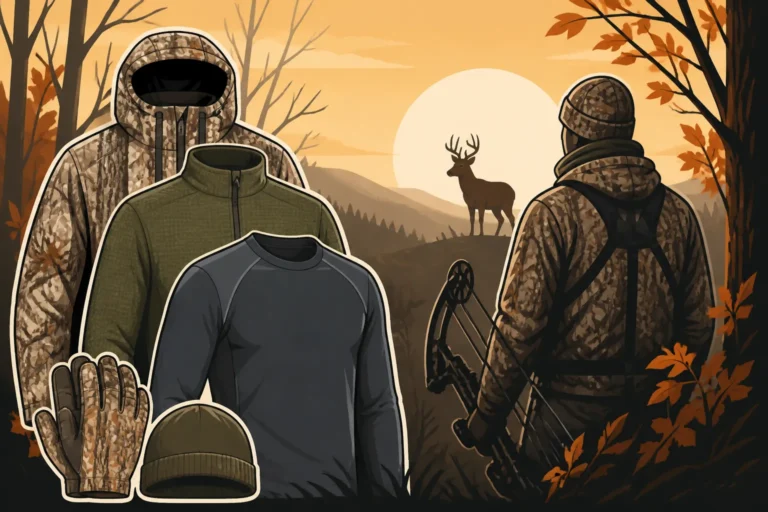
The key to staying comfortable and effective in any weather is a well-thought-out layering system. This typically involves a base layer (next to skin), a mid-layer (insulation), and an outer layer (protection from elements).
- Base Layers: This is where Merino wool truly shines for many. A lightweight or midweight Merino base layer provides excellent warmth, incredible odor control, and that critical insulation when damp from sweat or light moisture. However, for high-exertion activities where you're sweating profusely and need ultra-fast drying, a high-performance synthetic base layer (often polyester) can be a better choice to move moisture away quickly. Think about a strenuous stalk for a gobbler on Run-and-Gun Turkey Tactics on Public Land versus a quiet, cold sit for deer.
- Mid-Layers: Fleece (synthetic) is a dominant force here due to its excellent warmth-to-weight ratio and affordability. However, a heavier Merino wool mid-layer or a wool blend can offer superior warmth in damp conditions and better odor control. For Hunting Deer After a January Cold Front, a substantial mid-layer of either material is absolutely crucial. Many hunters combine these; a synthetic fleece vest over a wool base layer can be an excellent way to maintain core warmth and add versatility.
- Outer Layers: This is often where durability and waterproofing become paramount. Here, synthetics, especially those with robust DWR (durable water repellent) finishes and waterproof membranes, typically dominate. Nylon-faced jackets and pants are tough, shed water effectively, and often incorporate synthetic insulation. You'll find a lot of discussion about the best outer shells on outdoor gear review sites, and many hunting specific brands reviewed on GoHunt highlight their synthetic outer shells.
Combining Wool and Synthetics for Optimal Performance
For many Kentucky hunters, the most effective strategy isn't choosing between wool and synthetics, but rather combining them strategically. This hybrid approach allows you to harness the best qualities of each material.
Here’s a common and highly effective combination:
- Next-to-Skin Base Layer: Merino wool. This layer benefits from wool's odor control, soft feel, and ability to insulate even when damp from sweat. It's fantastic for regulating body temperature during periods of varied activity.
- Mid-Insulation Layer: This can be a high-loft synthetic fleece or a heavier wool sweater/jacket. The choice often depends on temperature and expected activity. Synthetics offer lighter weight and quicker drying for high-activity, while wool provides consistent warmth in damp cold.
- Outer Shell: A durable, waterproof/windproof synthetic jacket and pants. This layer protects your inner insulating layers from the elements, ensuring they can do their job without getting soaked. This is your primary defense against a Kentucky downpour.
This system lets your Merino manage internal moisture and odor, your mid-layer provide adaptable warmth, and your synthetic outer shell fend off the external elements. It’s a versatile approach that can tackle everything from a frosty morning to an all-day, miserable drizzle in a late-season deer stand.
Cost, Durability, and Longevity Factors
When investing in hunting clothing, especially high-performance gear, cost, durability, and longevity are always top of mind.
- Cost: As a general rule, high-quality Merino wool will have a higher upfront cost than comparable synthetic pieces. However, for many, the benefits in comfort, odor control, and wet-weather performance justify the investment. Synthetics offer excellent performance at more accessible price points, making them a great option for hunters on a budget or those looking to expand their layering system without a massive outlay.
- Durability: Synthetics, particularly those with nylon components, tend to be more durable and resistant to snags and tears, which is a real advantage when pushing through briars or thick cover. Wool, while tough in its own way, can be more susceptible to abrasion, especially the finer Merino fibers. However, with proper care, both can last many seasons.
- Longevity: Both materials, when properly cared for, can offer excellent longevity. Wool's natural resilience means it can hold up for years, though repeated harsh washing can degrade its fibers over time. Synthetics are often very tough, but their DWR treatments may need to be refreshed periodically, and some synthetic insulation can "pack out" or lose its loft after extensive use and washing. Ultimately, how long your gear lasts comes down to quality of construction, frequency of use, and how diligently you follow care instructions. Consider how often you'll be out Hunting Land Between the Lakes Waterfowl or Bowhunting Kentucky's Long Archery Season in varied conditions when making your decision, as heavy use will naturally test the limits of any material.
Disclaimer
This article is for general informational purposes only and does not constitute professional advice. Laws, prices and regulations vary by location and change over time. Consult a qualified professional for guidance on your specific situation.