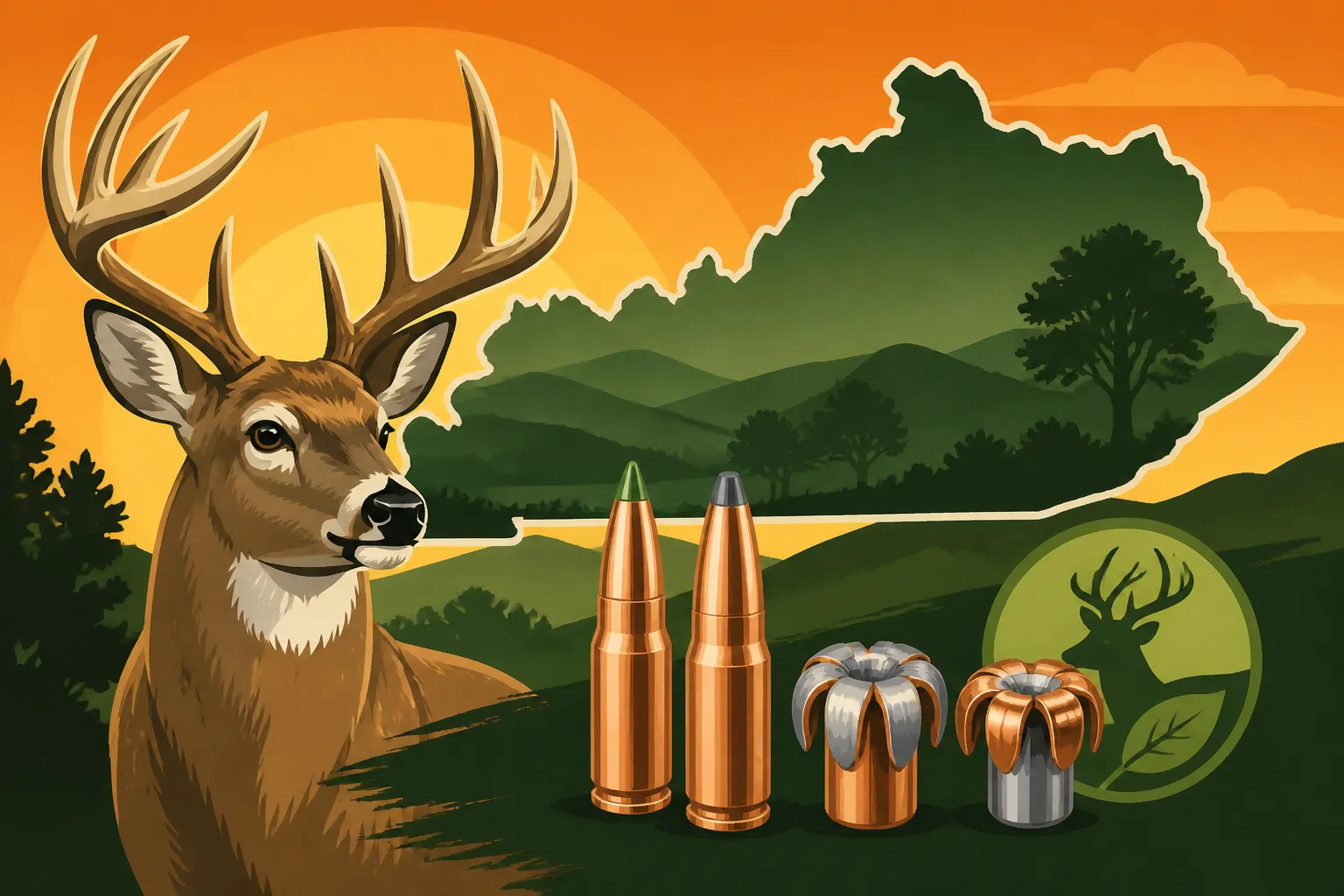
Lead-Free Ammunition Choices for Deer
The conversation around ammunition has definitely shifted over the years, and if you’re a deer hunter in Kentucky, you might be hearing more and more about lead-free options. It's a genuine concern for many of us, wondering what impact our choices have on the environment and even the meat we put on our tables. This guide is here to break down the ins and outs of lead-free ammunition for deer hunting, helping you understand the choices available and how they might fit into your Kentucky hunting strategy.
Why Consider Lead-Free Ammunition for Deer?
For generations, lead has been the go-to material for bullets, and for good reason – it’s dense, relatively inexpensive, and forms well. But times change, and so does our understanding of environmental and health impacts. The push for lead-free ammunition isn't just a fleeting trend; it’s rooted in some very real considerations that matter to Kentucky’s wildlife and the hunters who cherish it.
Environmental Impact on Scavengers
Think about those beautiful hawks, eagles, and even coyotes that play such a vital role in our ecosystems, especially in places like the Daniel Boone National Forest Hunting areas or the vast landscapes of western Kentucky. When a lead-core bullet strikes a deer, especially if it fragments, tiny pieces of lead can scatter throughout the carcass or gut pile left in the field. Scavengers, doing their natural job, come in to clean up. These animals can then ingest those lead fragments, leading to lead poisoning. It’s a silent threat, often unseen, but it can be devastating to individual animals and, over time, impact populations of these magnificent creatures.
This concern extends beyond just large scavengers. Even smaller animals that pick at discarded remains can be affected, creating a ripple effect through the food chain. For hunters who value healthy wildlife populations and want to ensure a vibrant ecosystem for future generations, minimizing this risk is a powerful motivator to explore lead-free alternatives. It's about being good stewards of the land we hunt.
Potential Health Concerns for Hunters and Families
Let’s be honest, part of the joy of deer hunting is the venison it provides. You work hard to put that organic, lean protein on your family’s table. The idea that tiny lead fragments could be present in the meat you process and consume can be unsettling. While the full extent of human health risks from consuming venison harvested with lead ammunition is a complex topic, many hunters are simply choosing to err on the side of caution. Even small, microscopic fragments that might not be visible to the naked eye can be a concern, especially for children or pregnant women.
Processing a deer yourself, you'll know that high-velocity impacts can cause lead to fragment extensively, particularly when hitting bone. This often means carefully trimming away a significant amount of meat around the wound channel to minimize exposure, which can lead to more waste than you'd like. Moving to lead-free options can offer peace of mind, knowing that the venison you’re sharing with loved ones is as clean as possible, reducing the need for such extensive trimming and potentially increasing your yield.
Performance Benefits in the Field
Beyond the environmental and health aspects, lead-free bullets, particularly those made from monolithic copper, offer some impressive performance characteristics that can enhance your hunting success. These bullets are engineered to retain nearly 100% of their weight, even after impacting heavy bone. This means they drive deeper, often providing superior penetration and a clean exit wound, which is critical for a good blood trail when Tracking a Deer Through Kentucky Leaf Litter or through thick cover in places like the Cumberland Mountains.
Fragmenting lead-core bullets, while effective, can sometimes shed a lot of their mass, leading to less consistent penetration on tough angles or through heavy bone. With a monolithic copper bullet, that solid construction ensures a predictable path and devastating energy transfer without disintegration. This can translate to quicker, more humane kills and easier recovery of your deer, which every hunter ultimately strives for.
Types of Lead-Free Bullets for Deer Hunting
The world of lead-free ammunition has come a long way. It's not just a niche market anymore; manufacturers are investing heavily in innovative designs that perform exceptionally well. Understanding the different types available will help you make an informed decision for your specific hunting style and preferred firearm.
Monolithic Copper Bullets
These are perhaps the most popular and widely recognized lead-free options. As the name suggests, monolithic copper bullets are typically machined from a single piece of copper or copper alloy. Brands like Barnes' TSX (Triple-Shock X-Bullet) and TTSX (Tipped Triple-Shock X-Bullet), Hornady's GMX, and Federal's Trophy Copper are prime examples. Their design emphasizes weight retention and controlled expansion. When they hit a deer, the bullet's nose peels back into sharp petals, creating a wide wound channel, but the bullet itself remains intact, continuing to drive through tissue.
This near 100% weight retention is a huge advantage, as it ensures maximum energy transfer and often results in two holes—an entry and an exit wound. This is particularly beneficial for creating a robust blood trail, which can be a lifesaver when recovering an animal, especially in the thick woods of Kentucky. The solid copper construction also means there are no tiny lead fragments to shed into the meat or the environment.
Bonded Core vs. Fragmenting Lead-Free
While monolithic copper bullets are a significant part of the lead-free landscape, there are other designs that approach the problem differently. Some manufacturers offer bullets with a bonded core that uses a different metal, like tin or bismuth, rather than lead. These still aim for high weight retention and controlled expansion, but their construction differs from a single piece of copper. They're designed to prevent the core from separating from the jacket, thus reducing fragmentation.
Then there are some lead-free bullets designed to fragment in a controlled manner, but using non-toxic materials. However, for deer hunting, where deep penetration is often desired, monolithic designs tend to be favored due to their consistent performance and weight retention. It's always crucial to research the specific bullet you're considering and understand its intended terminal performance.
Lead-Free Shotgun Slugs and Muzzleloader Projectiles
It's not just rifle hunters who have lead-free options. If you're hunting during Kentucky's Statewide Modern Gun Season or Muzzleloader Deer Hunting in Kentucky, especially in areas where rifles might be restricted or you simply prefer these platforms, lead-free slugs and muzzleloader projectiles are available. Shotgun slugs, which are often used in dense cover or shotgun-only zones, now come in options that replace lead cores with materials like copper or other alloys. These slugs mimic the performance of their lead counterparts but eliminate the toxic component.
For muzzleloader enthusiasts, the traditional lead round ball or conical bullet can also be replaced. Companies offer lead-free conical bullets, often made from copper or a similar alloy, designed to perform optimally in various muzzleloader twists and bore sizes. Just like with rifle bullets, it's important to test these options in your specific firearm to ensure accuracy and consistent performance before heading into the field. This ensures that regardless of your preferred weapon system, you can make an ethical and environmentally conscious choice.
Popular Lead-Free Ammunition Brands and Their Offerings
The market for lead-free ammunition has expanded significantly, giving hunters more choices than ever before. You're no longer limited to just one or two options; reputable manufacturers are producing excellent lead-free lines that perform beautifully in the field. When you're looking to gear up, especially for something as critical as ammunition, knowing some of the key players can certainly help.
Copper Monolithic Options
When it comes to monolithic copper, a few names really stand out. Barnes is arguably the pioneer in this space with their X-Bullet line, including the Tipped Triple-Shock X-Bullet (TTSX) which many hunters swear by for its consistent expansion and penetration. They have offerings in nearly every popular deer hunting caliber. Hornady offers its GMX and CX (Copper Monolithic Expanding) lines, which are known for their accuracy and reliable performance across various velocities. Federal Premium has its Trophy Copper line, another excellent choice that delivers deep penetration and impressive terminal ballistics. These bullets are designed from the ground up to retain maximum weight and expand reliably, making them fantastic choices for ethical harvests. When you're browsing for a new hunting load on a site like GoHunt, you'll often see these monolithic copper options prominently featured.
Brand-Specific Lead-Free Lines
Beyond the core monolithic copper offerings, many other ammunition manufacturers have developed their own lead-free lines, sometimes incorporating unique designs or materials. Winchester offers its Copper Impact line, which features a solid copper bullet with a polymer tip for enhanced ballistics and reliable expansion. Remington has experimented with various lead-free options over the years, often focusing on accuracy and consistent performance. Browning also features lead-free options in some of its BXD hunting ammunition lines. The great thing is that these brands are committed to offering high-performance, ethical alternatives, so you can often find a lead-free counterpart to your favorite traditional load. Checking out product reviews, perhaps even on GoHunt, can give you a good sense of how these different brand-specific options perform in real-world hunting scenarios.
Availability and Sourcing Considerations
One of the biggest hurdles for hunters considering lead-free ammunition used to be availability, but that's much less of an issue today. Most major sporting goods retailers, both brick-and-mortar and online, carry a decent selection of lead-free rifle cartridges, shotgun slugs, and muzzleloader projectiles. However, specific calibers and bullet weights might still be more readily available than others, especially for less common firearms. It's always a good idea to start looking well before Ammunition Availability Before Opening Day or when you plan to head out.
When you're trying to find the right load for your rifle, remember that bullet performance can vary from one firearm to another. It’s absolutely crucial to buy a box or two, head to the range, and test for accuracy and point of impact with your specific setup. Don't assume a lead-free bullet will shoot exactly like your old lead-core load. This testing is essential to ensure you're confident in your ethical shot placement in the field. If you're struggling to find specific loads locally, online retailers and specialty hunting sites are often the best bet for a wider selection.
Here's a quick comparison of popular lead-free bullet characteristics:
| Bullet Type | Material Base | Key Feature | Weight Retention | Expansion | Penetration | Common Brands |
|---|---|---|---|---|---|---|
| Monolithic Copper | Copper/Copper Alloy | Single piece, peels back into petals | Near 100% | Controlled, Wide | Excellent | Barnes TTSX, Hornady GMX |
| Bonded Lead-Free | Copper/Tin/Bismuth | Non-toxic core bonded to jacket | Very High | Controlled | Very Good | Federal Edge TLR |
| Lead-Free Frangible | Copper/Tin/Polymer | Designed to break apart for reduced ricochet | Low | Extreme Fragmentation | Moderate | Varies by specialty brand |
Choosing the Right Lead-Free Load for Your Kentucky Hunt
Switching to lead-free isn't just about picking any box off the shelf; it's about making an informed decision that matches your rifle, your hunting conditions, and your ethical standards. Kentucky offers such a diverse range of hunting environments, from the tight, dense cover of Hunting Western Kentucky Bottomland Deer to the longer shots possible on Still-Hunting Eastern Kentucky Ridges, that your ammunition choice truly matters.
Matching Bullet Weight and Caliber
Just like with traditional lead bullets, selecting the correct bullet weight for your chosen caliber is paramount. Lead-free bullets, especially those made of copper, are less dense than lead. This means a copper bullet of the same length as a lead bullet will be lighter. To achieve optimal ballistic performance and stability in your rifle's barrel twist rate, manufacturers often design copper bullets to be slightly longer for their weight compared to lead counterparts. Always check the specific recommendations for your rifle's twist rate if you're venturing into unusually heavy or light-for-caliber lead-free options.
For most common deer hunting calibers, you'll find lead-free options that closely match the traditional weights and performance you're used to. For instance, if you typically shoot a 150-grain .308, you'll find excellent lead-free options in similar or slightly lighter weights that are engineered for that caliber. The key is to pick a weight that your rifle shoots accurately, as precision trumps raw power every time.
Understanding Terminal Performance
The "terminal performance" of a bullet refers to what happens when it hits the target – how it expands, penetrates, and transfers energy. Lead-free bullets, particularly monolithic copper, are designed for deep penetration and controlled expansion. They typically won't fragment like some cup-and-core lead bullets might, which means less meat damage from shrapnel and a cleaner wound channel. However, this also means they often require a slightly higher impact velocity to initiate expansion. This isn't usually an issue at typical deer hunting ranges, but it's something to be aware of if you plan on taking very long shots where velocity drops significantly.
For the vast majority of deer hunting scenarios in Kentucky, whether you're taking a close shot in a thick draw or a more open shot across a field edge, a well-placed lead-free bullet designed for deer will perform excellently. Focus on understanding how your chosen bullet is engineered to expand and penetrate, and practice shooting to ensure you can place that shot where it counts. Websites like GoHunt often have detailed ballistic data and user reviews that can shed light on real-world terminal performance.
Ballistics and Accuracy for Kentucky Terrain
Kentucky's terrain demands versatility from a hunting cartridge. You might find yourself in situations where a shot is under 50 yards, or you could encounter a deer at 200 yards or more across an open powerline cut. This is where understanding your chosen lead-free load's ballistics and confirming its accuracy at various distances becomes critical. As mentioned, lead-free bullets can shoot differently than lead-core ones, so a thorough sighting-in process is non-negotiable. Don't just zero at 100 yards and call it good; shoot at 50, 150, and 200 yards to truly know your bullet's trajectory.
Pay attention to factors like wind drift and bullet drop, especially if hunting in open areas or on windy ridges. While lead-free bullets generally have good ballistic coefficients, confirming your rifle's performance with a new load is always wise. Choosing the right Rifle Setups for Kentucky Deer Hunting or specific Rifle Scopes for Low-Light Hollows can also greatly enhance your ability to make precise shots with your chosen lead-free ammunition, ensuring an ethical harvest every time you head into the Kentucky woods.
Disclaimer
This article is for general informational purposes only and does not constitute professional advice. Laws, prices and regulations vary by location and change over time. Consult a qualified professional for guidance on your specific situation.