Ammunition Availability Before Opening Day
There's nothing quite like the crushing disappointment of walking into your favorite sporting goods store a week before opening day, only to find the ammunition shelves bare, especially for the specific caliber you need. It’s a gut punch that many Kentucky hunters have felt, turning pre-season excitement into a frantic scramble. This guide is here to walk you through understanding why ammunition availability can be so unpredictable and, more importantly, how you can proactively secure your hunting rounds well before the season arrives, ensuring you're ready when the time comes to hit the woods.
The Lingering Question: Why is Ammo So Hard to Find Sometimes?
It’s a question whispered in deer camps and grumbled about in gun shops across Kentucky: "Why can't I find my deer slugs, or those specific turkey loads?" The reality is, ammunition availability can be a fickle beast, influenced by a complex web of factors that often hit hunters right when they need their rounds most. It's not usually a conspiracy, but rather a perfect storm of demand, supply, and human nature.
Surges in Demand Outpace Production
One of the primary drivers behind ammo shortages is the sheer surge in demand that periodically sweeps the nation. This isn't just about hunting seasons, though they certainly play a significant role. Major national or even global events, shifts in political landscapes, or even newsworthy incidents can trigger waves of firearm and ammunition purchases. When folks feel uncertain, they often stock up. This means that manufacturing plants, designed to produce at a steady, efficient pace, suddenly find themselves trying to keep up with an explosion of orders. They can't just flip a switch and double production overnight; it takes time, specialized machinery, raw materials, and skilled labor.
Consider what happens leading up to Kentucky Modern Gun Season Opening Day. Thousands upon thousands of hunters, many of whom might only buy ammo once a year, all converge on stores. If even a small percentage of them decide to buy an extra box or two "just in case," that quickly drains inventories. It's a cyclical problem: perceived scarcity leads to more buying, which creates actual scarcity, leading to more panic. This cycle can take months, or even years, to stabilize, long after the initial spike in demand has passed.
The Intricate Dance of the Supply Chain
Beyond just demand, the journey of a single bullet from raw material to your rifle is surprisingly complex. We're talking about lead, copper, brass, powder, and primers – all specialized components, often sourced from different suppliers, sometimes even internationally. Any hiccup in this intricate supply chain can ripple down to the final product. Imagine a delay in brass casing production because of a shortage in a specific type of copper, or an unexpected halt in primer manufacturing due to a factory issue. These aren't just minor inconveniences; they can bring ammunition production lines to a screeching halt.
Then there's the logistics of getting that finished product to the shelves in Kentucky. Trucking shortages, fuel costs, even unexpected weather events can delay shipments. So, while a factory might have produced plenty of .30-06 rounds, if they're stuck in a warehouse hundreds of miles away, they might as well not exist for the hunter trying to prepare for Bowhunting Kentucky's Long Archery Season or the late firearms seasons. It’s a global network, and even local issues in Kentucky can be tied to a much larger, more complex system.
Hunter Habits and the "Wait and See" Approach
Let's be honest, we hunters are a particular bunch, and sometimes our own habits contribute to the problem. How many times have you told yourself, "I'll just grab a box next week when I'm in town," only to find "next week" turns into "the day before opening day"? It's easy to procrastinate, especially if you're like me and have a million other things on your mind: scouting, checking trail cameras, tuning your bow, or just trying to squeeze in one more range session.
This "wait and see" approach means that a huge volume of hunters all try to buy their critical supplies in the same narrow window. Retailers try to anticipate this, but they can only stock so much, especially for less common calibers or specific bullet types. When that initial rush hits, shelves empty fast, and it can take weeks for new shipments to arrive, by which time opening day has often come and gone. It's a tough lesson to learn when you're staring at an empty spot where your preferred box of hunting rounds should be, just days before you plan to head out to Hunting Western Kentucky Bottomland Deer or Still-Hunting Eastern Kentucky Ridges.
Proactive Strategies for Securing Your Hunting Ammunition
The good news is that while you can't control global supply chains or national demand spikes, you can control your own approach to ammunition acquisition. Being proactive is the absolute best defense against the dreaded pre-season ammo shortage. Think of it like scouting: the more effort you put in beforehand, the better your chances of success.
The Early Bird Gets the Bullet: Buy Well in Advance
This is perhaps the simplest, yet most overlooked, piece of advice: buy your hunting ammunition months, not weeks or days, before you plan to use it. If deer season typically opens in November, aim to have your rifle ammo purchased by July or August at the latest. For spring turkey, try to get your magnum loads in hand by January or February. This gives you a buffer against unexpected shortages and allows you to find your preferred brand and bullet weight without stress.
Buying early also provides an opportunity to pattern your shotgun or zero your rifle well ahead of time. You don't want to be doing this frantic last-minute, knowing that if you need to buy more, it might not be there. Use the off-season to ensure your firearm and ammunition are a perfect match, and then buy enough for the upcoming season, plus perhaps an extra box for future practice or unexpected events. It’s far better to have a little extra tucked away in a cool, dry place than to be caught short.
Diversify Your Sourcing: Don't Put All Your Eggs in One Basket
Relying solely on one local store is a recipe for frustration when shortages hit. Expand your search to include a variety of retailers, both brick-and-mortar and online.
- Local Gun Shops: These smaller, independent shops often have different inventory cycles and relationships with distributors than the big box stores. They might also cater to a more niche clientele, potentially carrying less common calibers or premium brands that big stores don't prioritize. Building a relationship with your local gun shop owner can also be invaluable; they might be willing to call you when a fresh shipment of your preferred ammunition arrives.
- Big Box Retailers: Stores like Cabela's, Bass Pro Shops, Rural King, or Academy Sports + Outdoors typically have high-volume purchasing power, but they also serve a massive customer base. Their shelves can clear out quickly, but they also get frequent, large shipments. It’s worth checking their inventory regularly, sometimes even daily, especially for popular calibers.
- Online Retailers: The internet offers a vast marketplace for ammunition. Websites like Brownells, MidwayUSA, Palmetto State Armory, and many others often have broader selections and deeper stock levels than local stores. However, be mindful of shipping costs and potential hazmat fees for certain components. Websites like GoHunt or other hunting forums can sometimes offer tips on where to find specific ammo online or alert you to sales. Just remember to factor in shipping time; you don't want to order something a week before opening day and have it arrive a week after.
- Gun Shows: While not always guaranteed to have what you need, gun shows can be a great place to find smaller vendors or individuals selling ammunition. Prices can sometimes be higher, but the variety can also be greater. Always check the condition of any ammunition purchased at a show, especially if it's not in factory-sealed boxes.
Don't be afraid to cast a wide net. A quick online search, or a few phone calls to different stores, can save you hours of driving around only to be met with disappointment.
Bulk Buying and Proper Storage
When you find your preferred hunting ammunition, consider buying more than just one box. If your budget allows, buying two or three boxes of your deer rounds, or a season's worth of turkey loads, can provide peace of mind. This not only ensures you have enough for the current season, but also for practice, and as a hedge against future shortages.
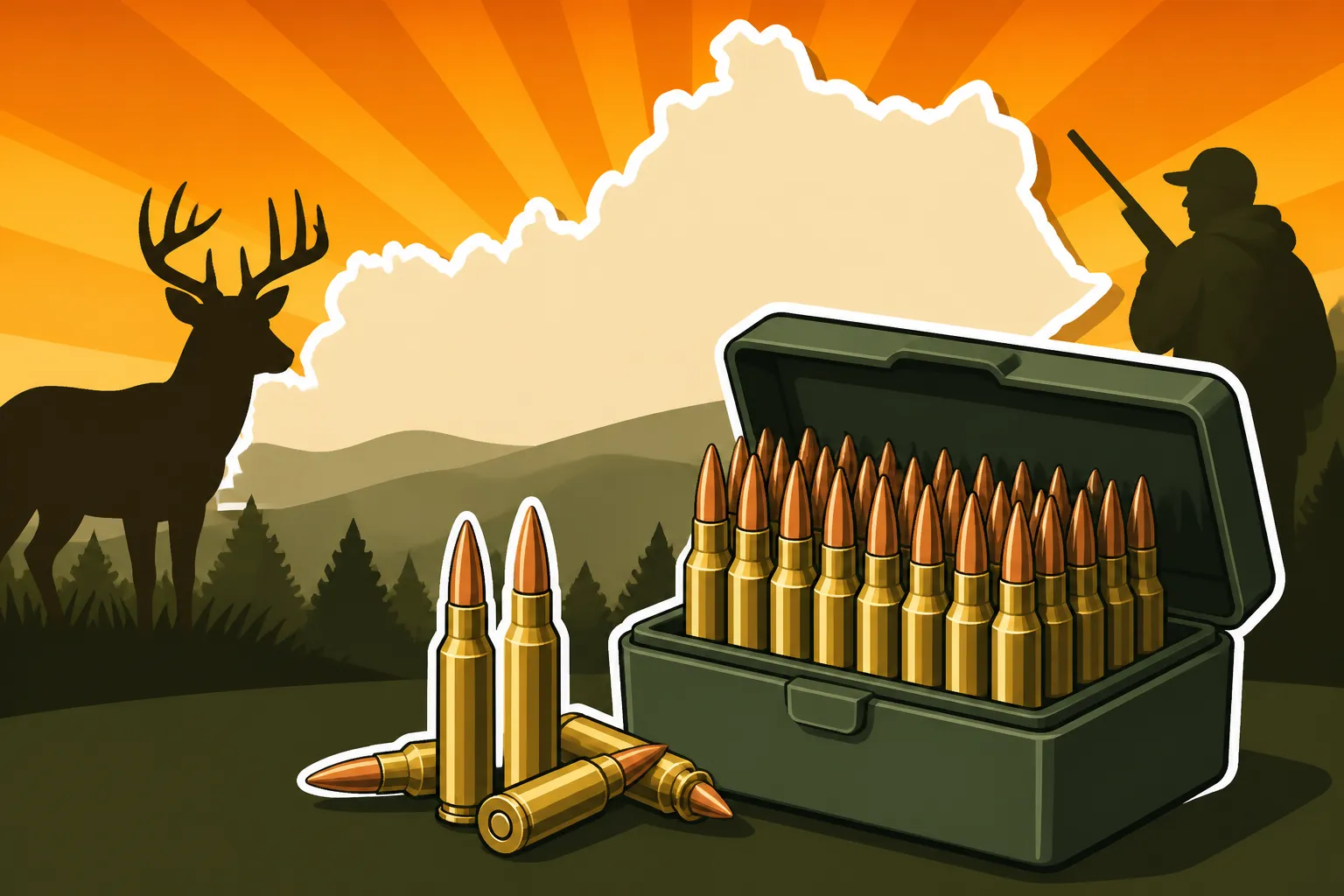
Proper storage is crucial for bulk ammunition. Keep it in a cool, dry place, away from extreme temperature fluctuations and humidity. An airtight container or military-style ammo can is ideal for protecting your investment from moisture, which can degrade powder and primers over time. Stored correctly, modern ammunition can last for many years.
Reloading as a Backup Plan
For the truly dedicated hunter, or those who enjoy the craft, reloading your own ammunition offers an ultimate safeguard against availability issues. While the initial investment in reloading equipment (press, dies, powder scale, etc.) can be significant, and the learning curve exists, it grants you incredible control over your supply. You buy components (primers, powder, bullets, brass) which, while also subject to shortages, often become available at different times or in different quantities than loaded ammunition.
Reloading allows you to tailor loads precisely to your firearm, potentially achieving greater accuracy than factory ammunition. It also gives you the flexibility to experiment with different bullet types and powder charges. Many Kentucky hunters swear by their handloads, not just for independence, but for performance in the field, whether they're hunting White-Tailed Deer Across Kentucky or trying to make the most of a limited elk tag. Websites like GoHunt might offer reloading component insights or discussions among experienced reloaders.
The Role of GoHunt in Your Prep
You might be wondering how platforms like GoHunt fit into this. While primarily known for mapping and planning tools, the community aspects, forums, and articles on such platforms can be invaluable. You can often find discussions about current ammo availability, tips on where to find specific calibers, or even advice on alternative loads if your preferred choice is scarce. Using the comprehensive information and community wisdom on platforms like GoHunt allows you to stay informed and leverage collective knowledge to beat the scarcity. It’s another layer of preparation, similar to how you’d use their mapping features to scout new areas.
Navigating Caliber and Load Choices Amid Shortages
Even with the best planning, sometimes your preferred ammunition just isn't there. In these situations, knowing your options and being flexible can save your hunting season.
Popular Calibers and Their Volatility
Calibers like .30-06 Springfield, .270 Winchester, .308 Winchester, and more recently, 6.5 Creedmoor, are incredibly popular among Kentucky deer hunters. This popularity is a double-edged sword: while typically widely produced, they are also the first to disappear from shelves during a rush. If you wait until September to look for your standard .30-06 hunting rounds, you might be out of luck.
Consider what you usually shoot. Is it a common hunting round? If so, you absolutely must prioritize buying early. If you happen to shoot a slightly less common, but still effective, caliber like a .280 Remington or a 7mm-08, you might find a bit more breathing room on the shelves, though it's still no guarantee. Being aware of the "hot calibers" and the "old faithfuls" that everyone gravitates towards is key to understanding their availability pattern. For more on this, check out Choosing a Rifle Caliber for Kentucky Deer.
Considering Less Common, but Available, Options
Sometimes, the best strategy is adaptability. If your go-to .308 isn't available, what are your legal alternatives? Kentucky hunting regulations allow a range of firearm types and calibers for deer, including many straight-wall cartridges that have seen a resurgence in popularity. Options like the .450 Bushmaster, .350 Legend, or .44 Magnum (in a rifle) might be available when traditional bottleneck cartridges are not. These are perfectly effective at typical Kentucky hunting ranges, especially in the thick timber of Daniel Boone National Forest or dense creek bottoms.
You might also consider different bullet weights or designs within your chosen caliber. If your favorite 150-grain soft-point isn't on the shelf, perhaps a 165-grain boat tail or a different brand's 180-grain offering is. While it's always best to re-zero your rifle with any new ammunition, a slight change in bullet weight or type from the same manufacturer in the same caliber will often shoot close enough for deer hunting at typical ranges in Kentucky, especially if you verify at the range. Just be sure whatever you choose is legal under Kentucky Legal Firearms for Deer Hunting rules. For more on straight-wall options, see Straight-Wall Cartridge Options in Kentucky.
| Caliber/Type | Typical Availability Issues | Pre-Season Strategy |
|---|---|---|
| .30-06, .270, .308, 6.5 Creedmoor | High demand, first to sell out | Buy 4-6 months in advance. Diversify online/local search. |
| .243, 7mm-08 | Moderate demand, can be unpredictable | Buy 3-5 months ahead. Consider less common bullet weights. |
| Straight-Wall Cartridges (.450 Bushmaster, .350 Legend) | Becoming more popular, but often available when others aren't | Check specialty shops, online. Good backup plan. |
| 12/20 Gauge Slugs | High demand during gun season | Buy 4-6 months ahead. Check various shot sizes and brands. |
| Turkey Loads (3" & 3.5") | Seasonal demand spike in spring, can be scarce | Buy 6 months ahead for spring season. Pattern early. |
| Rimfire (.22 LR) | High demand for plinking/small game, can vary | Bulk purchase when available. Often sold out in high volumes. |
Shotgun Ammo and Turkey Loads
It's not just rifle hunters who face availability woes. Shotgun slugs for deer season, and especially specialized turkey loads, can become incredibly scarce. Turkey hunters, with their specific preferences for shot size (e.g., #4, #5, #6) and shell length (3-inch, 3.5-inch magnum), often find their ideal rounds completely gone leading up to Kentucky Spring Turkey Season Rules. These specialized loads are produced in smaller batches than general-purpose ammunition, making them more vulnerable to demand spikes.
The same advice applies: secure your turkey loads immediately after one season ends, or at least 6-8 months before the next one begins. Patterning your shotgun with your chosen load is absolutely critical, and you can't do that if you can't find the shells! Refer to Turkey Shotgun Gauge Choice for more insights on selecting appropriate ammunition and firearms.
Pre-Season Preparation Beyond Just Ammo
Ammunition is vital, of course, but a successful hunting season in Kentucky involves so much more. Thinking holistically about your preparation can mitigate the stress of ammo shortages and enhance your overall experience.
Practice Makes Perfect (With What You Have)
Once you've secured your ammunition, make every round count at the range. Don't just show up and blast through a box. Focus on precision and consistency. If you only have one box of hunting ammo, make sure you properly Zeroing a Rifle for Mixed Distances so you know exactly where your shots are going at various ranges. Practice from field positions, not just a bench. Getting comfortable with your rifle and its capabilities under different conditions is far more important than simply shooting a high volume of rounds.
If hunting ammo is truly scarce, consider using cheaper practice ammunition that's close in bullet weight and velocity, even if it's not the exact hunting load. While you'll still need to verify with your actual hunting rounds, it allows you to maintain shooting proficiency. This also applies to archery hunters; while not dealing with powder and primers, ensuring your bow is tuned and your arrows are flying true throughout the off-season is paramount.
Gear Check: More Than Just the Bang
Your hunting success isn't solely dependent on your ammunition; it's a symphony of preparation. Take the time during the off-season to go through all your gear. Are your boots still waterproof? Is your safety harness in good condition? Do you have your Packs for a Day on Public Land packed and ready? Are your optics clear and free of fog? These details matter. A crisp, clear view through your binoculars or a dependable headlamp for tracking after dark can be just as crucial as a well-placed shot.
Make a checklist of all your essentials, from your hunting license and permits to a first-aid kit and scent control sprays. A little organization goes a long way in preventing those last-minute rushes where vital items are easily forgotten.
Scouting and Planning: The Ultimate Advantage
No amount of ammunition can replace time spent in the woods. Early and consistent scouting is arguably the most important element of hunting success. Get out there and learn the land you plan to hunt, whether it's Daniel Boone National Forest or a small private tract. Look for fresh sign, identify food sources, and understand travel corridors. Use mapping apps and tools like those offered by GoHunt to digitally scout and identify potential bedding areas, funnels, and water sources.
Understanding the terrain, game movements, and pressure points on public lands can give you a significant edge. Even if you're restricted in your ammo choices, having superior knowledge of your hunting grounds can make all the difference. Check out Scouting Kentucky Public Land Before Season to refine your strategies.
Stay Informed on Regulations
Hunting regulations in Kentucky can change from year to year, including those pertaining to legal firearms, ammunition types, and even specific season dates or bag limits. Always consult the current Kentucky Department of Fish and Wildlife Resources (KDFWR) hunting guide before the season. This ensures you're using legal equipment and adhering to all rules. This is especially important if you're considering switching calibers or ammunition types due to scarcity.
Being informed on regulations is just as critical as having your ammunition. Imagine having a box of rounds but finding out they’re not permissible in the specific zone you planned to hunt! Staying current with KDFWR publications, or checking their website, is a non-negotiable part of your pre-season prep.
By embracing these proactive strategies, you can minimize the stress of ammunition availability and maximize your enjoyment of Kentucky's rich hunting opportunities. Don't let empty shelves derail your season; plan ahead, diversify your approach, and hit the woods with confidence.
Disclaimer
This article is for general informational purposes only and does not constitute professional advice. Laws, prices and regulations vary by location and change over time. Consult a qualified professional for guidance on your specific situation.