Grouse Hunting the Cumberland Mountains
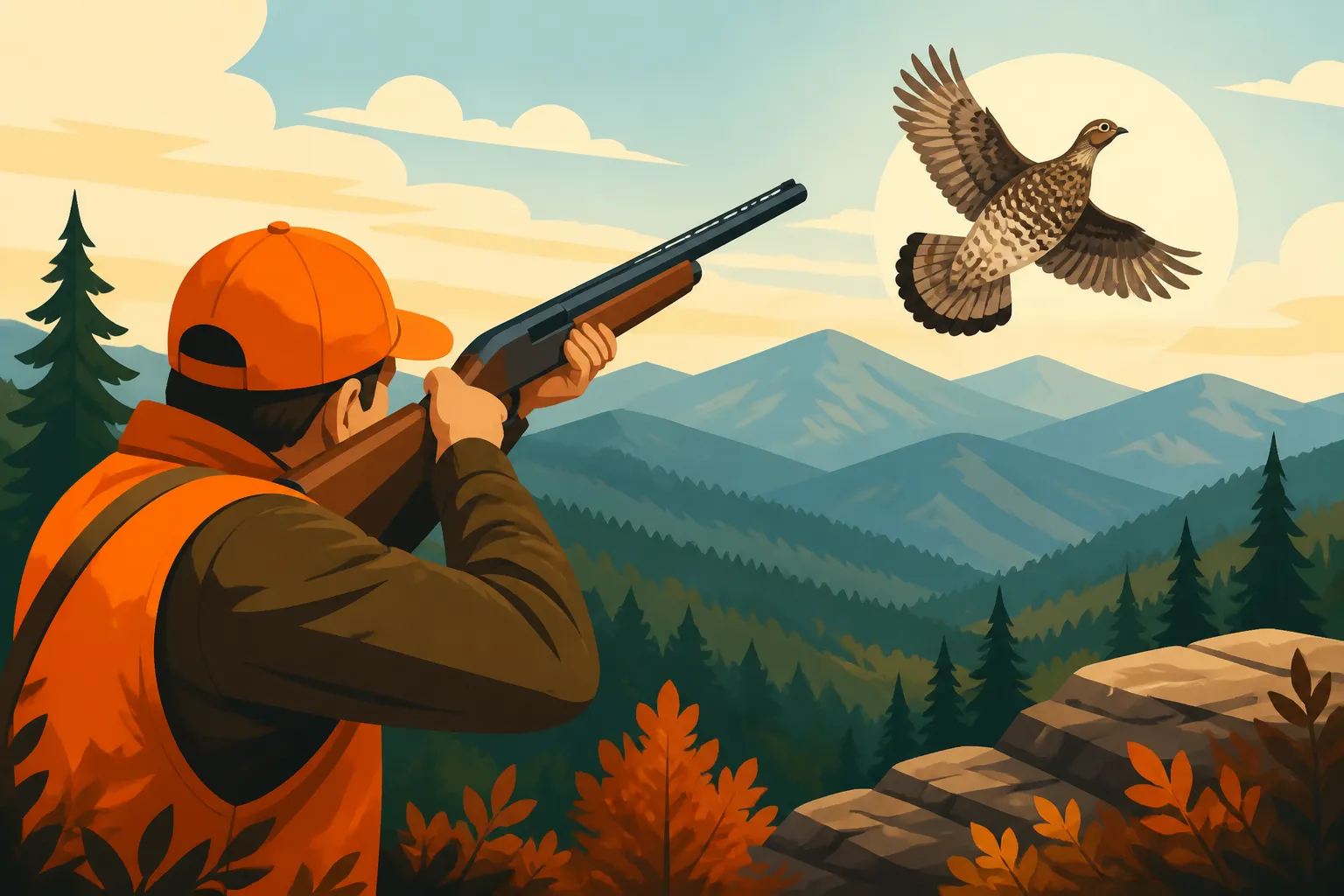
For anyone who's ever tried to chase ruffed grouse through the dense, unforgiving hollers and ridges of eastern Kentucky, you know it's less a casual stroll and more an athletic endeavor. These elusive birds, often called "thunder chickens" for their explosive flush, call the rugged Cumberland Mountains home, and pursuing them is a testament to perseverance. This guide will take a deep dive into what it truly takes to successfully hunt grouse in this challenging, yet rewarding, landscape, from understanding their dwindling habitat to mastering the art of the flush in steep country.
Understanding the Cumberland Mountains Grouse Habitat
The pursuit of ruffed grouse in Kentucky's Cumberland Mountains is truly a labor of love, precisely because their populations aren't what they once were. It’s a stark reality that hits hard when you spend a day busting brush for naught. But understanding where they do survive is the first step to finding success.
The Decline and Current Status of Ruffed Grouse in Kentucky
Back in the day, the ruffed grouse was a much more common sight across Kentucky's forested regions. Old-timers will tell you stories of flushing dozens in a morning. Sadly, those days are largely behind us. The Kentucky Ruffed Grouse Decline has been a significant concern for wildlife managers and hunters alike. Several factors have contributed to this downturn, with habitat loss being the primary culprit. As forests mature, the dense, young undergrowth that grouse need for food, nesting, and escape cover diminishes. Many of the old clear-cuts and timber harvests that once created ideal grouse habitat have grown into mature timber, losing their appeal for these specialized birds.
Beyond habitat succession, emerging threats like West Nile Virus have also played a role in reducing populations in some areas. What this means for today's hunter is that grouse are now largely restricted to the most remote, rugged, and least disturbed sections of the eastern Kentucky mountains, specifically within the Cumberland Plateau. While you might still find scattered birds in pockets of habitat, consistent hunting often requires heading deep into public lands like portions of the Daniel Boone National Forest, where large-scale timber management, while sometimes controversial, can inadvertently create the patches of young forest grouse need. It's tough hunting, no doubt, but that just makes each flush and every bird taken all the more precious.
Identifying Prime Grouse Coverts
If you're going to put in the work to hunt these elusive birds, you need to know where to look. Forget the open woods; grouse thrive in what many hunters would consider impenetrable thickets. Their preferred habitat is often defined by early successional growth, which includes saplings, dense shrubs, and thick understory vegetation that provides both concealment from predators and a ready food source. Think about areas that have been clear-cut within the last 5 to 20 years. The article How Old a Cut Should Be for Grouse delves deeper, but generally, cuts that have grown just enough to become tangled masses of saplings, briars, and low-growing brush are gold. These are the places where sunlight can still reach the forest floor, promoting the growth of berries, seeds, and insects that make up a grouse’s diet.
Beyond clear-cuts, you'll want to scout for specific types of natural cover. Thick rhododendron and mountain laurel thickets are classic grouse hideouts. These evergreen plants provide year-round overhead cover and thermal protection. Hemlock stands, particularly those mixed with deciduous trees, can also be productive, offering dense canopy cover. Look for the edges of these thickets, especially where they meet slightly more open timber, old logging roads, or small stream bottoms. Grouse often use these transition zones for feeding or dusting. Using a mapping application like GoHunt can be incredibly helpful here. You can layer satellite imagery to spot younger timber growth, identify old road systems, and mark potential clear-cuts or dense draws that might otherwise be invisible from a distance. The steeper, nastier, and thicker the terrain, the more likely you are to find a bird.
Essential Gear and Preparations for Mountain Grouse
Hunting grouse in the Cumberland Mountains is not a casual stroll. The terrain is demanding, the cover is dense, and the weather can be unpredictable. Being prepared with the right gear isn't just about comfort; it's about safety and increasing your chances of success.
Shotguns, Ammunition, and Choke Selection
When you're trying to snap-shoot a bird rocketing through a wall of saplings, a fast-handling shotgun is paramount. Most serious grouse hunters favor lighter gauges like a 20 gauge, 28 gauge, or even a .410, though a 12 gauge with light loads can certainly do the trick. The key is a shotgun that comes to the shoulder quickly and points naturally. Over/unders or side-by-sides are popular for their balance and ability to switch between two chokes, but a semi-auto or pump with a short barrel can be just as effective. For the Cumberland Mountains, I'd strongly recommend a Barrel Length for Walking Thick Cover around 24 to 26 inches; anything longer becomes cumbersome in the dense brush.
As for chokes, open is the way to go. Improved Cylinder and Cylinder chokes are common choices, as most grouse flushes happen at very close ranges – often within 15-20 yards. A tight choke will pattern too densely at these distances, leading to missed birds or excessively damaged meat. For ammunition, shot sizes 7.5 or 8 are ideal. These smaller pellets provide a dense pattern to hit a fast-moving bird without over-penetrating and ruining the meat. Keep your shells in an easily accessible vest pocket; you'll need to reload quickly when the action heats up.
Clothing, Footwear, and Navigation Tools
The "mountain" in Cumberland Mountains isn't just a suggestion; it's a promise of steep climbs, treacherous descents, and dense undergrowth that seems purpose-built to scratch, snag, and trip you. Your clothing needs to withstand this abuse while keeping you comfortable. Prioritize tough, briar-proof materials. Brush Pants for Kentucky Fencerows are not just for rabbits; they are essential here. Look for pants with heavy-duty facings on the front and back of the legs to resist thorns and tears. Layering is crucial, as you'll be exerting yourself on climbs and then cooling down quickly on descents or while pausing to listen. A moisture-wicking base layer, a warm mid-layer, and a durable, water-resistant outer shell are a good combination. And don't forget How Much Blaze Orange Kentucky Requires – wear plenty for safety, especially if you're hunting with partners or on public land where other hunters might be present.
Footwear is arguably the most critical component. You need boots that offer excellent ankle support, aggressive traction for slippery leaves and rocks, and waterproof protection. Boots for Walking Kentucky Ridges need to be sturdy, comfortable, and broken in. Nothing ruins a hunt faster than blisters or a twisted ankle miles from the truck. For navigation, a GPS unit or a reliable mapping app on your phone (like GoHunt or onX Hunt) is non-negotiable. Cell service is spotty at best in many parts of the Cumberland Mountains, so download offline maps before you head out. These tools are invaluable for marking your truck, tracking your path, identifying property lines, and finding those specific coverts you scouted.
Strategies for Flushing Birds in Steep Terrain
The actual act of flushing a grouse in the Cumberland Mountains is a craft honed through experience. It's not about speed; it's about methodical persistence and an understanding of how these birds behave in their rugged environment.
Working the Cover: Dogs vs. Still-Hunting
The debate between hunting with a dog and still-hunting for grouse often comes down to personal preference, but in the dense thickets of the Cumberland Mountains, a good bird dog can be an undeniable asset. Breeds like English Setters, Pointers, and Brittanys are renowned for their ability to scent and point grouse, holding them in place for the hunter to walk in and prepare for the flush. This allows for more controlled shots and significantly increases your chances of finding downed birds in the incredibly dense cover. A dog's stamina and nose are invaluable for covering ground and pinpointing birds you'd otherwise walk right past. For a general overview of other methods, check out our guide on Grouse and Small Game Hunting in Kentucky.
However, many successful grouse hunters don't use dogs, opting for a method often referred to as "still-hunting" or "pushing cover." This involves moving slowly, often in a zig-zag pattern through the thickest cover, pausing frequently to listen. Grouse are known to hold tight, often flushing when you're just a few feet away. The trick to Flushing Grouse Without a Dog is to vary your pace, stop suddenly, and even kick at brush piles or logs. This often spooks a bird that was convinced you'd walk by. When still-hunting, always be ready. Your gun should be mounted or at least in a low-ready position, and your senses should be on high alert for that characteristic thunder of wings. Team hunting, where two or three hunters walk abreast through a thicket, can also be highly effective, pushing birds ahead and increasing the odds of a flush.
Reading the Landscape for Grouse Activity
Grouse aren't just randomly distributed throughout the mountains; they have preferences dictated by survival. To increase your odds, you need to learn to "read" the landscape. Focus on areas where different types of cover meet – these transition zones are often prime grouse lies. For example, where a regenerating clear-cut borders a mature hardwood stand, or where a thick rhododendron patch meets a mountain stream. These provide escape cover, food sources, and water all within a small area.
Consider the aspect of the slope. North-facing slopes tend to stay cooler and retain moisture longer, which can mean more succulent vegetation later in the season. Conversely, south-facing slopes might offer warmer, sunnier spots on cold days. Grouse also prefer areas with some degree of irregularity – fallen logs, rocky outcrops, old logging roads, or small benches. These features break up the terrain and provide places for them to hide or dust. Keep an eye out for signs of grouse, such as droppings, dusting bowls (small depressions in soft dirt), or disturbed leaves where they’ve been foraging. While less obvious than deer sign, fresh grouse tracks in snow or mud can tell you where they've been moving. Integrating tools like GoHunt into your scouting routine can help you pinpoint these subtle changes in topography and vegetation from an aerial perspective, giving you a serious advantage before you even step foot in the woods.
Navigating Challenges and Safety in the Cumberland Mountains
Hunting grouse in the Cumberland Mountains is an experience that demands respect for the rugged environment. It's exhilarating, but it also comes with its own set of challenges, from the brutal terrain to variable weather, and of course, understanding local regulations.
Dealing with Difficult Terrain and Weather
The Cumberland Mountains are no joke. You'll encounter extremely steep slopes, dense rhododendron and mountain laurel thickets that feel like concrete walls, and uneven footing hidden by layers of fallen leaves. It's physically demanding, and you need to be in good shape. Plan your routes carefully, using contour maps to anticipate elevation changes. Going straight up a ridge might seem direct, but switchbacking can save energy. Be mindful of loose rocks and slippery leaves, especially on wet or icy days. A fall in remote country can quickly turn serious.
Mountain weather is famously unpredictable. A crisp, clear morning can quickly turn into a cold, driving rain or even snow, especially as the season progresses. Always pack extra layers, a waterproof shell, and a dry set of clothes for the ride home. Our guide on Rain Gear for a Kentucky Downpour offers some excellent advice that's highly applicable here. Hypothermia is a real threat if you get wet and the temperatures drop. Inform someone of your hunting plans, including your route and estimated return time. Carry a fully charged phone, an external battery pack, and a whistle for emergencies. And never underestimate the value of a quality headlamp if you find yourself walking out after dark.
Public Land Access and Regulations
Kentucky offers excellent public hunting opportunities, but it's crucial to understand where you can hunt and what the specific rules are. Much of the prime grouse habitat falls within the Daniel Boone National Forest Hunting areas, particularly in districts like Redbird. These vast tracts of land offer plenty of room to roam, but they also come with specific regulations. Always check the Kentucky Department of Fish and Wildlife Resources (KDFWR) regulations for the current grouse season dates and bag limits, which can sometimes vary by region or even by specific Wildlife Management Area (WMA).
Some notable WMAs that might offer grouse opportunities include the Redbird Wildlife Management Area and the Begley Wildlife Management Area, though active grouse management and populations can fluctuate. It’s always a good idea to contact the local KDFWR office or check their website for the most up-to-date information on specific WMAs you plan to visit. While grouse hunting generally doesn't involve permanent stands, it's good practice to be aware of general public land rules, for instance, regarding Treestand Rules on Kentucky Public Land if you happen to be scouting or hunting other species. Remember, you'll need a valid Kentucky hunting license and the appropriate permits. Our comprehensive guide on Kentucky Hunting Licenses and What They Cost can help clarify what you need before heading out. Always respect private property boundaries, even on public land borders, and use a reliable mapping app to stay within legal hunting areas.
Post-Hunt Care and Preservation
Harvesting a ruffed grouse in the Cumberland Mountains is a hard-earned reward. You’ve put in the miles, battled the brush, and made the shot. Now, it’s essential to properly care for your bird to ensure the meat is at its best.
Field Dressing and Transporting Your Bird
As soon as you recover your grouse, the priority is to cool it down quickly, especially if the weather is mild. Game meat can spoil rapidly if not properly handled. For small game like grouse, many hunters simply remove the guts in the field. This can be done by making a small incision near the vent and pulling out the entrails. This process, similar in principle to Field Dressing a Deer in Cold Weather, allows the body cavity to cool. Alternatively, some hunters might breast out the bird in the field, taking just the meat and leaving the rest behind, which lightens the load for the trek back to the vehicle. However, it's crucial to always check KDFWR regulations regarding evidence of species and sex requirements if you breast out birds. Usually, a wing or head must remain attached during transport to ensure legal identification.
Once field dressed, place the bird in a game bag or a breathable cloth bag. Avoid plastic bags, as they can trap heat and moisture, which accelerates spoilage. If you're hunting on a warm day, consider carrying a small cooler with ice in your vehicle to immediately transfer the birds once you're out of the woods. This rapid cooling helps preserve the delicate flavor of the grouse meat.
Recipe Ideas for Delicious Wild Grouse
The mild, delicate flavor of ruffed grouse is a true culinary treat, often compared to pheasant or quail but with its own unique characteristics. Once you've properly cooled and cleaned your birds, the possibilities in the kitchen are endless. Many prefer simple preparations that highlight the natural taste. Pan-searing the breast is a classic choice: a quick sear in butter or olive oil with a sprinkle of salt and pepper is all it takes for a tender, flavorful meal. You can also bread and fry the pieces, offering a crispy exterior with juicy meat inside.
For a slightly more elaborate dish, consider roasting whole birds (if kept whole) with herbs like rosemary and thyme, or braising them gently in a rich sauce. Grouse also lends itself well to stews or pot pies, especially if you've harvested several birds and want to make the most of the meat. Given the effort it takes to harvest these birds in the Cumberland Mountains, every meal is a celebration of the hunt and a connection to the wild places you explored. Enjoying the fruits of your labor is truly the final, delicious step in the grouse hunting adventure.
Comparative Table: Dog Hunting vs. Still-Hunting for Grouse
| Feature | Dog Hunting for Grouse | Still-Hunting for Grouse |
|---|---|---|
| Effort Level | High physical exertion for hunter, high training for dog | High physical exertion for hunter |
| Stealth Required | Moderate; dog draws attention, but points allow hunter to approach carefully | High; hunter must move slowly and quietly to surprise birds |
| Cover Covered | Can effectively cover more ground, especially dense thickets | Slower pace, covers less ground, but more meticulous |
| Shot Opportunities | Often results in pointed birds, allowing for more controlled shots | Fast, unpredictable flushes, requiring quick reaction shots |
| Bird Recovery | Much higher success rate for finding downed birds in thick cover | Can be challenging to find downed birds in dense vegetation |
| Gear Needs | Shotgun, ammo, hunting vest, briar pants, sturdy boots, dog gear, GPS | Shotgun, ammo, hunting vest, briar pants, sturdy boots, GPS |
| Social Aspect | Often a partnership between hunter and dog, can hunt with other dog owners | Can be a solitary pursuit or done in a small group without dogs |
| Learning Curve | Requires understanding dog behavior, reading points, and handling flushes | Requires keen observation, patience, and knowledge of grouse habits |
Disclaimer
Hunting is an inherently dangerous activity. Always prioritize safety, adhere to all Kentucky hunting regulations, and ensure you have the necessary licenses and permits. The information provided here is for general guidance and educational purposes only. Always consult the most current Kentucky Department of Fish and Wildlife Resources regulations before planning any hunt.