Running Hounds for Pine Mountain Bears
The thrill of the chase, the baying of hounds echoing through rugged hollows, and the ultimate challenge of pitting your skill and your dogs against one of Kentucky's most formidable creatures – that's what draws many to bear hunting with hounds. It's an experience unlike any other, demanding immense preparation, endurance, and a deep understanding of both canine behavior and the wild places bears call home, especially in the notoriously steep and dense terrain of Pine Mountain. This guide will delve into the intricate world of running hounds for black bears in this unique Kentucky landscape, offering practical advice and insight into this demanding but rewarding pursuit.
Understanding Pine Mountain's Unique Bear Habitat
Hunting bears with hounds in the Pine Mountain region of Kentucky is a whole different ballgame compared to flatland deer hunting. This isn't just a walk in the woods; it's an intense physical and mental challenge in some of the state's most remote and unforgiving terrain.
The Rugged Landscape and Its Challenges
Pine Mountain, stretching across parts of Harlan, Letcher, Bell, and other eastern Kentucky counties, is a formidable spine of ancient Appalachia. It’s characterized by incredibly steep slopes, deep, narrow hollows, dense rhododendron thickets, and a maze of rock outcroppings and crevices. This isn't the kind of place where you can just wander off a logging road and expect easy going. The topography itself presents a significant challenge for both hunters and hounds, demanding a high level of physical fitness and surefootedness.
The ground is often covered in slick leaf litter, loose rocks, and tangled root systems that can trip up even the most experienced hunter. Add to that the pervasive thickets of mountain laurel and rhododendron, locally known as "rhodo hells," which can be nearly impenetrable. These dense patches make tracking visually almost impossible and can quickly exhaust both dogs and humans trying to push through them. The sheer verticality of the terrain means that a bear, once jumped, can quickly gain elevation or drop into a deep, steep-sided hollow, often out of earshot, making communication with your hounds a constant battle. This ruggedness truly defines bear country here and dictates almost every aspect of the hunt, from how you scout to the type of gear you carry.
Abundant Food Sources and Bear Behavior
Despite its ruggedness, Pine Mountain is a haven for black bears due to its rich and diverse food sources. The mixed hardwood forests provide an abundance of acorns, especially from various oak species, which are a primary food source for bears, particularly in the fall. Beyond acorns, you'll find wild grapes, berries like blackberries and blueberries, huckleberries, and various nuts such as hickory nuts and beechnuts. These natural mast crops are crucial for bears to put on fat reserves before winter denning. Knowing what food sources are prevalent in a given year, and where they are located, is paramount to understanding where bears will be concentrating their activity. If there's a bumper crop of acorns on a certain ridge, you can bet bears will be frequenting that area.
The bears in this region are often larger and more wary due to the limited human interaction in their core habitats. They know these mountains intimately and use the terrain to their advantage, often seeking refuge in the densest thickets or rock shelters when pressured. Their behavior is heavily influenced by the availability of these food sources and the need to avoid human contact. Understanding how these factors influence where a bear might bed down, where it feeds, and what escape routes it might take is critical for successful hound hunting. Scouting for these areas, looking for scat, claw marks on trees, and tracks around natural springs or seeps, is an essential pre-season activity that can significantly increase your chances of finding a hot track once the season opens. You'll want to remember that bears also follow seasonal patterns; their movements in early fall will differ from those later in the season as they prepare for denning.
The Art and Science of Bear Hound Hunting
Running hounds for bears isn't just about turning dogs loose; it's a meticulously planned and executed operation that combines tracking skills, canine prowess, and a deep understanding of bear behavior.
Finding and Jumping a Track
The hunt often begins before dawn, driving slowly along forest service roads or accessible trails, looking for fresh bear sign. This could be a track crossing a dusty road, a recent scat pile, or disturbed ground where a bear has been foraging. The key is identifying a fresh track, ideally one made overnight. An older track, while tempting, often leads to a long, fruitless chase as the scent fades and the bear could be miles away. Once a fresh track is located, the "strike dog" or "track dog" is usually deployed first. This dog is specifically trained to work a cold track, following the faint scent until the bear is jumped. This initial phase is agonizingly slow, as the dog methodically unravels the bear's path, sometimes for miles, before the bear is roused from its daybed.
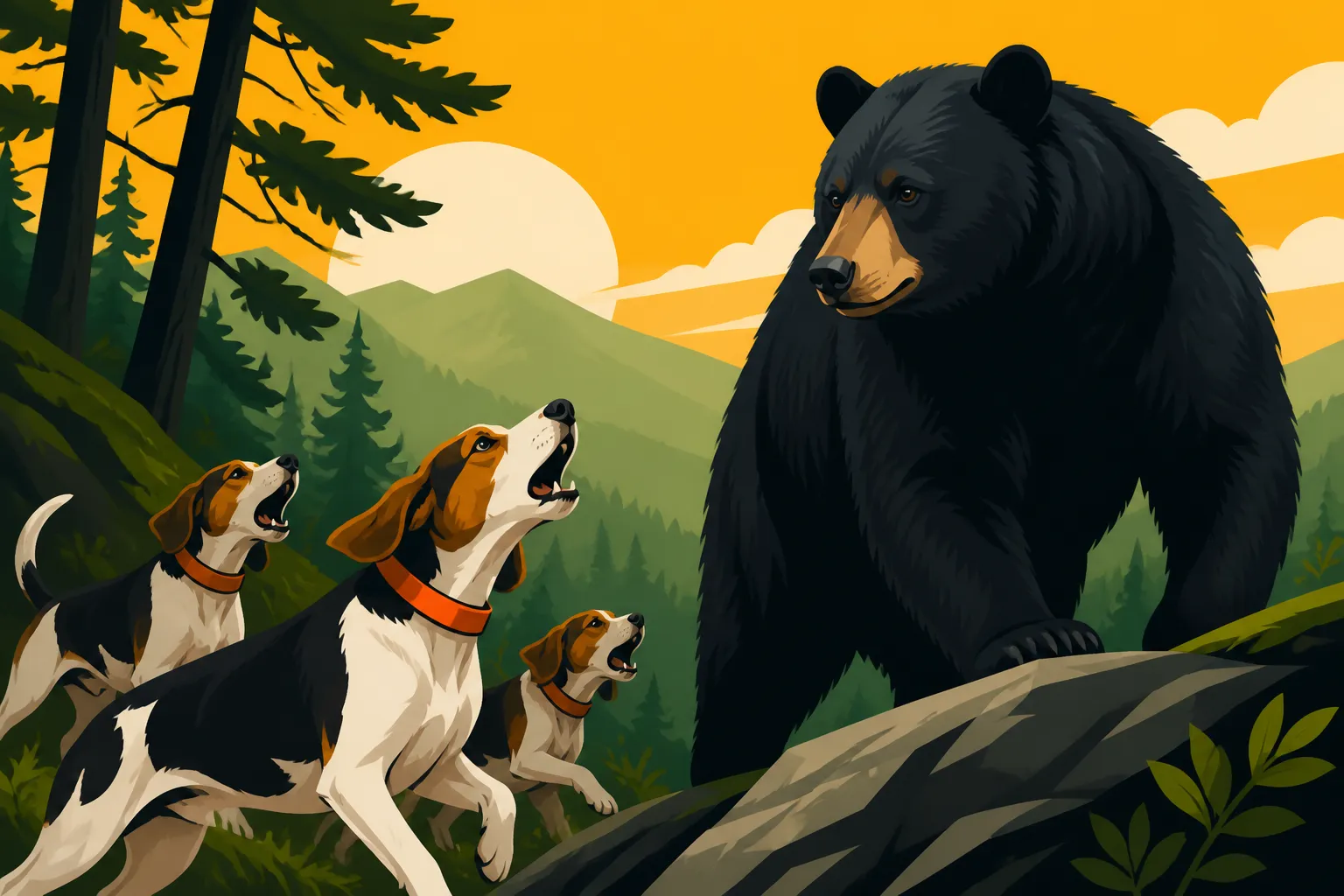
The moment the bear is jumped, the atmosphere changes instantly. The strike dog's demeanor will shift, and its barks will become more urgent, signaling that the chase is on. This is when the other "jump dogs" or "pack dogs" are released, their excitement palpable as they join the pursuit. It’s a moment of pure adrenaline, as the baying of the entire pack suddenly fills the air, echoing through the hollows and off the ridges. Understanding how to read your dogs' vocalizations is crucial here; a good hound hunter can tell by the sound of the pack whether they are on a hot trail, running hard, or have finally treed or bayed the bear on the ground. This communication with your dogs, interpreting their barks and howls, is a critical skill honed over years of experience.
The Thrill of the Chase and the Final Treed Bear
Once the pack is in full cry, the real work begins for the hunters. Keeping up with a pack of hounds running a bear through Pine Mountain's rough country is a marathon, not a sprint. Hunters use GPS collars on their dogs, often leveraging mapping apps like GoHunt, to monitor their positions and direction of travel. This allows hunters to strategize, predicting where the bear might lead the dogs, and planning interception points or routes to follow the chase. Bears are incredibly powerful and cunning, often employing tactics like running through water to break the scent trail, circling back on their tracks, or heading directly into the densest, steepest terrain imaginable to shake the dogs. It’s a test of endurance for the dogs, as they push the bear relentlessly.
The ultimate goal is for the dogs to "tree" the bear, forcing it up a tree where it feels safe from the relentless pursuit. The moment the barks change to a distinct "tree bark" or "chop bark" – a rapid, insistent, and sustained vocalization – is pure music to a hound hunter's ears. This is the signal that the race is over, and the bear is contained. The final trek to the treed bear can be the most challenging part of the hunt, often involving navigating the steepest, thickest terrain imaginable, guided only by the sound of the dogs and the GPS coordinates. When you finally arrive, seeing your exhausted but proud dogs circling the base of a tree, baying at a black bear perched high above, is an incredibly fulfilling moment, a testament to the teamwork between hunter and hound. This is when you make the critical decision on whether to harvest the bear, capture it for research purposes, or simply call off the dogs and let it go.
Selecting and Training Your Bear Hounds
The success of a bear hunt hinges almost entirely on the quality and training of your hounds. Not just any dog will do; these are specialized athletes with specific instincts and temperaments.
Ideal Hound Breeds and Characteristics
When it comes to bear hunting, certain hound breeds consistently rise to the top. Plott Hounds are perhaps the most famous, renowned for their courage, stamina, and deep voices. They are relentless trackers, known for sticking to a bear’s trail no matter how difficult the conditions. Walker Hounds, while often associated more with coon hunting, also make excellent bear dogs, especially those from specific bloodlines bred for bigger game. They are fast, intelligent, and possess a keen nose. Other breeds, like the Black and Tan Coonhound or certain strains of Blue Tick Hounds, can also be formidable bear dogs. The best bear dogs are those with exceptional scenting ability, a strong desire to track, incredible endurance, and a robust physical constitution to withstand the rigors of the chase through punishing terrain.
Beyond breed, individual characteristics are paramount. You want dogs with plenty of "grit" – the determination to stay on a track and confront a bear, but also good "sense" – knowing when to back off or when a situation is too dangerous. A good pack will have a mix of these traits: some dogs that are excellent at cold-trailing, others that are fast and push the bear hard, and some that are particularly good at baying or treeing. Temperament also matters; these dogs need to be controllable, respond to commands, and work cohesively as a pack. Aggression towards other dogs or people is a huge liability. When considering a dog for your pack, look for proven bloodlines and observe the pup's natural drive and confidence from an early age.
The Rigors of Training and Conditioning
Training a bear hound is a multi-year commitment, demanding patience and consistency. It begins with basic obedience and developing a strong bond between handler and dog. Early training involves scent work on less challenging game, gradually moving to bear-specific scents or supervised encounters with captive bears to develop their instinct. Crucially, dogs must learn to distinguish a bear track from other animals, avoiding deer or coyote chases that waste valuable time and energy. This is often achieved through exposure to "trash breaking" – associating negative consequences with chasing unwanted game. Many successful hound hunters also utilize younger, less experienced dogs alongside seasoned veterans, allowing the pups to learn by example. The older dogs teach them the ropes, from how to work a track to how to tree a bear safely.
Physical conditioning is just as vital as mental training. Bear dogs are athletes. They need to be in peak physical shape to handle the strenuous, often all-day chases through mountains. This involves a year-round regimen of exercise: roading them behind ATVs or trucks (with appropriate safety measures), long runs, and swimming. During the off-season, many hunters take their dogs out for "training runs" without the intention of a harvest, simply to keep them sharp and fit. A well-conditioned dog is less likely to injure itself, can sustain a long chase, and will recover faster. Overweight or underexercised dogs will quickly tire, lose interest, and can put themselves and the rest of the pack at risk. Proper nutrition, veterinary care, and regular health checks are also essential components of maintaining a top-tier hound pack, ensuring they are ready for the demanding bear season, especially when considering the specific dates of Kentucky's Bear Dog Season Windows.
Essential Gear and Logistics for a Pine Mountain Hunt
A successful and safe bear hunt with hounds in Pine Mountain requires more than just good dogs. The right gear and meticulous planning are absolutely critical for navigating this challenging environment.
Hunter's Gear: Navigation, Safety, and Endurance
When heading into the Pine Mountain wilderness to chase bears, your personal gear list needs to be robust. First and foremost, navigation is non-negotiable. A reliable GPS unit, like a Garmin Alpha or Astro, is essential for tracking your dogs, but it's equally important to have a backup, such as a smartphone with a robust mapping app like GoHunt or OnX Hunt, loaded with detailed topographic maps. Many hunters also carry a traditional compass and paper map, just in case electronics fail. Understanding Scouting With the Kentucky Hunt Fish App can also give you an edge in pre-season planning. Communication devices are also vital: a satellite messenger or two-way radio is a lifesaver in areas with no cell service, which is common in these remote mountains.
For personal safety and endurance, consider layered clothing appropriate for unpredictable mountain weather. The temperatures can swing wildly, and you'll be exerting yourself intensely. Durable, abrasion-resistant outer layers are key for pushing through thick brush and briars. Sturdy, waterproof boots with excellent ankle support are a must for navigating uneven, slippery terrain; a twisted ankle miles deep in a hollow can turn a hunt into a dire emergency. A well-stocked first-aid kit, a headlamp, fire-starting supplies, extra water and high-energy snacks, and a knife are all non-negotiable. Bear spray is also a wise addition, not just for bears but for other potential wildlife encounters. Don't forget Blaze Orange or pink, as Kentucky law requires it during certain seasons, which helps distinguish you from game and enhances safety, especially if other hunters are in the area.
Canine Gear: Tracking, Protection, and Care
Your hounds also need specialized gear to perform their best and stay safe. GPS collars are at the top of the list, providing real-time location tracking for each dog in your pack. Brands like Garmin are popular among hound hunters for their reliability and range, crucial for keeping tabs on dogs that might run miles out of sight. Protective vests, often made of tough Cordura or Kevlar, are highly recommended to shield dogs from cuts and punctures from briars, sharp rocks, and even potential encounters with a bear. These vests are an investment that can prevent serious injury.
Beyond protection, consider bells or beepers for their collars, which can help you locate a dog in dense cover even if its GPS signal is temporarily lost. A leash, muzzle, and portable water bowls are important for managing your dogs before and after the chase. Carrying dog food or high-energy treats is essential for refueling them, especially on long, arduous hunts. A basic canine first-aid kit – including paw balms, wound care, and pain relief – is also critical. Even with the best preparation, dogs can sustain injuries in the rugged terrain, so being able to administer immediate care is vital. Think about how to effectively manage your dogs' energy and hydration levels during the hunt and when resting, especially if you're out for multiple days.
Here's a quick checklist of essential gear for a Pine Mountain bear hound hunt:
| Item Type | Hunter Gear | Canine Gear |
|---|---|---|
| Navigation | GPS Unit (Garmin), Phone w/ mapping app (GoHunt), Compass & Paper Map | GPS Tracking Collars (Garmin Alpha/Astro), Backup Beepers/Bells |
| Safety | First-Aid Kit (Human), Bear Spray, Headlamp, Fire Starter, Whistle | First-Aid Kit (Canine), Protective Vests (Kevlar/Cordura), Muzzle |
| Comfort/Endurance | Layered Clothing, Durable Waterproof Boots, Water, High-Energy Snacks, Rain Gear | Portable Water Bowls, High-Energy Dog Treats/Food, Paw Balm, Booties (optional) |
| Communication | Satellite Messenger/InReach, Two-Way Radio, Charged Phone | |
| Tools | Knife, Small Saw/Hatchet, Blaze Orange/Pink Outerwear | Leash, Tie-Outs |
Navigating Kentucky's Bear Regulations and Ethics
Hunting bears with hounds in Kentucky, especially on Pine Mountain, comes with a specific set of rules and ethical considerations. Understanding these regulations is paramount for a legal and responsible hunt.
Kentucky's Bear Zone System and Hound Seasons
Kentucky has a specific Kentucky's Bear Zone System designed to manage its growing black bear population. Pine Mountain falls squarely within Bear Zone One, which typically has the earliest and most liberal bear hunting opportunities in the state. This zone is where the bear population is most robust and well-established, allowing for a managed harvest. It’s absolutely critical to confirm the specific dates for the current year's Kentucky Bear Dog Season Windows as these can change annually based on population assessments and harvest goals. Typically, the hound season runs for a defined period, often in October, and there might be separate seasons for archery/crossbow and modern gun, each with their own specific rules for hound use. Always consult the official Kentucky Department of Fish and Wildlife Resources (KDFWR) hunting guide before planning your hunt to ensure you are up-to-date on all regulations.
Beyond the season dates, be aware of the daily and seasonal bag limits, which are usually one bear per hunter per season in Kentucky, regardless of method. There are also specific rules about what constitutes a legal bear to harvest, often pertaining to sex (e.g., no sows with cubs) or minimum weight. It's the hunter's responsibility to clearly identify their target and ensure it meets legal requirements. Remember, the goal of these regulations is to maintain a healthy bear population, not just to facilitate a harvest. Understanding the Kentucky Bear Zone One and Two Rules will keep you on the right side of the law and contribute to conservation efforts.
Ethical Considerations and Responsible Hunting
Ethical hunting goes beyond simply following the law. When hunting bears with hounds, several ethical considerations come into play. First, ensure your dogs are well-trained and under control. Allowing them to run deer, livestock, or trespass on private property where you don't have permission is irresponsible and damages the reputation of all hound hunters. Respect for landowners is paramount; always obtain permission before entering private land, even if your dogs are just passing through. Also, be mindful of public land usage and other hunters. The loud baying of hounds can be disruptive to still-hunters or hikers, so be aware of your surroundings and try to minimize your impact.
Another critical ethical point is ensuring a clean, humane harvest if you decide to take a bear. This means taking responsible shots and being proficient with your firearm. Knowledge of bear anatomy and Shot Placement on a Kentucky Black Bear is essential. In the event of a shot, diligent tracking and recovery are non-negotiable. No ethical hunter wants to wound an animal and lose it. Following up on a shot bear, even if it means hours of tracking through dense cover, is part of the commitment. Finally, consider the welfare of your dogs. Don't push them beyond their physical limits, provide ample water and rest, and be prepared to administer first aid if needed. The bond between hunter and hound is sacred, and their well-being should always be a top priority. When you successfully harvest a bear, remember the steps for Handling a Bear After the Shot for proper field dressing and reporting.
Safety Considerations When Hunting with Hounds
Bear hunting with hounds in Pine Mountain is an exhilarating pursuit, but it's not without its risks. The rugged terrain, the powerful quarry, and the nature of the chase demand a proactive approach to safety.
Navigating Hazardous Terrain
The very landscape that makes Pine Mountain ideal bear habitat also presents significant dangers. Steep, often unstable slopes are prone to loose footing, leading to falls that can result in sprains, broken bones, or worse. Dense rhododendron thickets, while offering cover for bears, can disorient hunters and hide drop-offs or dangerous obstacles. Beyond falls, getting lost is a genuine concern, especially if you get separated from your group or lose track of your dogs' location without reliable navigation tools. This is where redundant navigation methods become critical, as mentioned earlier. Having a fully charged GPS with pre-loaded maps, a spare battery pack, and a physical compass and map can be the difference between a minor inconvenience and a serious emergency. Always communicate your general hunting plan and expected return time with someone not on the hunt.
Weather can also quickly turn treacherous. Rain can make already steep slopes slick as ice, turn small creeks into raging torrents, and drastically reduce visibility. Freezing temperatures can lead to hypothermia, especially if you're far from your vehicle and become wet. Always dress in layers and carry rain gear, even if the forecast looks clear. The remote nature of Pine Mountain means that emergency medical services are often hours away, so minimizing risks and being prepared for self-rescue or administering basic first aid for your entire party (human and canine) is crucial. A simple rule to live by is: if you feel uncomfortable or unsafe, back off and re-evaluate the situation. No bear is worth a serious injury.
Encounters with Bears and Other Wildlife
While the hounds are specifically trained to engage with bears, hunters must also be prepared for direct encounters. A treed bear, especially a sow with cubs or a cornered male, can be unpredictable and dangerous. Always approach a treed bear cautiously, allowing the dogs to keep its attention, and never put yourself in a position where the bear can easily drop out of the tree and make a charge. If a bear "jumps" out of the tree and the dogs can't contain it, give it space and allow your dogs to re-engage from a safe distance. Having bear spray readily accessible is a wise precaution, as it provides a non-lethal option for deterring an aggressive bear.
Beyond bears, Pine Mountain is home to other wildlife that can pose risks. Venomous snakes, like timber rattlesnakes and copperheads, are common in the warmer months. Always watch where you step and place your hands. Wild boars, though less common than bears, can be aggressive, especially if encountered by surprise. Even though deer are not typically the target, a wounded buck can be dangerous. The sheer wildness of the area means being constantly aware of your surroundings and understanding the behavior of the animals you might encounter. Your dogs are trained to focus on bears, but you, as the hunter, are responsible for overall situational awareness for everyone's safety.
Conclusion
Bear hunting with hounds in Kentucky's Pine Mountain region is a demanding, yet profoundly rewarding tradition. It connects you to the raw wilderness, tests your limits, and builds an incredible bond with your canine partners. While the challenges of rugged terrain, elusive bears, and complex regulations are significant, the satisfaction of a well-executed hunt, guided by the relentless spirit of your hounds, is an experience that stays with you long after the echo of their baying fades from the hollows.
Disclaimer
The information provided in this guide is for informational purposes only and is not a substitute for official regulations. Hunters are responsible for knowing and adhering to all current Kentucky Department of Fish and Wildlife Resources (KDFWR) hunting laws and regulations. Always prioritize safety for yourself, your hunting partners, and your dogs.