Kentucky Bear Dog Season Windows
Trying to figure out the intricacies of Kentucky's bear hunting seasons, especially when you're planning to use hounds, can feel like navigating a dense thicket without a compass. It's not as simple as checking a single opening and closing date; instead, you're looking at specific windows, varying by zone, and even subject to harvest quotas that can shut things down unexpectedly. This guide is here to untangle that web, breaking down the specific bear dog season windows in Kentucky so you can plan your hunt with confidence and clarity, rather than confusion and last-minute scrambling.
The Foundations of Kentucky's Bear Hunting Framework
Kentucky's black bear population has made a remarkable comeback, and with that success comes a carefully managed hunting season. For many, the thrill of tracking a bear with a well-trained pack of hounds is deeply rooted in hunting tradition, but it also comes with its own unique set of rules and considerations.
Why Bear Hunting with Dogs is Different
Bear hunting with hounds is a discipline all its own, distinct from still-hunting or spot-and-stalk methods. It's an active, high-energy pursuit that relies on the incredible scenting ability and perseverance of trained dogs to locate, pursue, and eventually tree or bay a bear. This method has a long, storied history, particularly in the rugged Appalachian regions, where many of Kentucky's bears roam. However, its dynamic nature means it's often subject to more stringent regulations to ensure fair chase, public safety, and the sustainable management of the bear population.
The differences aren't just in the pursuit itself; they extend to how seasons are structured. With hounds, you're not just sitting in a stand waiting for a bear to pass; you're actively moving through the landscape, often covering many miles. This requires an understanding of how far your dogs might range, who you might encounter on public lands, and how to safely retrieve your pack. It also demands a different level of responsibility, both for your dogs' welfare and for managing the interaction with a powerful wild animal. Because of these factors, the Kentucky Department of Fish and Wildlife Resources (KDFWR) has crafted specific windows for hound hunting, often distinct from archery or firearm seasons, to account for these unique dynamics and minimize potential conflicts. It's a method that calls for a deep respect for the animal, the land, and the regulations designed to protect both.
Kentucky's Bear Zones and How They Impact Dog Seasons
Kentucky isn't a single, uniform bear hunting area. Instead, the state is divided into specific bear zones, and these zones are the bedrock upon which all bear hunting regulations, including those for dog seasons, are built. These zones are established based on bear population densities, habitat availability, and management objectives, and they directly dictate everything from season length to bag limits and, crucially, when and where you can hunt with hounds.
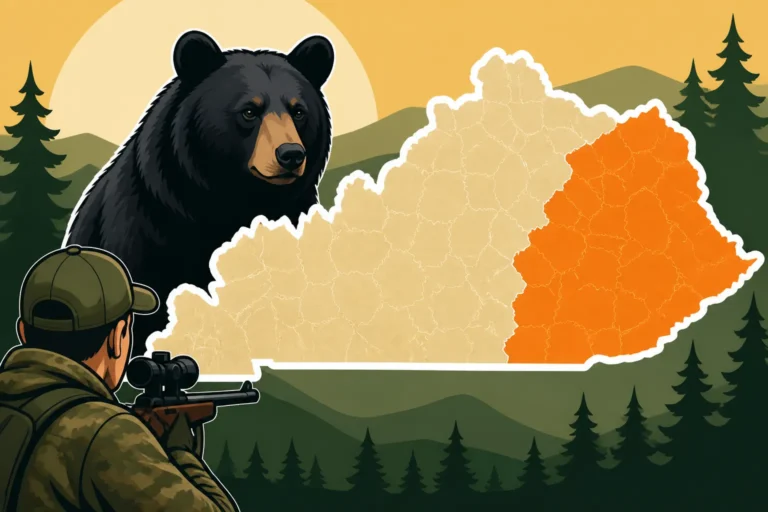
Currently, Kentucky operates with three distinct bear zones: Zone 1, Zone 2, and the newer Zone 3. Zone 1 typically covers areas with the highest bear populations, primarily in the southeastern coalfields. Zone 2 encompasses areas with expanding populations adjacent to Zone 1, and Zone 3 includes counties where bear presence is increasing but not yet as established, often acting as a buffer or expansion area. For a hound hunter, knowing which zone your target hunting ground falls into is paramount. Each zone will have its own specific opening and closing dates for dog hunting, sometimes with different quotas or even different rules regarding weapon types or allowable harvest. This can be a real headache, especially if you hunt across county lines, as you might find yourself in a different zone with completely different regulations just a few miles down the road. It’s essential to consult the most current KDFWR regulations or use a mapping tool like GoHunt to clearly define these boundaries before heading out. Understanding these zones is the first, most critical step in deciphering when and where you can unleash your hounds. For a deeper dive into the specifics of these regions, check out our guide on Kentucky's Bear Zone System.
Diving Deep into Bear Dog Season Windows by Zone
Once you understand Kentucky's bear zones, the next step is to pinpoint the exact bear dog season windows for each. These are not always continuous periods, and they can sometimes be quite short, making precise planning absolutely crucial for a successful hound hunt.
Navigating Zone 1 and 2 Bear Dog Seasons
For many years, Zones 1 and 2 have been the traditional strongholds of Kentucky's bear population and, consequently, where most of the hound hunting has occurred. The season windows here tend to be shorter and are often tied to specific harvest quotas, which adds a layer of urgency and unpredictability to the hunt. Historically, the bear dog season in these zones typically opens in late October and might run for a limited number of days or until a predetermined harvest quota for either males or females, or a combined total, is met. These quotas are put in place by the KDFWR to carefully manage the bear population, ensuring that harvest levels are sustainable and don't negatively impact the long-term health of the herd.
What this means for you, the hound hunter, is that you're not just up against the clock, but also against other hunters. If the quota is met early, the season can close abruptly, sometimes within a day or two of opening. This "race" against the quota can be incredibly frustrating. Imagine spending countless hours training your hounds, scouting the perfect terrain, and then seeing the season close before you even get a chance to cast your dogs. It happens, and it's a stark reminder of the unique challenges of hunting under a quota system. This is where tools like the KDFWR's official website or a trusted hunting app can be invaluable, offering real-time updates on harvest numbers so you can make informed decisions about when and where to hunt. Many hunters use resources like GoHunt to stay on top of these dynamic regulations. For a full breakdown of the rules in these areas, make sure to read up on Kentucky Bear Zone One and Two Rules.
Understanding Bear Zone 3's Dog Season Particulars
Zone 3 represents a newer chapter in Kentucky's bear management, reflecting the continued expansion of the bear population into previously less-populated areas. Because of this, the bear dog season in Zone 3 often takes a slightly different approach compared to the more established Zones 1 and 2. While Zone 3 still has specific windows for dog hunting, they might be structured to offer extended opportunities or have different quota mechanisms. This is part of the KDFWR's strategy to allow for controlled harvest in areas where bears are establishing themselves, helping to manage their spread and mitigate potential conflicts with human populations.
For instance, the season in Zone 3 might have a longer continuous window, or it might not be subject to the same immediate, rapid quota closures seen in the denser zones. This can offer a bit more predictability for hound hunters, reducing the pressure of a quickly closing season. The specific dates can still vary from year to year, so always check the most current regulations. A hypothetical scenario might involve a hunter who traditionally hunted in Zone 1, constantly worried about the quota, now looking to Zone 3 for a potentially less stressful experience with their pack. These differences reflect a dynamic management approach, adapting to the changing bear landscape across the state. If you’re considering this expanding territory, our detailed post on Kentucky's New Bear Zone Three will give you all the information you need.
Key Regulations and Practical Considerations for Hound Hunters
Beyond just knowing the season dates, bear hunting with hounds in Kentucky involves a host of specific regulations and practical considerations that are crucial for a legal, safe, and successful hunt. It's not just about the chase; it's about adhering to all the rules governing permits, reporting, and responsible conduct, especially on public lands.
Permitting, Licensing, and Reporting Requirements
Before you even think about setting foot in the woods with your hounds, you absolutely must have the correct licenses and permits. In Kentucky, this typically means a valid annual hunting license and a specific bear permit. The bear permit is not just a formality; it's how the KDFWR tracks bear hunting participation and, crucially, manages the harvest. The cost of this permit can vary, so always confirm the current fees. Our guide on Kentucky Bear Tag Cost provides the latest information on what you can expect to pay.
Once you’ve successfully harvested a bear, the job isn’t done. Kentucky has strict mandatory harvest reporting rules. Every bear taken, whether by still-hunting or with hounds, must be reported to the KDFWR, usually through the Telecheck system, within a very short timeframe – often by the end of the day it was harvested. This reporting is critical for quota management; it's how the KDFWR knows when to close a season if a quota is met. Failing to report your harvest is a serious violation. Additionally, depending on the zone or specific circumstances, you might be required to present the bear for physical inspection by KDFWR personnel, especially in or near Chronic Wasting Disease (CWD) surveillance zones, to collect biological samples for disease monitoring. Staying on top of these requirements is essential. It's not uncommon for hunters to use digital tools, and even a platform like GoHunt can help organize your license information and remind you of reporting deadlines. For a comprehensive overview, see our article on Kentucky Bear Checking Requirements.
Ethical Hound Hunting and Public Land Access
Hunting with hounds on public land in Kentucky demands a heightened sense of responsibility and adherence to specific rules to ensure ethical practices and minimize conflicts. Kentucky boasts incredible public hunting opportunities, including vast sections of the Daniel Boone National Forest and numerous Wildlife Management Areas (WMAs). However, these lands are shared resources, and respecting other users – hikers, birdwatchers, or other hunters – is paramount.
One critical aspect is managing your dogs. While it's legal to train and hunt with dogs for bear during specified seasons, you must ensure your hounds remain under control. This doesn't mean they can't range widely; it means you're responsible for them and their actions. Leaving dogs unattended for extended periods, allowing them to trespass onto private property without permission, or letting them harass non-target wildlife are all serious issues. The KDFWR often has regulations regarding dog training periods outside of the hunting season, which are crucial for preparing your pack for the rigors of a bear chase. Our post on Dog Training on Kentucky Public Land offers valuable insights into these guidelines. Furthermore, when Running Hounds for Pine Mountain Bears, specifically within the rugged terrain of southeastern Kentucky, awareness of adjacent private property and residential areas is key. You need a plan for dog retrieval, which might involve carrying a GPS collar system for your hounds to track their movements, as covered in GPS Collars for Pine Mountain Bear Hounds. Always carry a leash and be prepared to recall your dogs, especially if they are approaching roads or developed areas. Adherence to these ethical guidelines not only ensures your hunt is legal but also maintains the positive public image of hound hunting and supports continued access to public lands.
Here's a quick overview of how bear dog seasons might look across zones (always verify current year regulations!):
| Zone | General Season Window | Dog Hunting Season (Example) | Quota Type (Example) | Special Notes (Example) |
|---|---|---|---|---|
| Zone 1 | Late Oct – Early Nov | Oct 28 – Nov 3 | Combined Male/Female | Often closes quickly if quota met. |
| Zone 2 | Late Oct – Mid Nov | Nov 4 – Nov 10 | Combined Male/Female | Quota-based, monitor KDFWR updates. |
| Zone 3 | Mid Nov – Late Nov | Nov 11 – Nov 20 | Potentially higher/longer | Newer zone, often less restrictive. |
Strategies for Maximizing Your Bear Dog Season
Given the often-short and quota-driven nature of Kentucky's bear dog seasons, maximizing your efforts is key. This isn't a casual hunt; it requires dedicated preparation and in-the-moment adaptability.
Pre-Season Scouting and Dog Training
A successful bear hound hunt begins long before the season opener. Effective pre-season scouting is absolutely paramount. Bears are highly intelligent and opportunistic animals, and their movements are largely dictated by food sources. In the early fall, this means identifying areas with abundant mast crops—especially acorns, but also berries and other soft mast. Look for fresh bear sign: tracks, scat, rub trees, and overturned rocks or logs where bears have been foraging. Understanding recent bear activity patterns will give you a significant advantage, helping you decide where to concentrate your efforts when the season finally opens. You can gain valuable intel by dedicating time to Scouting Kentucky Public Land Before Season.
Equally important is the conditioning and training of your hounds. Bear hunting is physically demanding for dogs, often requiring them to run for miles over rugged terrain. Your dogs need to be in peak physical condition, with tough pads and strong endurance. Beyond physical fitness, their scenting abilities and treeing instincts must be finely honed. This involves consistent training runs, ideally on bear scent or with other trained bear dogs, to reinforce their skills and build their confidence. Many experienced hound hunters spend the entire off-season working their dogs, ensuring they are ready for the intensity of a bear chase. Investing in reliable GPS collars, as discussed in GPS Collars for Pine Mountain Bear Hounds, during these training sessions is also crucial for tracking their progress and ensuring their safety.
In-Season Tactics and Adaptability
Once the season opens and you're in the woods, successful bear hound hunting hinges on your ability to react to real-time conditions and, crucially, to the fast-changing quota situation. Weather plays a huge role; wet conditions can make scenting difficult for dogs, while extreme heat can quickly exhaust your pack. Being adaptable means having multiple game plans: knowing alternative areas to hunt if your primary spot isn't producing, or if weather conditions suddenly shift.
More critically, you must constantly monitor the KDFWR's official harvest reports. As mentioned earlier, if the quota for your zone is met, the season can close with little notice. This means you need a system in place – whether it's through KDFWR alerts, a group text chain with other hunters, or by regularly checking a platform like GoHunt – to get real-time updates. Imagine a scenario where you've treed a bear, but as you're making your way in, a notification comes through that the season has closed. It's a gut-wrenching possibility, but one you must be prepared for. Therefore, making quick decisions and knowing when to call off a chase or shift your strategy based on quota status is paramount. Teamwork among hound hunters is also vital. A well-coordinated group can cover more ground, effectively communicate dog movements, and ensure safe and efficient handling of a treed or bayed bear, especially in the steep terrain of eastern Kentucky.
Challenges and Conservation for Kentucky Bear Dog Hunters
Hunting bears with hounds in Kentucky is an exciting pursuit, but it's also one that comes with inherent challenges and a significant responsibility towards conservation. Understanding these aspects makes you a more effective and ethical hunter.
Navigating Regulations and Quotas
One of the biggest mental and logistical hurdles for Kentucky bear hound hunters is the constant pressure of navigating restrictive regulations and, more specifically, the unpredictable nature of harvest quotas. It's not like deer season where you typically have months to fill your tags. With bear, particularly in Zones 1 and 2, those windows can be incredibly narrow, sometimes just a few days or even less. This creates immense pressure. You might take time off work, travel a considerable distance, and spend significant money, only to have the season close before your dogs ever get on a fresh track, or even worse, while you're actively pursuing a bear.
This rapid closure due to quotas isn't meant to be frustrating; it's a vital tool for wildlife managers. Bears have relatively low reproductive rates compared to deer, meaning their populations are more sensitive to overharvest. The KDFWR meticulously sets these quotas based on population estimates, cub survival rates, and other biological data to ensure the population remains healthy and sustainable. While it's tough as a hunter to deal with, accepting and understanding the scientific basis behind these limits is crucial for being a responsible participant in Kentucky's bear management program. It requires a degree of flexibility and a willingness to accept that sometimes, despite your best efforts, the opportunities just won't align.
Supporting Kentucky's Growing Bear Population
The story of the black bear in Kentucky is a true conservation success, and hound hunters play an integral role in its ongoing management. Once extirpated from the state due to habitat loss and unregulated hunting, Kentucky's bear population has rebounded spectacularly over the last few decades, primarily due to natural migration from surrounding states and excellent habitat. Today, Kentucky's Black Bear Population is thriving, expanding its range across the eastern part of the state and even making appearances in central Kentucky.
Regulated hunting, including that done with hounds, is a critical component of modern wildlife management. It helps to control population growth in specific areas, reduce human-bear conflicts, and provide valuable biological data for the KDFWR. When hound hunters adhere to all regulations, accurately report their harvest, and participate ethically, they contribute directly to the health and sustainability of the bear herd. The data collected from bear harvests, such as age, sex, and health, helps KDFWR biologists fine-tune future management strategies and quotas. Furthermore, the presence of responsible hunters in the woods can deter poaching and provide an extra set of eyes and ears for wildlife agencies. Our article on Kentucky Bear Harvest Trends provides a detailed look at how these numbers contribute to conservation efforts. By embracing their role as stewards of this remarkable species, hound hunters ensure that future generations will also have the opportunity to experience the thrill of a bear chase in the Kentucky wilds.
Disclaimer
Please remember that hunting regulations, season dates, and quotas are subject to change. Always consult the most current Kentucky Department of Fish and Wildlife Resources (KDFWR) hunting guide and website before planning any hunting trip. This information is for general guidance only and should not be considered legal advice.