Kentucky’s New Bear Zone Three
For years, hunters and landowners in Kentucky have seen black bears expand their range beyond the traditional eastern strongholds. This expansion, while a testament to successful conservation, brings new challenges and opportunities, particularly for hunters who might not be familiar with these powerful animals. Navigating the regulations for this growing population can be confusing, especially with the introduction of new zones. This guide will walk you through everything you need to know about Kentucky's newest bear management area: Bear Zone Three.
Understanding Kentucky's Bear Management Philosophy
Kentucky's black bear population has experienced a remarkable resurgence over the past few decades, evolving from a sparse, transient presence to a thriving, reproducing population. This comeback is a true success story for wildlife conservation efforts, a testament to habitat recovery and protective measures. However, a growing bear population also means the Kentucky Department of Fish and Wildlife Resources (KDFWR) must continually adapt its management strategies to maintain a healthy balance between the bears, their habitat, and the people who share the landscape.
The KDFWR's Approach to Bear Conservation
The KDFWR doesn't just manage bears for hunting; their primary goal is long-term population health and sustainability. This involves careful monitoring of bear numbers, distribution, and reproduction rates. They use a combination of research, public reporting, and harvest data to make informed decisions about season lengths, bag limits, and specific hunting zones. The aim is always to allow the bear population to continue to grow and expand into suitable habitats while also addressing potential conflicts with humans and agricultural interests. It’s a delicate dance, ensuring the future of these magnificent creatures while also providing managed hunting opportunities.
Why Zonal Management is Essential
Bears aren't evenly distributed across Kentucky. Their presence is densest in the rugged, forested terrain of the eastern coalfields, gradually thinning out as you move westward. Because of this varied distribution, a "one-size-fits-all" approach to hunting regulations simply wouldn't work. Zonal management allows the KDFWR to tailor hunting pressure and harvest quotas to specific regional populations. In areas where bears are thriving and even becoming overabundant, more liberal seasons might be implemented. Conversely, in areas where bears are just establishing themselves or are less numerous, seasons might be shorter, or harvest limits stricter, or even closed altogether. This precision helps to prevent overharvest in nascent populations and encourages expansion while providing recreational opportunities where the population can sustain it.
The Evolution of Kentucky's Bear Zones
Kentucky's bear management has adapted over time, reflecting the dynamic nature of the state's black bear population. What started with a single, broad approach has evolved into a more nuanced, multi-zone system designed to accommodate the bears' expanding range and increasing numbers. Understanding this evolution helps to grasp why a new zone became necessary.
From One Zone to Two: The Early Years
For a long time, black bears were rare enough in Kentucky that specific hunting zones weren't a major consideration. As the population began its incredible comeback, primarily originating from populations in Virginia and West Virginia and expanding westward into Kentucky's most remote eastern counties, the KDFWR initially established a more generalized hunting zone. This was primarily concentrated in the core bear habitat of the mountainous eastern part of the state.
As the bear numbers continued to grow and spread, especially into new counties, it became clear that a single zone wasn't granular enough. The population wasn't homogenous; some areas had well-established, breeding populations, while others were seeing transient males or the beginnings of new family groups. This led to the creation of Kentucky Bear Zone One and Two Rules, allowing for different management strategies in areas with differing bear densities and population dynamics. Zone One typically encompassed the core, densely populated bear range, often allowing for more hunting opportunity, while Zone Two represented areas with lower, but still significant, bear numbers.
The Need for a New Zone: Expanding Bear Range
The story of Kentucky's Black Bear Population is one of relentless expansion. Bears are incredibly adaptable, and as their numbers increased, they began to push the boundaries of their traditional habitats. We started seeing more and more bear sightings in counties that previously had very few, or none at all. These weren't just lone males wandering through; evidence suggested that breeding populations were beginning to establish themselves further west and south.
Counties like Clinton and Wayne, for instance, began experiencing more frequent and consistent bear activity. While these areas weren't quite as densely populated as the long-established strongholds in Zones One or Two, they clearly had a growing presence that needed specific management attention. The KDFWR recognized that these newly colonizing areas required a different approach than either the heavily hunted core zones or the completely closed areas where bears were still considered incidental. This ongoing expansion and the need for localized, tailored management laid the groundwork for the creation of Bear Zone Three. Without it, these areas would either be over-regulated for their burgeoning population or under-regulated, potentially leading to increased human-bear conflicts without adequate management tools.
Introducing Bear Zone Three: Counties and Purpose
The establishment of Bear Zone Three marks a significant development in Kentucky's wildlife management strategy, reflecting the continued success of black bear restoration efforts and the expansion of their territory. This new zone isn't just a lines on a map; it's a carefully considered response to changing demographics of Kentucky's bear population.
Counties Comprising Bear Zone Three
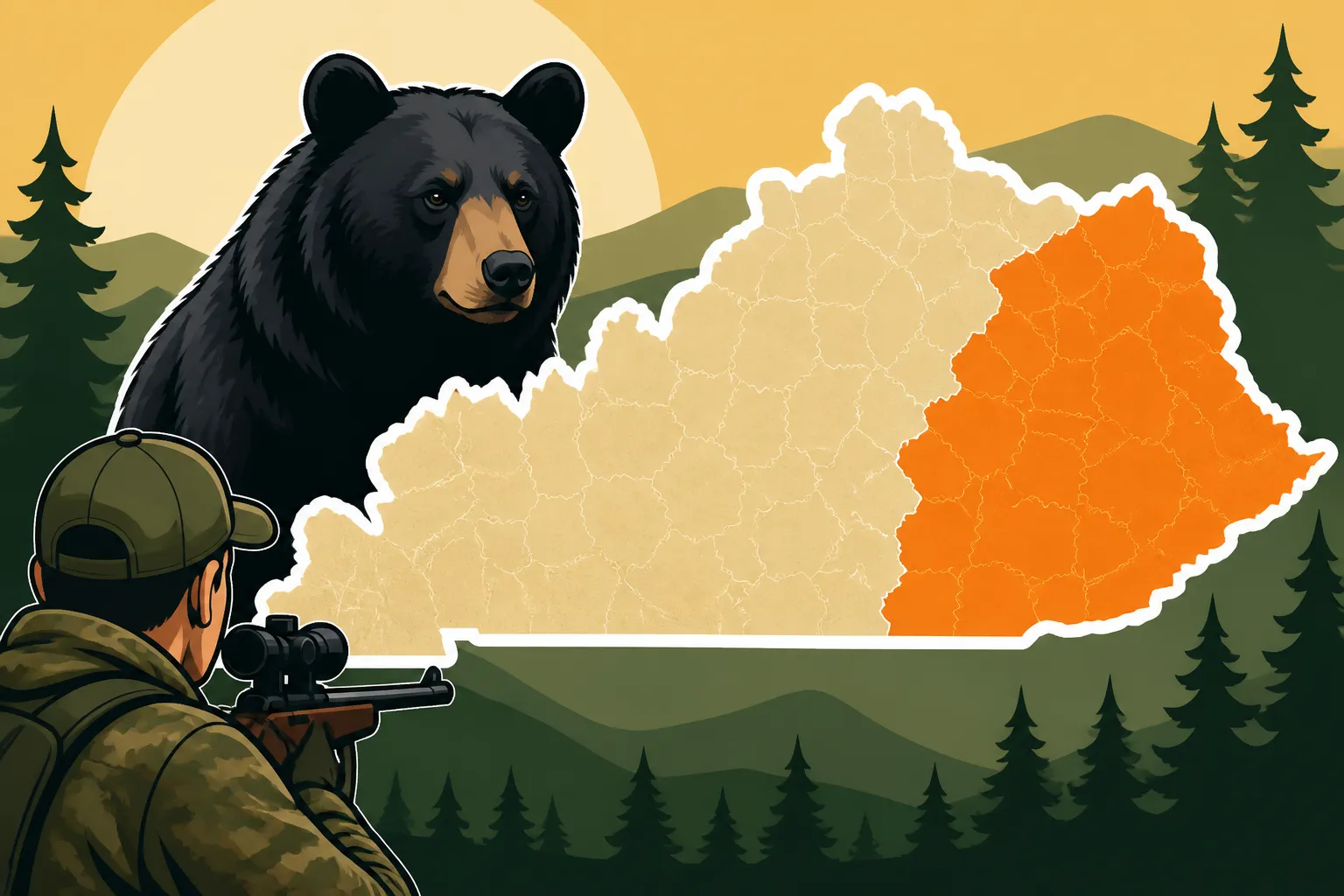
Bear Zone Three currently includes specific counties that have shown a sustained increase in bear activity, indicating that these areas are no longer just travel corridors but emerging habitats. The primary counties that currently fall within Bear Zone Three are Clinton and Wayne counties. This designation acknowledges the growing bear presence in these south-central Kentucky areas, which are strategically located adjacent to established bear country in other states and the existing Kentucky bear zones.
The decision to include these counties, as highlighted in "Why Clinton and Wayne Joined Bear Zone Three", wasn't arbitrary. It came after years of monitoring bear sightings, depredation reports, and genetic studies confirming resident populations and reproductive activity. These counties possess suitable habitat – a mix of forested ridges, hollows, and agricultural interfaces – that provides ample food and cover for bears to thrive and raise their young.
The Specific Goals for This New Zone
The establishment of Bear Zone Three serves several crucial purposes for the KDFWR. First and foremost, it allows for proactive management of the expanding bear population. By designating these areas as a hunting zone, the KDFWR can begin to introduce managed hunting pressure, which is a vital tool for controlling population growth and distribution. This isn't about eradication; it's about maintaining healthy population levels that are sustainable for the habitat and compatible with human communities.
Secondly, the zone helps to mitigate potential human-bear conflicts. As bears move into new areas, the likelihood of encounters with people, livestock, and property increases. Regulated hunting in these expansion zones can help to stabilize numbers, teach bears to avoid human-populated areas, and reduce the overall incidence of conflict. It's a way of proactively addressing issues before they become widespread problems.
Finally, Zone Three provides additional hunting opportunities for Kentucky sportsmen and women. As the bear population grows, so does the interest in hunting this challenging and rewarding big game species. By opening new areas, the KDFWR can offer more permits and longer seasons, distributing hunting pressure and providing more access to the huntable population. This also provides valuable data to wildlife managers through required Kentucky Bear Checking Requirements, contributing to a better understanding of the overall Kentucky Bear Harvest Numbers and population health.
Hunting Rules and Regulations Specific to Zone Three
Hunting in Kentucky's Bear Zone Three comes with its own set of rules and regulations, specifically tailored to manage the expanding bear population in this newly designated area. It’s crucial for every hunter to understand these details before heading into the woods, not just for compliance, but for a safe and ethical hunt.
Season Dates and Weapons Restrictions
The season dates for Bear Zone Three are carefully structured to align with overall bear management objectives while also considering other hunting seasons and bear activity patterns. Generally, the bear hunting seasons in Zone Three are more restrictive compared to the core zones (Zones One and Two), reflecting the still-developing nature of the bear population here.
Hunters should always consult the current Kentucky Hunting and Trapping Guide for the most up-to-date information on Kentucky Bear Archery Season Dates and Kentucky Bear Firearms Season Dates. Typically, the archery and crossbow season for bears will precede the firearms season, offering an early opportunity. Firearms seasons may have specific windows, often falling in late fall or early winter, designed to coincide with periods when bears are actively foraging before denning.
Weapon restrictions in Zone Three generally follow the statewide regulations for bear hunting. This means hunters can use vertical bows, crossbows, firearms (rifles, shotguns, and handguns meeting specific caliber requirements), and muzzleloaders. However, always double-check the guide for any specific limitations unique to Zone Three or any changes in legal firearms. For instance, there might be distinctions between hunting bears with or without the aid of dogs, which could impact weapon choices or permit requirements.
Bag Limits and Permit Requirements
The most significant distinction in Bear Zone Three often lies in the bag limits. While core bear zones might allow for either-sex harvest or even multiple bears in some specific scenarios (though very rare), Zone Three usually has a much more conservative bag limit. Typically, hunters in Zone Three are limited to one bear per season, and often, this harvest is restricted to male bears only (boars). This restriction is a key management tool to protect the reproductive segment of the population (sows and cubs) and encourage continued growth and expansion. By prioritizing the harvest of boars, the KDFWR aims to manage the population while still allowing it to thrive and spread into new territories.
Before even thinking about scouting, every bear hunter in Kentucky, regardless of the zone, must possess a valid Kentucky hunting license and a specific bear permit. The Kentucky Bear Tag Cost is separate from your general hunting license, and it's essential to purchase it beforehand. These permits are typically sold until the season opens or a harvest quota is met, if applicable. Remember, even if you’re an experienced hunter who uses tools like GoHunt for mapping and scouting, compliance with permits is non-negotiable.
Mandatory Checking and Reporting Procedures
Harvest reporting is not just a formality; it's an absolutely critical component of Kentucky's bear management program. All harvested bears, regardless of the zone, must be telechecked immediately after recovery and prior to processing or transportation out of the state. This means you need to call the Telecheck system or use the KDFWR app to report your harvest. The system will provide you with a confirmation number that must remain with the bear meat until processed and with the hide until it’s tanned.
Beyond the Telecheck, hunters are often required to physically present their harvested bear, or specific parts of it (like the head), at a designated KDFWR checking station or to a KDFWR biologist within a specified timeframe. This allows biologists to collect important biological data, such as age, sex, weight, and reproductive status, which is vital for assessing the health and trajectory of the bear population. They might even take a tooth for aging the bear. These Kentucky Bear Checking Requirements provide the essential data that informs future management decisions, ensuring the sustainability of the bear hunt. Missing these steps can result in severe penalties, so always be prepared to follow through with the entire reporting process.
Navigating the Challenges and Opportunities in Zone Three
Hunting in Kentucky's new Bear Zone Three presents a unique blend of challenges and exciting opportunities. Unlike the heavily managed and more predictable landscapes of traditional deer or turkey hunting, pursuing bears in these emerging habitats requires a different mindset and approach.
Scouting for Bears in Expanding Habitats
Scouting in Zone Three is paramount, and it often means going back to basics. Bears are creatures of opportunity, constantly seeking food, water, and cover. In counties like Clinton and Wayne, where the population is still establishing itself, finding fresh bear sign – scat, tracks, claw marks on trees, or disturbed logs where they've foraged – is your first priority. Don't expect to find the same density of sign you might in the core bear zones. You'll likely be covering more ground to locate pockets of activity.
Focus your scouting efforts on areas with abundant natural food sources. Bears are heavily dependent on mast crops like acorns, hickory nuts, and beechnuts. Look for hard mast ridges and hollows, especially after a good acorn year. They also feed on berries, soft mast, and insects. Spot-and-Stalk Tactics for Pine Mountain Bears can translate well to similar mountainous or hilly terrain found in Zone Three, emphasizing keen observation and quiet movement. Utilize mapping tools like those from GoHunt to identify potential travel corridors, dense cover, and remote pockets of habitat that might hold less pressure. Remember, bears are intelligent and will seek out undisturbed areas. Trail Cameras on Kentucky Public Land can also be an invaluable tool to confirm bear presence, understand their travel patterns, and determine their size and sex without disturbing the area. Place them near rub trees, old logging roads, or trails leading to dense cover.
Accessing Public and Private Land
Access can be a mixed bag in Zone Three. While some counties may have portions of national forest or state-managed wildlife areas, many of the newly established bear territories are on private land. This means securing permission is often critical. Don't be shy about knocking on doors and asking landowners if you can hunt their property. Be respectful, offer to help with any potential bear issues they might be experiencing, and leave their land better than you found it. Building relationships with landowners can unlock access to prime bear habitat.
For public land, expect to put in some serious legwork. Bears will often gravitate towards the less accessible, more rugged terrain. Be prepared for steep climbs, thick brush, and long walks. Utilizing topo maps and satellite imagery (many digital apps like those offered by GoHunt provide excellent layers for this) to identify potential bedding areas, water sources, and escape routes will be essential. The more remote and challenging the terrain, the higher the likelihood of finding undisturbed bear activity. Understanding how to interpret these maps to find remote access points and hidden hollows can make all the difference when hunting Bear Hunting Southeastern Kentucky or other rugged regions.
Expected Hunting Scenarios
Hunting scenarios in Zone Three are often characterized by patience and adaptability. Unlike deer hunting during the rut, bear hunting is less about specific calling sequences (though some bear calls can be effective) and more about understanding bear behavior and movements related to food sources. You might find yourself sitting over a promising oak flat for hours, waiting for a bear to come through, or still-hunting through dense timber, hoping to catch a bear foraging.
Because the harvest limit is often restricted to male bears, positively identifying your target is crucial. Bear cubs will almost always be with their mother, so if you see a sow with cubs, you must pass. This requires careful observation and using good optics. Be prepared for thick cover and shorter shooting distances, but also for the possibility of longer shots if you catch a bear crossing an old logging road or a powerline cut. Always consider Shot Placement on a Kentucky Black Bear to ensure a clean, ethical kill, and be ready for a potentially challenging recovery in dense terrain. The excitement of hunting in a newly expanding bear zone is that you're truly part of a dynamic conservation story, contributing valuable data while pursuing a magnificent animal.
Beyond the Hunt: Bear Safety and Coexistence in Expanding Ranges
The expansion of Kentucky's black bear population into Zone Three and beyond isn't just about hunting opportunities; it's about learning to coexist with these incredible animals. Whether you're a hunter, a hiker, or a rural homeowner, understanding bear behavior and practicing bear safety is crucial for everyone sharing these expanding territories.
Essential Bear Safety Practices for Everyone
Living and recreating in bear country requires a conscious effort to minimize potential conflicts. The vast majority of bears prefer to avoid humans, but conflicts often arise when bears become accustomed to human food sources. This means securing attractants is paramount. For homeowners, this means using bear-resistant trash cans, never leaving pet food outside, and cleaning grills after use. If you have fruit trees or berry bushes, pick ripe fruit promptly. Bird feeders, while lovely, can be huge bear attractants; consider bringing them in at night or during active bear seasons.
For campers and hikers, the rules are similar: never leave food unattended, store all food and scented items (like toiletries) in bear-resistant containers or hung from a tree, and always cook and eat away from your tent. Carry bear spray and know how to use it. If you encounter a bear, make yourself look large, make noise, and slowly back away. If a bear charges, stand your ground and use your bear spray. Bear attacks are rare, but being prepared can make all the difference. Understanding Bear Encounters Around Eastern Kentucky Cabins can provide valuable insights, as similar scenarios are becoming more common in Zone Three.
Understanding Bear Behavior and Ecology
To coexist effectively, it helps to understand a bit about Kentucky's Black Bear Population and how they live. Black bears are omnivores, meaning they eat a wide variety of foods. Their diet shifts with the seasons, from young plants and insects in spring, to berries and soft mast in summer, and then heavily on acorns and other hard mast in fall to build up fat reserves for winter denning. This seasonal foraging means bears might be more active and visible in certain periods.
Bears are also incredibly intelligent and curious. They learn quickly, and if they find an easy meal (like your trash or pet food), they'll remember and return. This is why securing attractants is so important – it teaches bears that human areas are not reliable food sources, helping them maintain their natural foraging behaviors. KDFWR's Kentucky Wildlife Disease Monitoring also plays a role in understanding the overall health of the bear population, which indirectly impacts their behavior and interactions with humans.
The Role of Responsible Hunting in Bear Coexistence
Managed hunting, especially in newly established zones like Zone Three, plays a vital role in fostering human-bear coexistence. By providing regulated hunting opportunities, the KDFWR can manage the bear population at a level that is both healthy for the ecosystem and more compatible with human activities. Removing bears that are consistently in conflict with humans (often through targeted permits or management actions) can prevent the spread of undesirable behaviors among the bear population.
Furthermore, regulated hunting provides valuable data. Every bear harvested, especially with the mandatory checking process, contributes information on age, sex ratios, health, and distribution. This data is indispensable for wildlife biologists to make informed decisions about future management, ensuring that Kentucky's black bear population remains robust and provides opportunities for future generations of hunters and wildlife enthusiasts. Hunters, in essence, become partners in conservation, directly contributing to the scientific understanding and long-term health of the species they pursue.
Kentucky Black Bear Zone Comparison
To better illustrate the differences between Kentucky's bear management zones, here's a quick overview. Please note that specific regulations (like season dates or whether dog hunting is allowed) can vary annually, so always refer to the most current KDFWR hunting guide.
| Feature | Bear Zone One (Core) | Bear Zone Two (Intermediate) | Bear Zone Three (Expansion) |
|---|---|---|---|
| Primary Goal | Population management, reduce conflicts in dense areas | Population management, allow for limited growth and harvest | Encourage population establishment, limited harvest, mitigate early conflicts |
| Typical Counties | Harlan, Letcher, Pike, Bell, Knox, Whitley, McCreary (densest bear habitat) | Clay, Leslie, Perry, Breathitt, Owsley, Laurel, Rockcastle, etc. | Clinton, Wayne |
| Season Length | Generally longer, more liberal | Shorter, more conservative | Shortest, most conservative |
| Bag Limit | One bear (often either-sex, may have specific quotas) | One bear (often either-sex, more likely to have harvest quota) | One male bear only (boar), very strict quotas or limited days |
| Weapon Rules | Standard statewide rules apply | Standard statewide rules apply | Standard statewide rules apply |
| Dog Hunting | Generally allowed (check specific dates) | Generally allowed (check specific dates, may be more restricted) | Check current regulations (often more restricted or not allowed) |
| Management Focus | Sustained harvest, conflict reduction | Balanced harvest and growth | Protection of breeding population, slow, managed expansion |
Disclaimer
Please remember that hunting regulations, season dates, and zone boundaries can change frequently. Always consult the official Kentucky Department of Fish and Wildlife Resources (KDFWR) hunting and trapping guide for the most current and accurate information before planning any hunt in Kentucky. This article is intended for informational purposes only and does not constitute legal advice or replace official KDFWR publications.