Kentucky CWD Testing for Hunters
It’s a new era for deer hunting in Kentucky, and with it comes a new layer of responsibility: understanding and navigating Chronic Wasting Disease (CWD) testing requirements. For many of us, the idea of having to test our hard-earned harvest can feel like another hoop to jump through, an added burden to an already complex pursuit. But as frustrating as it might seem at first glance, these measures are absolutely critical to protecting Kentucky's beloved deer herd and ensuring healthy hunting opportunities for generations to come. This guide aims to clear up all the confusion, laying out exactly what CWD is, where it’s a concern, and what every hunter needs to know about testing their deer.
Understanding the CWD Threat in Kentucky
CWD is a serious neurological disease affecting deer, elk, and moose. It's often called a "zombie deer disease" in sensationalized headlines, but the reality is far more subtle and insidious. It's a fatal, untreatable disease that has no known cure and, once present in an area, can be incredibly difficult to eradicate. For hunters who cherish the health of our wildlife and the tradition of hunting, understanding this threat is the first step toward becoming part of the solution.
The Silent Threat of CWD
Imagine a disease that slowly, almost imperceptibly, changes the very fabric of an animal’s brain, leading to emaciation, abnormal behavior, and ultimately, death. That’s CWD. It's caused by infectious proteins called prions, not bacteria or viruses, which makes it particularly resilient in the environment. These prions can persist in the soil for years, meaning an infected deer can shed them through saliva, urine, and feces, contaminating the environment for future generations of deer. The biggest frustration for hunters and wildlife managers alike is that an infected deer can appear perfectly healthy for a long time, often for over a year, before showing any symptoms. This means the disease can spread silently through a population, going undetected until it's firmly entrenched. It's a truly insidious threat, and it's why proactive surveillance and testing, even when a deer looks fine, are so vital.
How CWD Affects Deer and Hunters
For the deer themselves, CWD is a death sentence. There's no coming back from it. As the disease progresses, deer might become lethargic, lose their fear of humans, drool excessively, or show a general decline in body condition. While there's currently no scientific evidence that CWD can be transmitted to humans, the Centers for Disease Control and Prevention (CDC) still recommends against eating meat from CWD-infected animals. This recommendation alone is enough to send a chill down any hunter's spine; the thought of harvesting a deer, putting in all the effort, and then finding out it's unsafe to eat is a crushing blow. Beyond individual animals, a widespread CWD outbreak could devastate local deer populations, leading to reduced herd numbers, restricted hunting opportunities, and a significant impact on Kentucky's hunting heritage and economy. The Kentucky Department of Fish and Wildlife Resources (KDFWR) is working tirelessly to prevent this, and our participation in testing is a direct way to help.
Kentucky's CWD Surveillance Zone Explained
Kentucky has been incredibly fortunate to largely avoid widespread CWD, but that changed with confirmed cases in recent years. To address this, KDFWR established a specific CWD Surveillance Zone. It's not just a random line on a map; these zones are strategically drawn to contain and monitor the disease where it's been detected, or where there's a significant risk of its spread. For hunters, knowing which side of the line your hunting grounds fall on is absolutely essential, as it dictates your testing responsibilities.
Identifying the CWD Surveillance Counties
Currently, Kentucky has a designated CWD Surveillance Zone that includes several counties where either CWD has been confirmed, or they are adjacent to confirmed cases or areas of high risk. It's crucial to understand that these counties can change, so always check the latest KDFWR regulations before heading afield. As of the most recent updates, counties like Ballard, Fulton, Hickman, and Carlisle are included, and even Pulaski County joined the list following a confirmed case. These zones often include counties bordering states with known CWD issues, like Tennessee. For instance, if you're hunting in the far western part of the state, say near the Land Between the Lakes Waterfowl area, you'll need to pay close attention to the rules, especially if you're in one of those CWD-affected counties. The KDFWR website and their "Kentucky Hunt Fish App" are your best friends here, providing up-to-the-minute maps and information. Sometimes, it feels like we need a master's degree in cartography just to figure out where we can hunt and what rules apply, but tools like the GoHunt app can also be incredibly helpful for visualizing these boundaries on your hunting land.
The Rationale Behind Zone Boundaries
The boundaries of the CWD Surveillance Zone aren't arbitrary. They're based on scientific modeling, known deer movement patterns, and proximity to confirmed cases, whether those cases were in wild deer or captive facilities. For example, What Happened at the Breckinridge Captive Facility provides insight into how a single incident can lead to expanding surveillance efforts, even if it's a captive animal, due to the risk of escape or cross-contamination. The goal is to create a buffer, a ring of highly monitored counties around known CWD detections to detect any further spread quickly. It's an aggressive but necessary strategy. The frustration often comes from hunting areas that might feel geographically distant from a known case, but are included due to deer migration corridors or other ecological factors. Knowing that these decisions are backed by data, even when inconvenient, can help us all understand the bigger picture. After all, the health of White-Tailed Deer Across Kentucky depends on this vigilant approach.
Mandatory CWD Testing Requirements
If you're hunting within the CWD Surveillance Zone, mandatory testing is not a suggestion; it's a requirement. This is where many hunters find themselves scratching their heads, trying to figure out the exact steps. It adds another layer to the post-harvest routine, right after you've successfully completed your Kentucky Deer Harvest Reporting Rules via Telecheck. But compliance is non-negotiable, and failing to adhere to these rules can result in penalties.
Mandatory Testing Protocols for Deer Hunters
When hunting deer, elk, or even certain other cervids within a designated CWD Surveillance Zone, hunters are required to submit the heads of harvested animals for CWD testing. This typically applies to adult deer, both bucks and does. While the specifics can vary from season to season, the general rule is that you must take your harvested animal to an official KDFWR CWD sampling station within 24-48 hours of harvest. The KDFWR wants to gather as much data as possible to monitor prevalence and detect any new spread. This is often the most challenging part for hunters, especially those who hunt deep in public lands like the Daniel Boone National Forest or far from established drop-off points. Planning your hunt, especially during Kentucky's Statewide Modern Gun Season, needs to include a clear exit strategy for carcass submission.
Species Subject to Mandatory Testing
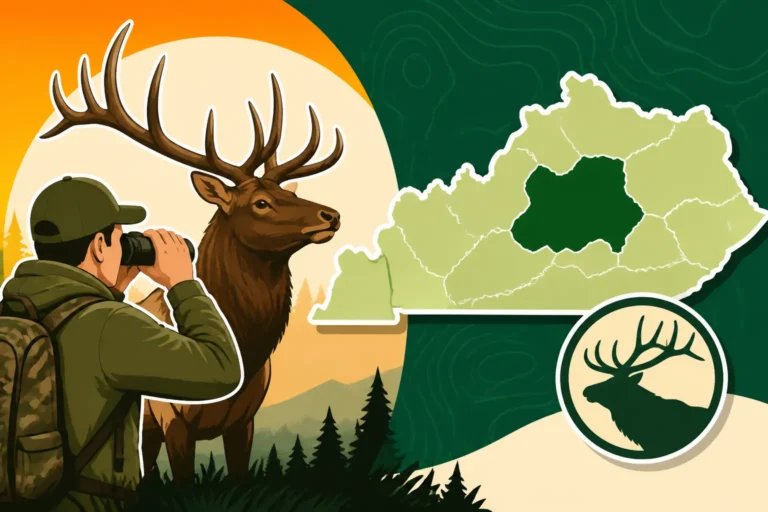
While deer are the primary focus of CWD surveillance in Kentucky, the disease can affect other cervid species. In Kentucky, our primary concern is with white-tailed deer and, to a lesser extent, our growing elk population. If you're fortunate enough to draw an elk tag and hunt within the Elk Restoration Zone, it's wise to be aware of any specific CWD testing requirements for elk, though historically, these have been separate from the deer surveillance zones. The testing requirements are specifically geared towards identifying CWD in the species most likely to carry and transmit it within our state. It's worth noting that if you harvest a deer in a CWD-mandated testing county, even if you’re only targeting that county for a single weekend hunt, that deer is subject to the rules. Always confirm the exact species covered by the mandatory testing when you review the current regulations.
Voluntary CWD Testing Options for All Hunters
Even if you're hunting outside the mandatory CWD Surveillance Zone, you still have a crucial role to play in monitoring the health of Kentucky's deer herd. Voluntary testing options allow hunters across the state to contribute valuable data, acting as early detectors for any potential spread into new areas. This proactive participation is what helps KDFWR stay ahead of the curve, instead of reacting to an already established problem.
Contributing to Surveillance Outside the Zone
For hunters in counties not under mandatory testing regulations, submitting a sample from your harvested deer is a fantastic way to contribute to statewide CWD surveillance. Think of it as an extra layer of protection, a way for citizen scientists like us to actively help manage our wildlife. You might be hunting your usual spot in the Bluegrass Region, far from any current CWD concerns, but your voluntary sample provides a baseline, a data point that confirms the disease isn't present in your area. This information is just as valuable as the mandatory samples from the surveillance zones. Every piece of information helps paint a clearer picture of Kentucky Deer Population Estimate health and distribution. Platforms like GoHunt, with their extensive mapping features, can even help you pinpoint nearby voluntary submission sites, making it easier to plan your post-harvest routine.
Finding Voluntary Sampling Locations
KDFWR makes it relatively easy for hunters to submit voluntary samples. Throughout the deer season, especially during peak hunting periods like Hunting the Kentucky Rut in Early November, they often set up voluntary collection points at various locations, including some check stations, KDFWR offices, and even partnerships with taxidermists and meat processors. You can typically find a list of these locations on the KDFWR website, often with maps and operating hours. These locations are designed for convenience, understanding that after a successful hunt, the last thing you want is to drive hours out of your way. Simply put, if you’re interested in supporting the health of the herd and getting peace of mind about your venison, Finding a Kentucky CWD Sampling Location is a straightforward process, and it’s a commitment we can all make to Kentucky's hunting future.
The CWD Testing Process for Hunters
Alright, so you’ve harvested a deer in a mandatory testing zone, or you've decided to voluntarily contribute a sample. Now what? The actual testing process involves a few key steps, primarily centered around proper sample collection and submission. It’s not overly complicated, but paying attention to detail ensures your sample is viable for accurate results.
Collecting Samples for Submission
The primary sample collected for CWD testing is the retropharyngeal lymph nodes, located in the throat area of the deer, or sometimes a portion of the brainstem. Don't worry, KDFWR doesn't expect every hunter to be an expert anatomist. Most sampling stations will have trained personnel who can collect the sample for you. Your job is typically to bring the head of the deer, often with a few inches of neck attached, to the designated collection site. It's vital to keep the head cool, especially during warmer early archery seasons. If you're Field Dressing a Deer in Cold Weather, keeping the head cool shouldn't be an issue, but in early September, you'll want to take precautions. Some hunters might choose to quarter their deer in the field and pack the head out separately in a cooler with ice, particularly if they're deep in the backwoods of Daniel Boone National Forest. Make sure your Telecheck confirmation number is clearly associated with the sample, as this is how KDFWR links the test result back to your specific harvest.
Submitting Samples and Awaiting Results
Once you arrive at a CWD sampling station, a KDFWR biologist or technician will take the necessary tissue samples. This usually involves a quick process where they remove the lymph nodes or brainstem without damaging the skull, which is good news for taxidermists! After the sample is collected, it's sent to a specialized lab for analysis. You'll typically be given information on how to check your results online using your Telecheck confirmation number. The turnaround time for results can vary, usually ranging from a few days to a few weeks, depending on the volume of samples and the lab's workload. It's a waiting game, and it can be stressful, especially if you're eager to process your venison. However, it's important to wait for the all-clear before consuming the meat, as per CDC recommendations. This patience is a small price to pay for ensuring the safety of your harvest and contributing to the overall health surveillance of Kentucky's White-Tailed Deer.
Carcass Movement Restrictions and Regulations
Perhaps one of the most impactful aspects of the CWD Surveillance Zone for hunters is the regulations surrounding carcass movement. These rules are designed to prevent the physical spread of CWD prions from infected areas to uninfected areas. It's a critical component of containment, but it can present logistical challenges, especially for those who hunt out of state or cross county lines to get home.
Understanding Carcass Transport Rules
If you harvest a deer within Kentucky's CWD Surveillance Zone, there are strict rules about what parts of the carcass you can transport out of that zone. Generally, you cannot move whole carcasses or high-risk parts like the brain, spinal cord, eyes, spleen, or lymph nodes outside the zone. This means if you kill a deer in, say, Ballard County, you can't just throw the whole thing in the back of your truck and drive it home to a non-surveillance county. The permitted parts usually include boned-out meat, quarters with no spinal column or head attached, clean skulls or skull plates (for taxidermy, but ensure all brain matter is removed), hides with no head attached, and teeth. These restrictions are in place because the prions are most concentrated in the central nervous system. These regulations are detailed, and it’s critical to understand them, especially if you're planning on Moving a Deer Carcass Out of the Surveillance Zone or are bringing a deer from a neighboring state where CWD is present.
Processing Your Deer Within the Zone
Given the carcass movement restrictions, many hunters find it most practical to process their deer entirely within the CWD Surveillance Zone. This means either using a local meat processor that is familiar with the regulations, or if you're a DIY kind of hunter, Butchering a Deer at Camp or at a temporary setup within the zone. You can then transport the boned-out meat home without issue. This requires a bit more planning than simply dropping off a whole deer at your usual processor back home, but it ensures you comply with all regulations. It's an added layer of complexity that can feel inconvenient, but it’s a necessary step to protect other parts of the state from potential CWD introduction. For hunters who travel to hunt specific areas, like those pursuing Hunting Western Kentucky Bottomland Deer, being aware of these rules before you even pull the trigger is paramount.
Here's a quick reference table outlining typical CWD carcass movement guidelines:
| Carcass Part | Allowed Out of CWD Surveillance Zone? | Notes |
|---|---|---|
| Whole Carcass | NO | Prohibited due to high-risk tissues. |
| Boned-Out Meat | YES | Meat must be completely deboned. |
| Quarters | YES | Must have no part of the spinal column or head attached. |
| Skull Plate/Antlers | YES | Must be free of all brain tissue. |
| Hide | YES | Must be free of all brain tissue and blood. |
| Intact Head | NO | Prohibited due to brain tissue and lymph nodes. |
| Spinal Column | NO | Prohibited due to high-risk tissues. |
| Organs (Spleen, etc.) | NO | Considered high-risk, must be disposed of properly within the zone. |
| Clean Teeth | YES | Often used for aging, allowed if clean. |
Disclaimer
The information provided in this guide is intended for general informational purposes only and does not constitute legal advice. Hunting regulations, including those pertaining to Chronic Wasting Disease (CWD) surveillance and testing, are subject to change by the Kentucky Department of Fish and Wildlife Resources (KDFWR). It is the hunter's responsibility to consult the most current KDFWR regulations and local ordinances before engaging in any hunting activities. Always verify specific dates, locations, and requirements directly with KDFWR to ensure compliance.