When Kentucky’s Late Muzzleloader Week Falls
It's incredibly frustrating when you're geared up and ready to hit the woods, only to find yourself second-guessing the exact dates for a specific hunting season. Kentucky's diverse deer season structure, with its various weapon types and timeframes, can definitely feel like navigating a maze. This guide is here to clear up all the confusion surrounding Kentucky's late muzzleloader week, ensuring you know precisely when you can uncork your smoke pole and head out for a prime December deer hunt.
Pinpointing Kentucky's Late Muzzleloader Week
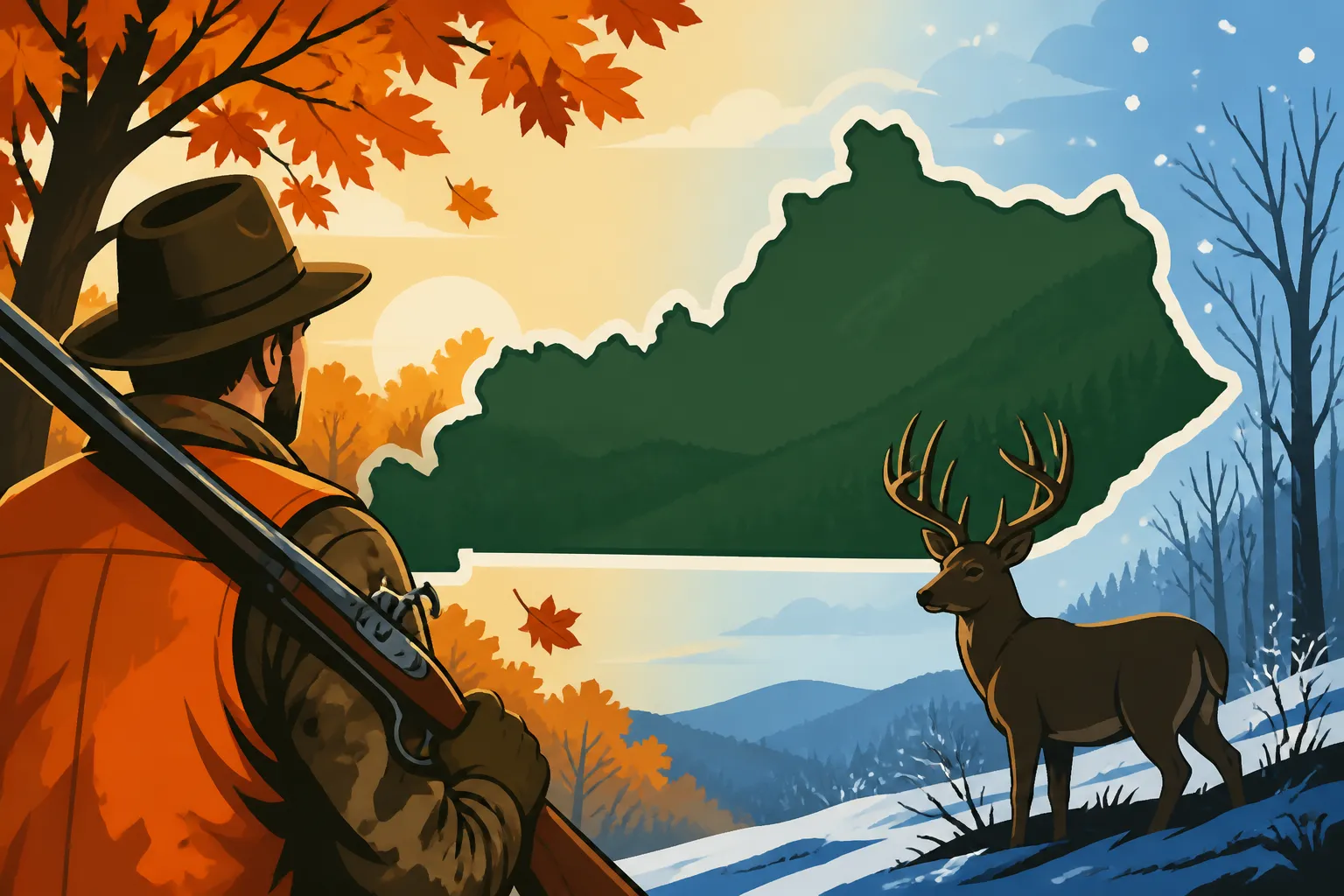
Let's cut right to the chase because nobody wants to miss out on precious hunting time due to a simple date mix-up. Kentucky's late muzzleloader season is a distinct, often highly anticipated, hunting opportunity that typically falls in the second or third week of December. Unlike the earlier modern gun season, which spans a broader period, the late muzzleloader hunt is a more condensed, focused window, usually lasting for about seven days. This strategic timing places it after the hustle and bustle of the statewide modern gun season and usually when deer are transitioning into a post-rut, food-focused pattern.
Historically, this week-long season has been a fantastic chance for hunters to capitalize on cooler temperatures and often more predictable deer movements. While the exact dates can shift slightly from year to year due to calendar alignment, the Kentucky Department of Fish and Wildlife Resources (KDFWR) reliably sets this period within December. For the most up-to-the-minute official dates, always consult the current KDFWR Hunting & Trapping Guide or a reliable hunting app like GoHunt. These resources are indispensable for confirming dates and any last-minute regulation changes that might impact your hunt.
Key Dates and Zone Considerations for Late Muzzleloader
Understanding the precise timeframe and how it interacts with Kentucky's deer management zones is crucial for a successful late muzzleloader hunt.
Specific Calendar Window
For the 2023-2024 hunting season, Kentucky's late muzzleloader deer season runs from December 9-16, 2023. This seven-day stretch is consistent across all of Kentucky's deer zones, which is a blessing because it simplifies planning; you don't have to worry about different dates depending on whether you're hunting in the Purchase Area or the Appalachian Plateau. This uniformity across the state means whether you're focused on Hunting Western Kentucky Bottomland Deer or exploring Still-Hunting Eastern Kentucky Ridges, the dates remain the same for your muzzleloader.
This December window offers unique challenges and opportunities. The leaves are typically off the trees, improving visibility, but deer have also been pressured by earlier seasons. Cold temperatures mean deer are actively seeking food to maintain body heat, making late-season food sources absolutely critical to locate.
Deer Zone Regulations and Antlerless Opportunities
While the season dates are statewide, the bag limits for antlerless deer during the late muzzleloader season are determined by the specific deer zone your county falls into. Kentucky uses a four-zone system (Zones 1-4) to manage deer populations, with Zone 1 having the most liberal antlerless bag limits and Zone 4 being the most restrictive.
Here’s a quick overview of how antlerless limits generally break down during the late muzzleloader week, but remember to always verify your specific county's zone designation and its rules, which you can easily find in the KDFWR guide or through a service like GoHunt:
| Deer Zone | Antlerless Deer Bag Limit (Late Muzzleloader) | Notes |
|---|---|---|
| Zone 1 | Unlimited | Most liberal, focused on population reduction. |
| Zone 2 | Four | Generous opportunities for harvesting does. |
| Zone 3 | Two | Balanced approach, still good opportunity for venison. |
| Zone 4 | One | Most conservative, often for maintaining herd numbers or specific management. |
For example, if you're hunting in a Zone 1 county like Christian or Butler, you could potentially harvest an unlimited number of antlerless deer with your statewide deer permit and any bonus antlerless tags you purchase. However, if you're in a Zone 4 county, such as Bell or Harlan, your antlerless opportunity during this late season is much more limited. Understanding How Kentucky Deer Zones Set Antlerless Bag Limits is vital to staying legal and contributing to sound deer management. Always know your zone before you go!
Effective Tactics for Late Muzzleloader Success
Hunting in December presents a completely different set of circumstances compared to the early archery or even modern gun seasons. Deer behavior has shifted, and the weather is often a major factor.
Locating Late-Season Food Sources
After the rut winds down, a whitetail's primary focus shifts from breeding to survival. They need to replenish lost body fat and maintain energy to endure the cold winter months. This means food sources become deer magnets. Forget about chasing scrapes or rubs; during the late muzzleloader week, you'll want to focus on:
- Standing agricultural crops: Fields of standing corn, soybeans, or winter wheat that haven't been harvested yet are prime locations. Deer will often bed down nearby and only travel short distances to feed. Learning how to identify good Entry Routes Through Standing Beans or tactics for Hunting a Standing Cornfield in Farm Country can significantly improve your odds.
- Green food plots: If you're hunting private land or a WMA with planted food plots, these can be irresistible. A lush plot of clover, brassicas, or winter rye stands out when natural forage is scarce.
- Persistent mast crops: While most acorns are gone by December, certain oaks, like pin oaks, might still hold some. Also, look for honeysuckle, green briar, and other browse that retains nutrients late into the year.
- Thermal cover: Dense evergreen stands (pine thickets, cedars) or thick multiflora rose provide critical thermal cover that deer will use to escape the cold winds and conserve energy. They will often feed immediately adjacent to these bedding areas.
Adapting to Colder Weather and Deer Behavior
December hunting in Kentucky can mean anything from crisp, sunny days to bitter cold, snow, and freezing rain. Your strategy needs to adapt:
- Early morning and late afternoon: Deer often spend the coldest parts of the day bedded down. Focus your efforts during the first few hours of daylight and the last few hours before dark when they're most likely to be on their feet feeding.
- Movement patterns: Expect deer movement to be more concentrated. They won't be cruising vast distances looking for does. Instead, they'll travel from bedding to feeding and back, often using the path of least resistance or thick cover for security. Scouting for these specific travel corridors is essential.
- Still-hunting and slow stalks: With crunchy leaves and colder air, moving quietly can be a challenge. However, a slow, methodical still-hunt through thick cover or along creek bottoms, especially during mid-day when deer might be moving to different bedding areas, can be effective. This is particularly true in areas like the Daniel Boone National Forest, where you might be Hunting a Funnel Between Two Hollows.
- Layering your clothing: Staying warm is paramount. Proper layering, using materials like wool or synthetics, is key. Think about Clothing for a Kentucky Late Season to manage moisture and retain heat, especially for those all-day sits in a stand. Don't forget insulated boots and hand warmers!
Essential Gear and Practical Considerations
Success during Kentucky's late muzzleloader week often hinges on being prepared for the conditions and understanding your equipment.
Muzzleloader Specifics
Your muzzleloader needs to be reliable in cold, potentially damp weather.
- Keeping powder dry: This is non-negotiable. Use waterproof caps for your primer and consider storing your powder charges in sealed containers. Many hunters swear by electrical tape over the muzzle to prevent moisture from entering the barrel. This extra step can save your hunt.
- Bullet choice: Consider sabot or conical bullets appropriate for the ranges you expect to encounter. Given the typically denser cover and shorter shot opportunities in Kentucky, a good expanding bullet that delivers energy quickly is ideal. If you're wondering about Sabot Versus Conical for Deer, know that sabots often offer better accuracy but require a clean bore.
- Practice in cold conditions: Don't just practice in warm weather. Take your muzzleloader out on a cold day, ideally similar to what you expect during the season, and fire it. See how it handles, how the powder ignites, and how your cold fingers affect your shooting.
Staying Warm and Comfortable
December hunting means sitting still for extended periods in freezing temperatures. Without the right gear, discomfort will ruin your hunt.
- Insulated outer layers: A high-quality insulated jacket and pants are crucial. Look for options that are quiet, waterproof, and windproof.
- Footwear: Insulated, waterproof boots are a must. Cold feet are a quick way to end a hunt. Consider a size up to allow for thicker socks without restricting circulation.
- Hand and head protection: A warm hat, insulated gloves or mittens, and hand warmers are essential. Many hunters use "muff" style hand warmers that can also hold a heat pack. Cold-Weather Sitting Strategy in Kentucky relies heavily on these small but mighty comforts.
- Ground blind or treestand: While Treestand Setups in Daniel Boone National Forest are common, a well-brushed-in ground blind can offer significant protection from the wind and help contain your scent, particularly if you are Using a Ground Blind on Kentucky Public Land for a prolonged sit near a food source.
Avoiding Common Pitfalls and Maximizing Your Experience
Even seasoned hunters can sometimes overlook details or succumb to common misconceptions.
Verifying Regulations Annually
The biggest mistake anyone can make is assuming last year's regulations are identical to this year's. While the late muzzleloader week often falls around the same time, dates can shift, zone boundaries can be adjusted, or new rules introduced. It's not uncommon for KDFWR to fine-tune regulations based on herd health or environmental factors. Before you step foot in the woods, always:
- Check the official KDFWR Hunting & Trapping Guide: This is your bible. Download the PDF, pick up a physical copy, or access it through the KDFWR website.
- Utilize reliable hunting apps: Modern apps like GoHunt are fantastic for real-time regulation updates, property line overlays, and public land boundaries, making them an invaluable tool for any Kentucky hunter. They often integrate directly with KDFWR data.
- Review your specific county: Pay close attention to the county you plan to hunt in, especially regarding antlerless limits and any special WMA rules (Kentucky WMA Permit Requirement) that might apply.
Post-Modern Gun Season Scouting
Many hunters pack it in after modern gun season, but that's a huge missed opportunity for late muzzleloader hunters. The landscape changes dramatically after the leaves fall and the woods get heavily pressured.
- Observe new patterns: Deer patterns shift after heavy hunting pressure. They often become more nocturnal or utilize thicker cover. Scouting after the modern gun season allows you to see how deer are reacting to the pressure and pinpoint new, secure travel routes and feeding areas.
- Look for sign in the snow: If you're lucky enough to get a late-season snowfall, it's like a fresh canvas for deer sign. Tracks in the snow can reveal exact travel routes, feeding locations, and bedding areas with incredible clarity.
- Utilize trail cameras: Deploy trail cameras on suspected food sources or funnels during the brief lull between modern gun and late muzzleloader season. This can provide invaluable, current intelligence on deer movement and presence, helping you identify Late-Season Food Sources for Kentucky Whitetails.
By meticulously planning, understanding the regulations, and adapting your tactics to the unique challenges of December, Kentucky's late muzzleloader week can be one of the most rewarding hunts of the year.
Disclaimer
Please note that hunting regulations, dates, and zone boundaries are subject to change by the Kentucky Department of Fish and Wildlife Resources. Always consult the most current official KDFWR Hunting & Trapping Guide or their website before planning your hunt to ensure compliance with all state laws and regulations. This article is intended for informational purposes only and does not supersede official government regulations.